The short answer
Everywheresoy, wheat, fish, sesame
The only methodtell staff, do not deduce
A Japanese menu hides allergens in places the dish names never suggest. This is a map of where they usually are — not a clearance for any particular dish.
Please read this first
This article describes where allergens commonly appear in Japanese cooking. It is not a statement about any dish on our menu, and we cannot certify anything as free of any allergen. Recipes, suppliers and preparation vary, and shared equipment is normal in every kitchen. If you have a food allergy or intolerance, tell the restaurant directly when you order, and rely on that conversation rather than on this page or on a dish name.
Japanese food has a reputation for being simple, and in one respect that is misleading. A short ingredient list on a menu often sits on top of a longer one in the kitchen, and four things in particular turn up almost everywhere.
01 — The four constantsSoy, wheat, fish and sesame
These are the ones that are structural rather than occasional. They are in the seasonings and the bases, which means they cross whole sections of a menu rather than appearing in a few named dishes.
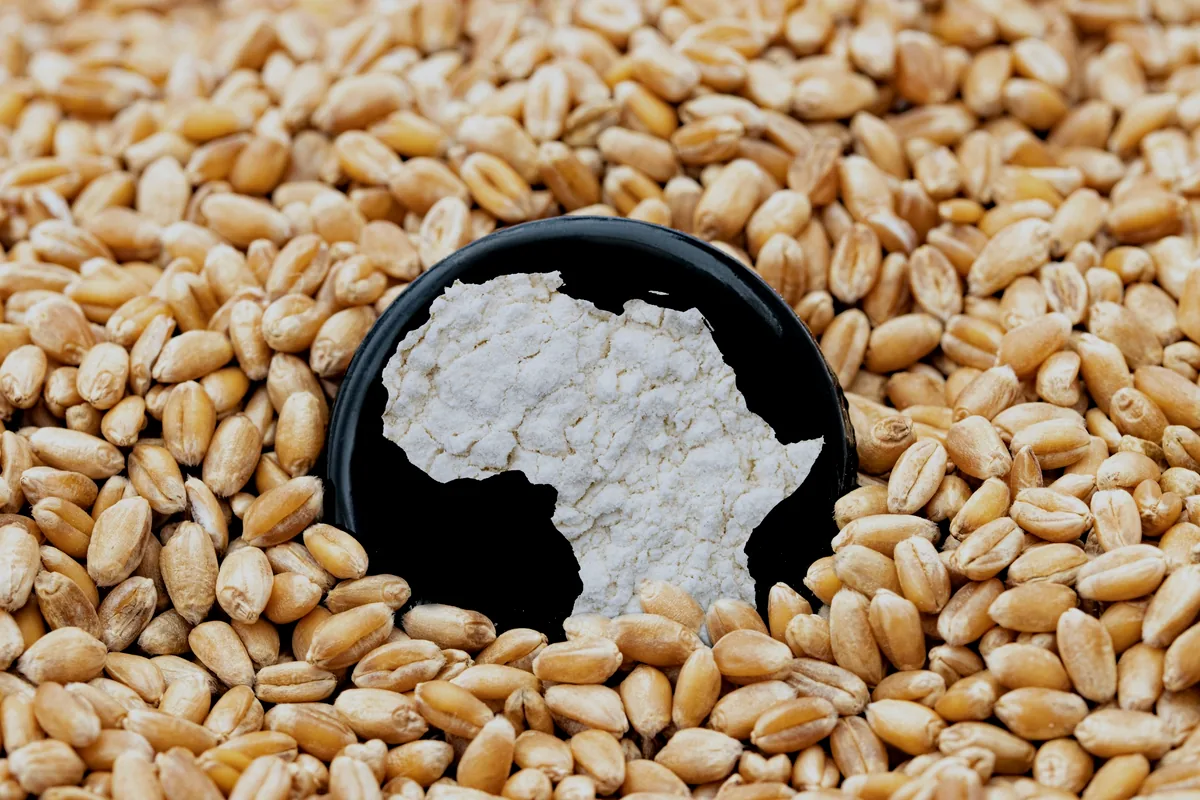
Soy is in soy sauce, miso, teriyaki glaze, ponzu, tofu, edamame and soy paper. Soy sauce alone puts it into marinades, dipping sauces, braising liquids and most glazes.
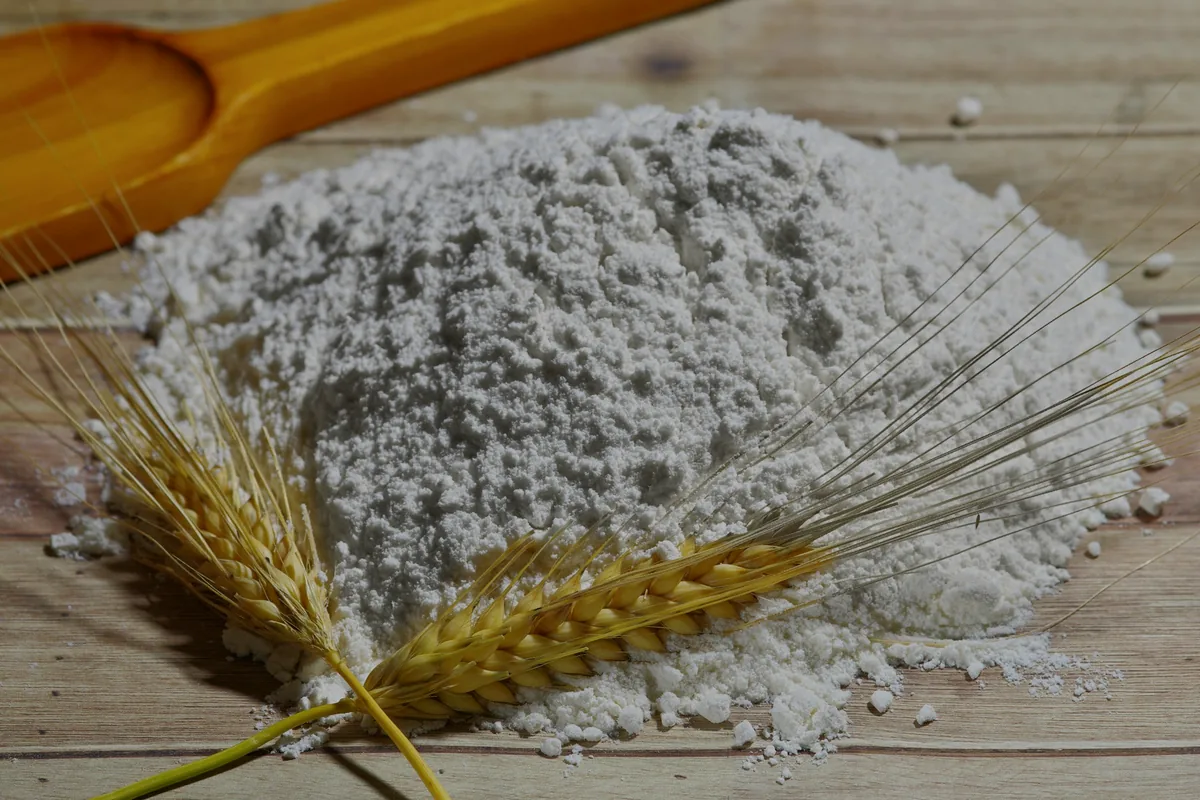
Wheat is in soy sauce as well, which surprises people, because most Japanese soy sauce is brewed from soybeans and wheat. It is also in ramen and udon noodles, tempura batter, panko and many processed seafood products.
Fish is in dashi, the stock underlying miso soup and most broths and dipping sauces, because dashi is usually made with dried bonito. It is also what imitation crab is made from.
Sesame is in seeds scattered over almost everything, in sesame oil, and in many dressings.
The places a dish name will not tell you
| Allergen | Obvious places | Less obvious places |
|---|---|---|
| Wheat | Ramen, udon, tempura, panko, katsu | Soy sauce, teriyaki glaze, ponzu, imitation crab, some sauces |
| Soy | Tofu, edamame, soy sauce, miso | Nearly every sauce and glaze, soy paper, marinades |
| Fish | Sashimi, nigiri, most rolls | Dashi in miso soup and broths, imitation crab, Worcestershire-style sauces |
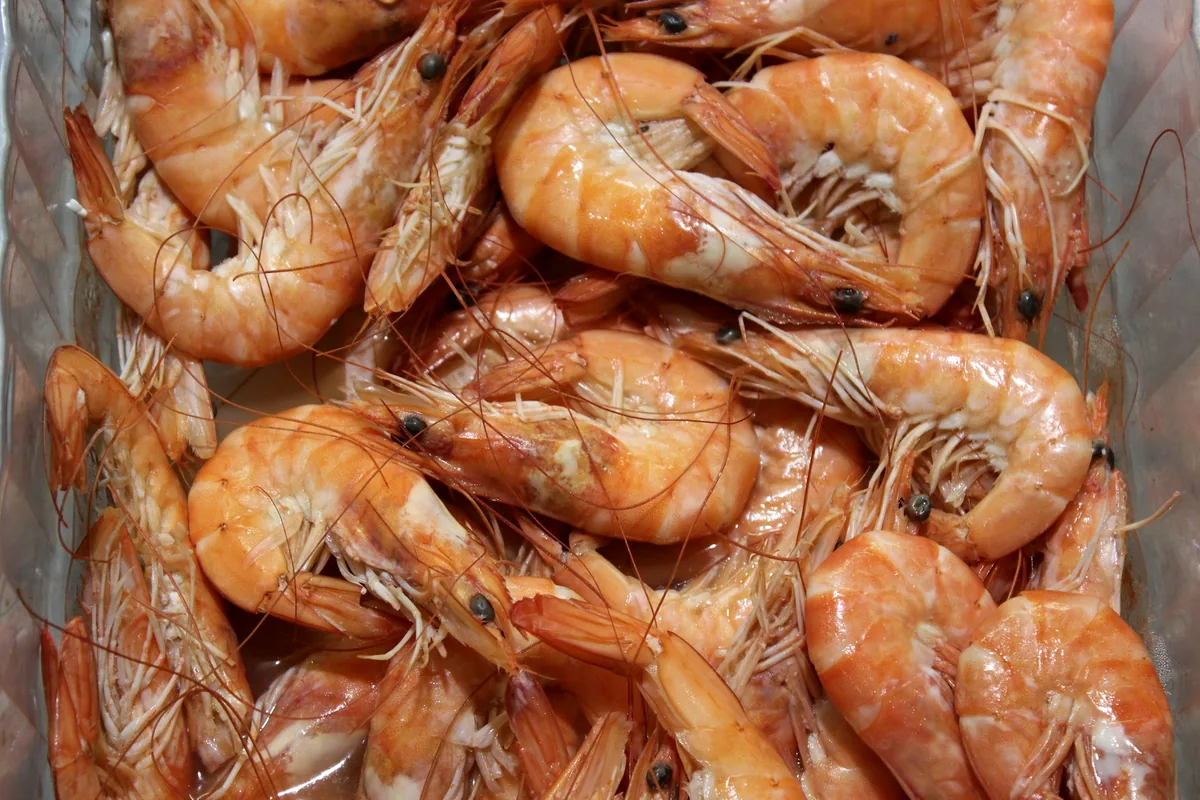
| Shellfish | Shrimp, crab, scallop, mussel | Shared fryers, seafood in mixed broths |
| Sesame | Seeds on rolls and in ramen | Sesame oil in dressings and finishing oils |
| Egg | Tamago, marinated ramen eggs | Tempura batter, imitation crab, mayonnaise-based sauces |
| Dairy | Cream cheese in American-style rolls | Rarely elsewhere — Japanese cooking uses little dairy |
The right-hand column is the point of this article. Almost nobody is caught out by the left one.
Three specific surprises
- Imitation crab. It is a fish product, and it commonly contains wheat starch and egg white as binders. It is in the California roll and therefore in dozens of rolls built on one — the detail is in what kanikama actually is.
- Miso soup. Usually made with a dashi containing dried fish, so it is often unsuitable for anyone avoiding fish, even though nothing in the name suggests it.
- Worcestershire-style sauce. The sauce on stir-fried noodles is traditionally made with anchovy.
None of these are unusual practice. They are simply invisible from a menu, which is why the only reliable method is asking.
Getting an answer you can rely on
How you ask changes the quality of the answer considerably.
- Say allergy, not preference. Kitchens treat the two differently and they should. If it is medical, say so in those words.
- Name the ingredient. “Does this contain wheat?” is answerable. “Is this gluten free?” asks staff to make a judgement they may not be qualified to make.
- Ask about the sauce and the stock separately. They are the two things most likely to contain something the dish name does not mention.
- Ask before you order, not after. Substitutions are easy before the pan goes on.
- Ask about shared equipment if it matters. One fryer, one grill and shared boards are normal. For a severe allergy that is a real consideration.
And if the answer is uncertain, treat uncertainty as a no. A kitchen saying “I think so” is being honest, and that is not the same as yes.
On gluten specifically
This is the question we are asked most, and the honest answer has two parts.
The first is that wheat is more widespread on a Japanese menu than people expect, because standard soy sauce is brewed with wheat. That alone reaches most sauces, glazes and marinades, plus every dish finished with soy. Add noodles, tempura and panko and a large part of the menu is involved.
The second is that tamari — a soy sauce brewed with little or no wheat — exists, and some restaurants keep it. Whether any particular kitchen does, and whether a given dish could be made with it, is a question for that kitchen. We are not in a position to answer it for you on a web page, and anyone with coeliac disease should be talking to staff rather than reading this.
What tends to be simpler
Without making any claim about a specific dish: the shortest ingredient lists are the safest starting point for a conversation.
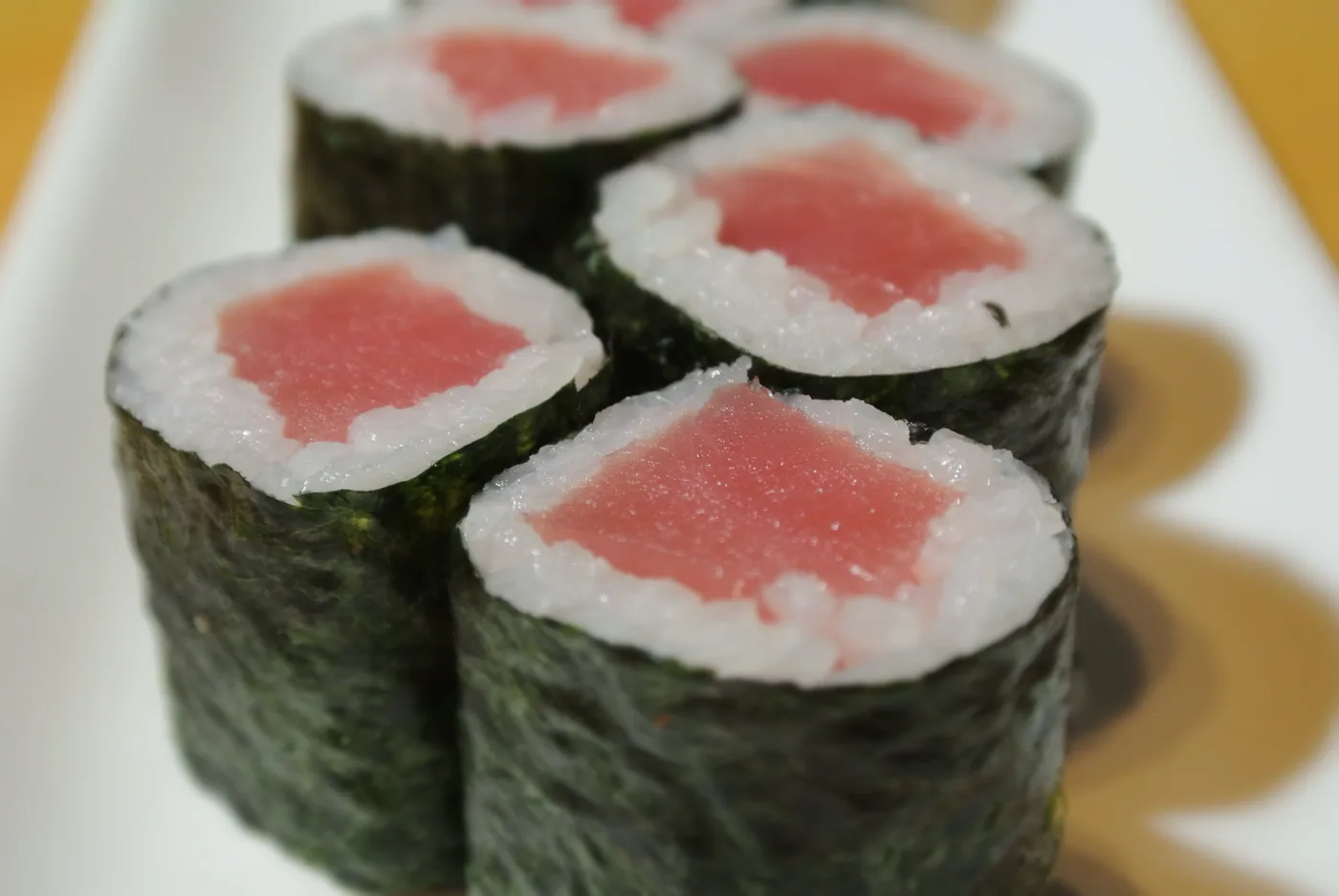
Sashimi is fish and nothing else. Steamed rice is rice. Edamame is soybeans and salt. A plain roll is one filling, rice and nori. Those are the items where a kitchen can give you a confident answer quickly, because there is very little to check.
The further you go into sauced, fried and composite dishes, the more components there are and the longer the answer takes. That is worth knowing when you are deciding what to ask about.
Frequently asked questions
Does soy sauce contain wheat?
Most Japanese soy sauce is brewed from soybeans and wheat together. Tamari is brewed with little or no wheat, but formulations vary and you should check rather than assume.
Is miso soup safe if I avoid fish?
Often not. The dashi it is built on usually contains dried bonito. A kelp-only version exists but you cannot identify it by looking. Ask.
Is imitation crab shellfish?
It is made from fish rather than crustacean, though some products include crab extract for flavour, and it commonly contains wheat and egg. If you are allergic to either fish or shellfish, ask about the specific product.
Can you guarantee a dish is free of an allergen?
No restaurant should say yes to that lightly, and we are not going to say it on a web page. Speak to staff about your specific requirement so it can be handled properly.
Should I call ahead?
For a severe allergy it is worth it. A quiet moment on the phone gets a more careful answer than a busy Friday service does.
The short version
Soy, wheat, fish and sesame are structural rather than occasional, and they arrive through sauces and stocks that dish names never mention. Name the ingredient, say the word allergy, ask about the sauce and the stock, and treat any uncertainty as a no.
The number to call is on the contact page, and the menu is at the menu.