The Journal
Dining Guides
Ordering advice, portions and planning a Japanese meal.
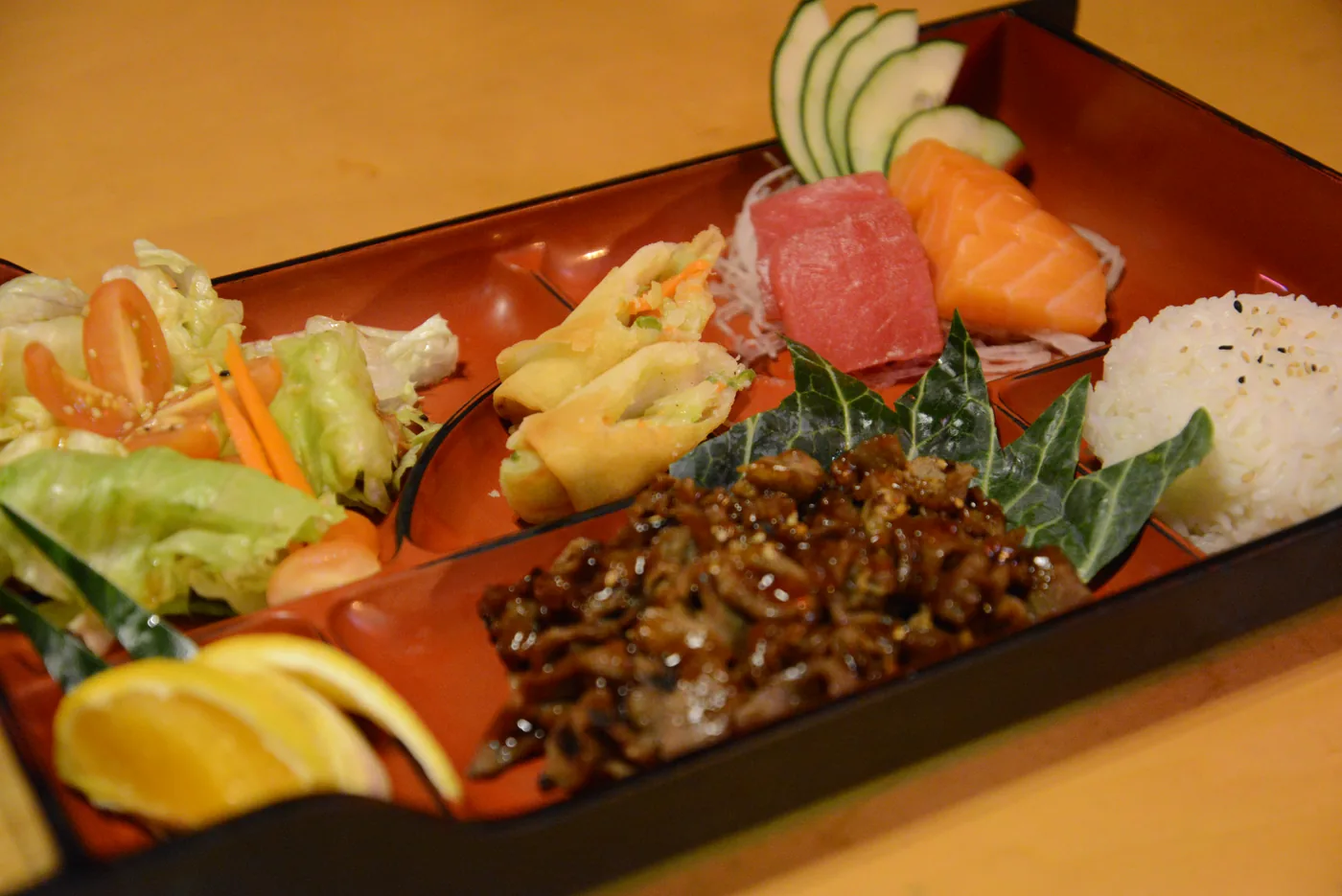
Combos and Plates: Ordering a Whole Meal
À la carte gives you control and hands you the quantity problem. A combo hands back a finished meal, with the sides already decided.
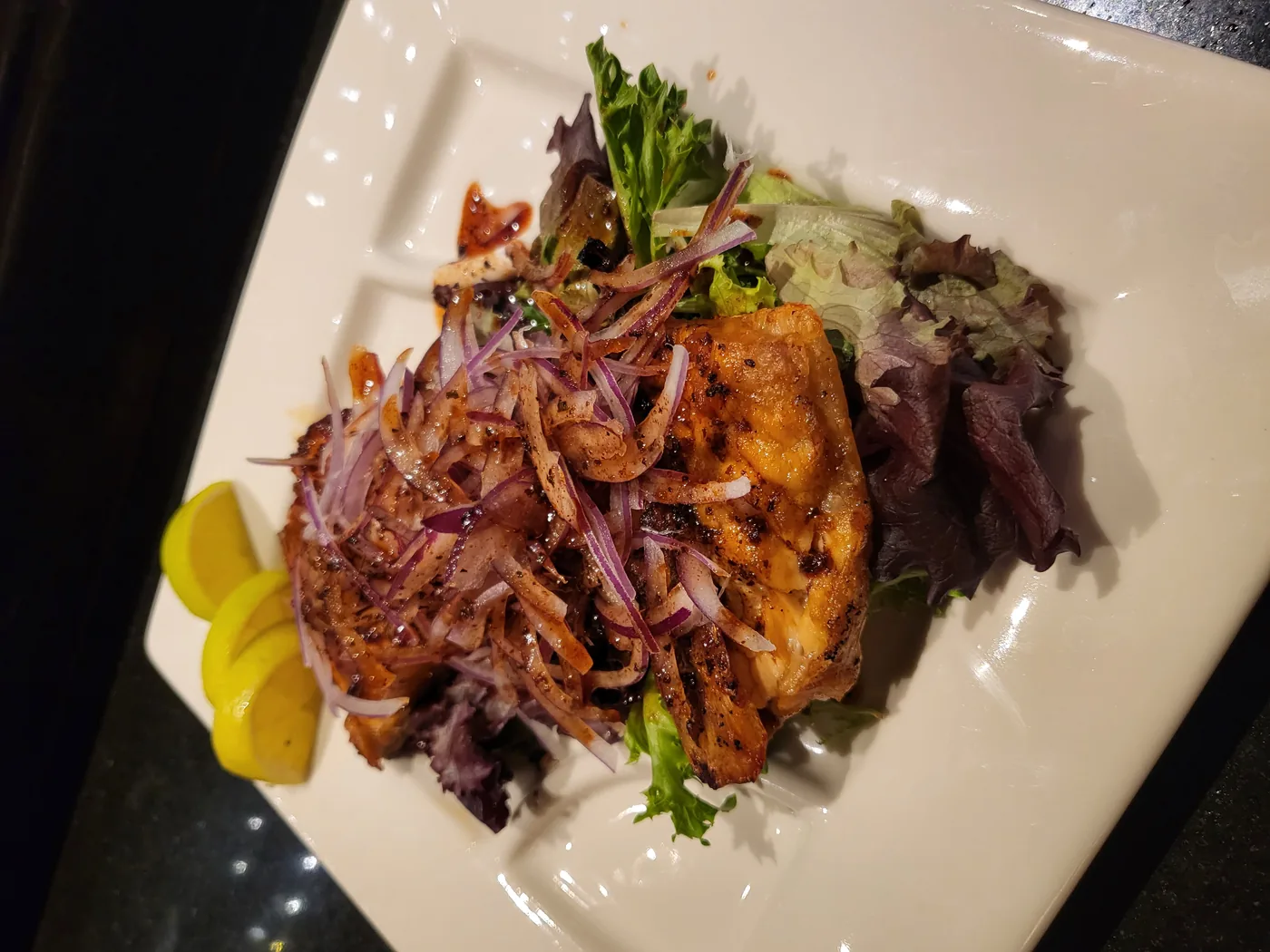
The Collar and the Skin
Two of the best things on a Japanese menu are the parts a Western fishmonger throws away. There are only two collars per fish.
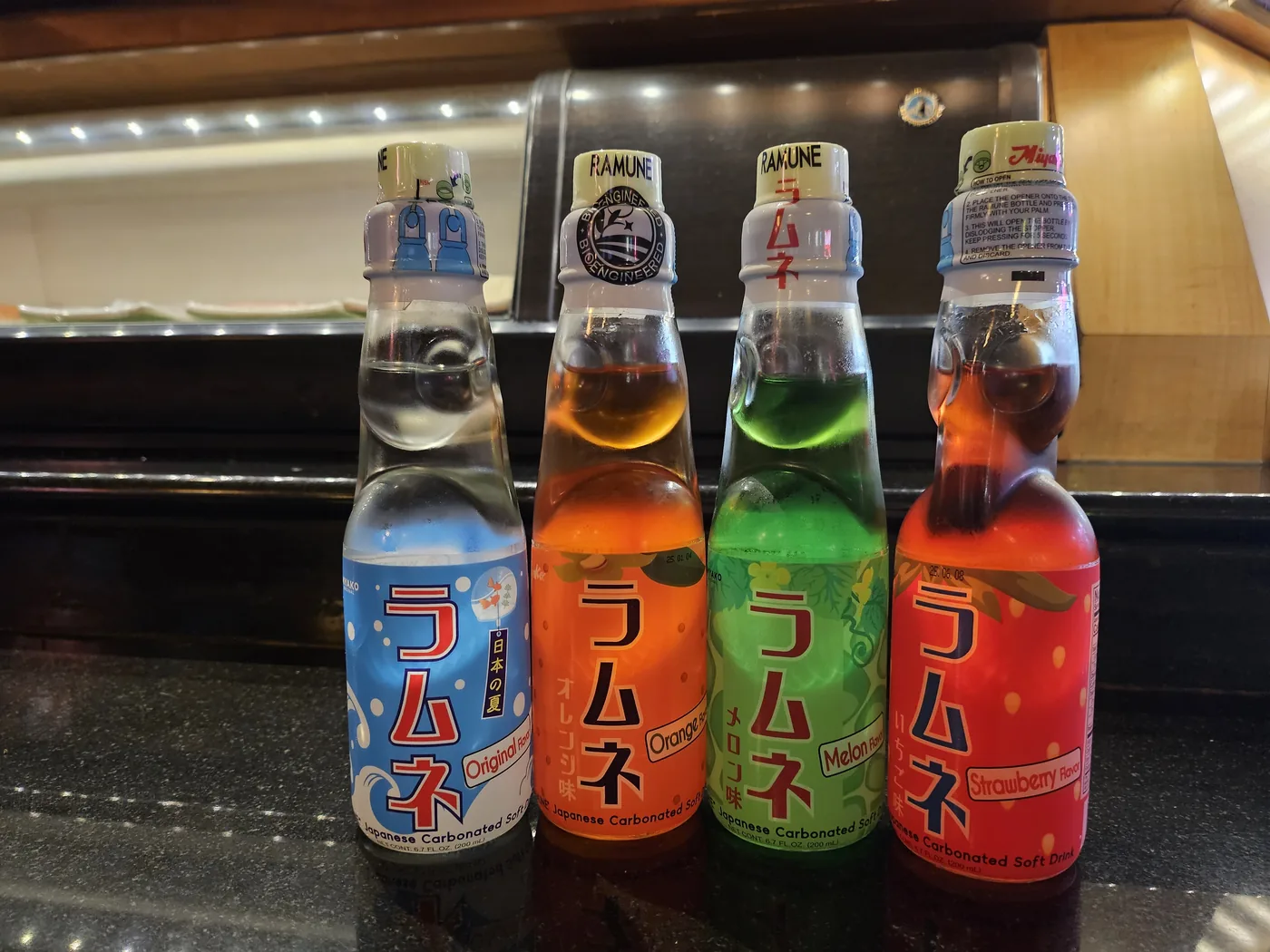
Ramune: The Bottle With a Marble In It
The marble was the bottle cap, patented in 1872 and obsolete by 1900. How to open one properly, and why the bottle outlived the technology.
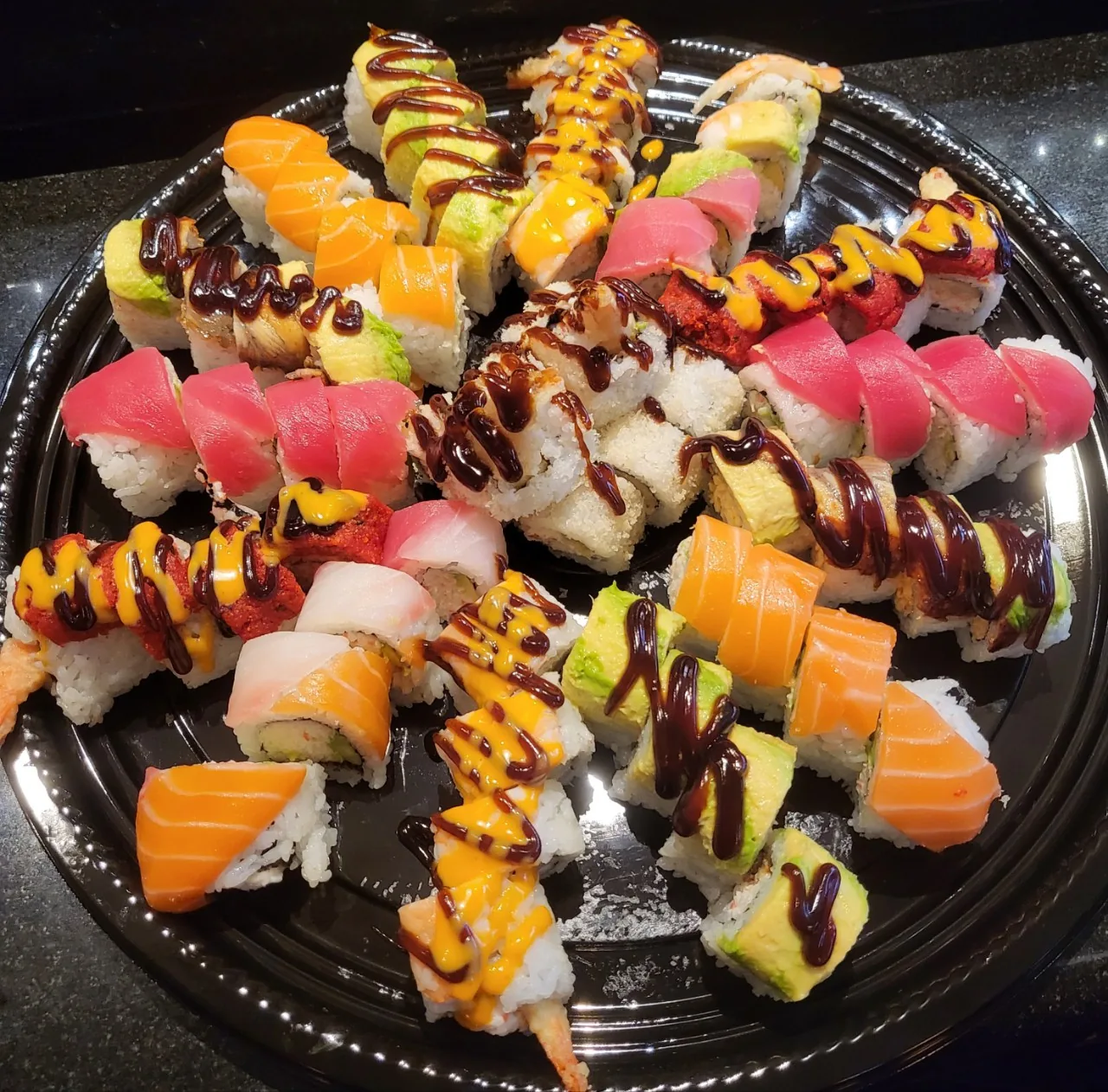
Sushi Party Platters: Which One to Order
Pick the format before the size. Rolls for a standing room, sushi and sashimi for a seated one, and read what is actually on each tray.
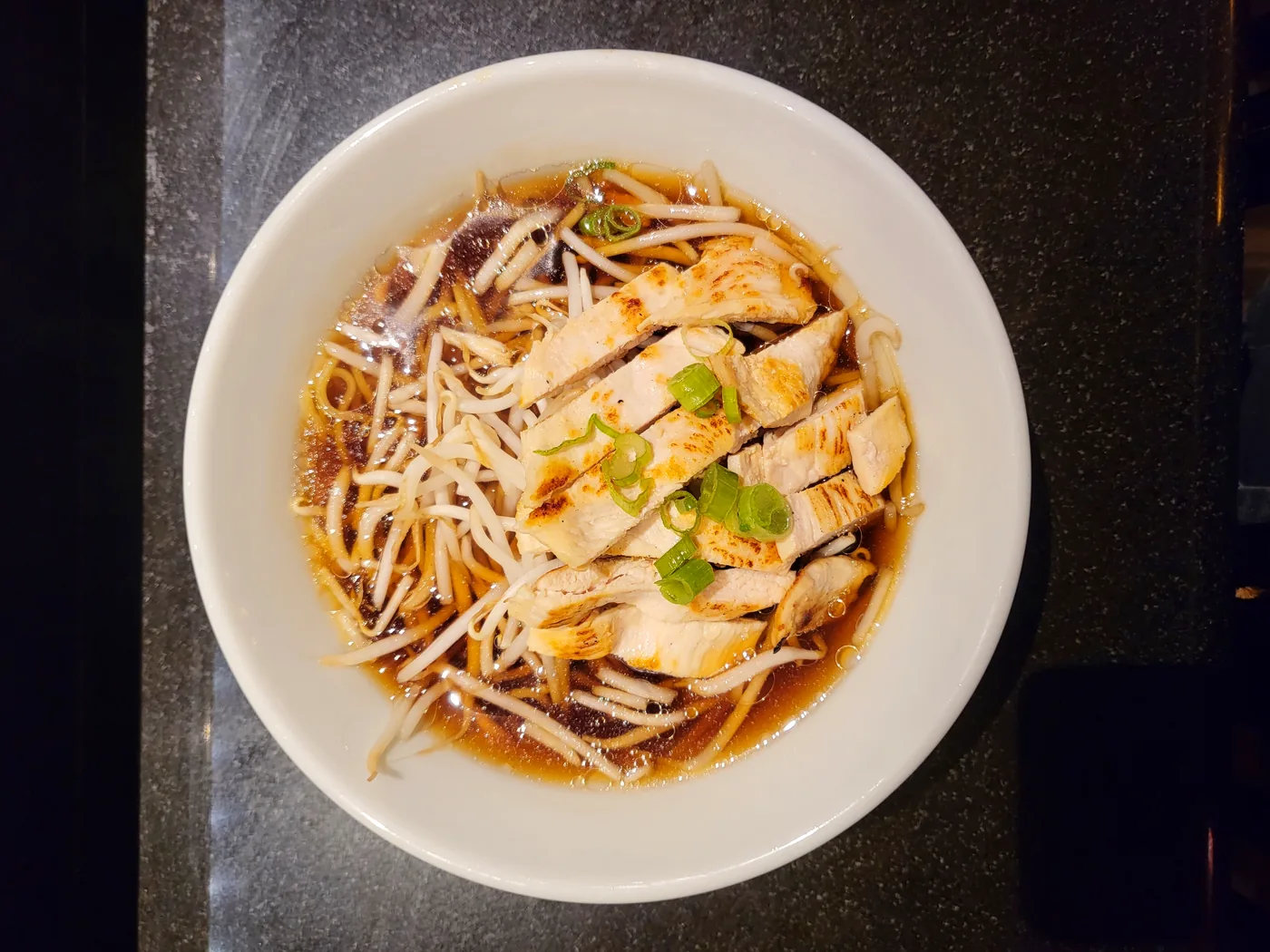
Umami: Why Japanese Food Tastes the Way It Does
The fifth basic taste, named in Tokyo in 1908. Three compounds, why they multiply rather than add, and why so much of the pantry is dried.
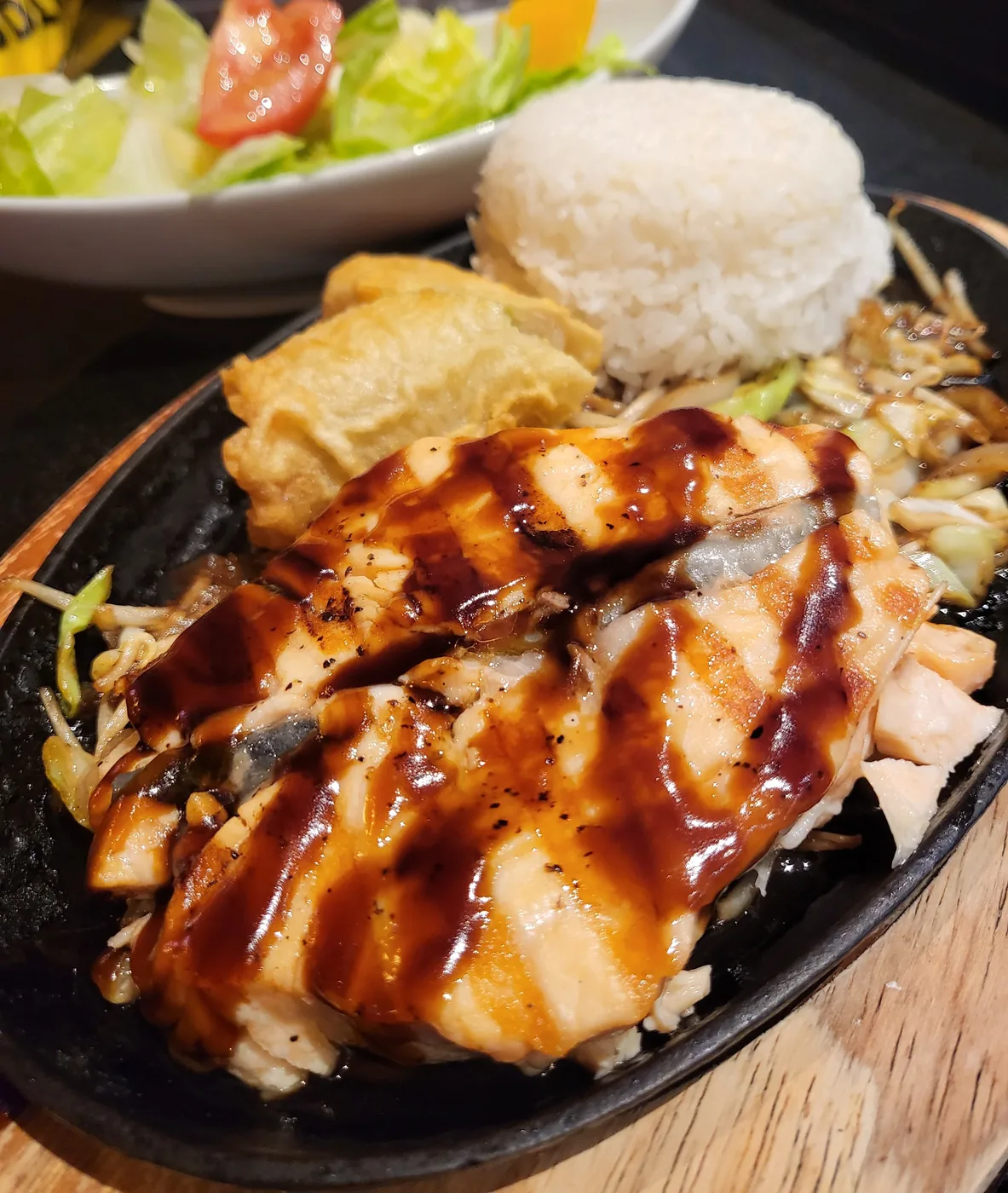
Teriyaki Is a Method, Not a Sauce
Teri is shine and yaki is grilled. What is in the glaze, why it goes on at the end, and what you are really ordering when you order a plate.
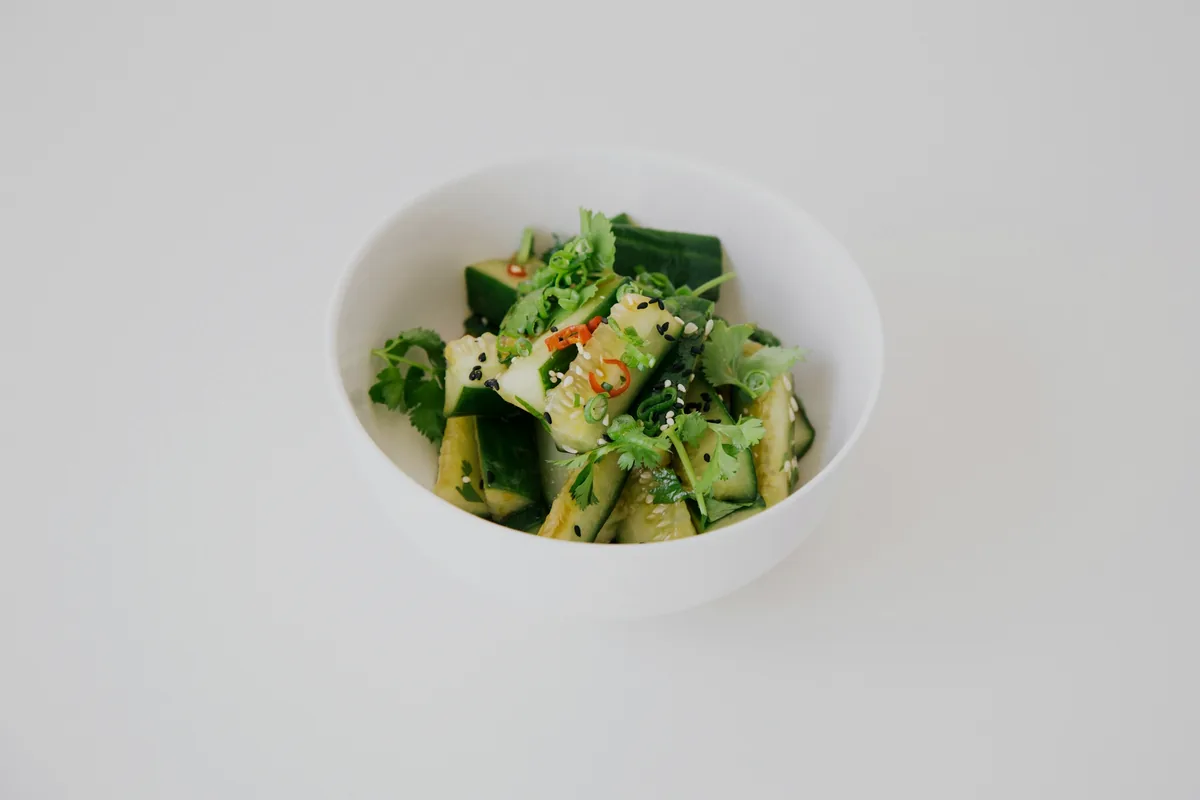
The Cold Side of a Japanese Menu
The least-ordered part of the menu and the part that does most for the rest of the table. Three salads, and why one cold dish per two rich ones.
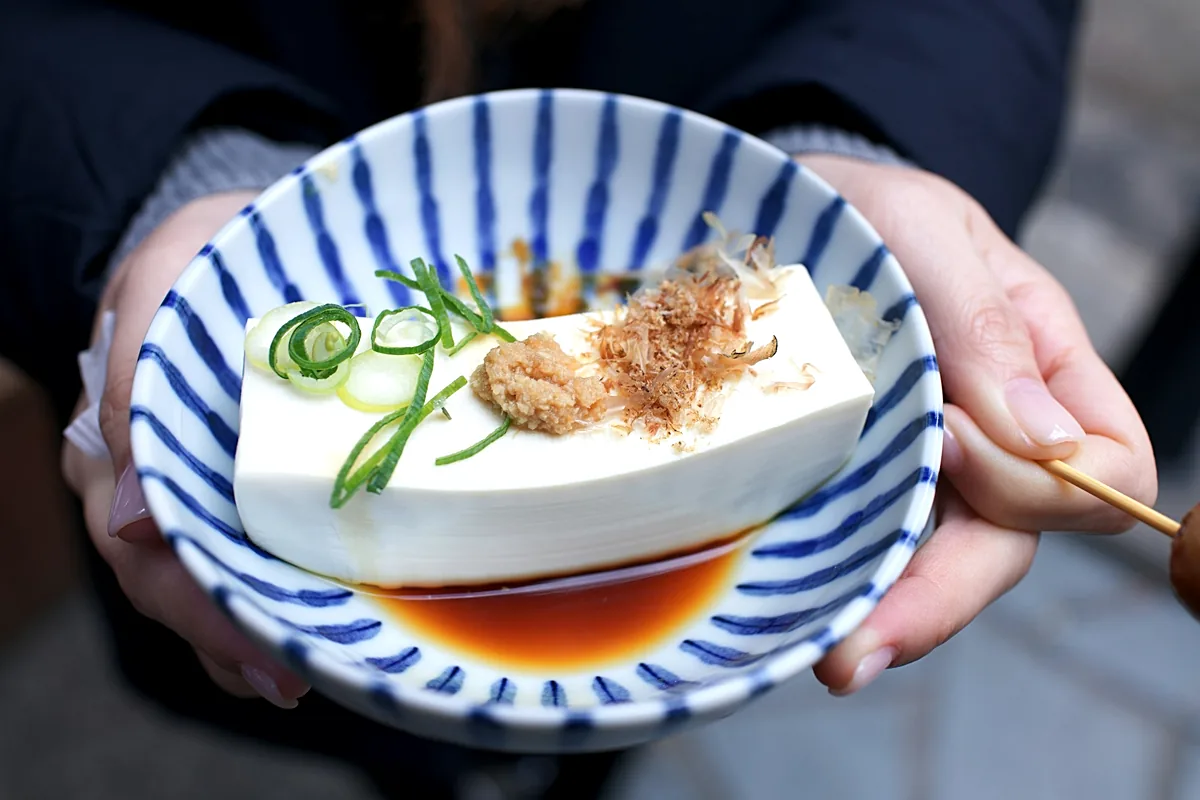
Tofu on a Japanese Menu
Silken and firm are the same curd at different pressures. Where each one turns up, why agedashi is the one to order, and what to ask about.
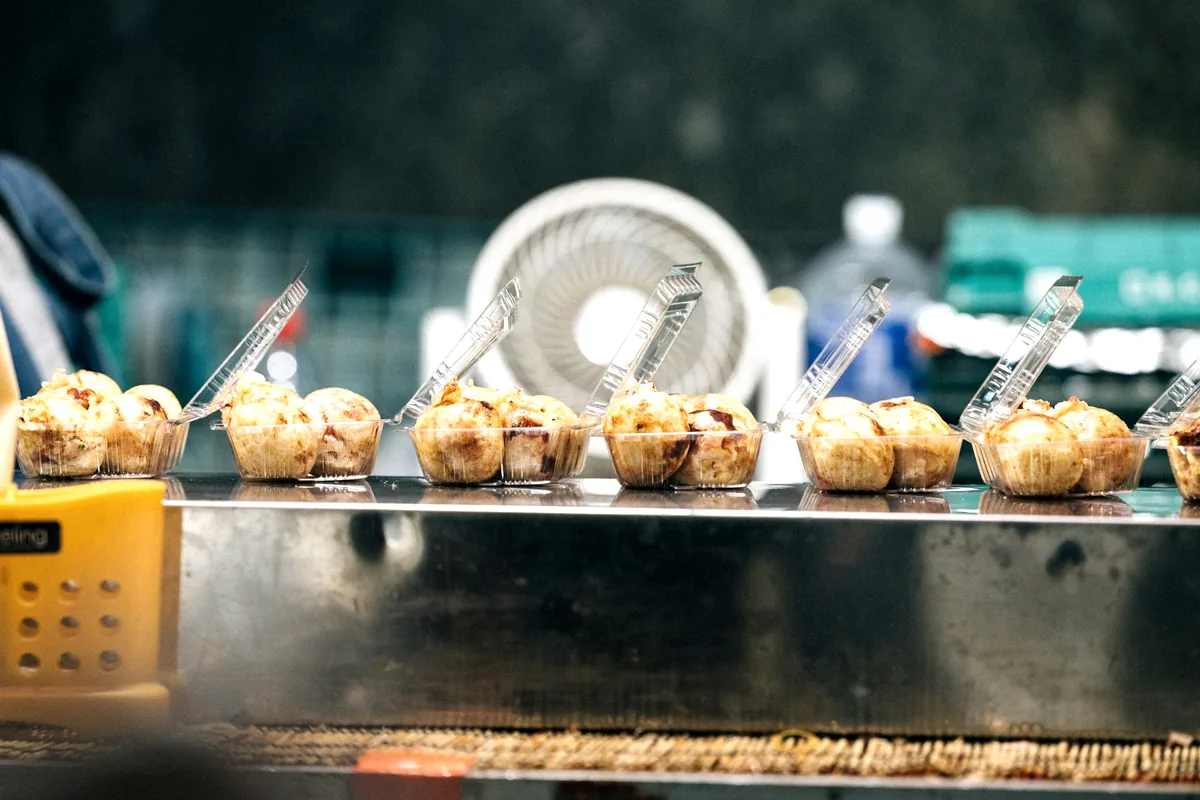
Takoyaki: The Ball With a Liquid Centre
Octopus in a thin dashi batter, turned in a moulded pan until it has a shell and a molten middle. Why the flakes move, and why you should wait.
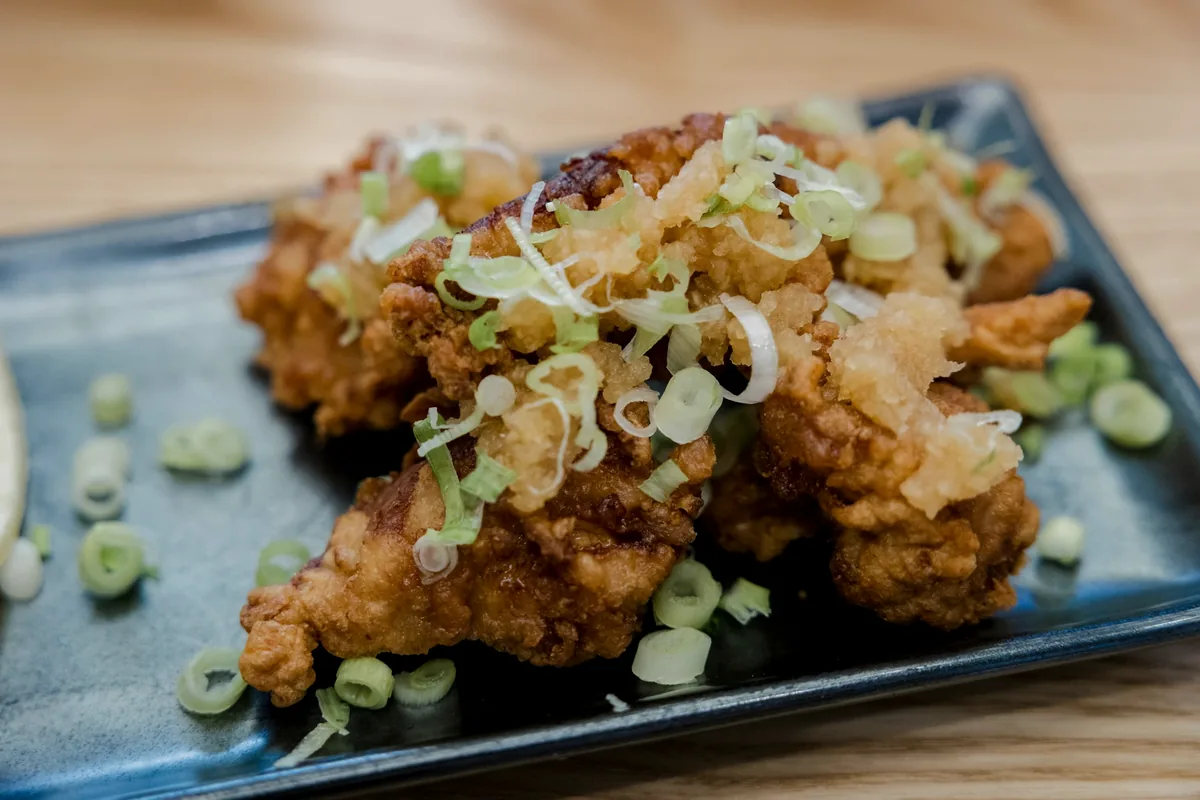
Karaage, Katsu and Popcorn Chicken
Three fried chicken dishes on one menu. The differences are in the coating and the cut, and only one of them is a plate.