The Journal
Sushi & Rolls
Sushi, sashimi, nigiri and specialty rolls explained.
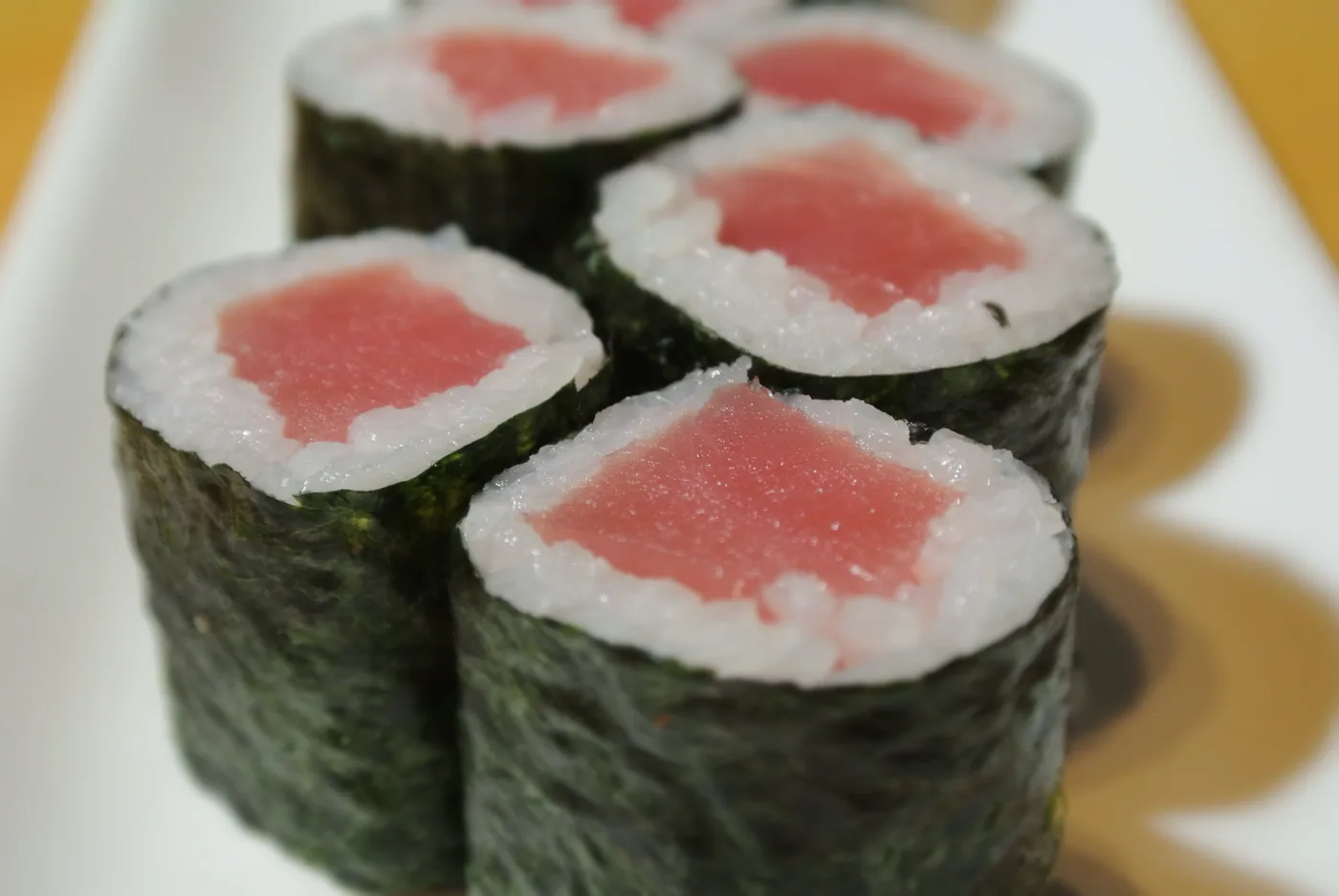
The Basic Rolls: The Part Nobody Reads
One filling, rice and seaweed. The only place on the menu where you can taste a single fish clearly, or judge the rice.
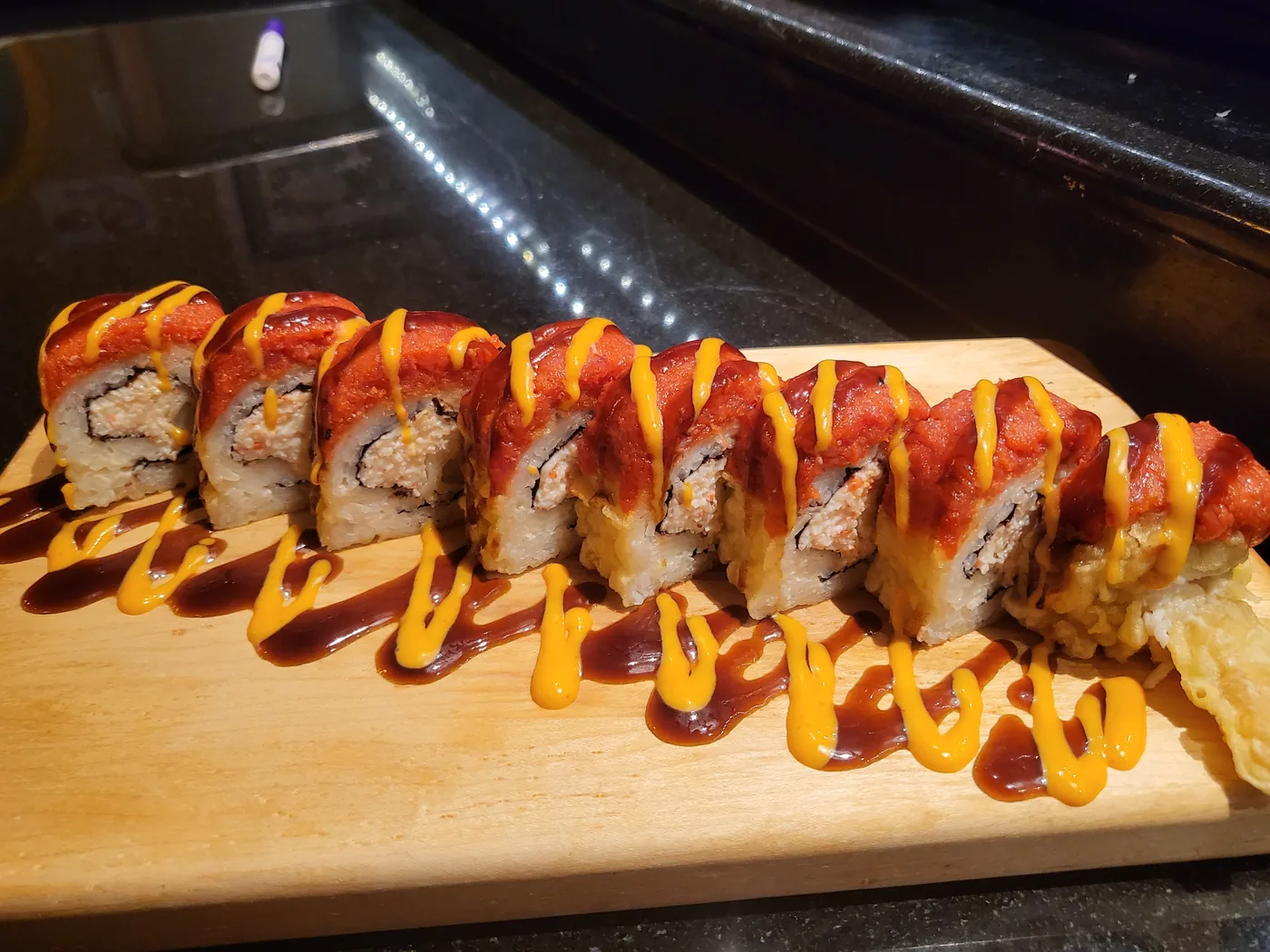
Alaskan, Philadelphia, 71 Freeway
Place names on a roll list are handles, not descriptions. Three of our rolls are the same roll with different fish on top.
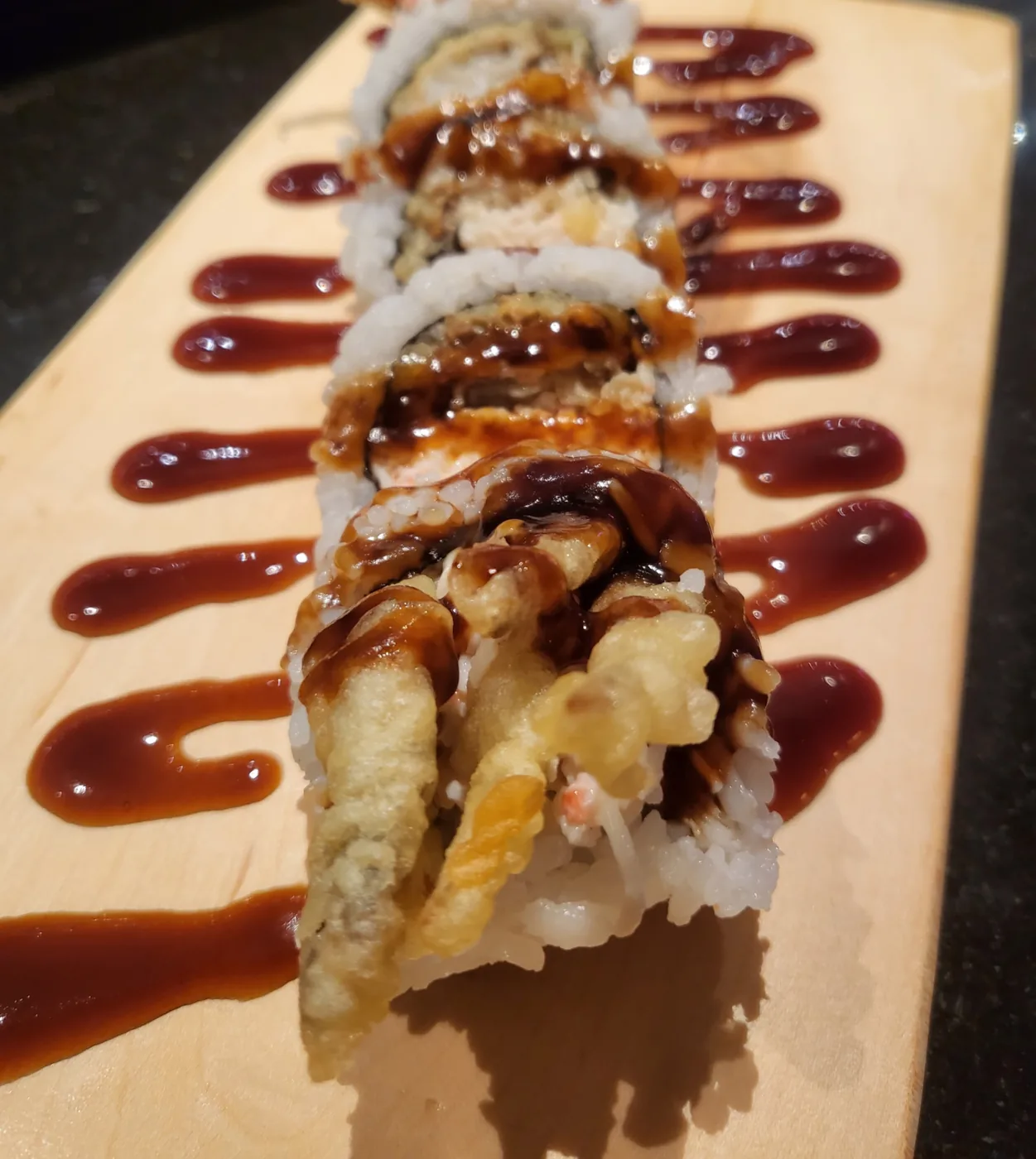
Soft Shell Crab and the Spider Roll
Not a species but a stage. A crab caught in the hours after it sheds its shell, fried whole, legs and all — and why it is called a spider.
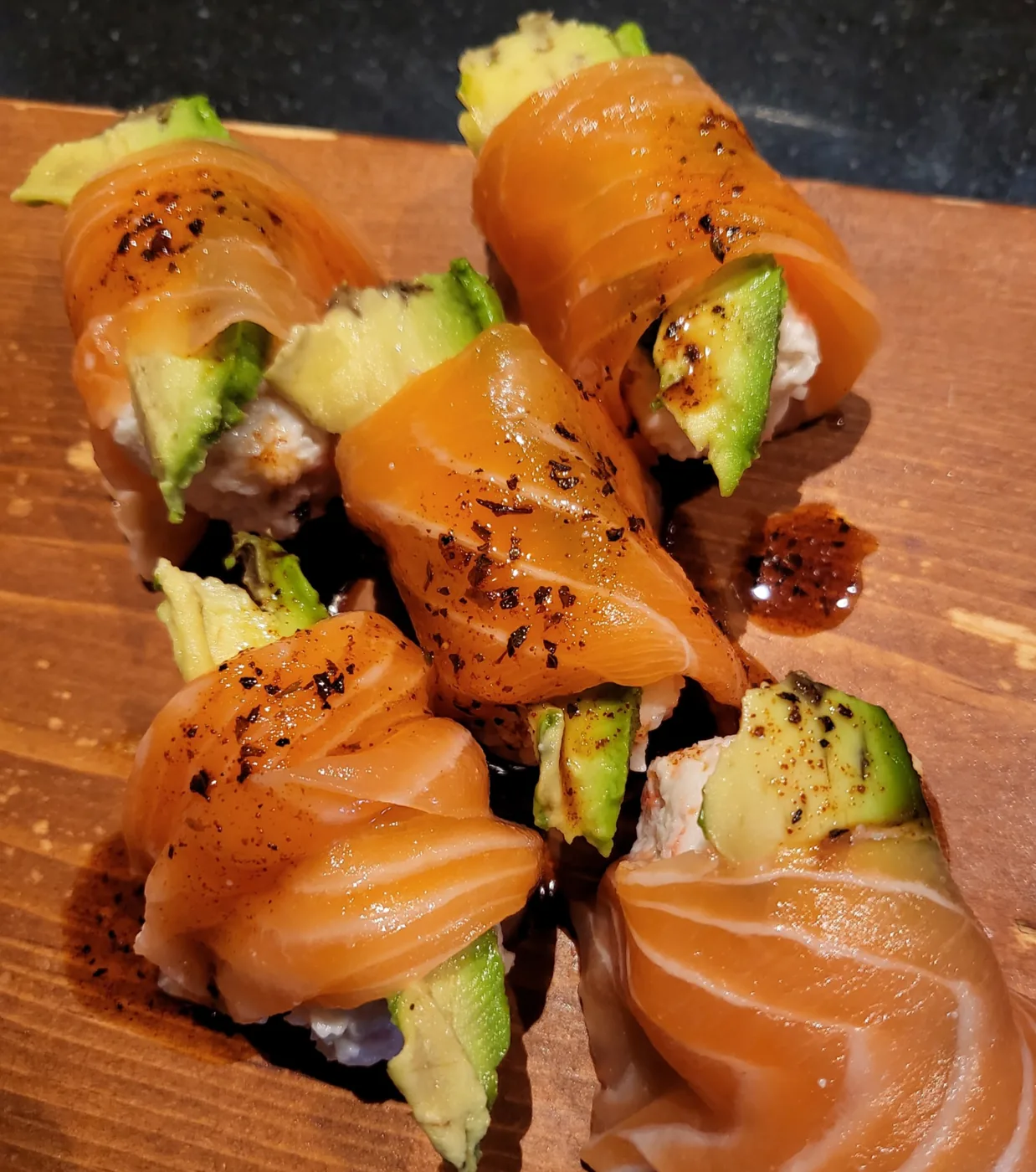
Sushi Without Rice: The No-Rice Rolls
A few rolls are built with no rice at all, and the fish becomes the wrapper. Why they come in fewer pieces and why they are not lighter.
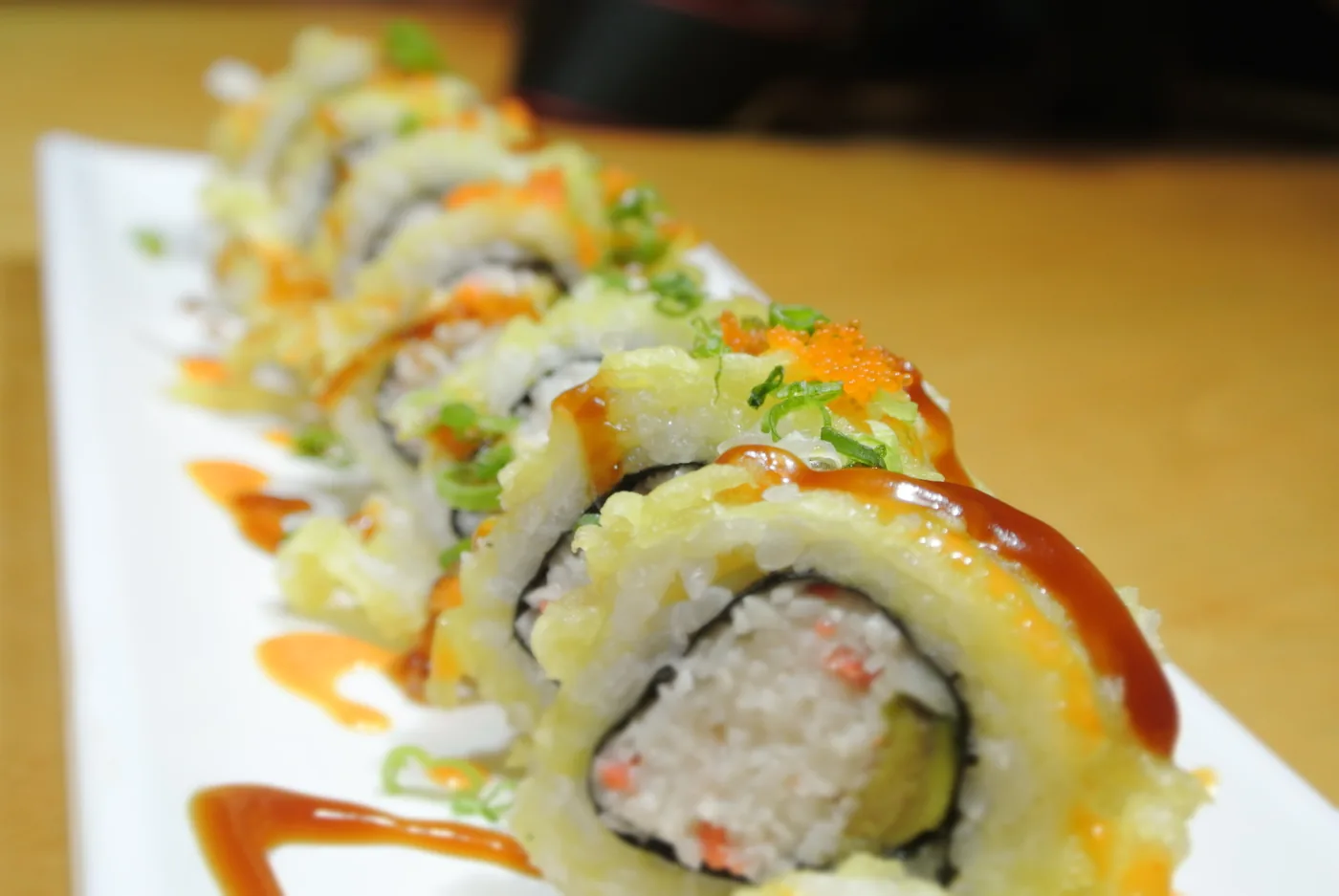
The Fryer and the Sushi Roll
Golden usually means the whole roll went in the oil. But the fryer reaches a roll in three places, and the names do not always separate them.
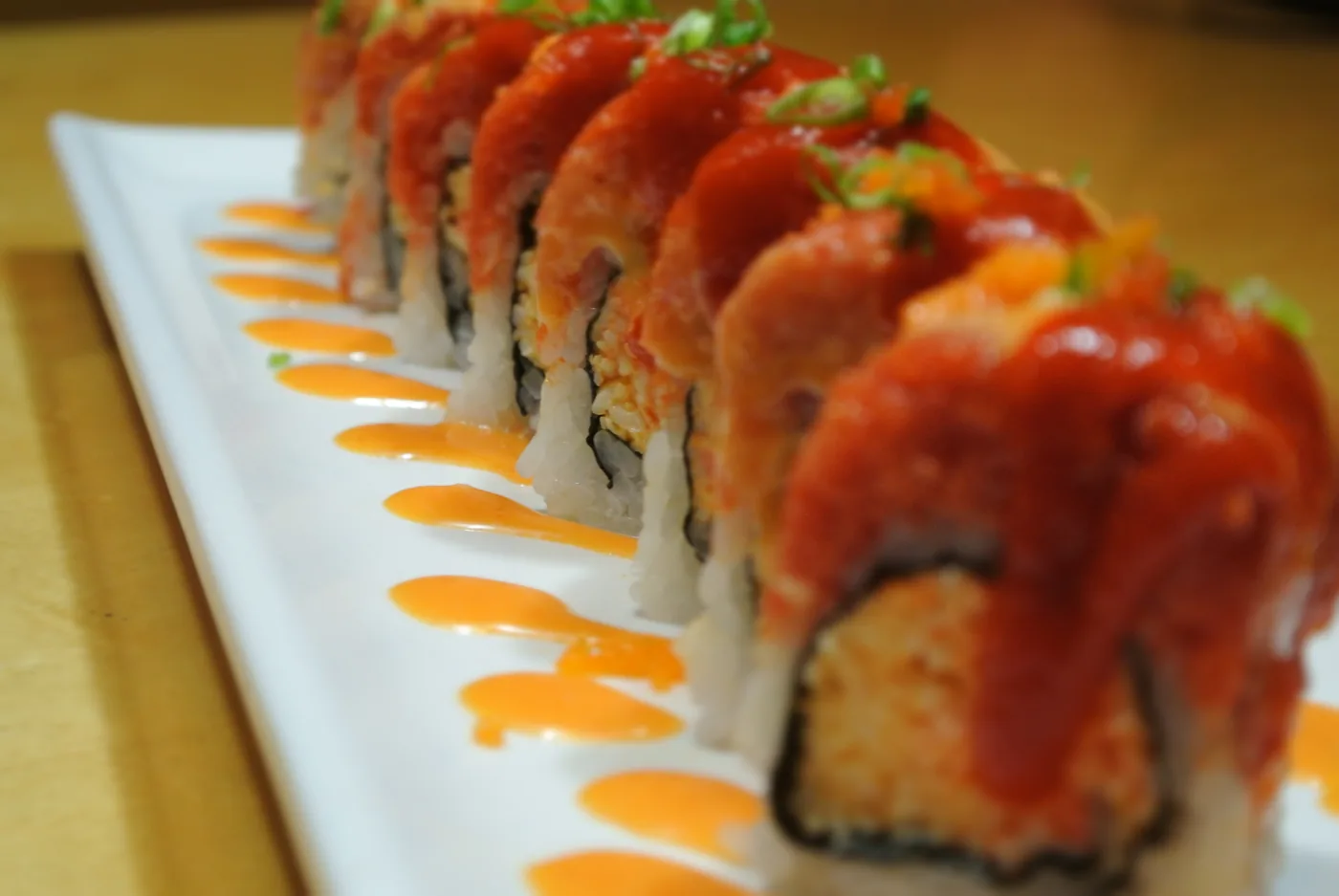
Spicy on a Japanese Menu: What It Actually Means
Spicy tuna is a preparation, not a heat rating: chopped fish in a creamy chilli dressing. Four kinds of heat, and which one you want.
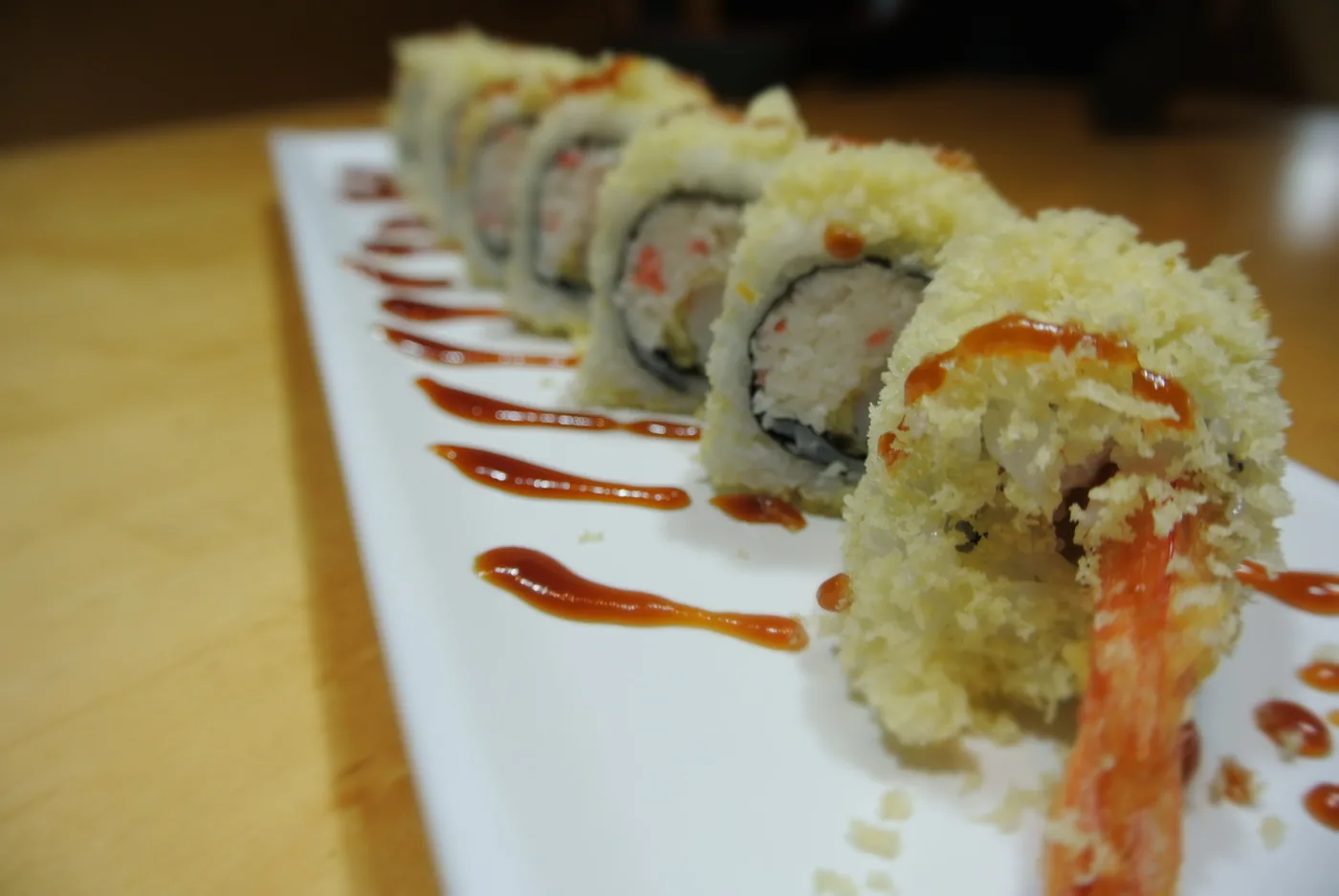
What “Crunch” Means on a Sushi Menu
Usually fried tempura batter, sometimes fried garlic, sometimes fried onion. The word in front of it is the part to read.
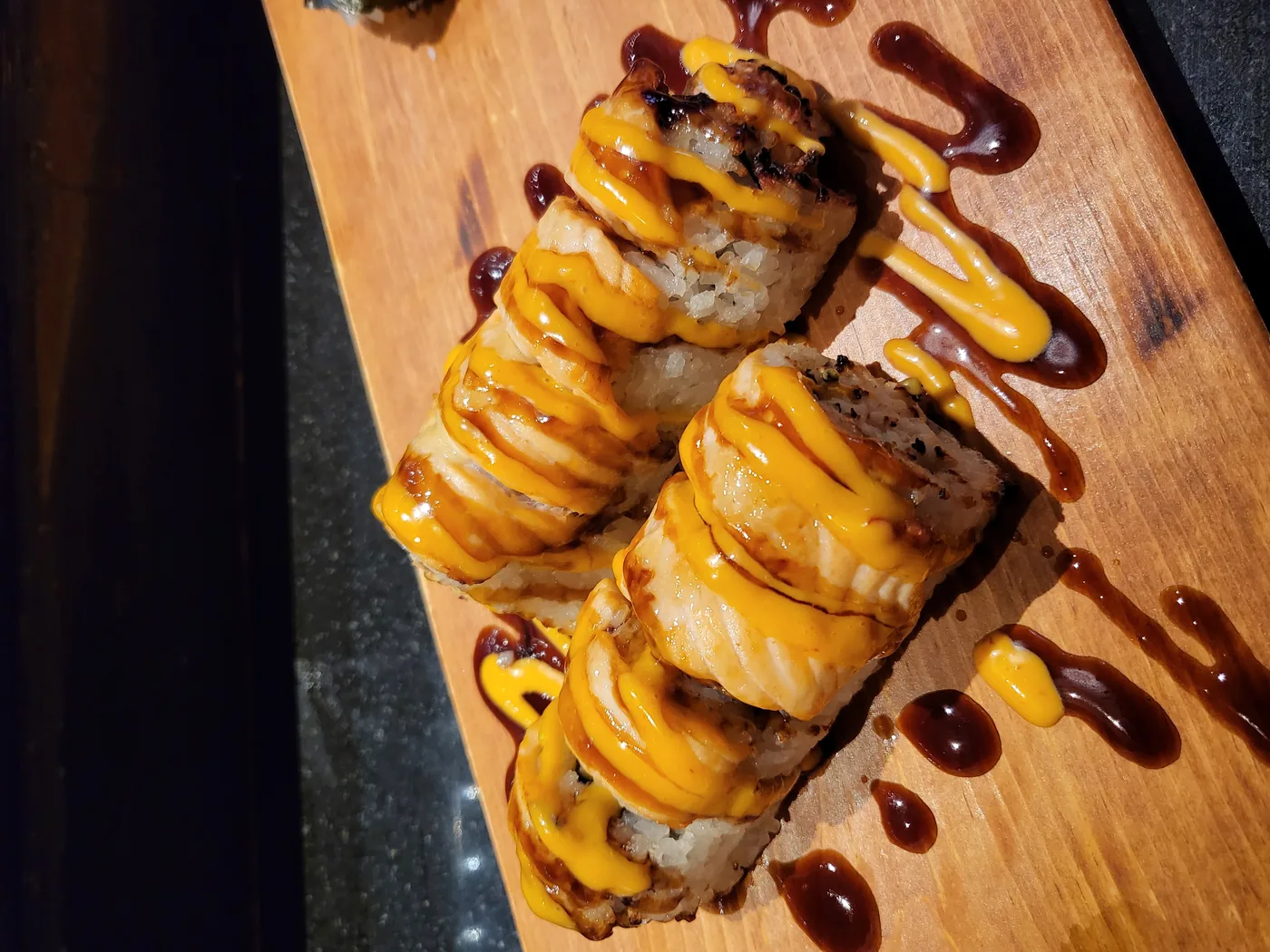
Baked Rolls: The Warm Corner of a Sushi Menu
A finished roll with a soft topping browned on top of it, almost always over a California roll. Why the heat changes everything.
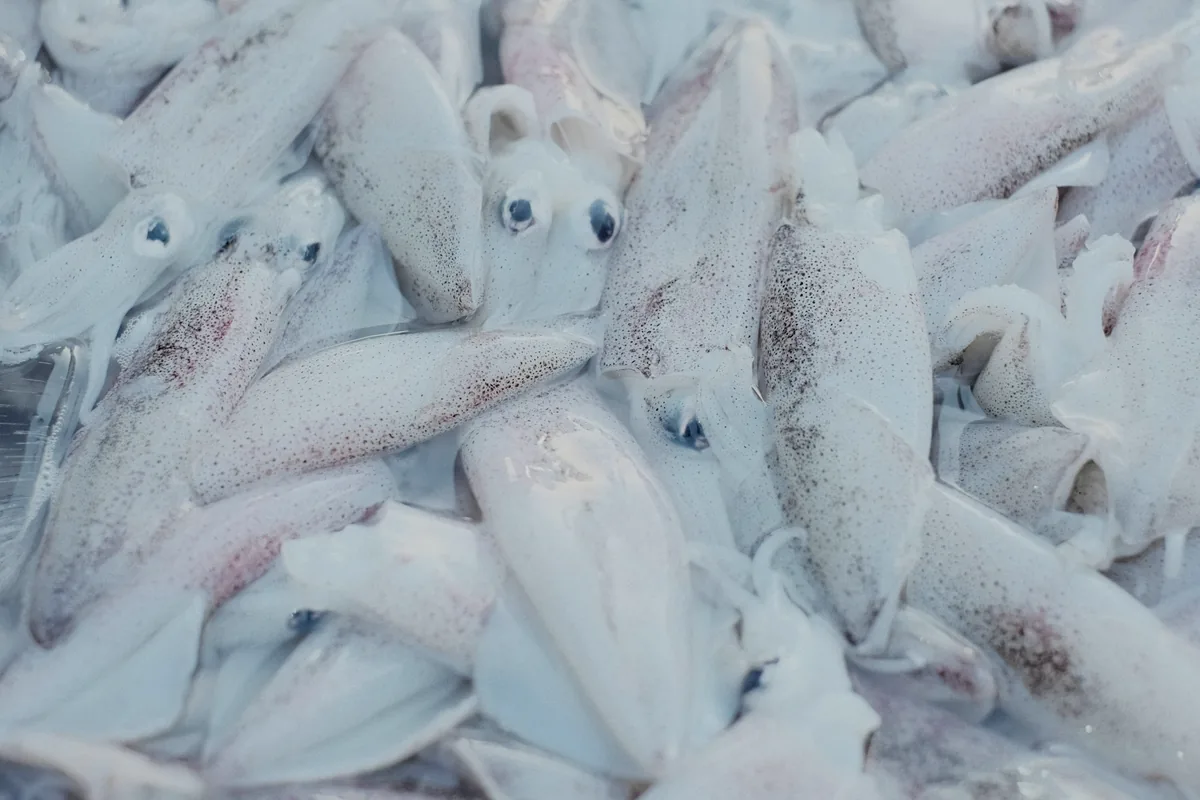
Squid and Octopus: Ika and Tako
Calamari is squid. Octopus is always cooked. Both want either seconds or hours of heat and nothing in between, which explains every rubbery ring.
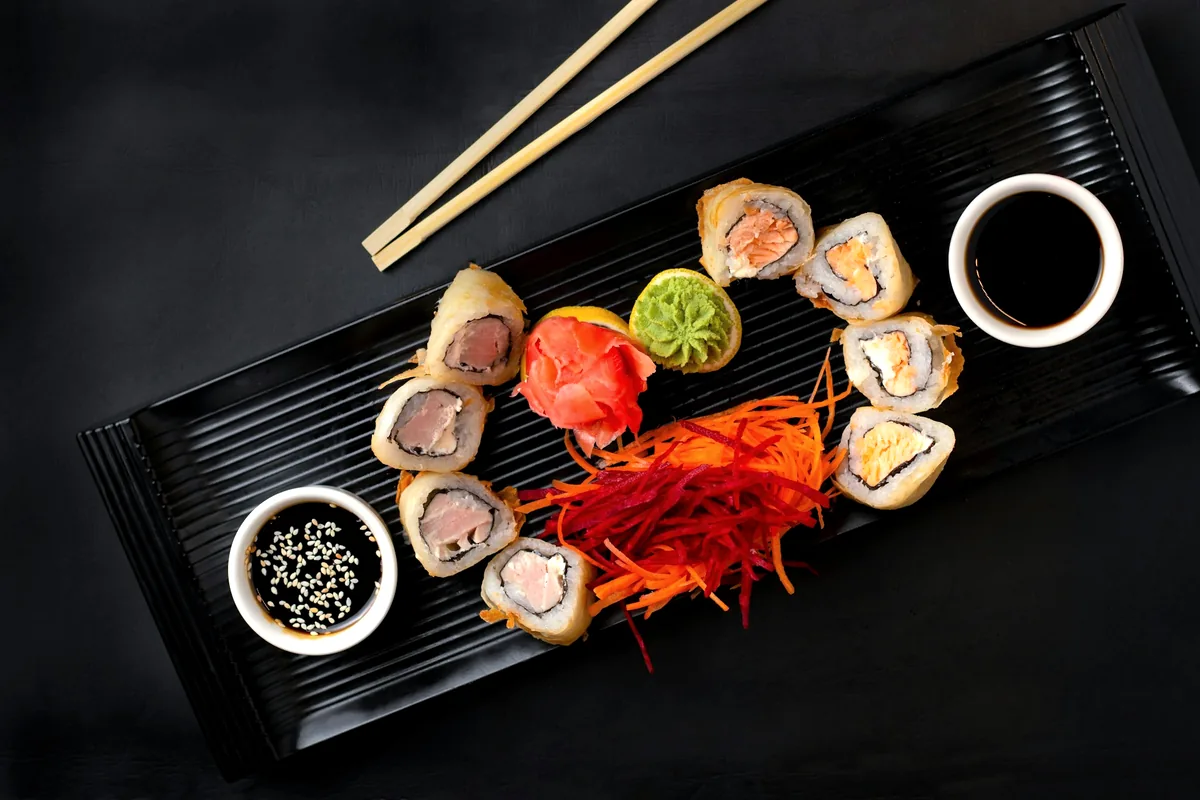
Pickled Ginger: What Gari Is For
Thin-sliced young ginger in sweetened vinegar, meant for the gap between one piece of fish and the next. Why some is pink and some is not.