The short answer
À la carteyou build the meal
A combothe meal is already built
Most people order rolls and hope the quantity works out. The combo section removes that problem, and almost nobody looks at it.
There is a small section near the top of the menu that people skip on their way to the rolls. It is the part that answers the question they are actually struggling with: how much is enough.
01 — Two ways to orderBuilding versus choosing
Every Japanese menu offers the same two routes through it, and they suit completely different situations.
À la carte is the route most people take. You pick rolls, maybe an appetiser, maybe a soup, and you assemble a meal out of parts. It gives you complete control and it puts the quantity problem entirely on you — which is why so many tables end up with either four rolls and nothing else, or twice as much food as they wanted.
A combo or a plate hands you a finished meal. A main item, and the things that go around it, decided by the kitchen. You give up some control and you get back the guesswork.
Neither is better. But if you have ever left a sushi restaurant feeling like you ate a lot of rice and not much of a meal, the combo section is the fix.
What our combo section contains
Four entries, in two pairs, and they work differently from each other.
| Entry | What the menu says |
|---|---|
| 2 Rolls Special | No description listed |
| 3 Rolls Special | No description listed |
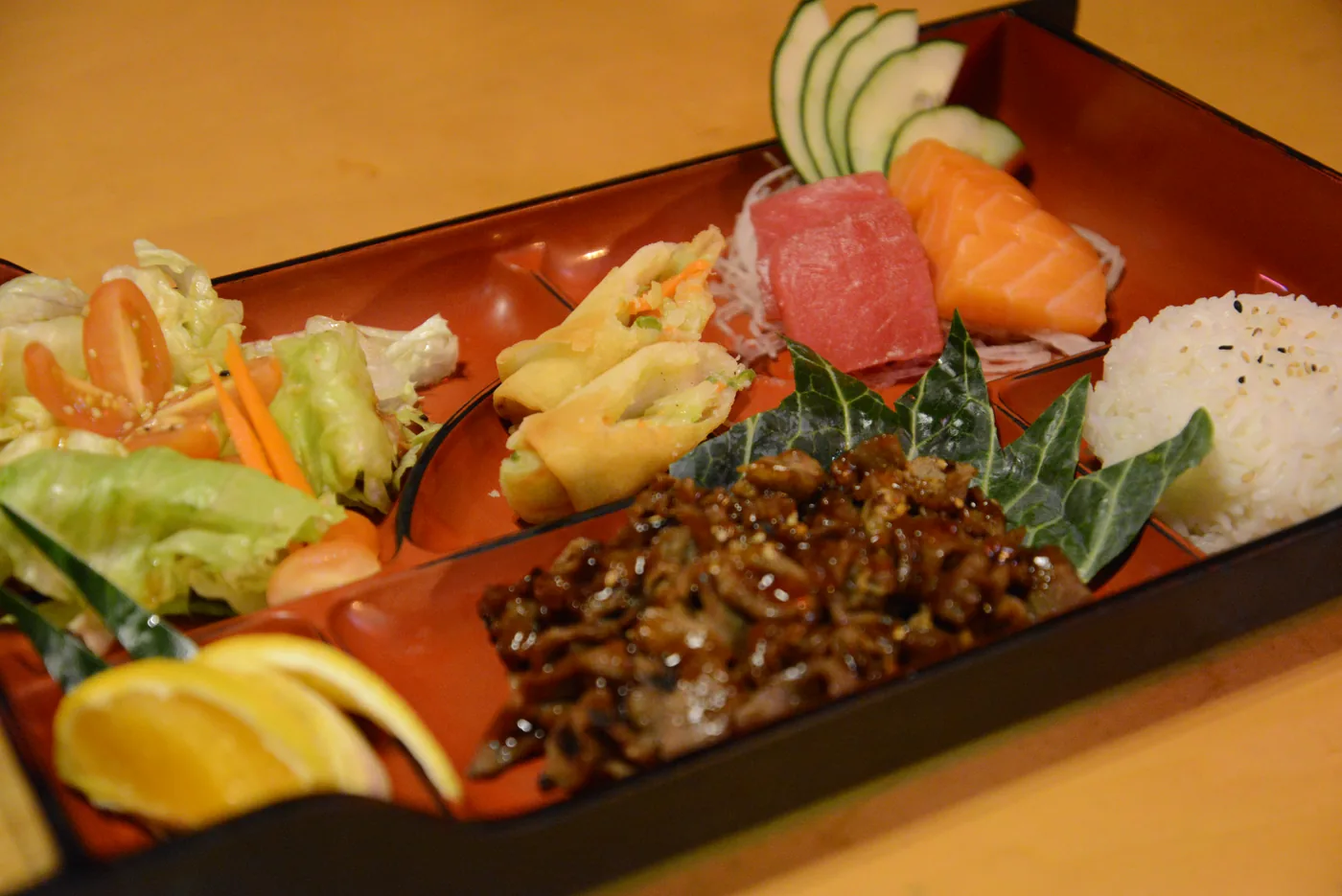
| Bento Box Combo (any 2 items) | Served with salad, miso soup, steamed rice |
| Bento Box Combo (any 3 items) | Served with salad, miso soup, steamed rice |
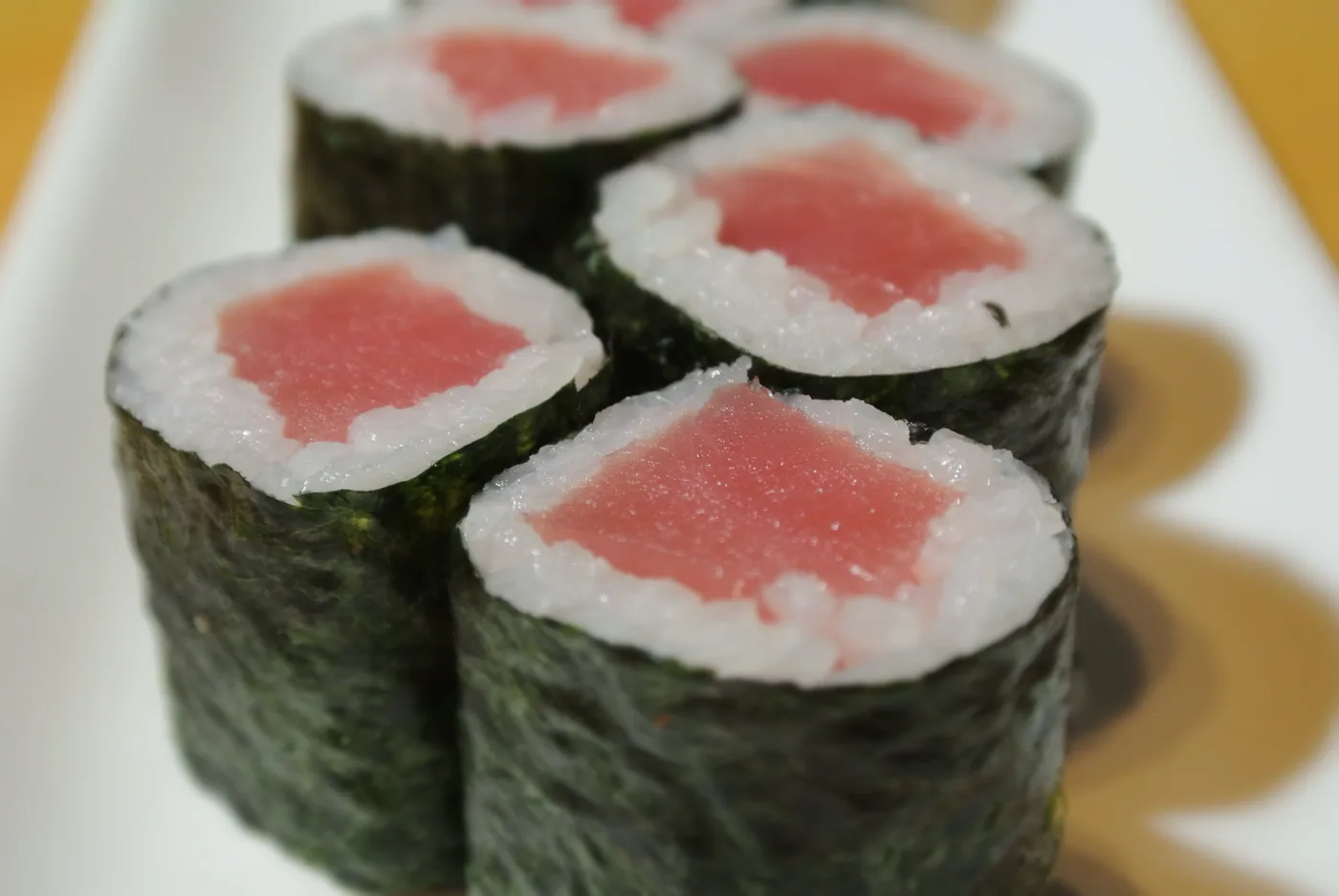
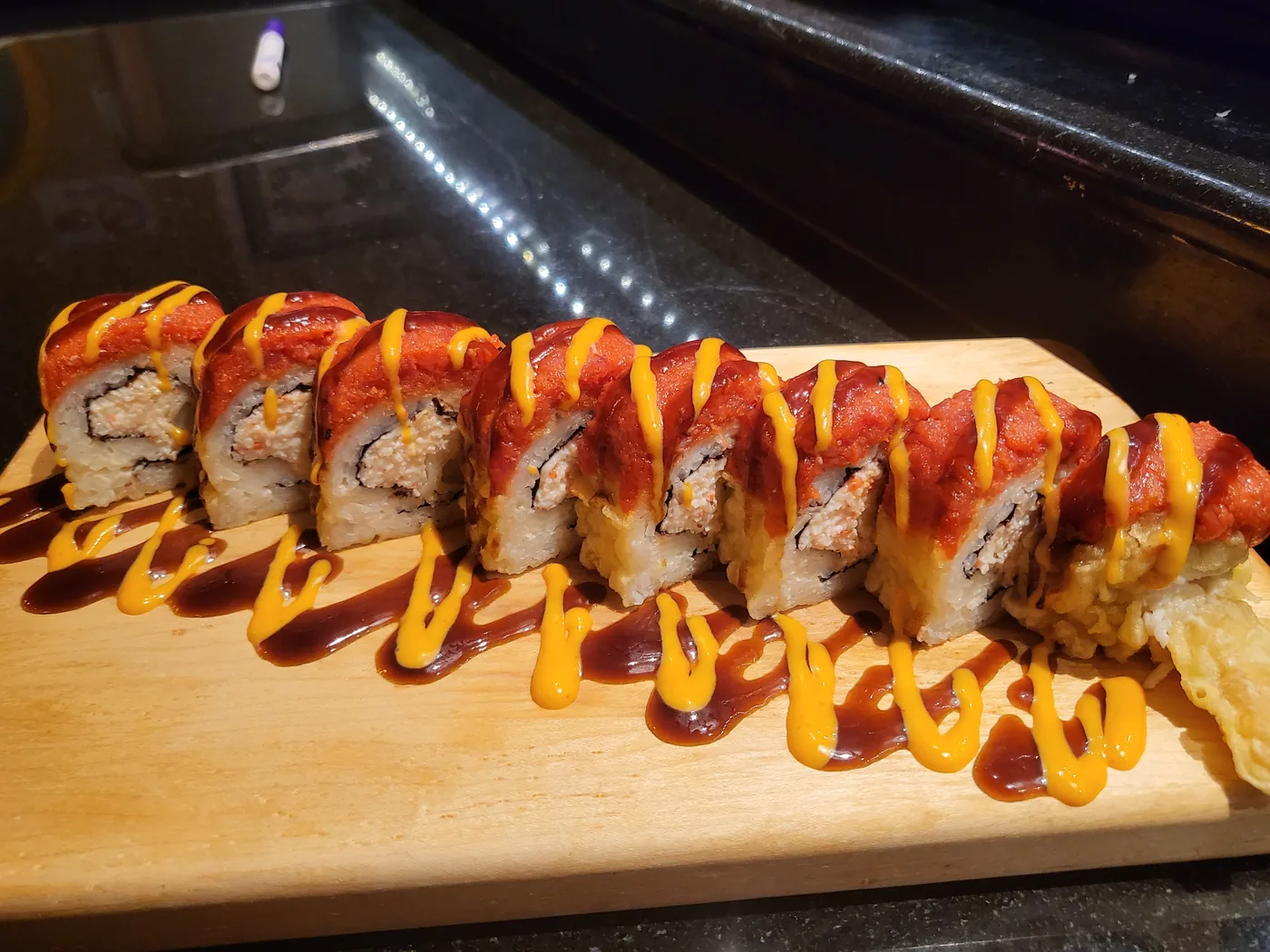
The rolls specials are a straight quantity choice: two rolls or three. The bento combos are a different shape — you pick two or three items and they arrive with a salad, a miso soup and steamed rice around them.
Worth being straightforward about one thing: the menu does not spell out which rolls the specials cover, or which items you can choose in a bento combo. That is a question for your server rather than something to guess at, and it is a completely normal thing to ask.
02 — What the sides are doingSalad, soup, rice — and why that trio
The same three accompaniments appear on the bento combos and on most of the teriyaki plates, and the combination is not arbitrary.
It is a compressed version of the traditional Japanese meal structure: soup, rice, a main, and something pickled or fresh alongside. Each one covers a gap the others leave. Rice is the neutral bulk that everything else is seasoned against. Soup is warm liquid, which changes a plate of food into a meal. Salad is the cold, sharp element that stops the whole thing being uniformly soft and savoury.
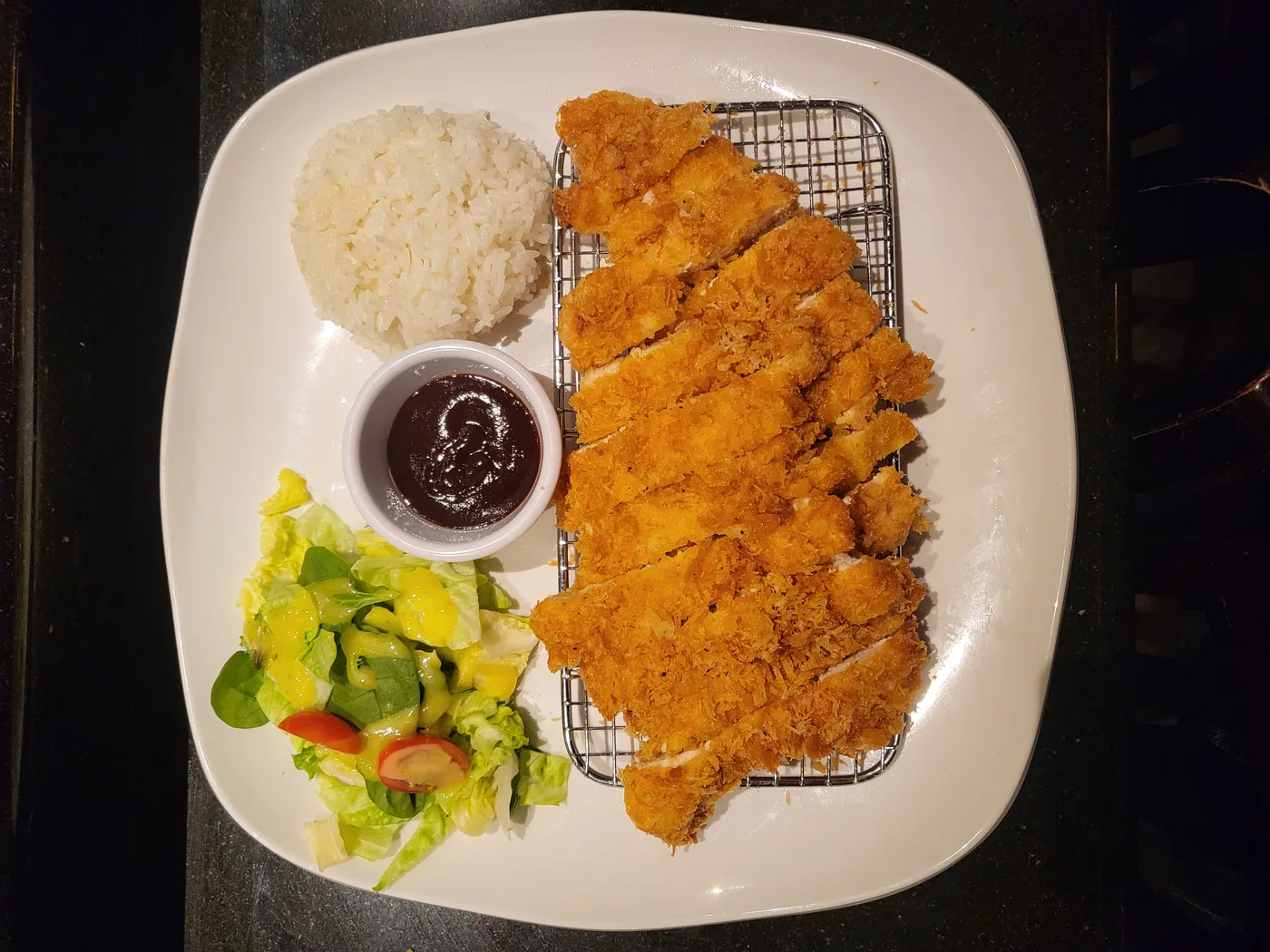
You can see the logic most clearly by removing one. A katsu cutlet with rice and no salad is heavy in a way the same plate with greens is not — and that is the whole argument of the cold side of the menu, arriving on the plate automatically.
Steamed rice is not sushi rice
A small point that catches people out when a plate arrives.
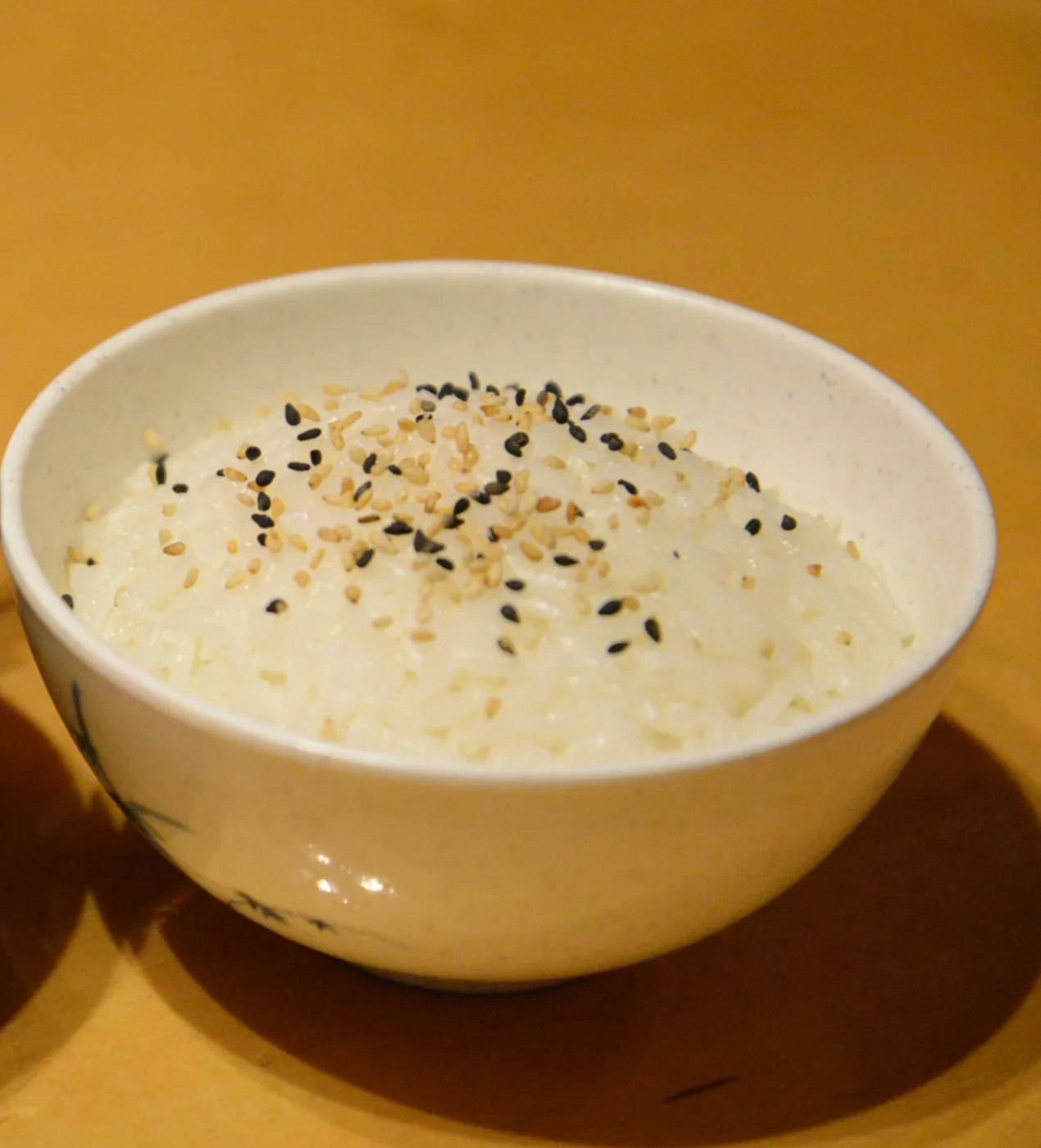
The rice beside a katsu or teriyaki plate is plain steamed rice. Sushi rice is the same grain seasoned after cooking with vinegar, sugar and salt, which makes it tangy, slightly sweet and sticky enough to hold a roll together.
Steamed rice is deliberately unseasoned, because it is working as a neutral base against a glazed or sauced main. Season it and you would have two competing flavours on one plate. More on the seasoned version in the rice that makes it sushi.
03 — Which route to takeMatch it to the table
- Eating alone. A plate or a combo, every time. Ordering rolls for one is the hardest quantity judgement on the menu — see eating alone at a sushi bar.
- A quick lunch with a fixed end time. A combo. It arrives together instead of in stages, which matters when you have forty minutes.
- Two people who want to try things. (There is a fuller plan in dinner for two.) À la carte, and share everything. This is where the specialty list earns its place.
- Someone at the table is not sure about sushi. A combo for them, rolls for everyone else. Nobody has to compromise.
- A group. A mix, or a platter — see which platter to order.
The pattern underneath all of those: combos suit constraints, and à la carte suits curiosity. When time, appetite or uncertainty is the binding factor, let the kitchen decide the shape of the meal.
Building a bento combo well
If you do go the combo route and get to pick two or three items, there is one principle that makes the difference.
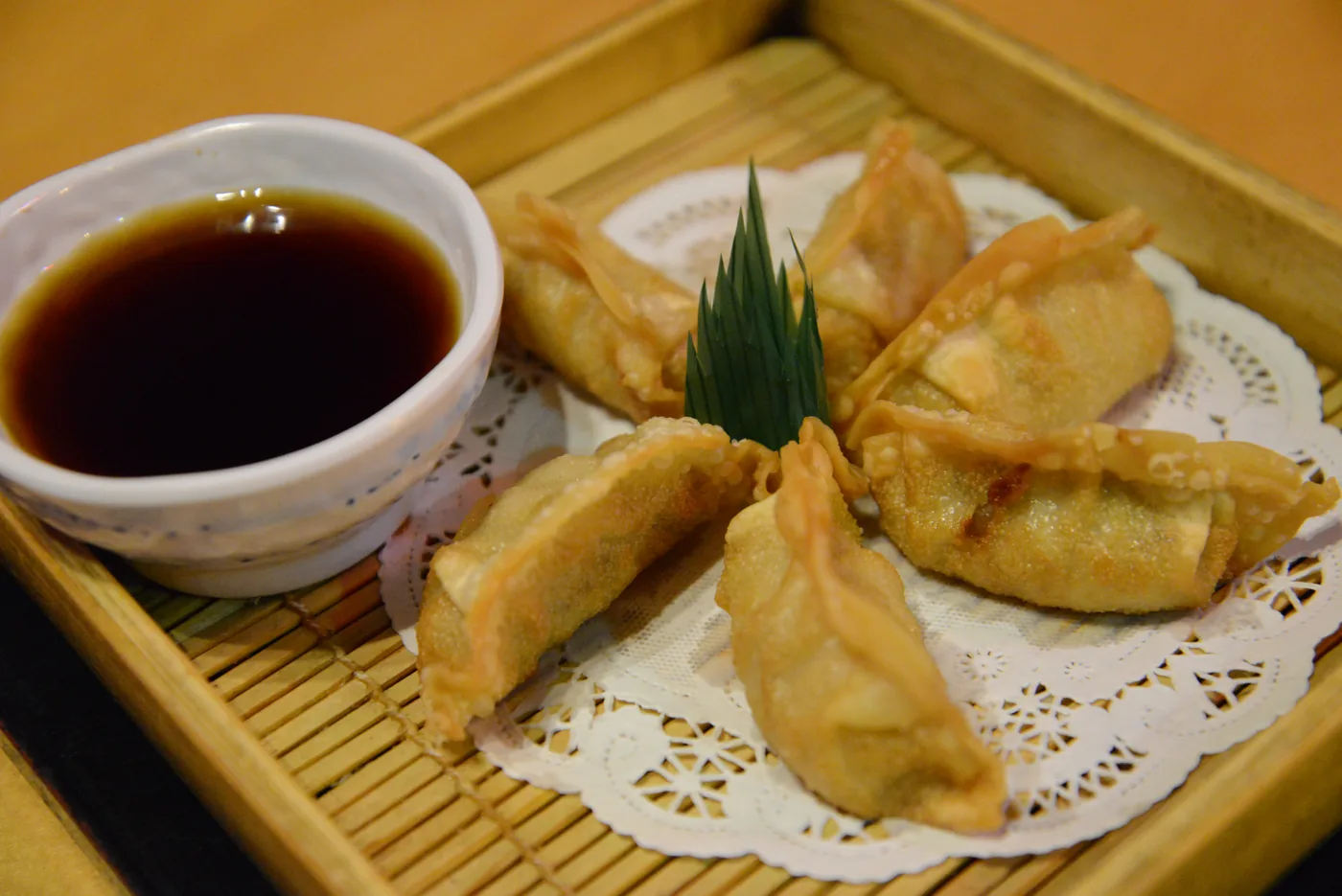
Choose across categories, not within one. Two fried items is a worse box than one fried item and one grilled one, even if you like fried food more. The compartments arrive together and you eat them in parallel, so variety inside the box is doing the same work variety across a table normally does.
A useful shape is one thing that arrives hot and crisp, one thing that is sauced or glazed, and — if you have a third pick — something cool or plain. That gives you three different textures rather than three versions of the same one.
And eat the crisp item first. It is in a covered compartment next to hot rice and warm soup, which is not a friendly environment for anything fried. That rule holds anywhere on the menu, as it does for fried rolls.
Worth asking about
Combos are the hardest part of a menu to check against a dietary need, because the contents vary by what you choose and the sides come as standard. Miso soup normally contains dashi made with dried fish, salad dressings vary, and a shared fryer touches several of the likely picks. If you are avoiding something, describe it when you order the combo rather than when it arrives — see allergens on a Japanese menu.
If you still want to order rolls
Most people will, and there is nothing wrong with it. The one adjustment worth making is to stop ordering rolls alone.
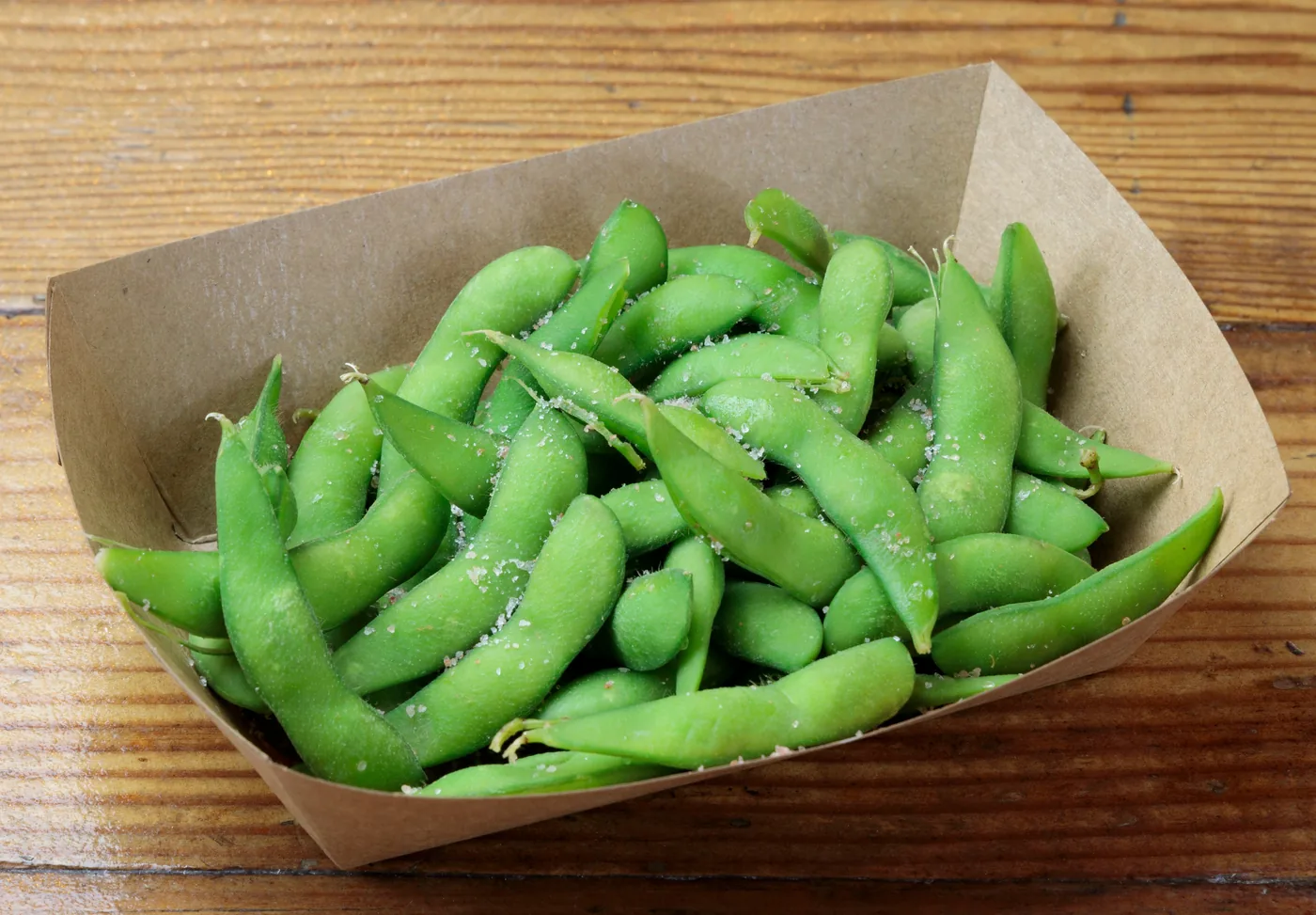
A combo works because of what surrounds the main item. You can reproduce that à la carte for very little effort: add a miso soup and a salad to whatever rolls you were going to order, or an edamame at the start. Both are on the menu separately, and both change a pile of rolls into something that eats like a meal.
That is really the lesson of the combo section, and it applies whether or not you order from it. The kitchen’s default assumption is that a main item wants a soup, a rice and something cold next to it. It is worth taking that assumption seriously.
Frequently asked questions
What comes with a bento box combo?
Our menu lists salad, miso soup and steamed rice alongside the items you choose. Ask your server which items are available to pick from.
Is a combo better value than ordering separately?
What a combo reliably gives you is a complete meal with the quantity already worked out. For current pricing, check the menu or ask when you order.
Is the rice on a plate the same as sushi rice?
No. Plates come with plain steamed rice. Sushi rice is seasoned after cooking with vinegar, sugar and salt.
Should I order a combo or rolls?
A combo if you are eating alone, short of time, or unsure how much to order. Rolls if you are sharing and want to try several things.
How do I pick items for a bento combo?
Choose across categories rather than within one — something crisp, something glazed, and something plain gives you three textures instead of one.
The short version
À la carte gives you control and hands you the quantity problem. A combo or a plate gives you a finished meal — a main item with soup, rice and something cold arranged around it, which is the traditional structure compressed onto one tray.
Take the combo route when you are alone or in a hurry, pick across categories rather than within one, and if you do order rolls, add a soup and a salad anyway. Also see what a bento box actually is.