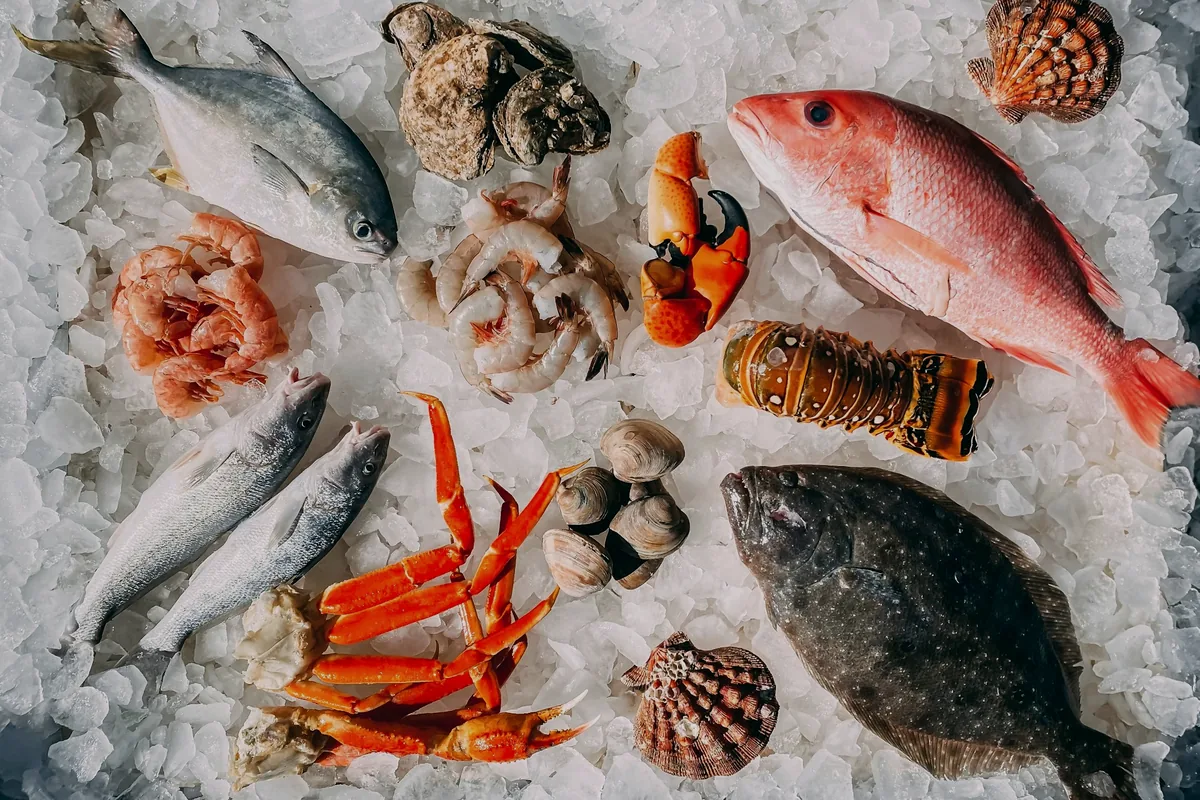
The short answer
Sushi-gradea seller’s word, not a legal one
What mattershandling, freezing and turnover
There is no grading body and no certificate. The term describes a supplier’s judgement that fish is suitable to serve raw — which is worth something, but not what most people assume.
It appears on packaging, on menus and in supermarket cabinets, and almost everyone reads it as an official designation. It is not one, and the real answer is more interesting than the label.
01 — The termNobody issues the grade
There is no agency in the United States that certifies fish as sushi-grade. There is no inspection that awards it, no register of graded suppliers, and no legal definition behind the words. The same is true of sashimi-grade.
What the phrase actually communicates is a supplier telling a buyer: we consider this fish suitable to be eaten raw. That is a real professional judgement made by people whose business depends on getting it right, and it is not nothing. It is simply not a certificate.
Which means the useful question is not whether fish carries the label. It is what was actually done to it.
Freezing, and why it is a good sign
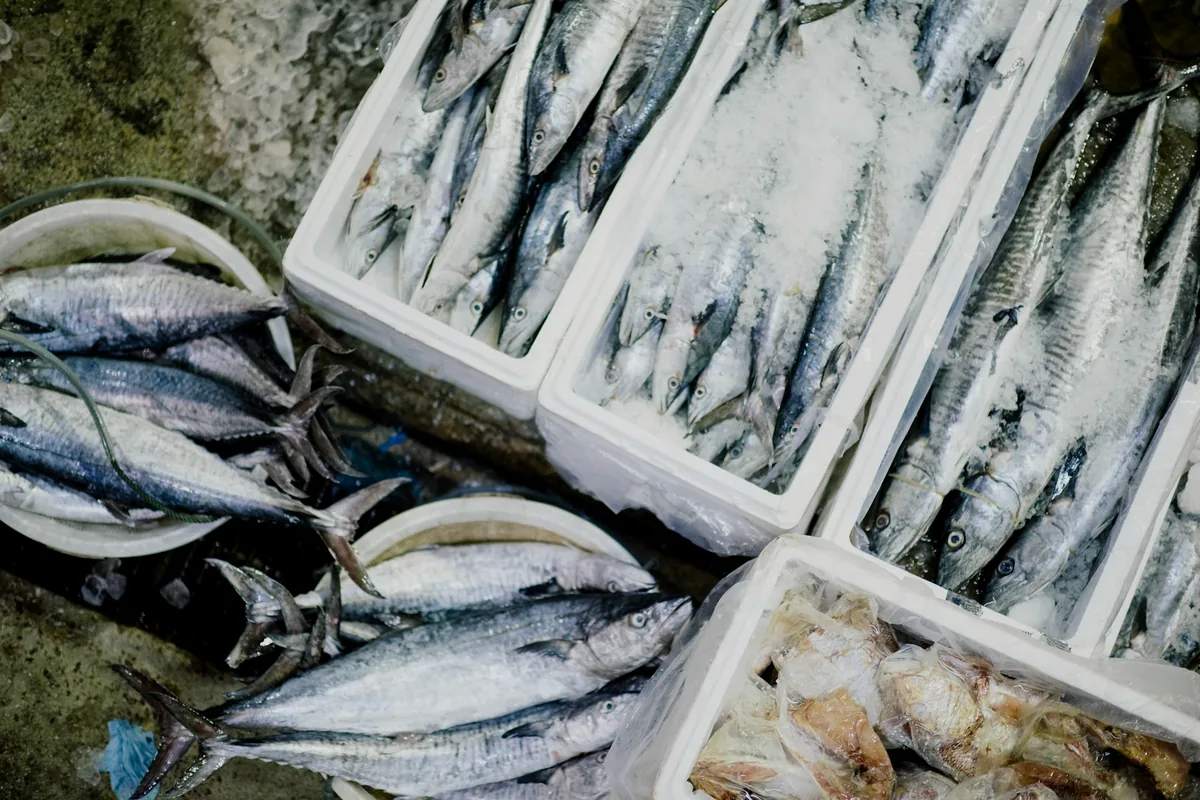
Here is the part that surprises people: US Food and Drug Administration guidance for fish intended to be eaten raw centres on freezing, as a control for parasites. Specific times and temperatures are set out in the FDA’s seafood guidance, and certain species — some tuna among them — are treated differently.
So a great deal of the fish served raw around the world has been frozen, and often frozen at sea within hours of being caught. That is not a compromise. Modern commercial freezing is dramatically faster and colder than a domestic freezer, and fish frozen properly at sea can arrive in better condition than fish that spent four days on ice getting to a market.
“Never frozen” sounds like a boast. For fish that is going to be eaten raw, it is usually not the one you want.
What a restaurant is actually responsible for
Restaurants serving raw fish in California operate under state and county health regulation, are inspected, and are required to follow food safety plans covering sourcing, temperature and handling. That framework is what stands behind a plate of sashimi — not a word on an invoice.
The practical chain looks like this:
- Species and origin. Some species carry more parasite risk than others, and handling requirements differ accordingly.
- Freezing. Done at sea or by the processor, to guidance, for species that require it.
- Cold chain. Kept cold at every transfer. This is where most real-world failures happen.
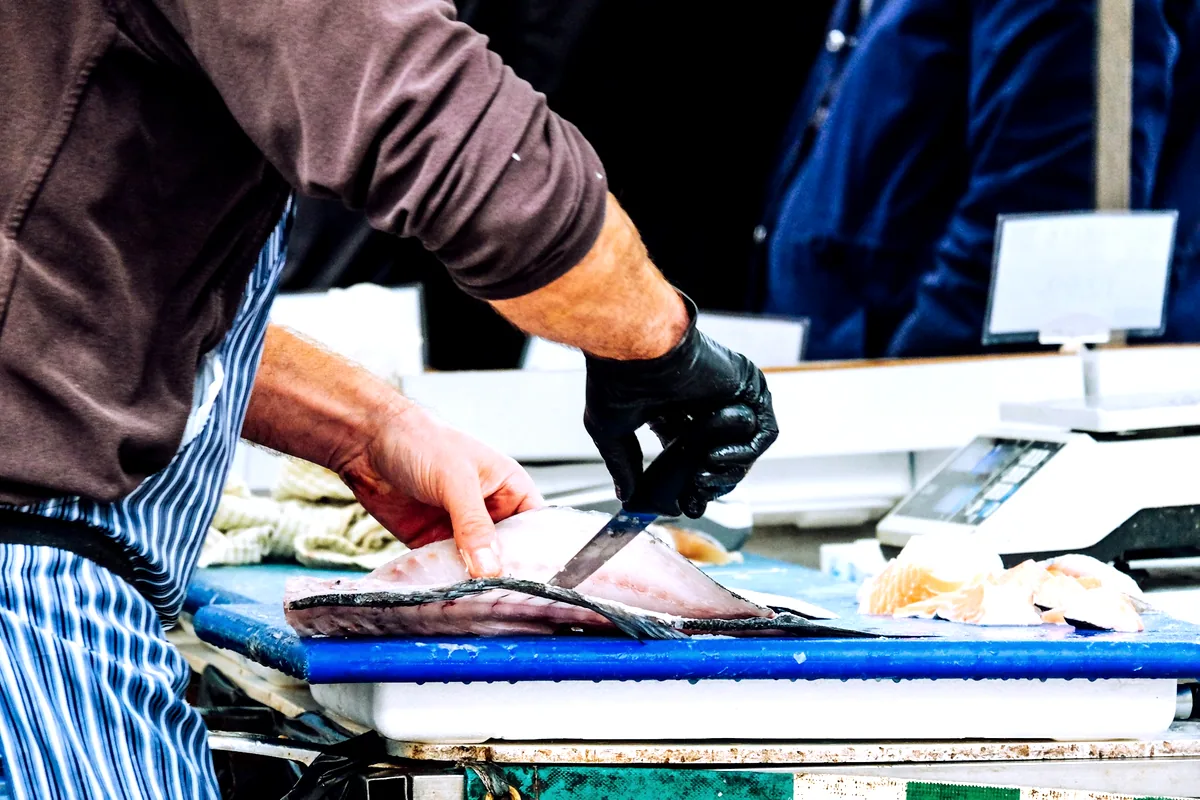
- Handling at the counter. Separate boards, clean knives, fish kept in a chilled case rather than sitting out.
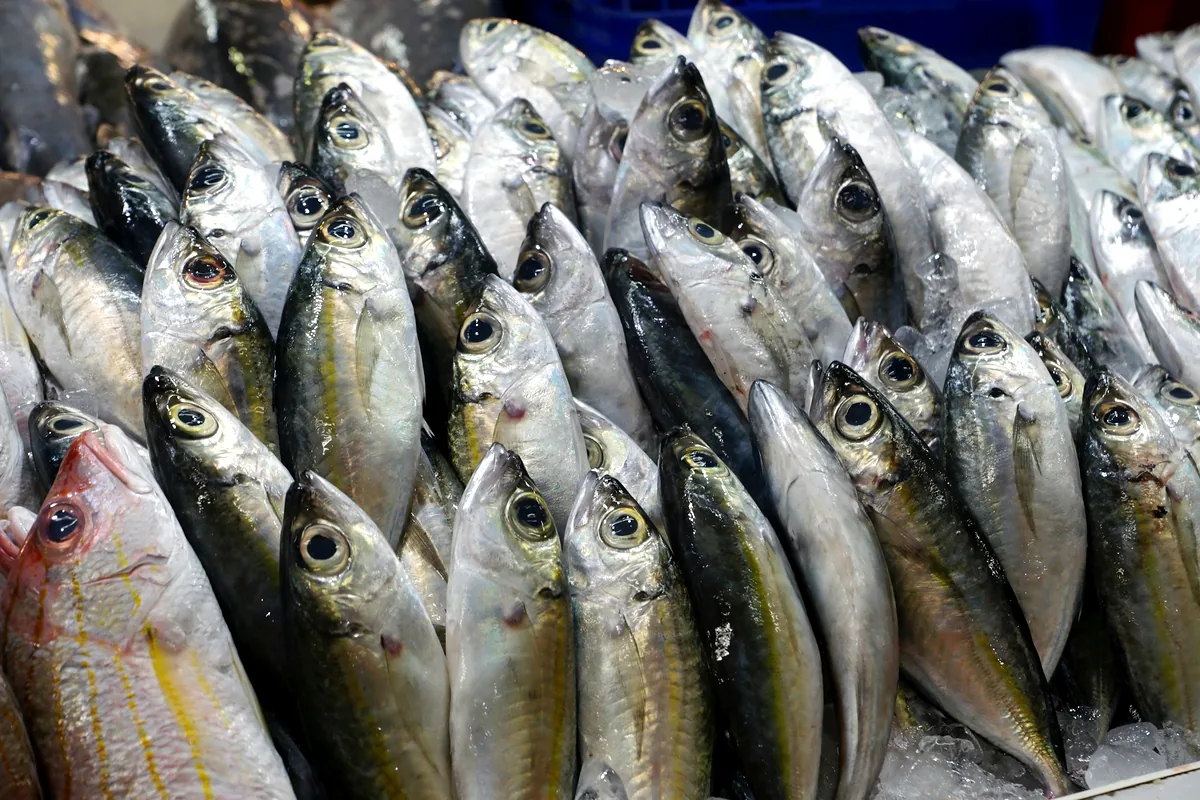
- Turnover. A restaurant that sells through its fish daily is buying fresher fish more often.
On food safety
Eating raw fish carries some risk that cooking removes, and public health bodies advise that certain groups — including people who are pregnant, very young, elderly or immunocompromised — avoid raw seafood. That guidance comes from your doctor and from health authorities, not from us. If it applies to you, our guide to ordering cooked covers most of a sushi menu.
What the label means where
| Claim | What it actually means | How much to trust it |
|---|---|---|
| Sushi-grade | The seller judges it suitable to eat raw | Depends entirely on the seller |
| Sashimi-grade | The same thing, different word | The same |
| Previously frozen | Frozen, then thawed for sale | Often a good sign for raw service |
| Fresh | Not previously frozen | Says nothing about raw suitability |
| Frozen at sea | Frozen within hours of the catch | Usually the strongest signal |
| Farmed | Raised rather than wild caught | Neutral — some farmed fish is preferred for raw |
The row that catches people out is the fourth. Fresh is a claim about freezing history, not about quality or safety, and on a raw fish counter it is the least informative word available.

If you are buying fish to eat raw at home
- Buy from somewhere that sells a lot of it. Turnover does more for quality than any label.
- Ask whether it was frozen, and how. A good counter will know and will tell you.
- Ask what they would eat raw today. A more useful question than asking what is sushi-grade.
- Keep it cold and eat it the same day. The cold chain is your responsibility once it leaves the shop.
- Follow official guidance rather than a blog. The FDA and your local health department publish the actual requirements.
And if you are eating out
Most of this stops being your problem. A restaurant is inspected, is operating under a food safety plan, and is answerable for its sourcing in a way a shopper is not.
What you can still do is ask. Sushi chefs are asked what is good today constantly, and the answer is genuinely useful — it tells you what came in, what is moving, and what they would order themselves. There is more on reading a room in the sushi bar and the hot kitchen.
And if raw fish is not for you at all, that is a complete answer rather than a limitation. A large part of any sushi menu is cooked.
Frequently asked questions
Is sushi-grade an official designation?
No. There is no agency that grades fish this way and no legal definition of the term in the United States. It describes a supplier’s judgement.
Is frozen fish worse for sushi?
Generally the opposite. FDA guidance on fish intended to be eaten raw centres on freezing as a parasite control, and commercial freezing at sea is very fast and very cold.
Can I use supermarket fish for sushi at home?
That is a question for the counter you are buying from and for official food safety guidance, not for us. Ask whether it was frozen and how, and follow published advice rather than a label.
Should anyone avoid raw fish?
Public health bodies advise certain groups to avoid raw seafood. If you are unsure whether that includes you, ask your doctor — and order from the cooked side of the menu in the meantime.
What should I ask a sushi chef?
What is good today. It is a better question than anything about grading, and it is the one they are happiest to answer.
The short version
Sushi-grade is a supplier’s word, not a certificate. Freezing is a control rather than a compromise, fresh tells you less than people think, and turnover and handling decide the rest. Eating out, most of it is somebody else’s job.
The raw and the cooked halves of our list are both on the menu.