The short answer
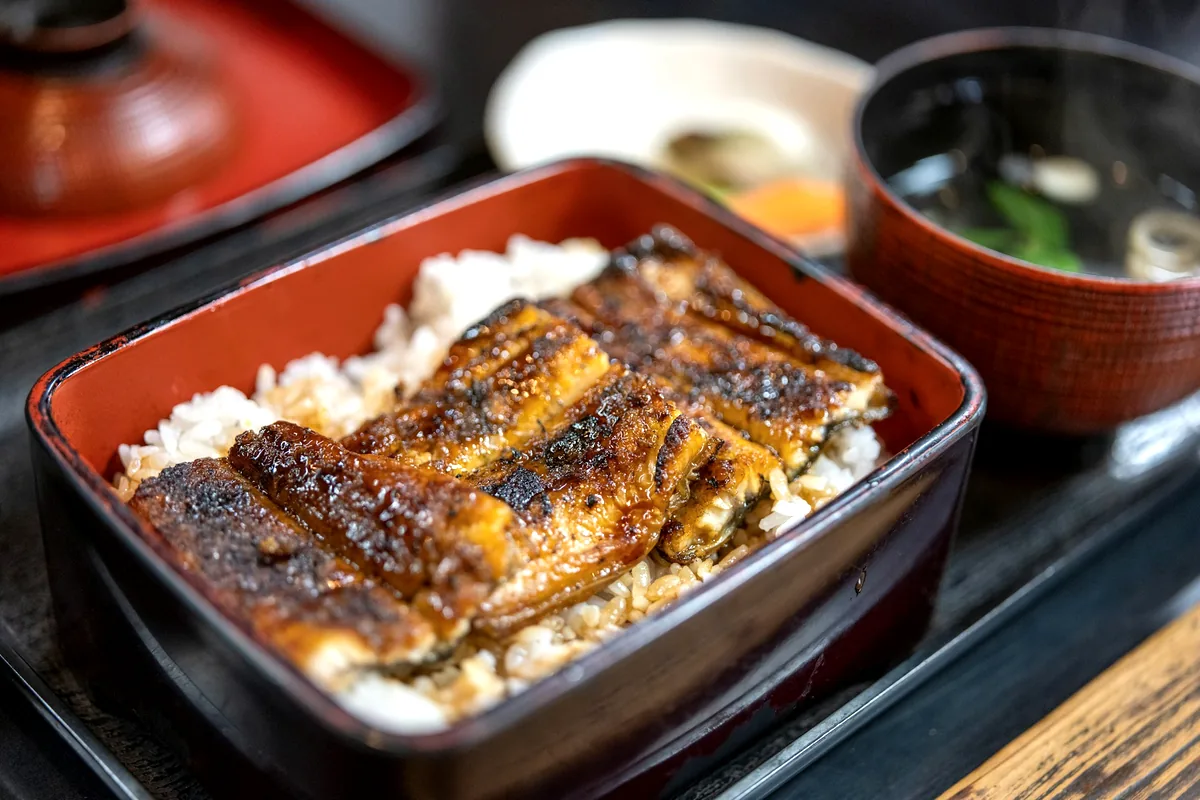
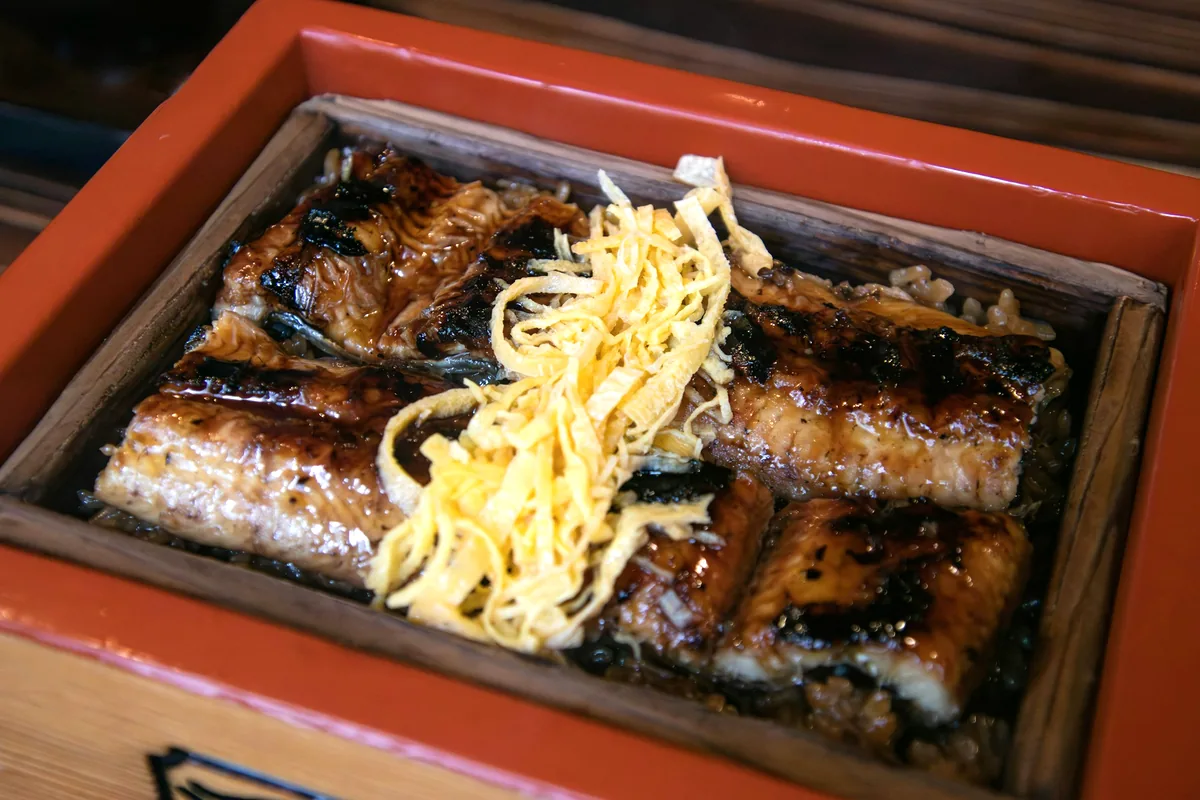
Unagifreshwater eel, grilled and glazed
Alwayscooked, never served raw
Eel is the one fish on a sushi menu that is never raw — and not by preference. Its blood contains a protein that is toxic until heat destroys it.
Sweet, soft, glazed almost black, and the item most likely to convert someone who thinks they do not like sushi. It is also the one with the most interesting reason for being cooked.
01 — Why it is cookedNot a choice
Eel blood contains a protein toxin that is harmful if eaten raw. Heat destroys it completely, which is why eel is cooked everywhere it is eaten and why you will never find it in a sashimi selection.
So when a menu lists eel among the raw fish, it is not an oversight and there is no raw version to ask for. It arrives grilled, glazed and warm, and it always has.
This makes it unusually useful. If you are eating with someone who does not want raw fish, eel is on the sushi bar side of the menu rather than the hot kitchen, which means the whole table can order from the same list — the wider version of that problem is in what to order if you do not like raw fish.
How it is prepared
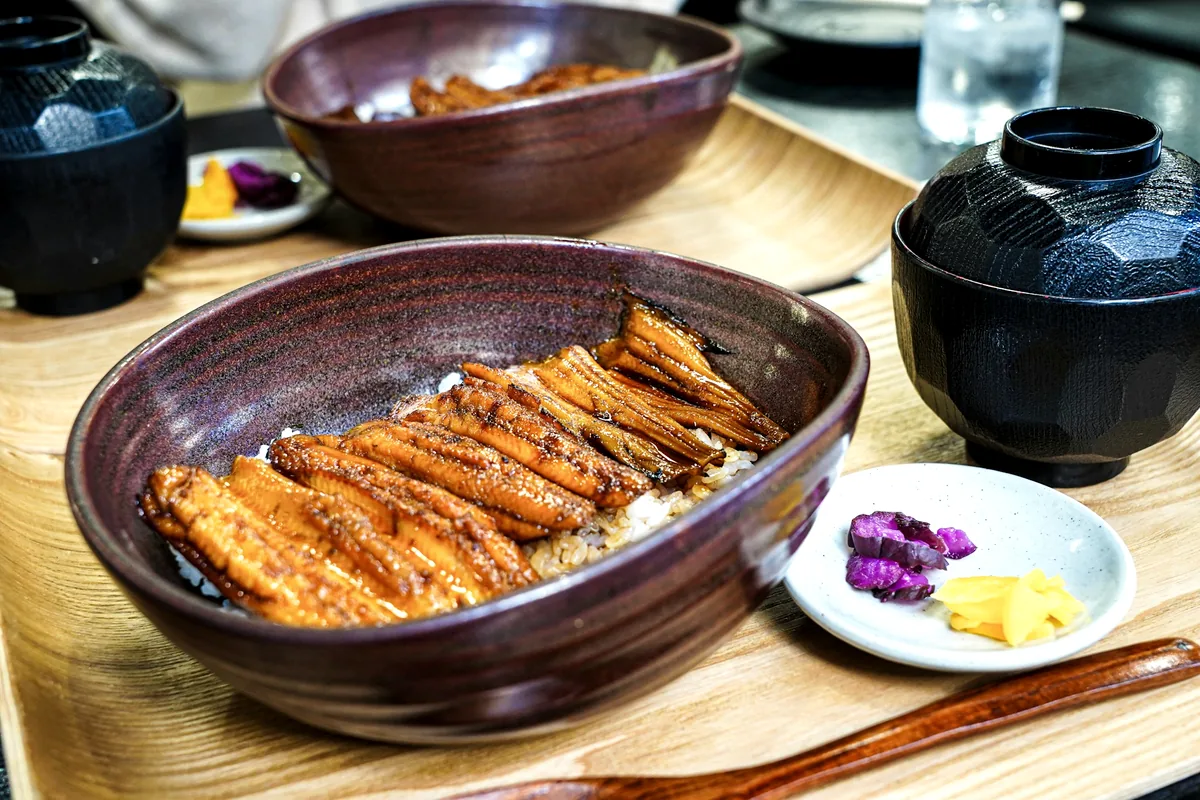
The traditional method is kabayaki: the eel is split, boned, skewered flat, and grilled while being repeatedly brushed with a thick, sweet soy glaze. In the Kanto style around Tokyo it is steamed between grillings, which is what makes it so soft.
The glaze is built up in layers rather than applied once, so it caramelises onto the surface. That dark, lacquered look is the accumulation of several coats, not a sauce poured over at the end.
The result is unlike anything else on a sushi menu — rich, sweet, smoky and soft enough to give under a chopstick. It reads more like barbecue than like fish.
02 — The sauceEel sauce contains no eel
This causes more confusion than almost anything else on a sushi menu. The thick, sweet, dark sauce called eel sauce is a reduction of soy sauce, mirin and sugar. It is named after the dish it is brushed onto, not after anything in it.
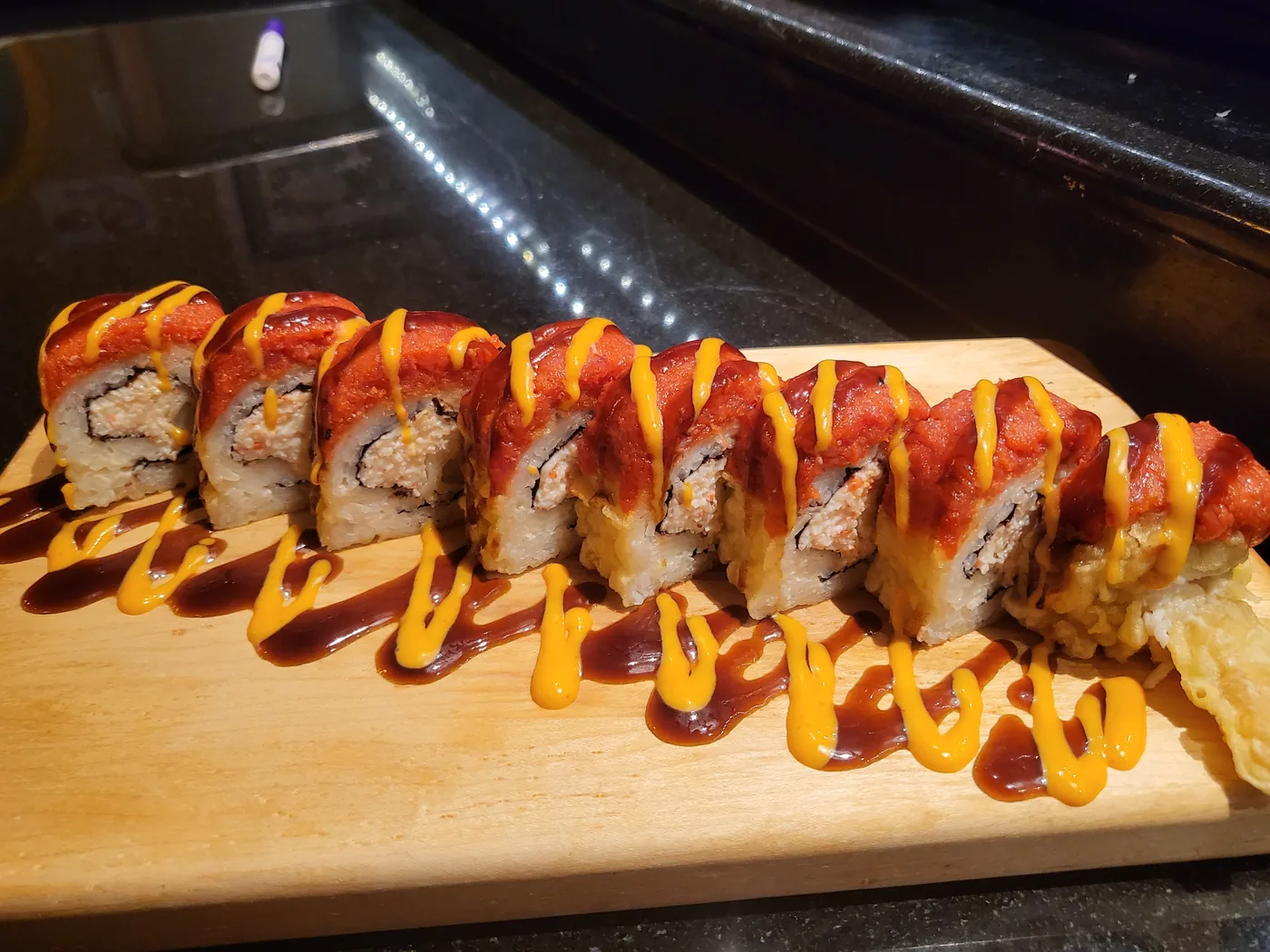
Which means it turns up everywhere — over baked rolls, over anything fried, over items with no eel anywhere near them. If you have eaten a specialty roll with a dark glaze zigzagged across it, you have eaten eel sauce.
Vegetarians and anyone avoiding fish should still ask rather than assume, since recipes vary and some versions include dashi. The full set of sauces is in eel sauce, spicy mayo and ponzu.
Freshwater and saltwater
Two different things share the word on Japanese menus.
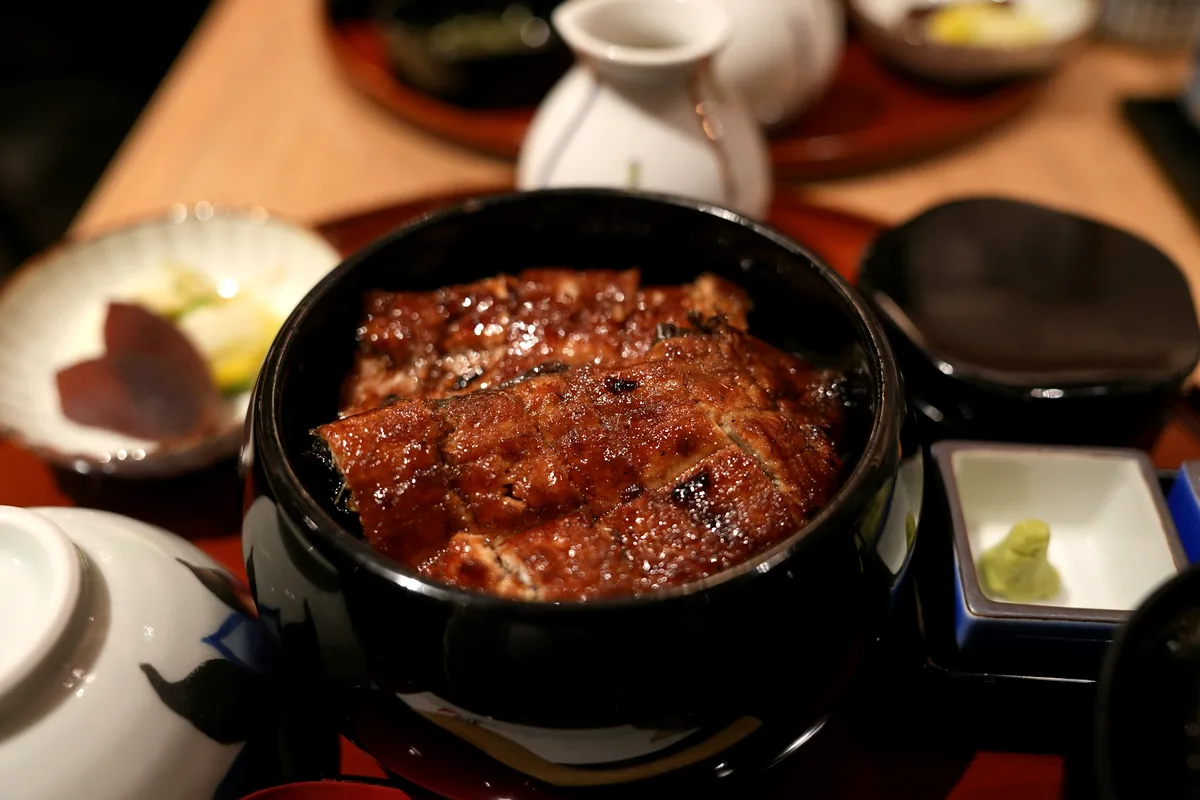
Unagi is freshwater eel — the rich, glazed, familiar one. Anago is saltwater conger eel, which is lighter, more delicate, less fatty and usually served with a thinner sauce or just salt.
Most American sushi menus carry unagi and use the plain word eel for it. If you see anago, it is worth ordering to see the difference — it is the version people who find unagi too sweet tend to prefer.
Good to know
Eel is one of the more expensive items on most sushi menus, and the reason is supply. Eels have not been successfully farmed from egg at commercial scale, so the industry depends on catching juveniles and raising them. Stocks of several species have declined sharply, and conservation status varies by species and region. If sourcing matters to you, it is a fair question to ask.
Eel across our menu
It appears in more places than most people notice, because it is often a component rather than the headline.
| Where | What it is | Good for |
|---|---|---|
| Eel Roll | Eel and rice, on the basic list | Tasting it on its own |
| Eel Hand Roll | The same, in a nori cone | Warm eel against crisp nori |
| Caterpillar | Eel and crabmeat, avocado over the top | The classic pairing |
| Eel Special | Eel and avocado over a spicy crab roll | A richer version of the same idea |
| Red Bull | Shrimp tempura and crab, eel and avocado on top | Eel with something crisp underneath |
The pattern is worth noticing: eel is almost always paired with avocado. Both are rich and soft, but avocado is cool and neutral where eel is warm and sweet, and the combination is the reason those rolls work.
How to order it well
- Try it plain first. A basic eel roll shows you what the fish tastes like before a specialty roll buries it in three other things.
- Do not add soy sauce. It arrives glazed and already seasoned. Soy on top is salt on salt.
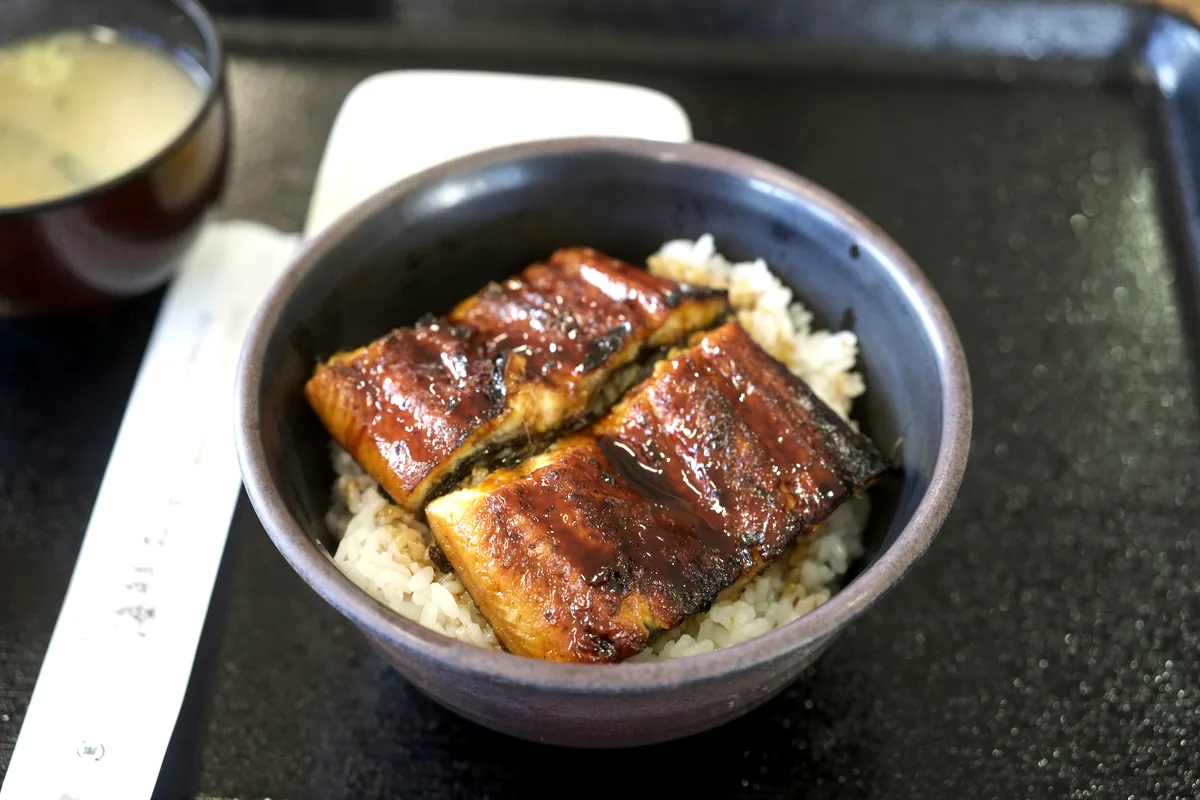
- Order it warm. Eel is grilled to order or warmed before serving. If it arrives cold, something has gone wrong.
- Pair it with something sharp. Pickled ginger, cucumber, or a citrus-dressed roll cuts the sweetness.
- Skip a second sweet roll. Eel plus another glazed item is a lot of the same note.
If you have never had it
Order the Caterpillar. Eel and crabmeat with avocado laid over the top is the friendliest introduction on the list — nothing raw, nothing challenging, and the avocado gives you something familiar to hold on to.
It is also the roll whose name actually describes it, which is rare on a specialty list. The rest of that vocabulary is in reading a roll description.
Frequently asked questions
Is eel ever served raw?
No. Eel blood contains a protein toxin that heat destroys, so eel is always cooked. There is no raw version to order.
Does eel sauce contain eel?
No. It is a reduction of soy sauce, mirin and sugar, named after the dish it is used on. Recipes vary, so ask if you need to confirm ingredients.
What is the difference between unagi and anago?
Unagi is freshwater eel — richer, fattier, heavily glazed. Anago is saltwater conger eel, lighter and more delicate.
Why is eel expensive?
Eels are not farmed from egg at commercial scale, so supply depends on catching juveniles to raise. That constraint, plus declining stocks of some species, keeps prices high.
Is eel a good first sushi order?
One of the best. It is cooked, sweet, soft and closer to barbecue than to raw fish, which makes it an easy entry point.
The short version
Always cooked, and for a real reason. Grilled and glazed in layers until it is dark and soft, sweet enough to read as barbecue, and almost always paired with avocado. The sauce named after it contains none of it.
It runs through both roll lists on the menu.