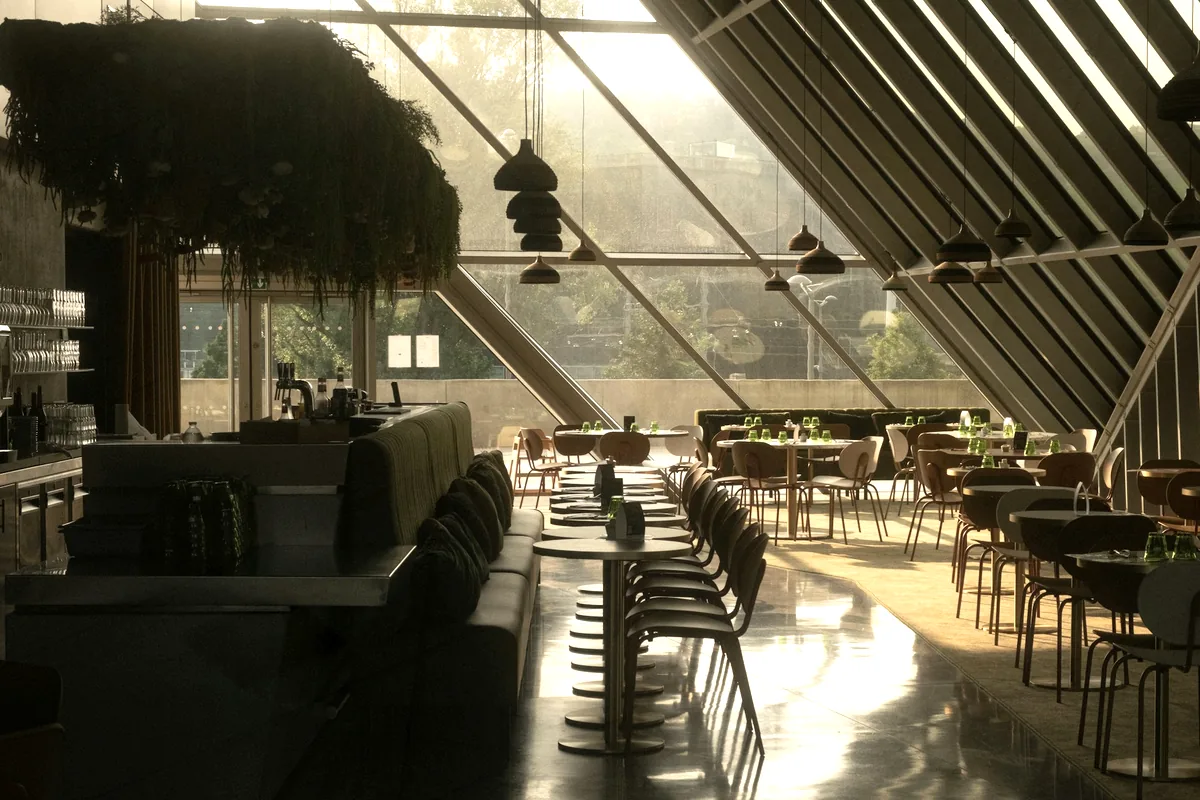
The short answer
Lunch12:00–3:00, quieter, faster
Dinner5:00–10:00, fuller, slower
We close between the two services and all day Tuesday. The gap is not a mistake — it is when the kitchen resets.
Two service periods with a two-hour break in the middle, and a day closed each week. Here is what actually differs between them and which one suits what you are trying to do.
Check before you set out
Our published hours are lunch 12:00 PM to 3:00 PM, dinner 5:00 PM to 10:00 PM, closed Tuesday. Hours can change for holidays and other reasons, so if you are travelling any distance it is worth a call to the restaurant first.
Why kitchens close in the afternoon
A split service looks inconvenient from outside and makes complete sense from inside. Between three and five the kitchen is not resting — it is doing the work that makes dinner possible.
Broth for the evening goes on. Fish gets portioned. Rice is made fresh, because rice made at eleven is past its best by seven. Vegetables are cut, sauces are made up, the fryer is filtered, the case is restocked and cleaned down.
Running straight through would mean doing all of that during service, which means doing it worse. The two-hour gap is the reason the evening food is as good as the midday food.
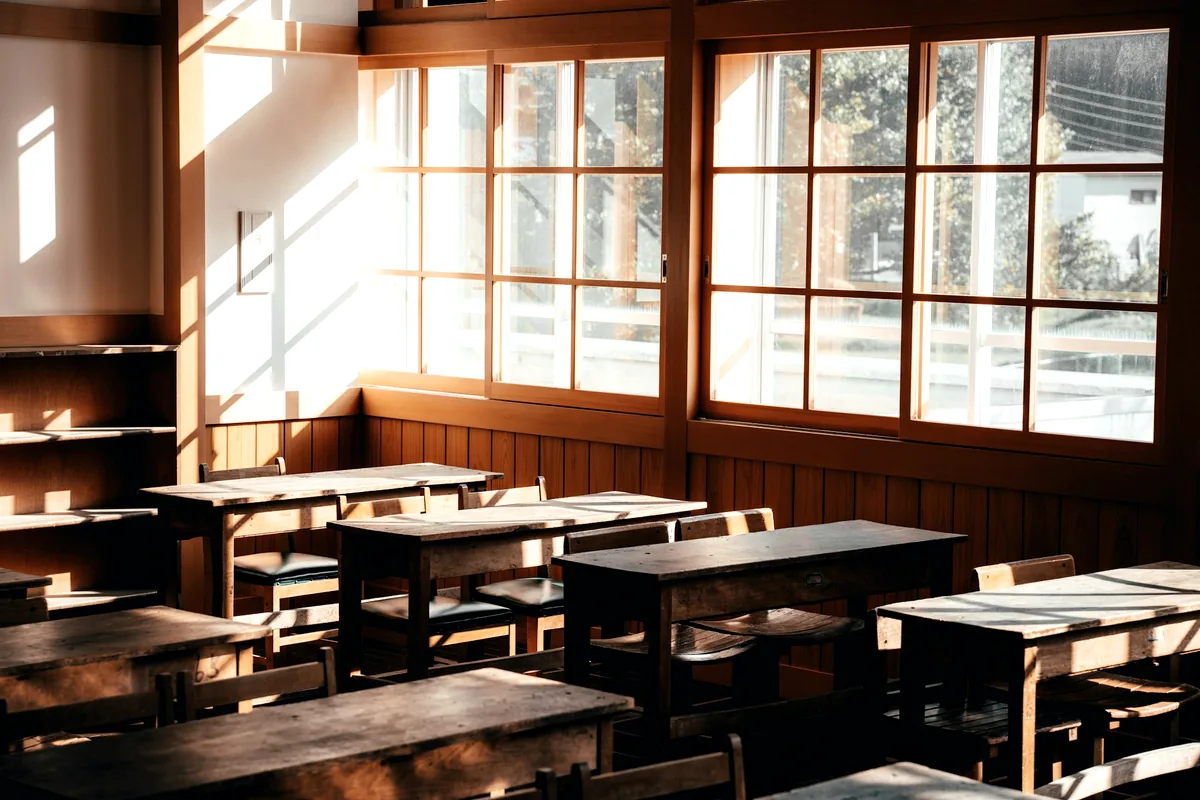
What midday is good for
Lunch is the quieter service, and that has consequences beyond how loud the room is.
Food comes out faster, because fewer tickets are competing. A counter seat is easier to get, and the sushi chef has more time to answer a question — which matters if you are working out what to order for the first time.
It also suits a smaller meal. A bento combination or a couple of rolls is a complete lunch and takes forty minutes; the same order at eight in the evening can feel like an odd choice when the table next to you has ordered for an hour and a half.
The practical constraint is the three o’clock close. Arriving at ten to three is arriving at the end of a service, and a kitchen about to break down for the afternoon is not the moment for a sixty-four piece platter.
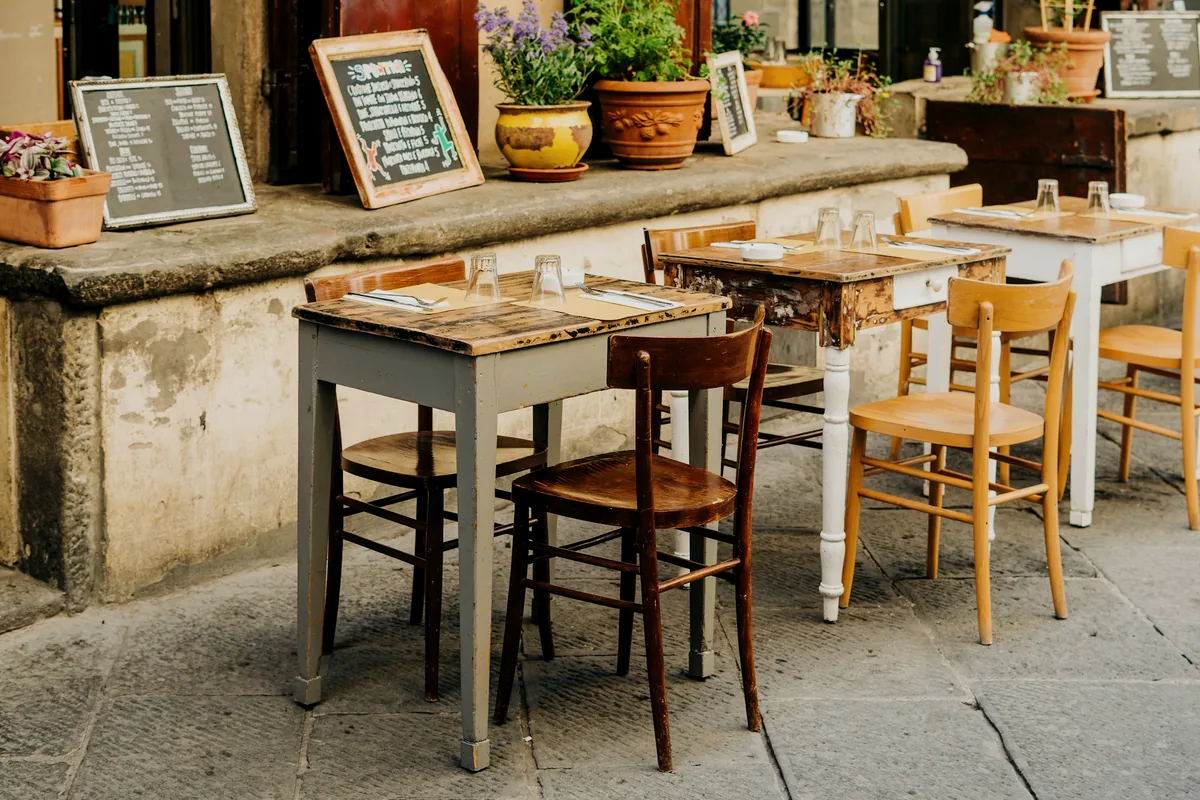
What the evening is good for
Dinner is the longer service and the fuller one, and it suits anything that takes time or people.
Larger groups fit better. A table ordering across both the sushi bar and the hot kitchen works better when both stations are fully staffed. And a meal built in stages — appetisers, then sashimi, then rolls, then something hot — is an evening shape rather than a midday one.
Five o’clock has a particular advantage worth knowing about: it is the start of a service, the case has just been restocked, and the room is nearly empty. If you want the calm of lunch with the range of dinner, that first hour is where it is.
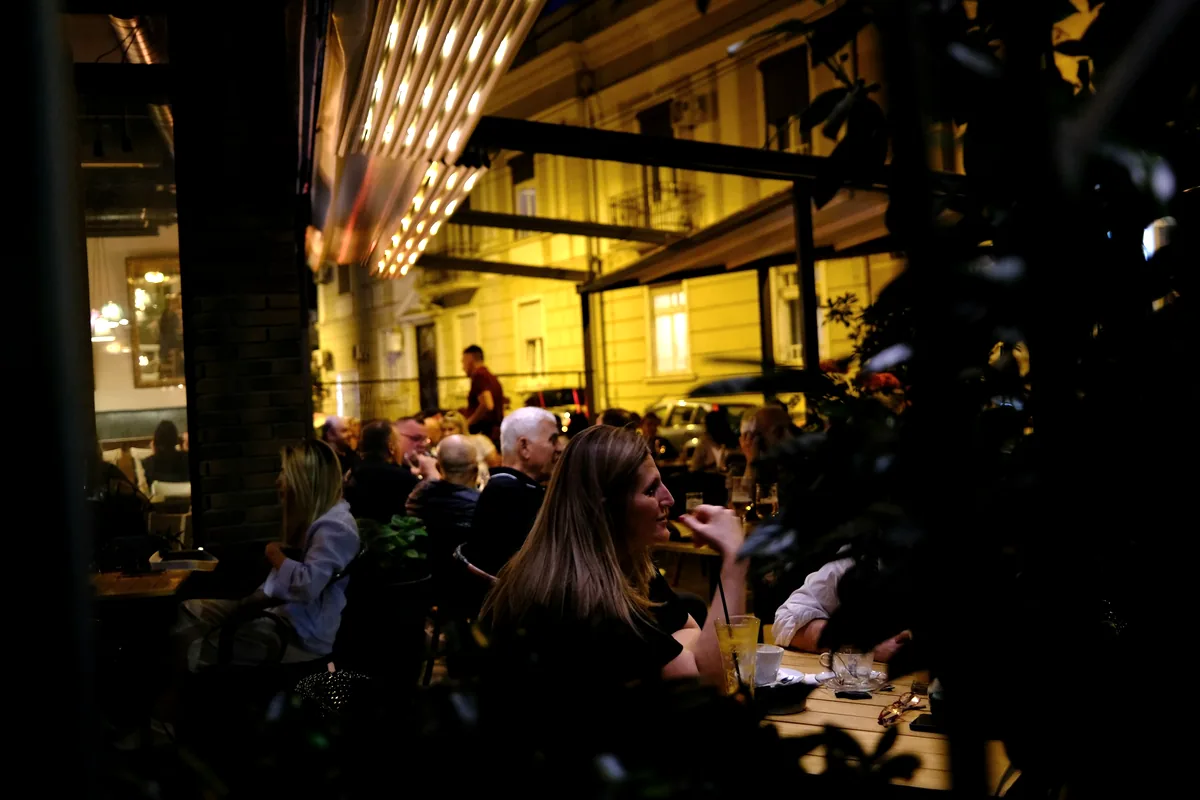
Which service suits which visit
| If you are… | Come at | Because |
|---|---|---|
| Eating alone | Lunch | A counter seat and an unhurried chef |
| Trying the place for the first time | Lunch or 5 PM | Quiet enough to ask questions |
| Bringing young children | Lunch or 5 PM | Faster food, emptier room |
| Booking for six or more | Dinner | Both stations fully staffed |
| Making an evening of it | Dinner, after 7 | Nobody is waiting for the table |
| Collecting a large platter | Either, with notice | Sixty-four pieces is a lot of cutting |
| Short on time | Lunch | Fewer tickets ahead of yours |
The menu does not change
Worth saying plainly, because people assume otherwise: the food is the same at both services. The sushi bar list, the ramen, the udon, the stir-fried noodles, katsu and teriyaki are all available whenever we are open.
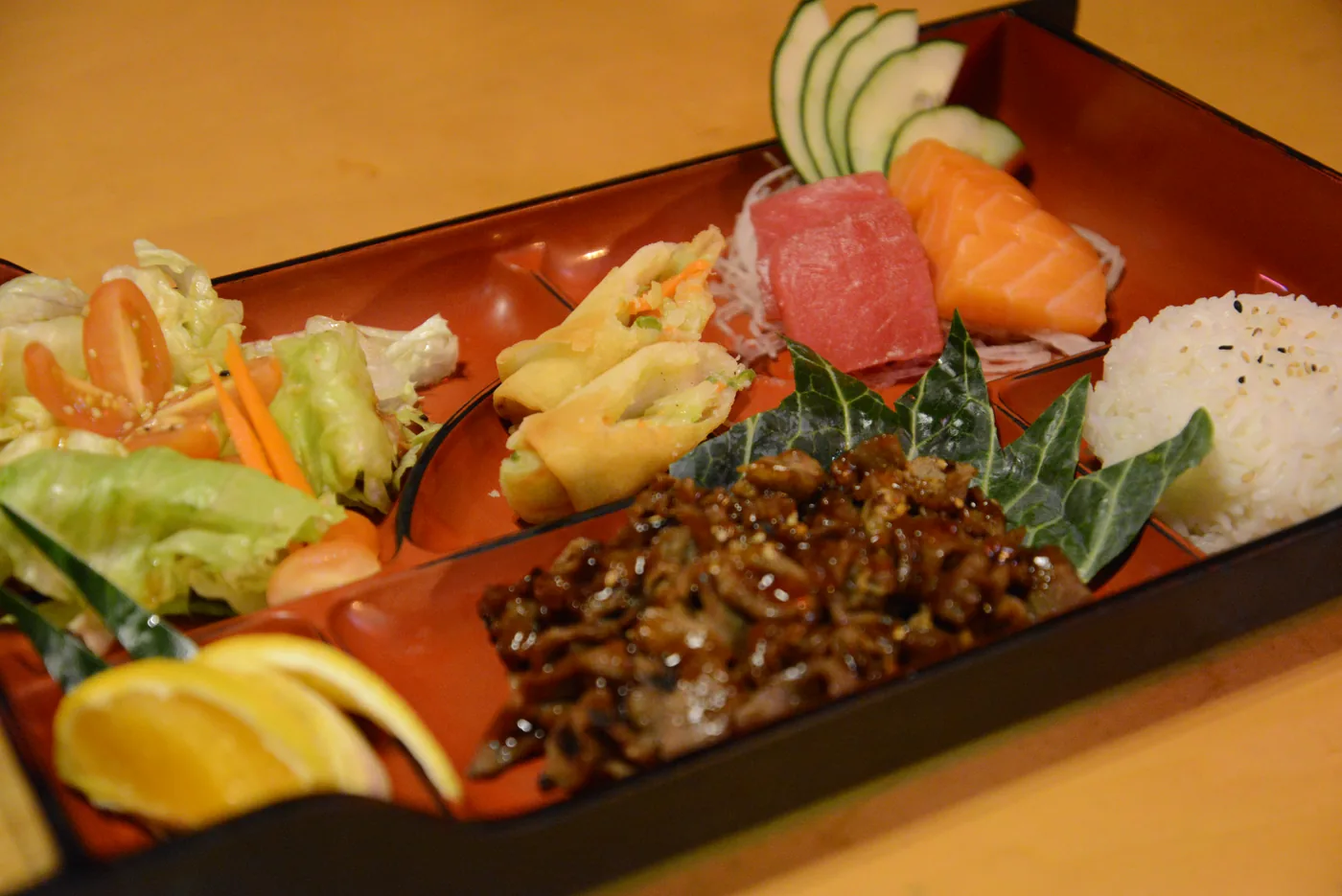
What changes is the pace of the room and how long you have. If you want the full range across both kitchens in one sitting, a bento combination does it at either service and arrives on one tray.
Takeout runs on the same clock
A pickup order is not separate from the dining room — it joins the same queue, made by the same two stations. That has a few practical consequences worth knowing.
An order placed at the quiet end of lunch will usually be ready close to the time you are quoted. The same order at half past seven on a Friday sits behind a full dining room, because a table that is already seated is being served ahead of a phone call. Neither is unfair; it is simply how a kitchen with finite hands sequences work.
So if the timing matters — you are collecting on the way somewhere, or feeding people who are already hungry — place the order away from the peak, or place it well ahead of when you want it. And if it includes anything fried, collect it as late as you can rather than as early as possible, for the reasons set out in what travels well.
Closed Tuesday
One day a week, entirely shut. Independent restaurants close a day because a kitchen that runs seven days does not get deep-cleaned properly and the people in it do not get a day off.
The practical note is only this: check the day before you drive over. It is the single most common wasted journey to any restaurant with a closing day.
Getting the timing right
- Arrive at the start of a service, not the end. Twelve and five are both better than ten minutes before closing.
- Call ahead for anything large. Platters and big groups need notice at either service.
- Order takeout away from the peak. A pickup at eight on a Saturday waits behind a full dining room.
- Check the day. Tuesday catches people out.
- Leave time at dinner. Food arrives from two kitchens on their own schedules rather than in courses.
Frequently asked questions
Are you open in the afternoon?
No. We close between lunch and dinner — published hours are 12:00 PM to 3:00 PM and 5:00 PM to 10:00 PM. The gap is when the kitchen prepares for the evening.
Is the lunch menu different?
The food is the same at both services. What differs is how busy the room is and how quickly things reach the table.
What day are you closed?
Tuesday. Holiday hours can vary, so call ahead if you are planning around a public holiday.
When is the quietest time to come?
Early in either service. Midday lunch and the first hour of dinner are both calmer than a peak evening.
How much notice do you need for a large order?
It depends on the size and the day. Call the restaurant and ask rather than assuming — a large platter is a lot of work at short notice.
The short version
Lunch is quicker and quieter; dinner is fuller and longer; the afternoon gap is prep time and Tuesday is closed. The menu is the same either way, and the start of either service is the best moment to walk in.
Hours, address and phone are on the contact page, and the food is on the menu.