The short answer
Travels wellcut rolls, katsu, teriyaki, bento
Travels badlyhand rolls, tempura, noodle soup
One rule covers almost all of it: anything crisp is on a clock, and anything sitting in liquid is dissolving. Everything else is fine.
The same order can be excellent in a restaurant and disappointing twenty minutes later, and which one it is comes down to a handful of predictable things.
01 — What goes wrongThree failure modes, and nothing else
Almost every disappointing takeout order fails in one of three ways, and knowing which is which lets you order around all of them.
- Steam. Hot food in a closed container makes its own weather. Anything crisp softens from the inside out, and it does not need long.
- Absorption. Noodles in broth keep drinking. A bowl of ramen packed at the restaurant is a different dish by the time you get home.
- Temperature. Sushi rice firms up as it cools and does not fully recover. This is why refrigerated sushi never tastes like fresh.
Notice that none of these are about the fish. Freshness is not usually the problem over a short drive; texture is.
The dishes built for it
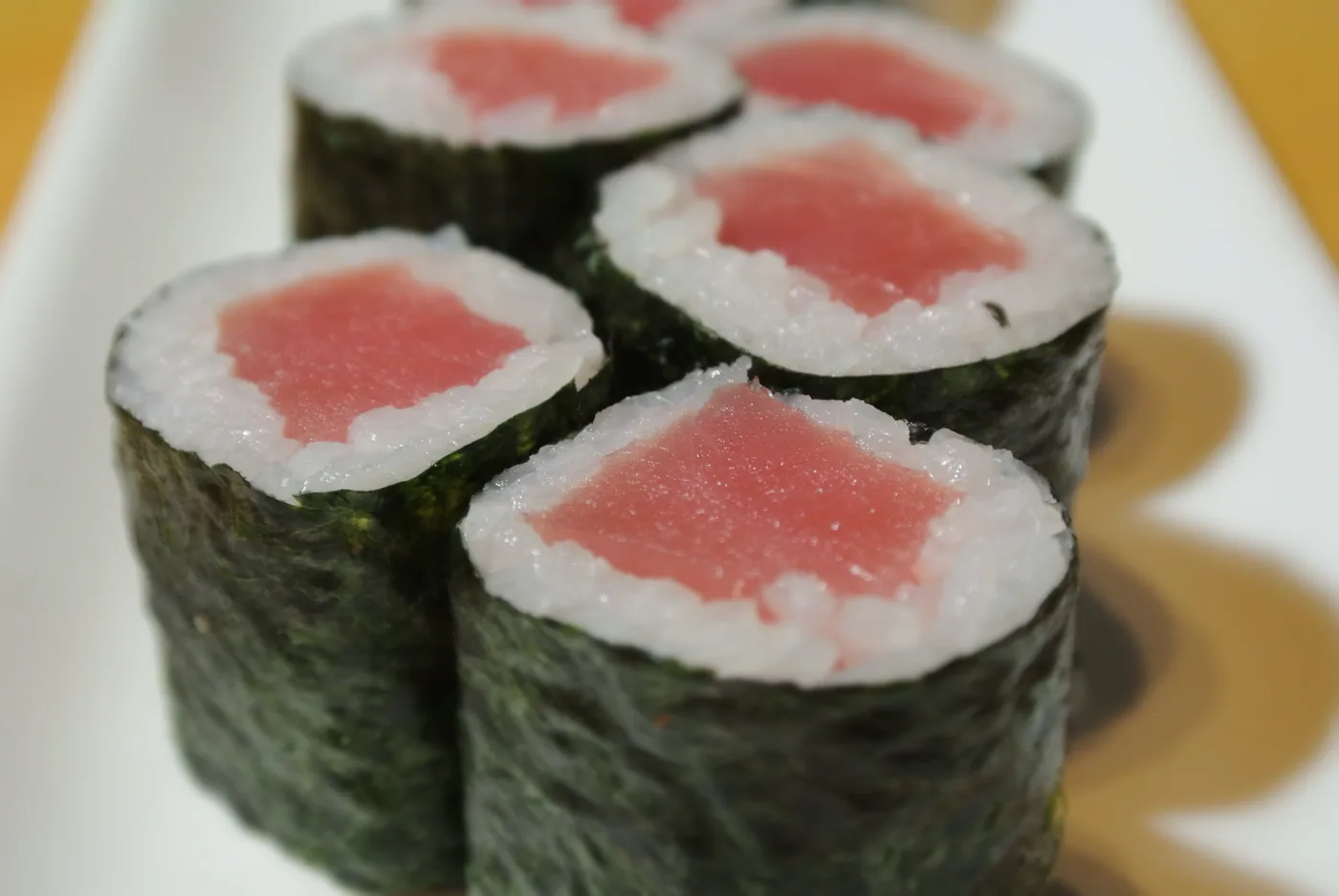
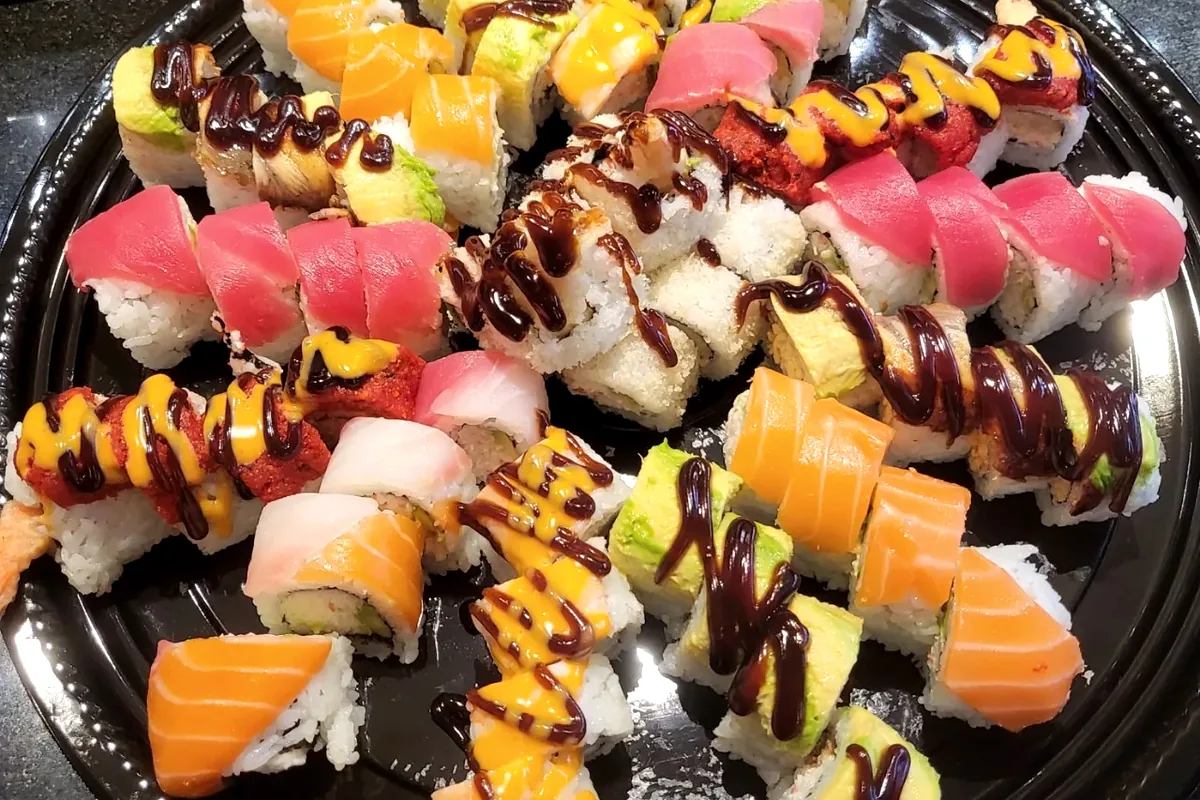
Cut rolls. The most reliable sushi to take home. They are cool already, they are not sitting in anything, and the nori has done all the softening it is going to do before it leaves the kitchen.
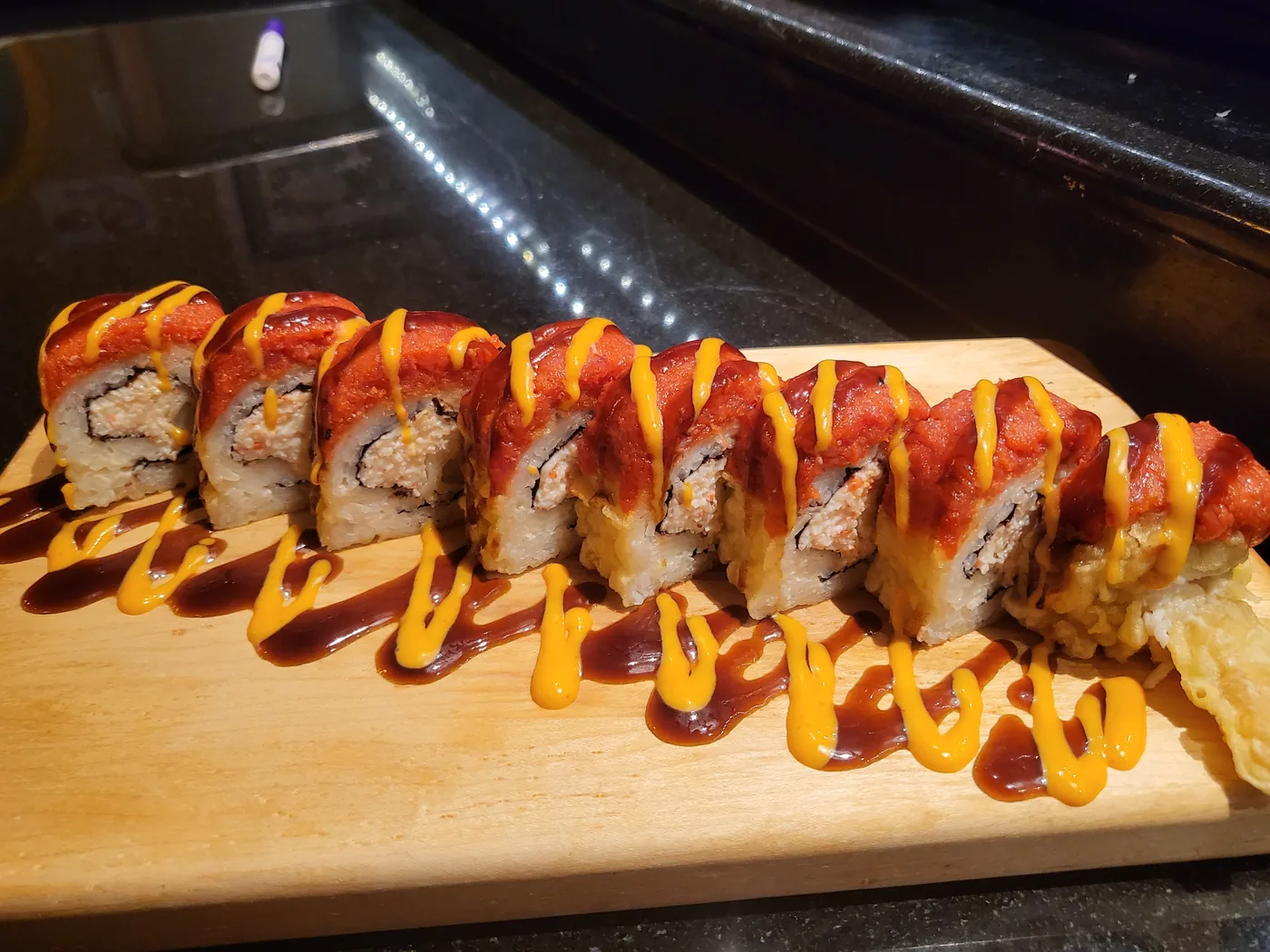
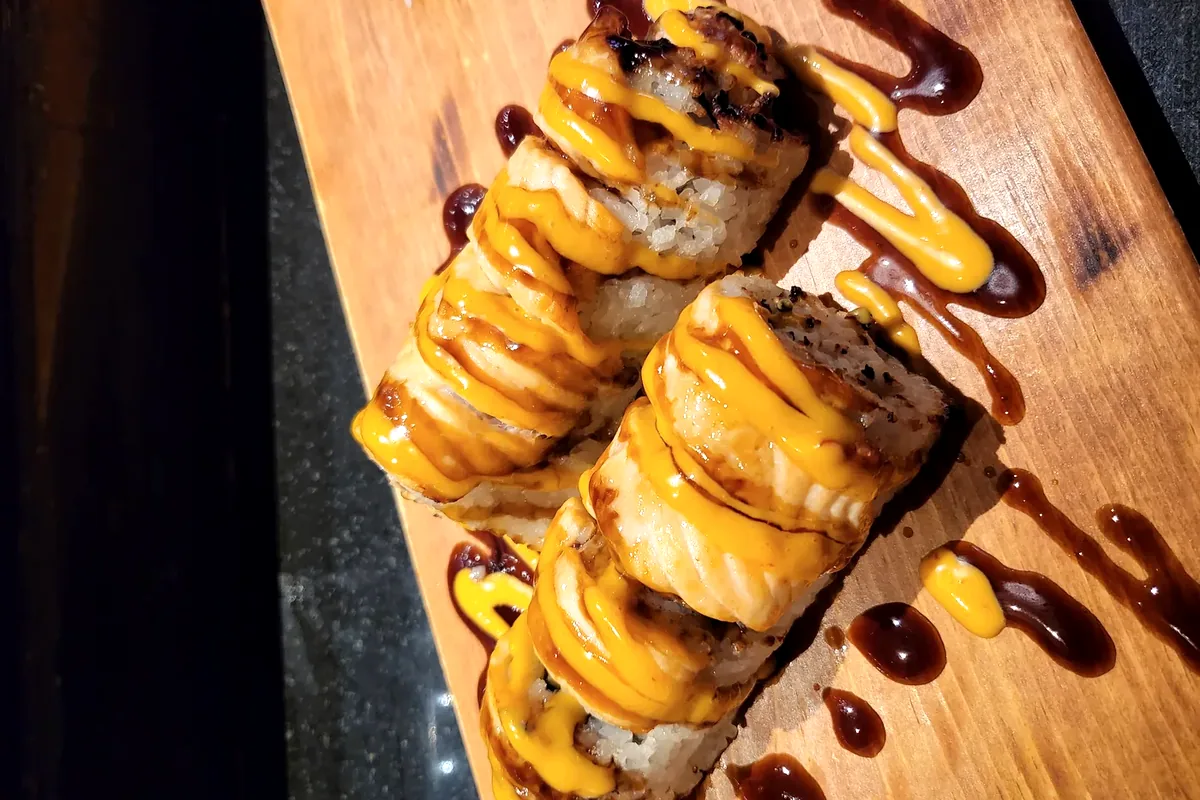
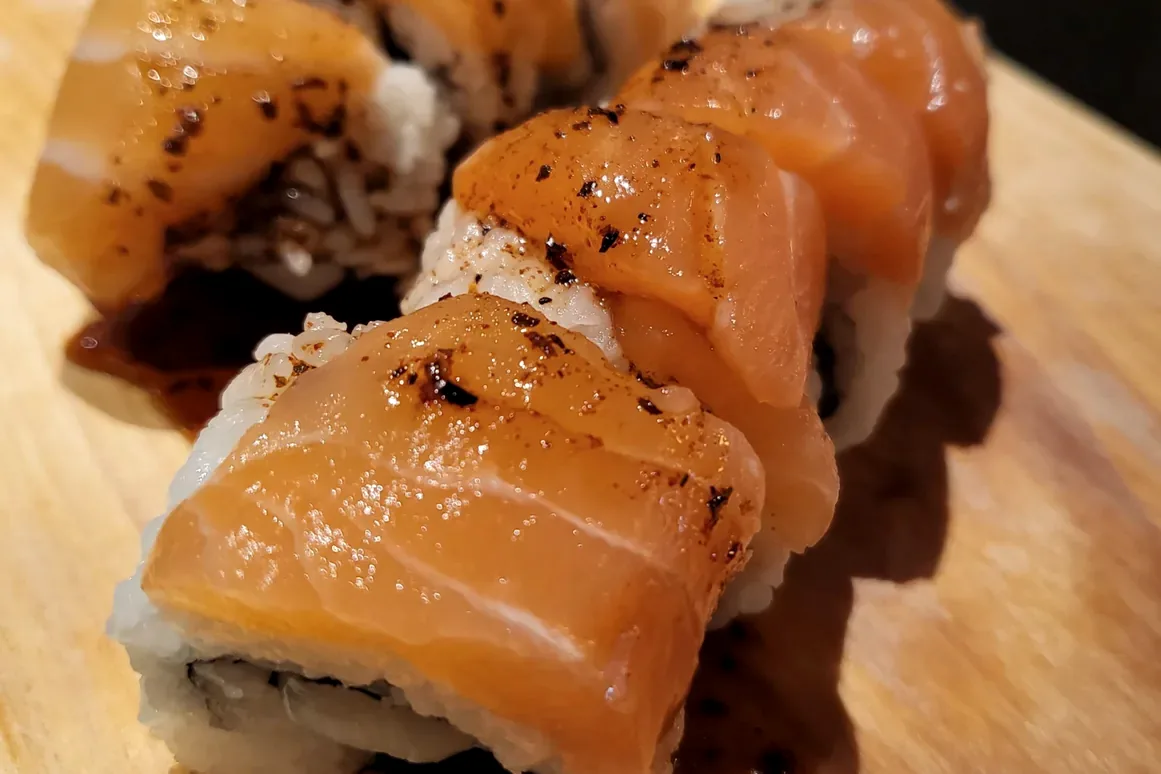
Baked rolls. Better than they have any right to be. The topping is already soft and rich, so there is no crisp texture to lose, and they are pleasant slightly warm or fully cool.
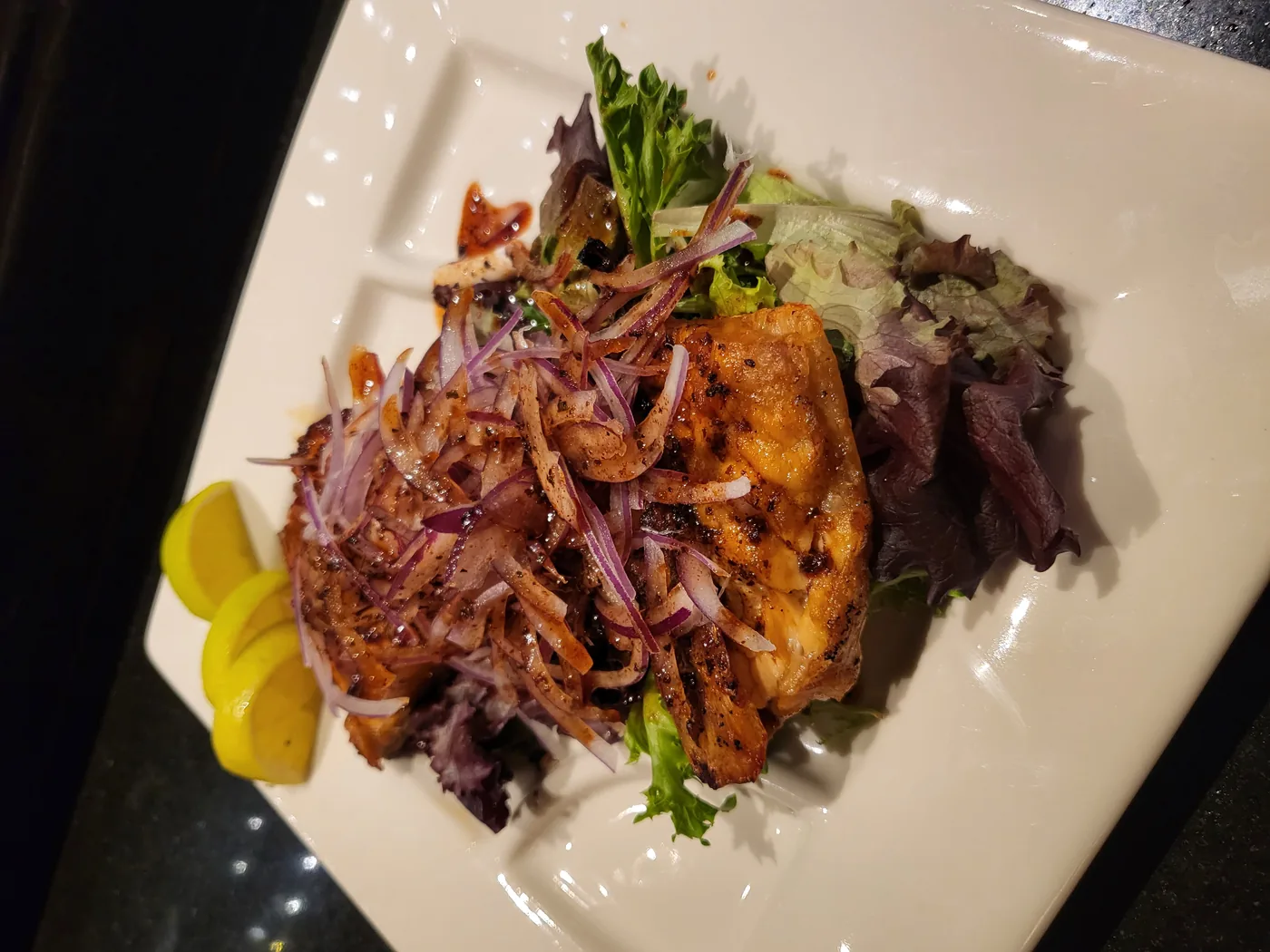
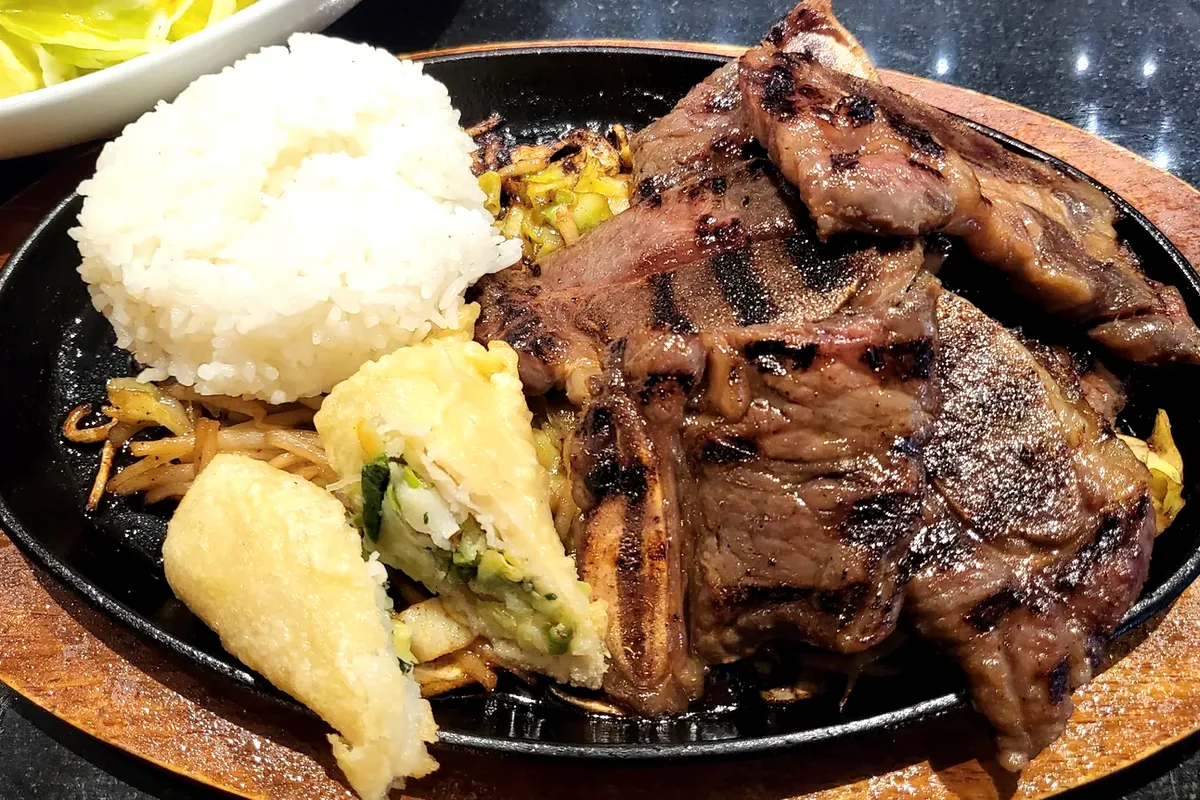
Teriyaki and katsu plates. Grilled and breaded items with the sauce handled separately. Katsu keeps its crust better than anything else fried, because panko is a sturdier coating than batter — the reason why is in the three kinds of fried.
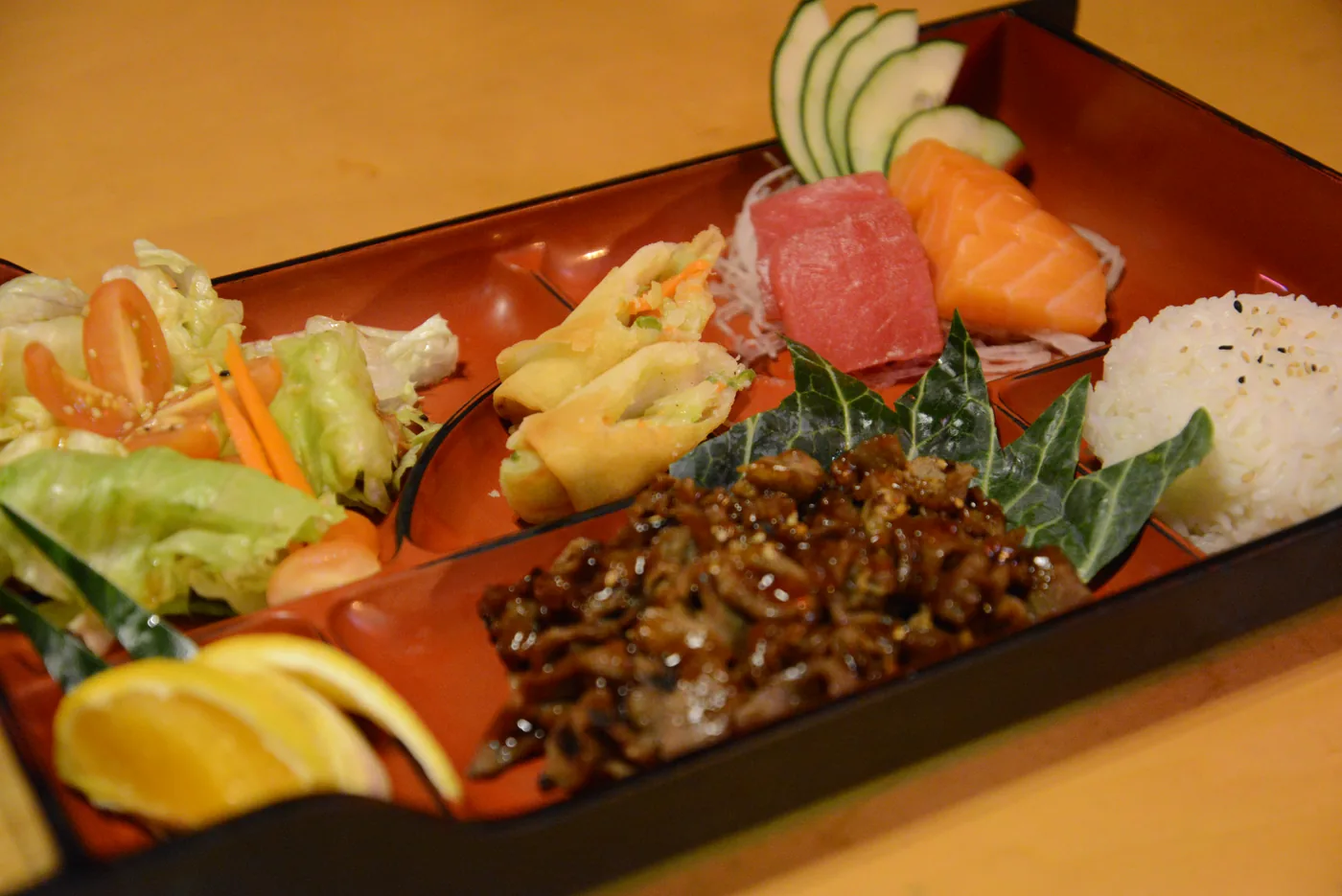
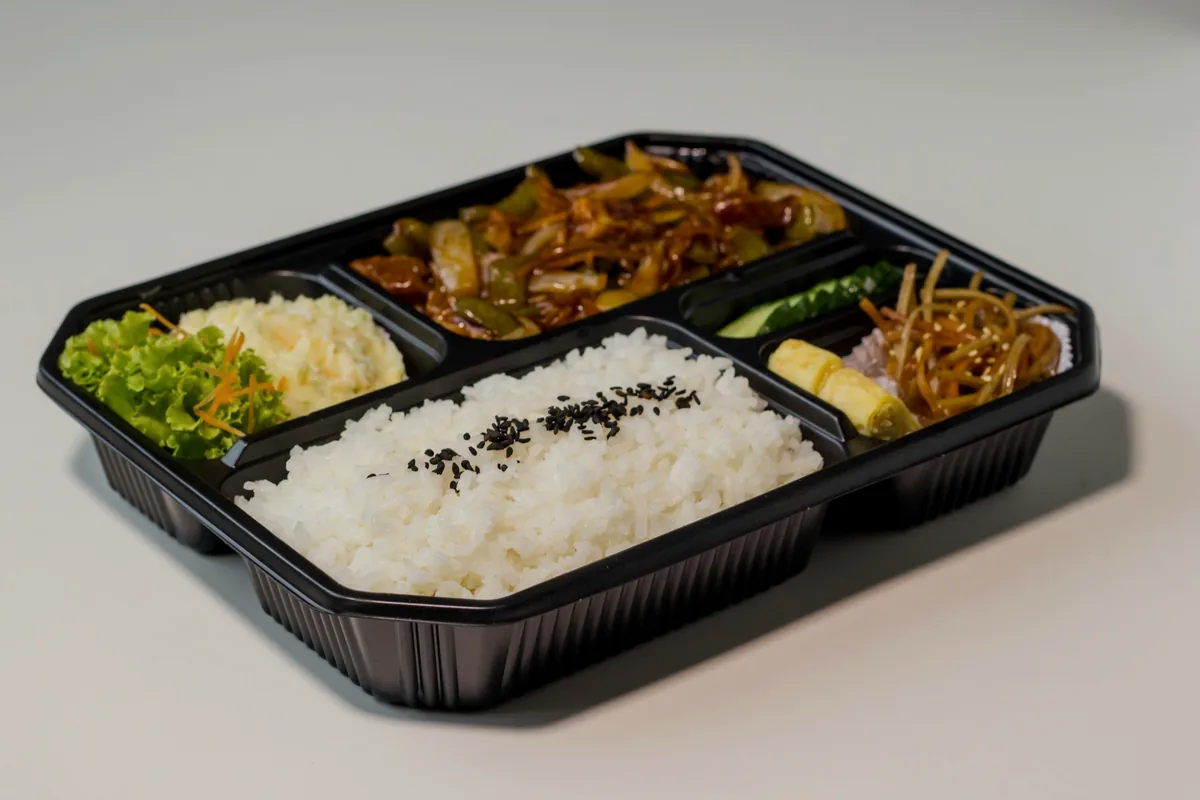
Bento combinations. The format was invented to be carried, and the divisions still do that job. If you are ordering one thing for one person, this is the safest choice on the menu.
What to eat in the restaurant instead
Hand rolls. The nori is meant to snap and it has a window of about two minutes. A hand roll in a box is a soft cone, which is not what it was for.
Tempura. The thinnest coating on the menu, and the first thing to go. Even in its own compartment it loses most of what makes it good.
Ramen and udon in broth. Noodles keep softening in hot liquid for as long as they are in it. Some kitchens will pack the broth separately if you ask, which helps a great deal.
Anything described as crispy on top. Crunch, fried onion and tempura flakes all lose their point in a closed box.
Ordering tip
If you want something fried and you are taking it home, ask for the sauce on the side. Sauce is the fastest route from crisp to soggy, and every sauce on our list is available separately. It costs you nothing and buys the coating another ten minutes.
How long you actually have
| Dish | Holds up | Why |
|---|---|---|
| Cut rolls | Very well | Served cool, nothing to lose |
| Baked rolls | Very well | No crisp texture involved |
| Katsu | Well | Panko is a sturdy coating |
| Teriyaki plates | Well | Grilled, glazed, no crust |
| Bento | Well | Compartments keep things apart |
| Stir-fried noodles | Well | No broth to absorb |
| Deep fried rolls | Moderately | Warm and crisp when fresh |
| Tempura | Poorly | Thin batter, steams immediately |
| Hand rolls | Poorly | Crisp nori, two-minute window |
| Ramen and udon soup | Poorly | Noodles keep absorbing broth |
Ordering for a group to take away
Party platters are the strongest takeout order on any sushi menu, and not by accident. They are assembled cool, they contain nothing crisp that matters, and they are packed flat so nothing crushes anything else.
Order by piece count rather than by platter name, keep at least one platter free of raw fish if the group is mixed, and give the kitchen notice for the larger sizes. The arithmetic for how many pieces per person is in how much sushi to order for a party.
Getting it home well
- Collect it last. If you are running errands, make the food the final stop rather than the first.
- Keep it flat and level. A platter tipped on a car seat arrives rearranged.
- Do not refrigerate sushi you are about to eat. Cold firms the rice. Somewhere cool and shaded is better than the fridge for the next hour.
- Open the fried things immediately. Lifting the lid lets the steam out and buys back some of the crunch.
- Eat in the right order. Fried first, rolls second, anything baked whenever.
On food safety, the general advice applies: do not leave seafood sitting out for hours, and if you are unsure about how long something has been at room temperature, do not take a chance on it.
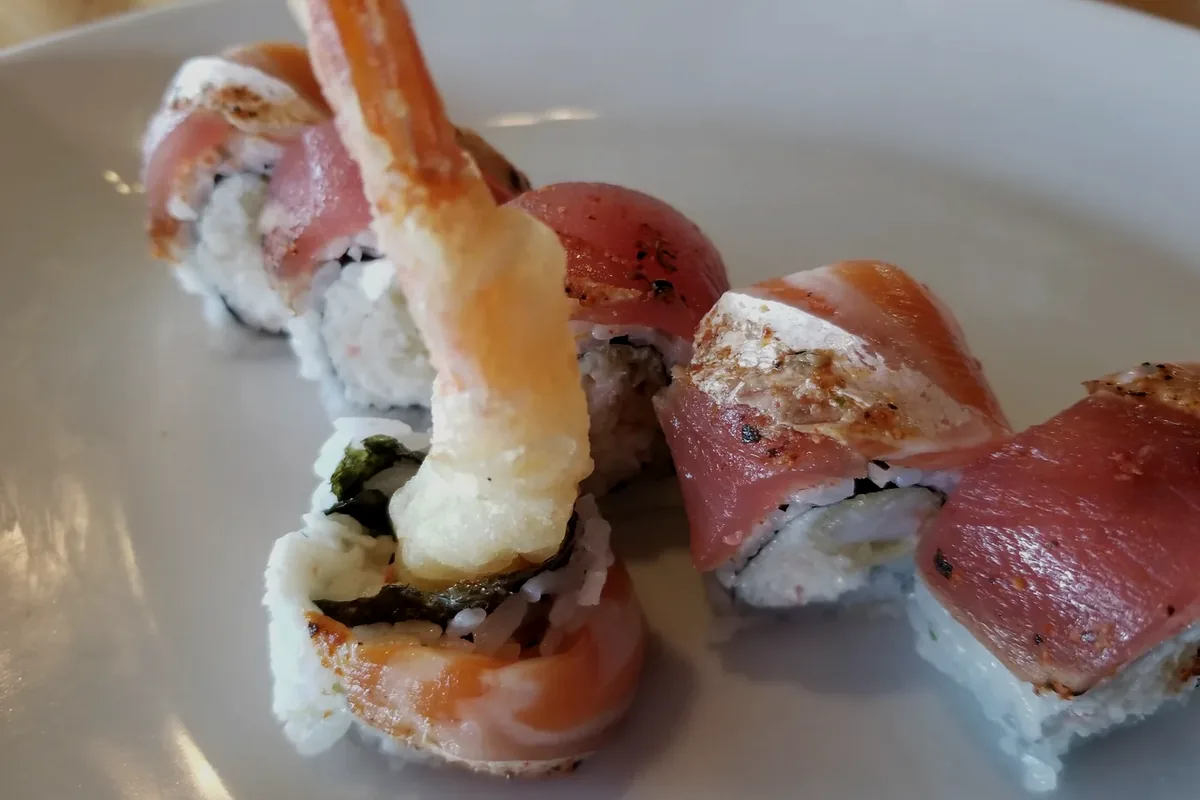
A takeout order that works
If you want a template: one cut roll, one baked roll, one plate from the hot kitchen, and rice. Nothing in that list has a deadline, everything reheats or does not need to, and it covers both sides of the menu.
Add a bento instead of the plate if you are ordering for one, and swap the baked roll for a platter if you are feeding more than three.
Frequently asked questions
Does sushi travel well?
Cut rolls and baked rolls do. Hand rolls do not. The difference is whether anything in the dish is supposed to be crisp.
Should I refrigerate leftover sushi?
For food safety, seafood should not sit out. But refrigeration does harden the rice, so sushi is best treated as a same-meal order rather than something to keep. If in doubt about safety, err on the side of caution.
Can I get ramen to take away?
You can, but noodles soften in broth on the way home. If it is more than a few minutes, a stir-fried noodle dish is the better order.
How far ahead should I order a platter?
Give notice for the larger sizes — a 64-piece platter is a lot of cutting. Call the restaurant and ask what lead time they need for the day you want it.
Is it worth asking for sauce on the side?
For anything fried, yes. Sauce accelerates sogginess more than time does, and all four of our sauces can be packed separately.
The short version
Crisp things and soup are the problem; everything else is fine. Order cut rolls, baked rolls, a hot plate or a bento, ask for sauce on the side, and eat the fried items first when you get there.
The whole menu is at the menu, and the phone number for larger orders is on the contact page.