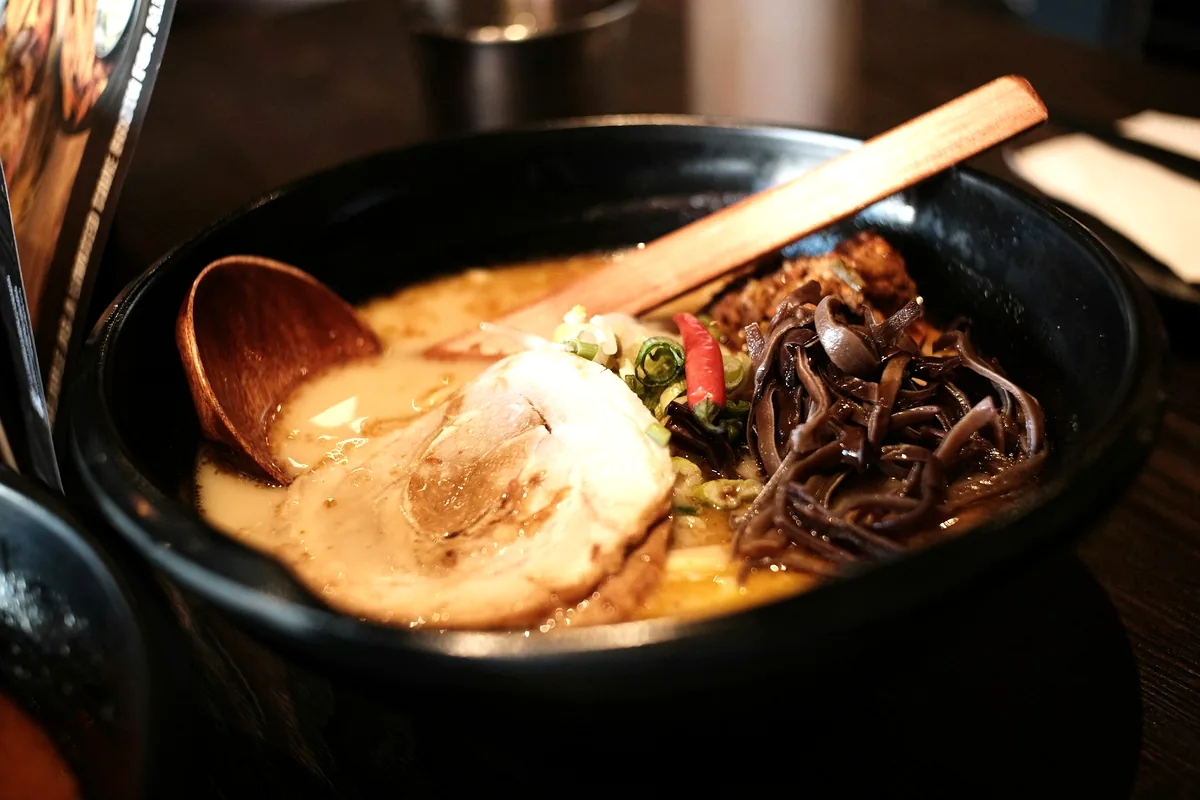
The short answer
Ramenthin, springy noodles in a rich broth
Udonthick, chewy noodles in a lighter one
Ramen noodles are made with kansui, an alkaline water. Udon is just wheat flour, salt and water.
Two bowls of Japanese noodles in broth can look similar from across a table. They are not. The noodle is a different product in each case, and everything about the meal follows from that.
01 — The basicsThe noodles are the real difference
Ramen noodles
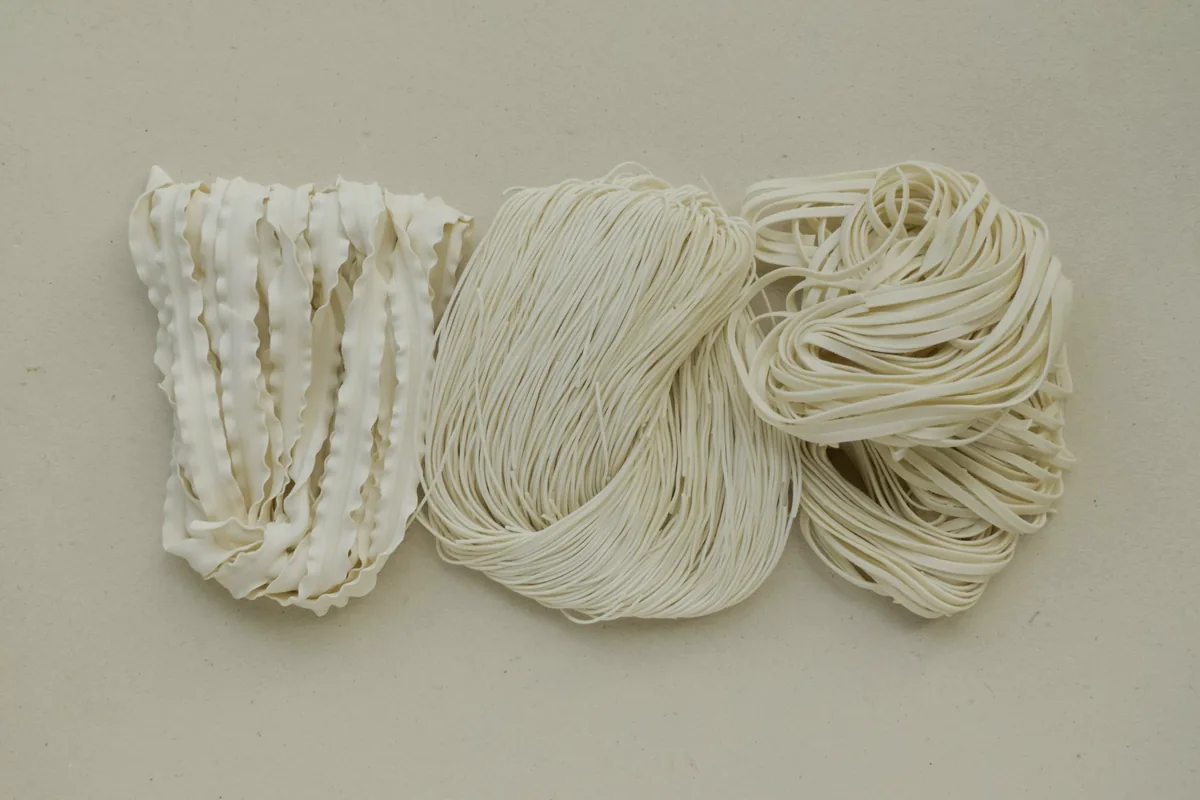
Ramen noodles get their character from kansui, an alkaline solution added to the dough. It changes the protein structure of the wheat, which is what produces the yellow tint, the faint springiness and the ability to stay firm in hot broth. Many recipes also include egg.
They are cut thin, often with a wave to them, and that shape matters: a thin wavy noodle carries broth up out of the bowl with every mouthful. Ramen arrived in Japan from China and developed into a distinctly Japanese dish over the twentieth century — Britannica’s entry on ramen traces that history in more detail.
Udon noodles
Udon is much simpler: wheat flour, salt, water. No kansui, no egg. The dough is worked until it is elastic, then cut thick — an almost square noodle, pale and smooth, several times the width of a ramen noodle.
The result is soft with a real chew to it. Udon does not so much carry the broth as sit in it, which is why udon broths tend to be lighter and cleaner. A heavy, fatty broth would fight the noodle rather than flatter it.
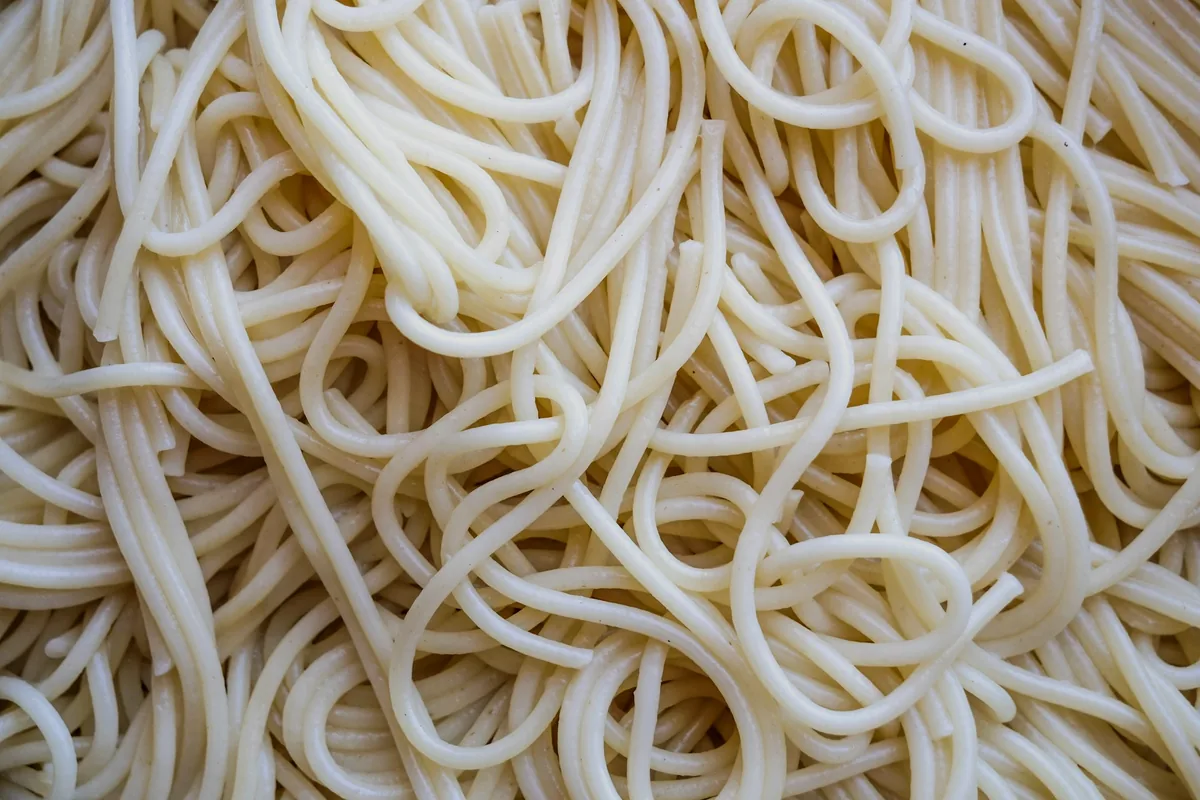
The broth changes what kind of meal it is
Ramen is a broth dish that happens to contain noodles. The liquid is the work: pork bones simmered for hours, or a soy-based stock, or a vegetable base, each seasoned differently. Toppings are chosen to sit against that broth.
Udon broth is generally lighter and less assertive. It is there to season the noodles and carry whatever else is in the bowl — seaweed, fish cake, fried tofu, a protein — rather than to dominate.
This is the practical difference at the table. A bowl of ramen tends to be richer and more filling than a bowl of udon with the same protein in it.
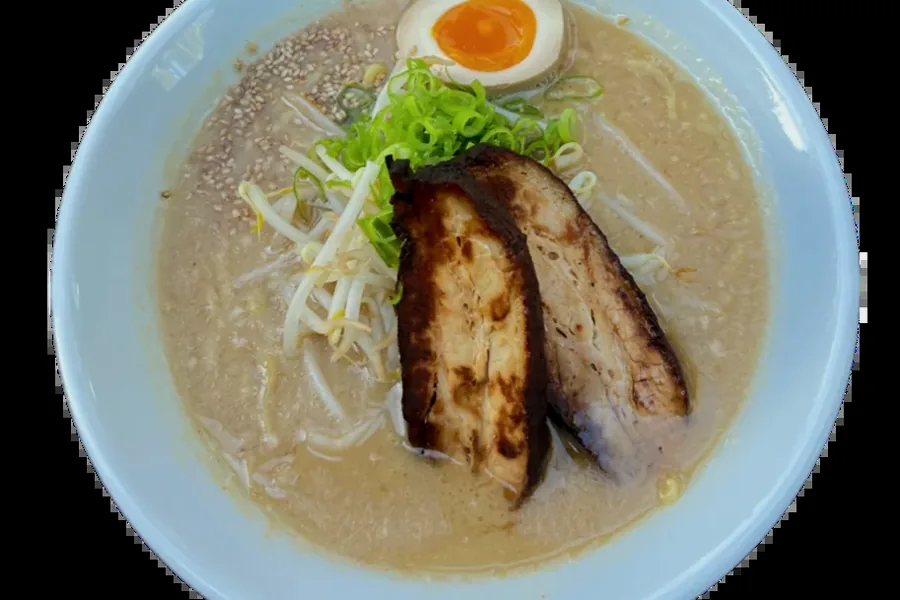
Ramen vs udon at a glance
| Feature | Ramen | Udon |
|---|---|---|
| Noodle thickness | Thin | Thick, often close to square |
| Noodle shape | Frequently wavy | Straight |
| Key ingredient | Kansui, an alkaline water; often egg | Wheat flour, salt, water only |
| Texture | Springy, firm, elastic | Soft with a heavy chew |
| Colour | Pale yellow | White |
| Typical broth | Rich and strongly seasoned | Lighter and cleaner |
| What leads the dish | The broth | The noodle |
| Best for | A rich, filling bowl | Something gentler, or a cold day without the heaviness |
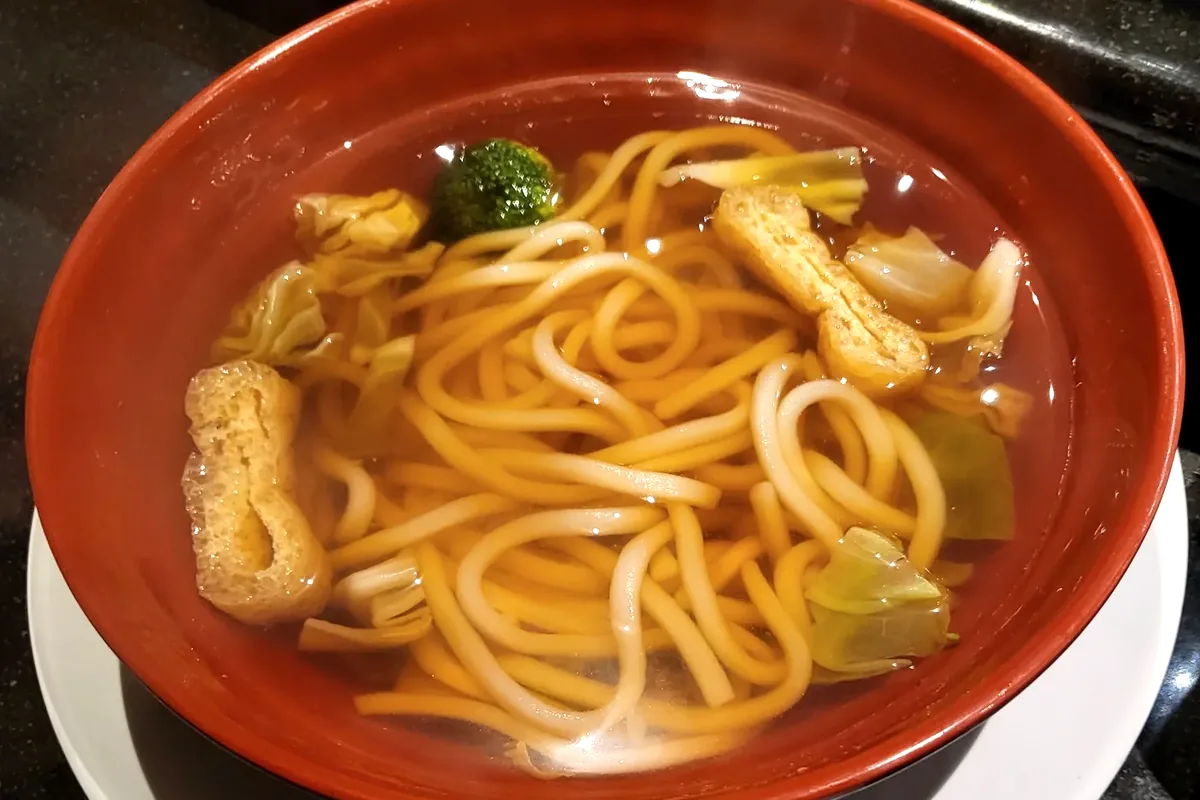
Which should you order?
Choose ramen if
- You want the richest thing on the noodle menu
- Broth is the part you care about
- You like a bowl with several distinct toppings to work through
- You are hungry enough for a heavy meal
Choose udon if
- You want something warm but not heavy
- Texture matters more to you than intensity
- You are eating noodles alongside sushi and do not want the meal to tip over
- You are ordering for someone who finds ramen too rich
Good to know
Kansui is what makes a ramen noodle a ramen noodle. It is an alkaline solution worked into the dough, and it is responsible for the yellow tint, the spring, and the way the noodle holds up in hot broth. Udon has none.
Eat it faster than you think
Both noodles keep cooking in the bowl. Ramen is the more urgent of the two: the noodles are thin and firm when they arrive, and they soften noticeably within about ten minutes. Kitchens time them to be right at the moment the bowl reaches the table, which is why ramen is one of the few dishes worth eating before you finish talking.
Udon is more forgiving. The noodle is thick enough that it holds its chew far longer, so a bowl of udon survives a slower meal. If you are the last person to be served, or you are eating with children, that difference is worth knowing.
Slurping is not a gimmick either. Drawing air in with the noodles cools them on the way to your mouth and carries the aroma of the broth with them. It is normal, and it is faster.
Hot, cold, and which one travels
Udon is served both hot and cold in Japan, and the cold version — noodles drained and served with a dipping sauce — is a summer standard. Ramen is almost always hot, because the broth is the dish.
For takeout, neither travels perfectly. Broth and noodles in the same container means soft noodles by the time you get home, so if the distance is more than a few minutes, a stir-fried noodle dish is the safer order.
Where yakisoba and yaki udon come in
Both of those are stir-fried rather than served in broth, and the distinction between them is the same noodle question in a different setting. Yakisoba uses a thinner, springier noodle; yaki udon uses the thick udon noodle. Same vegetables, same pan, noticeably different plate.
If you like udon but do not want soup, yaki udon is the obvious move — you keep the chew and lose the broth. Our stir-fried noodle dishes are listed with a choice of protein.
Ramen and udon at Tokyo Roll & Noodle
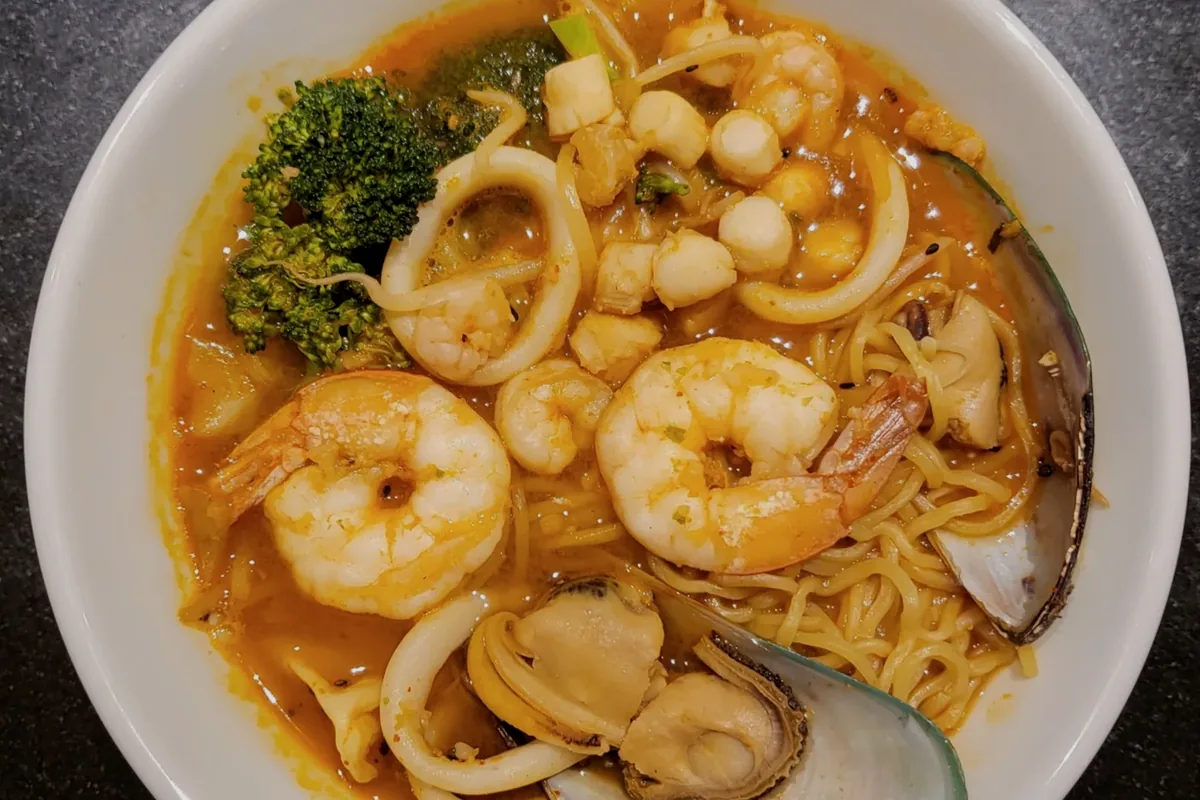
The hot kitchen runs both. There are five ramen bowls, each built on its own broth: a heavy pork tonkotsu, a spicy miso from the same pork base, a lighter soy-based shoyu, a spicy seafood bowl, and a creamy vegan bowl on a vegetable broth. We wrote about how those five differ in a closer look at the five broths.
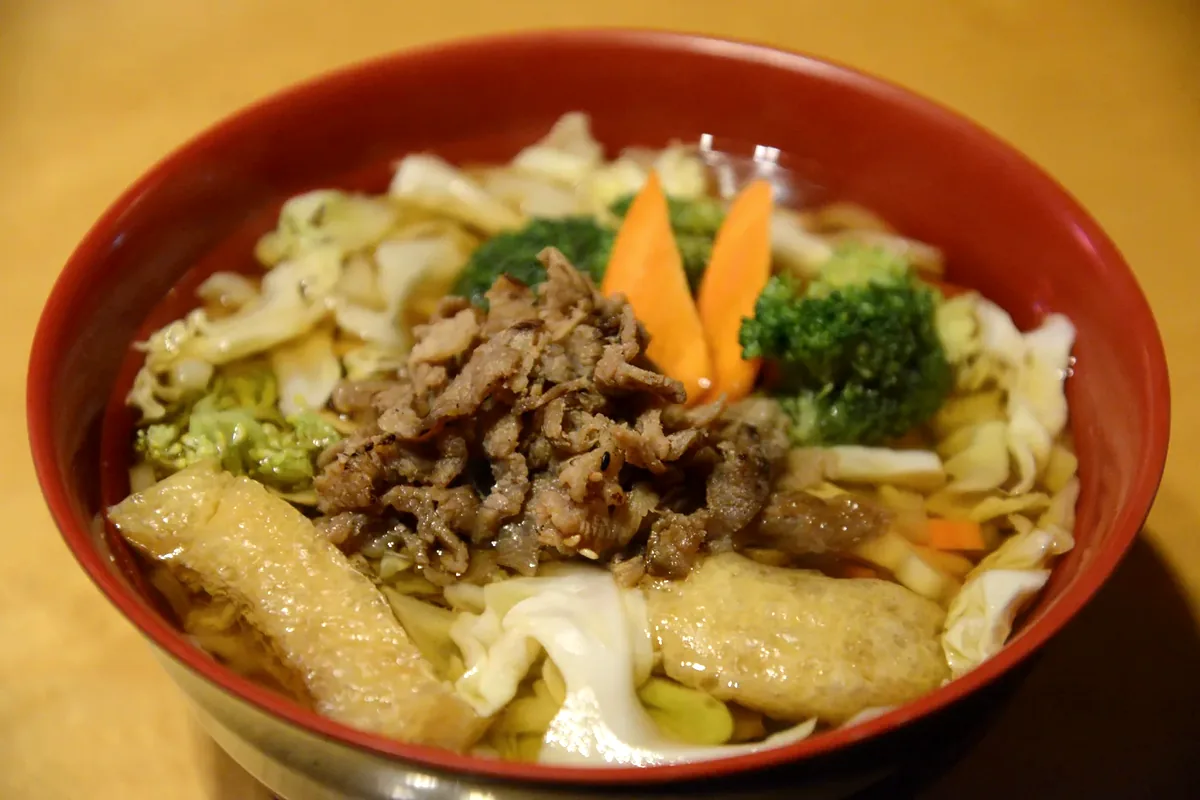
The udon list is shorter and deliberately simpler — plain, chicken, beef, and a shrimp tempura version where the tempura is served on the side so it stays crisp. You can compare them on the udon section of the menu, or read across the whole hot kitchen on the ramen list.
Frequently asked questions
Is udon healthier than ramen?
It depends entirely on the bowl, not the noodle. A udon in a light broth is usually lighter than a pork-bone ramen, but toppings and portion size matter more than the category. We do not publish nutrition figures for our dishes, so treat any specific claim with caution.
Do ramen noodles contain egg?
Many do, though the defining ingredient is kansui rather than egg. If you need to avoid egg or wheat, ask the restaurant directly rather than assuming from the dish name.
Which is better for a cold day?
Either works, but they warm you differently. Ramen is the richer, heavier answer; udon is warm without sitting as heavily afterwards.
Can you get udon without soup?
Yes — that is yaki udon, the stir-fried version. Same thick noodle, cooked in a pan with vegetables and sauce instead of served in broth.
Is soba the same as either of these?
No. Soba is made with buckwheat, which gives it a brown-grey colour and an earthier flavour. Ramen and udon are both wheat noodles.
The short version
Thin springy noodle in a rich broth, or thick chewy noodle in a light one. Ramen is about what is in the bowl around the noodles; udon is about the noodles themselves.
Both are made to order in our Chino Hills kitchen. Have a look at the full menu to see the five broths and the udon list side by side.