The short answer
Sushithe seasoned rice, not the fish
Seasoned withvinegar, sugar and salt
The word itself comes from a term meaning sour, which is a description of the rice. Everything else on the plate is a topping.
Ask most people what sushi is and they will describe fish. The word actually describes the rice underneath it, and once you know that, several things about a sushi menu stop being confusing.
01 — What it isRice that has been seasoned
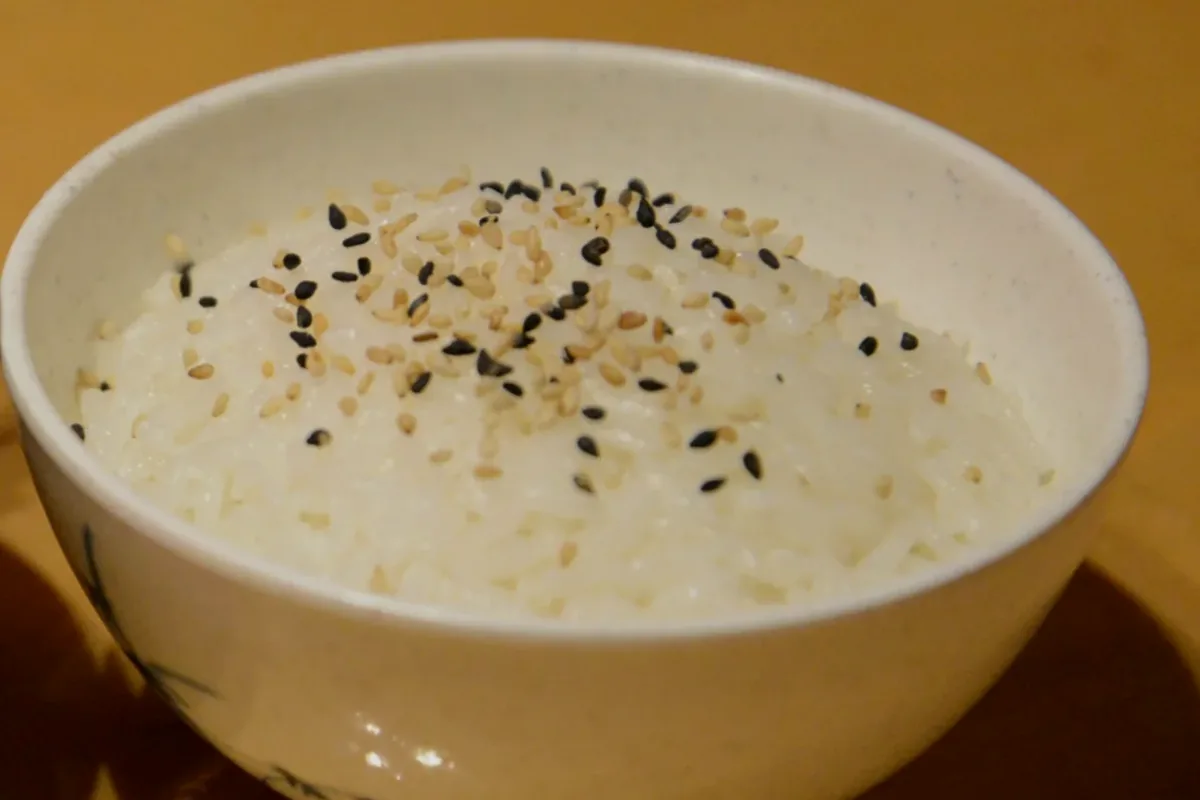
Sushi rice is short grain rice cooked, then dressed while still hot with a mixture of rice vinegar, sugar and salt. It is folded through rather than stirred, and fanned as it cools so the grains stay separate and take on a slight shine.
The result is not plain rice. It is faintly sour, faintly sweet, and salted — a seasoned ingredient in its own right, which is why a piece of sushi tastes of something even before you get to the fish.
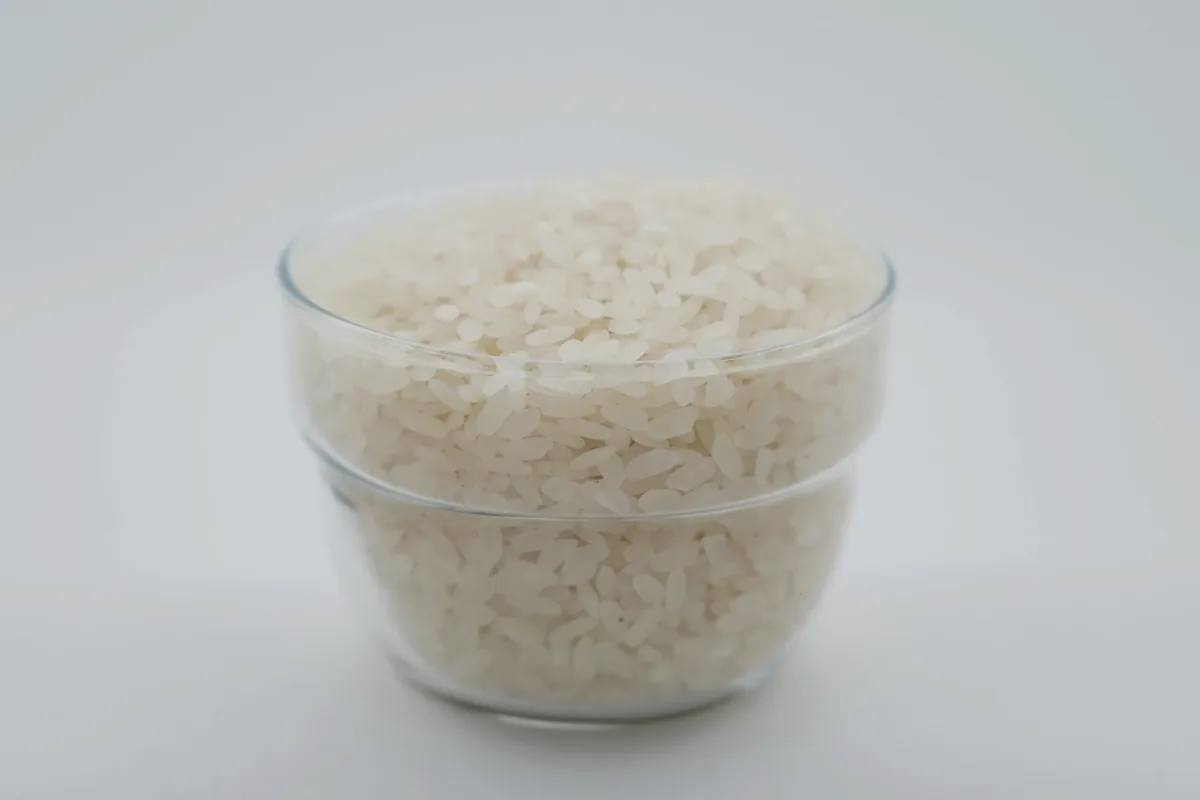
Short grain is not a preference. Its higher starch content is what makes the grains cling to each other enough to hold a shape while still coming apart in the mouth. Long grain rice will not do it.
Why the temperature matters
Sushi rice is meant to be served close to body temperature — not hot, and not cold from a fridge. Cold rice goes hard and loses its aroma, and the difference between a good piece of nigiri and a disappointing one is often nothing more than this.
It is also why sushi does not keep well overnight. The fish is usually blamed, but the rice is what fails first: refrigeration firms the starch and the texture never fully recovers.
If you are taking sushi home, eat it the same day and keep it somewhere cool rather than cold. That single habit does more for a takeout order than anything else.
Why it is the hardest part to get right
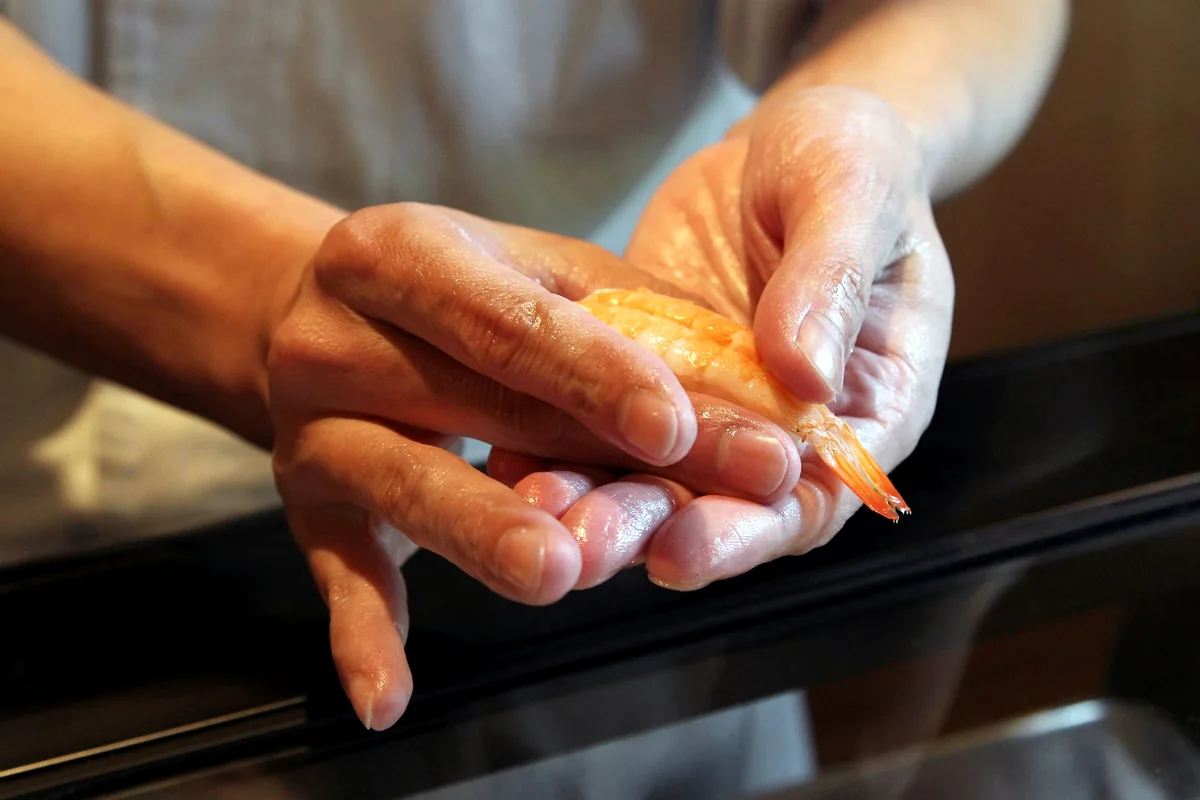
Fish is bought. Rice is made, every day, and it is the part of a sushi bar that cannot be shortcut. The proportions of vinegar to sugar to salt are a house decision, and two restaurants using identical fish will taste different because of what is underneath it.
There is a window, too. Seasoned rice is at its best within a few hours of being made and it does not improve after that, which means the day’s rice sets a ceiling on the day’s sushi. It is the one ingredient a kitchen cannot buy its way out of.
None of which is visible from a seat at the counter, and that is rather the point. The rice is doing the work and taking none of the credit.
02 — What follows from itThree things the definition explains
Once sushi means rice, a set of otherwise confusing menu facts line up.
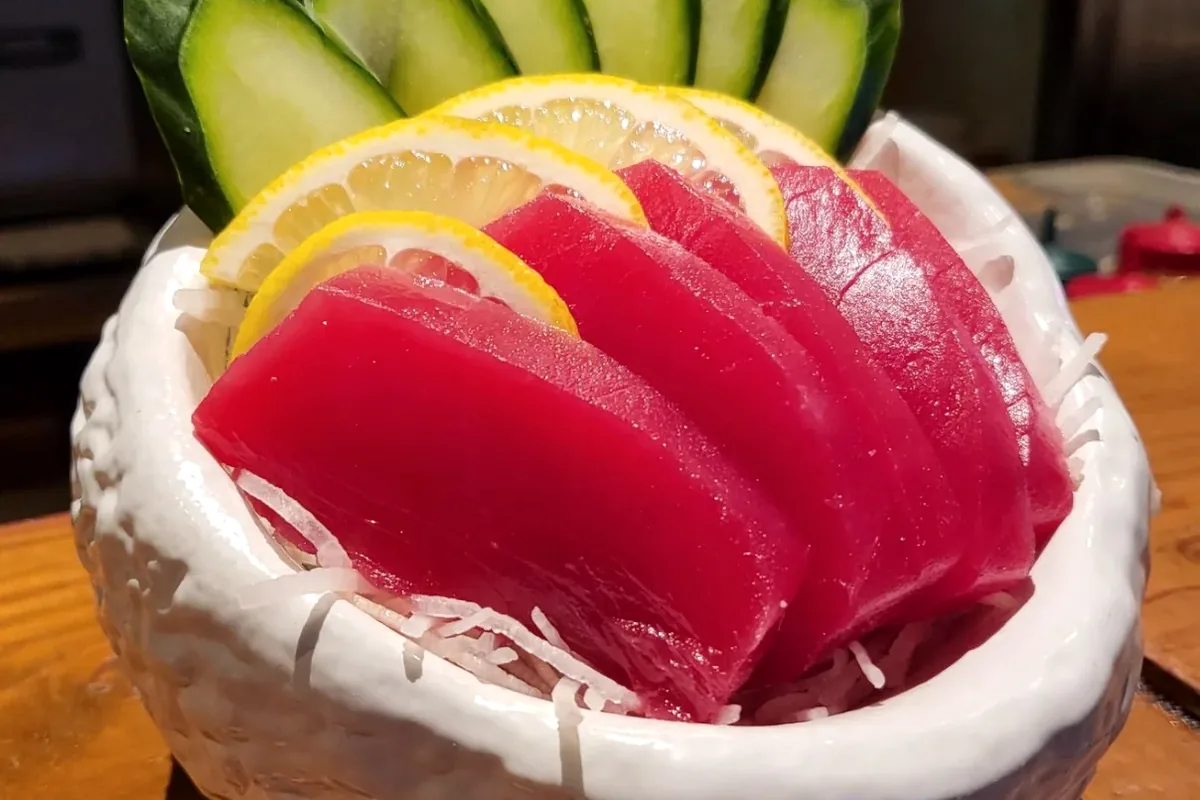
- Sashimi is not sushi. It is fish with no rice, so it falls outside the definition entirely. That is the whole distinction, set out in nigiri versus sashimi.
- Cooked rolls are still sushi. Deep fried, baked, filled with chicken — if it is built on seasoned rice, it qualifies. Nothing about the word requires raw fish.
- Vinegar explains the pairings. Cream cheese, avocado, mayonnaise and fried food all work with sushi because acidity balances fat, and the rice is bringing the acidity.
Good to know
This is also why dipping nigiri rice-first into soy sauce works so badly. The rice is already seasoned and already absorbent; adding soy to it doubles the salt and dissolves the shape. Turn the piece over and touch the fish to the sauce instead.
The rolls that leave it out
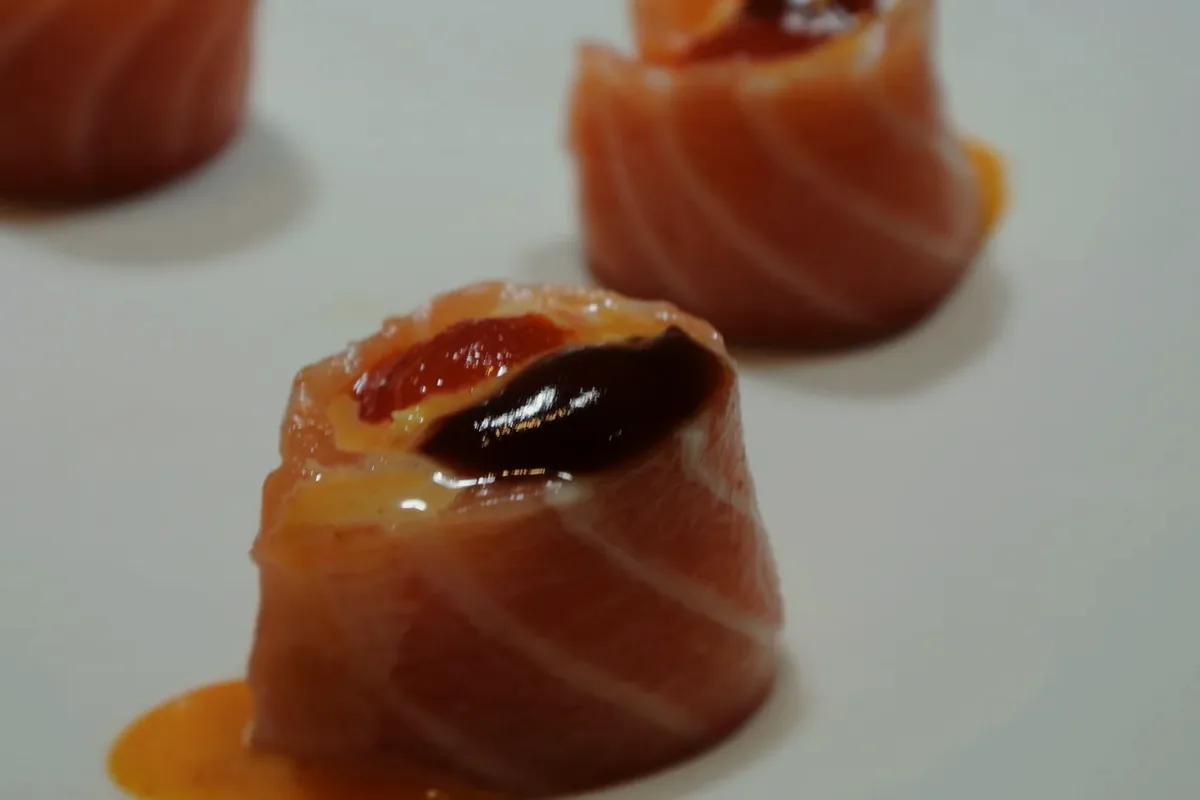
A handful of specialty rolls are made without rice at all — wrapped in slices of fish or in cucumber instead. On our list they are marked no rice, and they are cut into five pieces rather than eight because each one is denser.
Strictly speaking these sit outside the definition too. They eat much closer to sashimi than to a roll, and they are worth knowing about if you find standard rolls too filling — there is a great deal of rice in eight pieces.
How much rice is in what you ordered
| Format | Rice | Eats as |
|---|---|---|
| Sashimi | None | Pure fish, light |
| No-rice roll | None | Dense, fish-forward |
| Hand roll | A little, under the filling | Filling-led |
| Nigiri | A formed block per piece | Balanced, one mouthful |
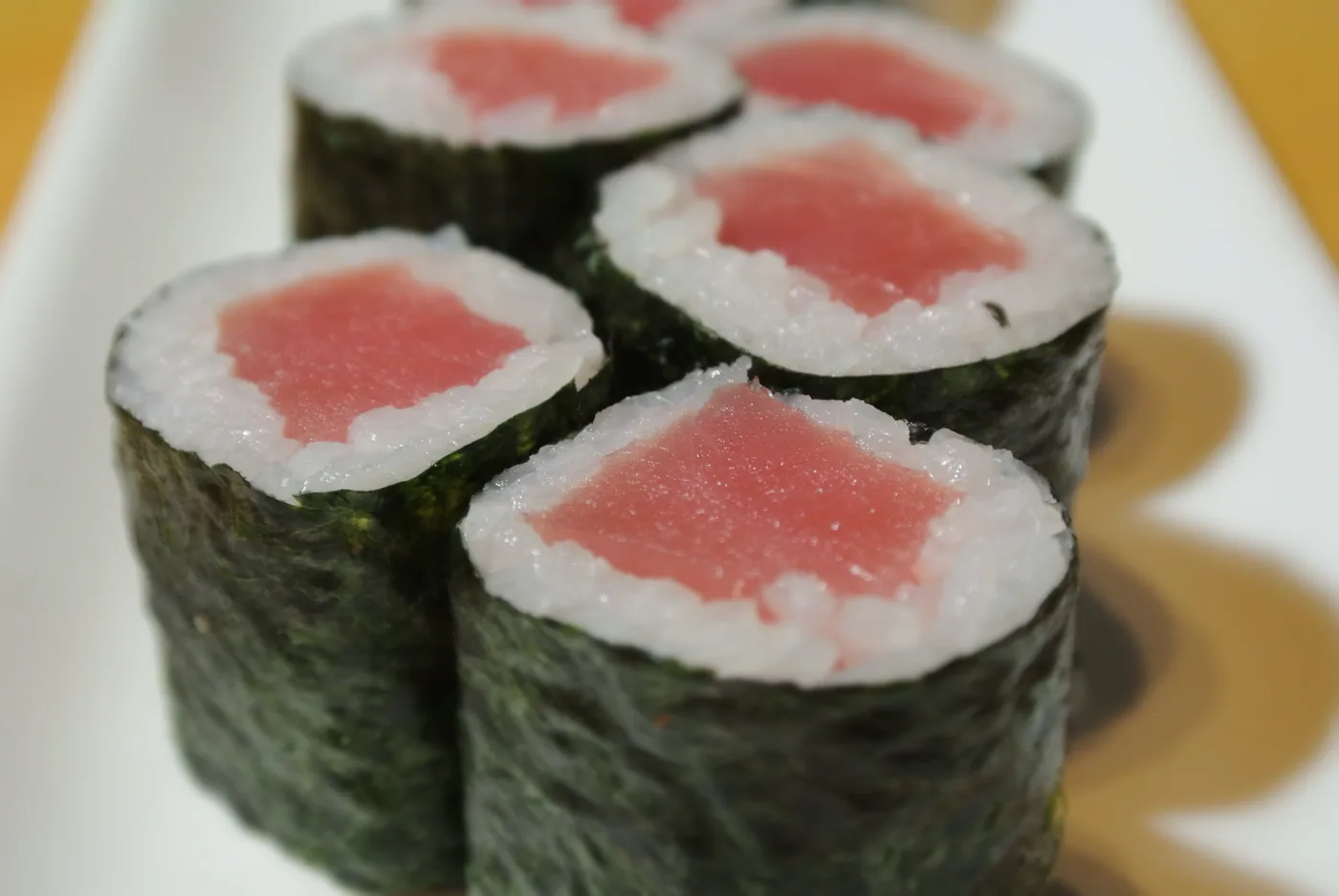
| Basic cut roll | A ring around the filling | Rice-forward |
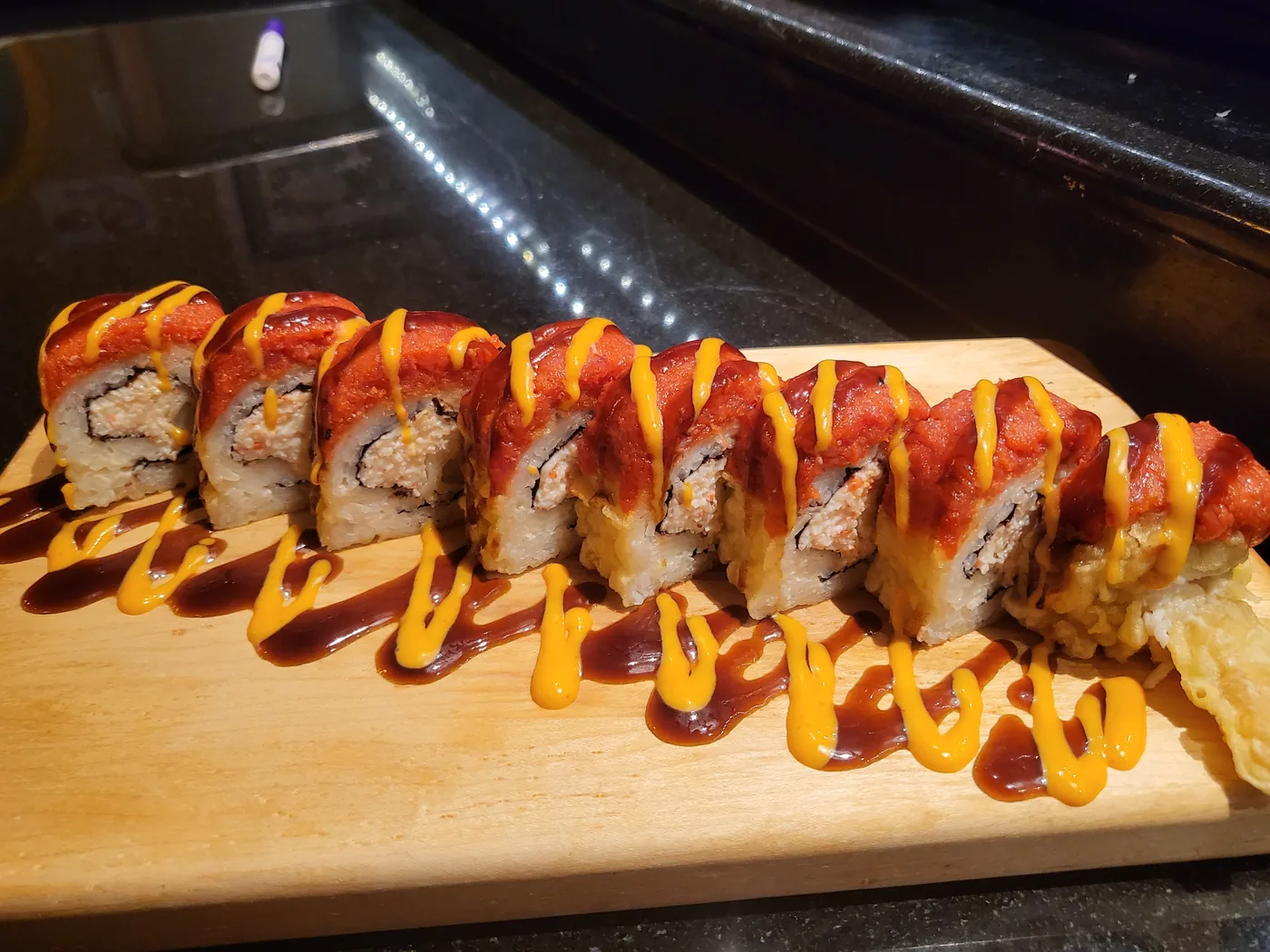
| Specialty roll | A thick ring, plus a topping | The most filling of the lot |
This is the practical use of knowing what sushi is. If you are ordering for someone who wants to eat lightly, the answer is not fewer pieces — it is a format with less rice in it.
Rice as a side, and why it is different
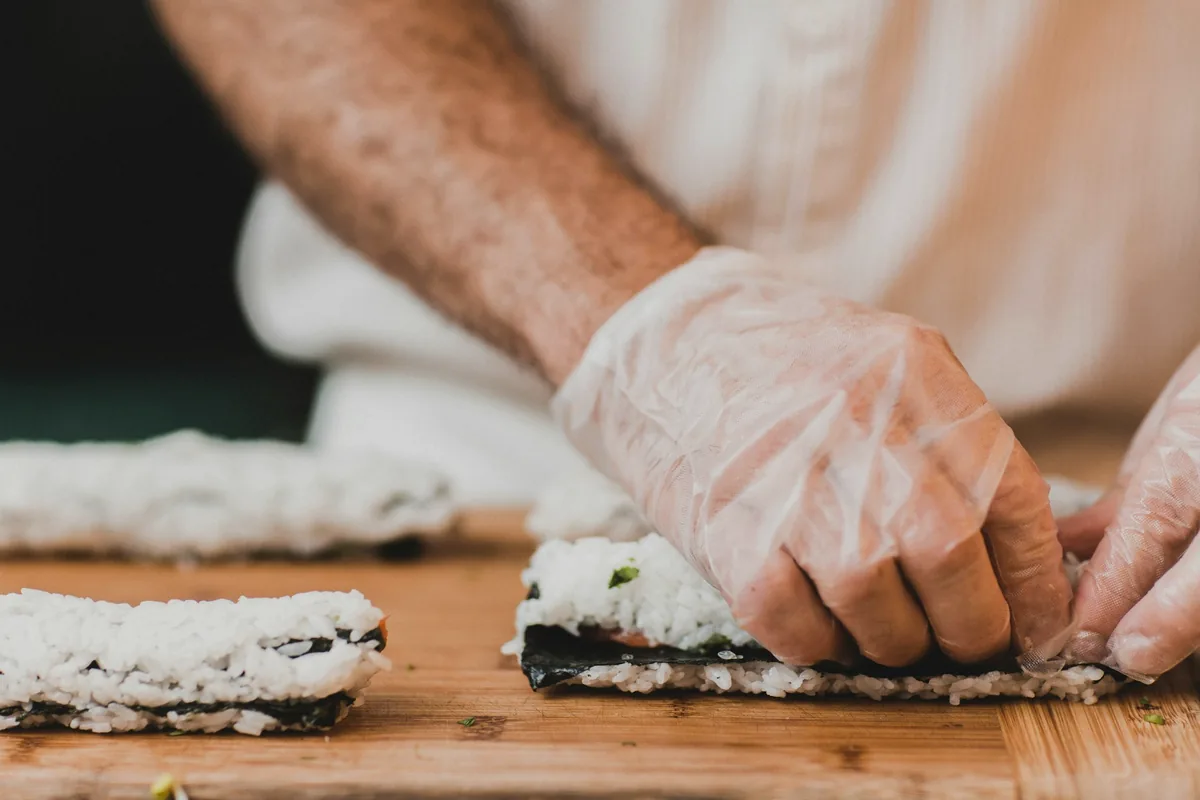
The steamed rice that comes with a teriyaki plate or a bento is not sushi rice. It is plain short grain rice, unseasoned, and it is doing a completely different job — a neutral base against a strongly flavoured main rather than a seasoned component in its own right.
Both appear on the same menu and they are not interchangeable. Asking for sushi rice with a katsu plate would make the plate taste odd, and plain rice under a piece of nigiri would make it taste of very little.
Frequently asked questions
Does sushi have to contain fish?
No. A cucumber roll and an avocado roll are both sushi. The rice is the requirement; the topping is not.
Why is sushi rice sticky?
Short grain rice is higher in the starch that makes grains cling together. That stickiness is structural — it is what lets a piece hold its shape.
Is sushi rice gluten free?
Rice and rice vinegar do not contain gluten, but a finished dish involves more than rice — soy sauce typically contains wheat, and many toppings do too. If you need to avoid gluten, ask the restaurant about the specific order rather than reasoning from the rice alone.
Can I ask for less rice?
It is easier to order a format that has less of it. Sashimi, hand rolls and the no-rice rolls all shift the ratio without asking the kitchen to rebuild a roll.
Why does supermarket sushi taste different?
Usually the rice, and usually temperature. Refrigeration firms the starch, and rice that has been cold does not come back.
The short version
Sushi is seasoned rice. Vinegar, sugar and salt, folded through short grain rice and served near body temperature. The fish is the part everyone talks about and the rice is the part that decides whether it is any good.
Everything built on it is on the menu — and if the specialty names are the confusing part, start with how to read them.