The short answer
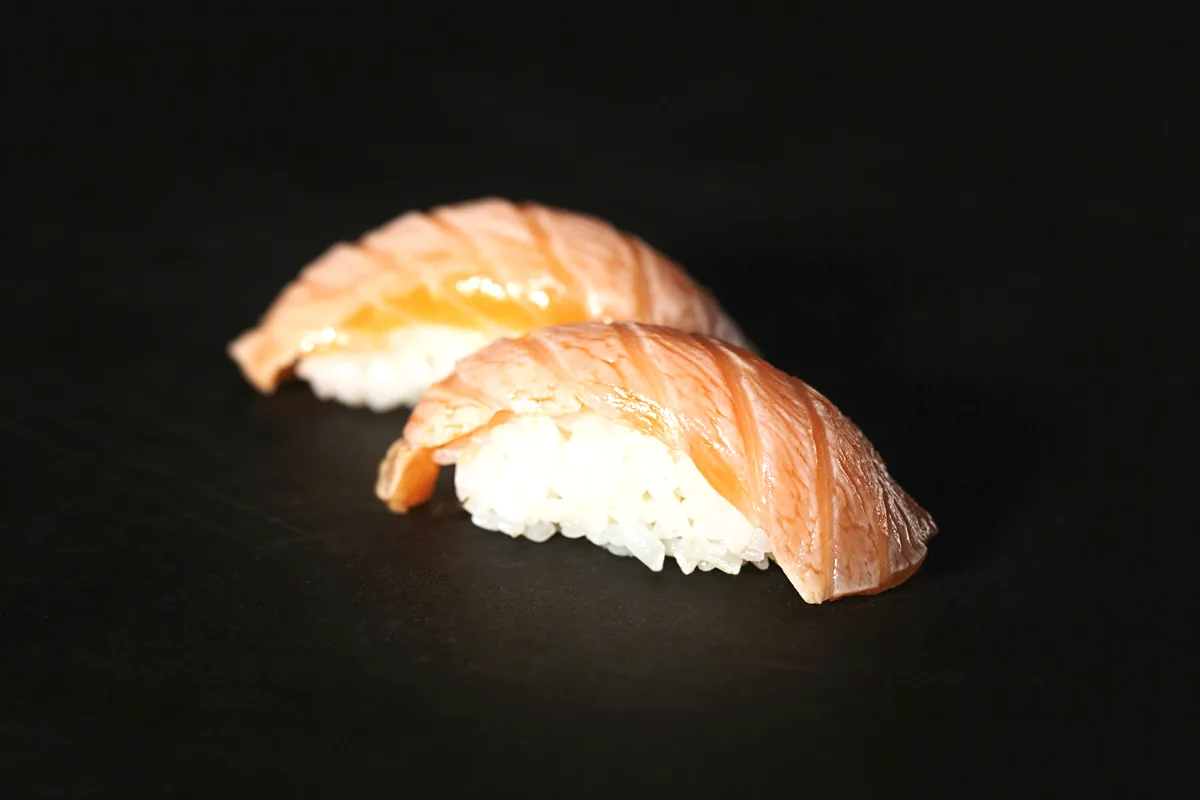
Nigiritopping + seasoned rice
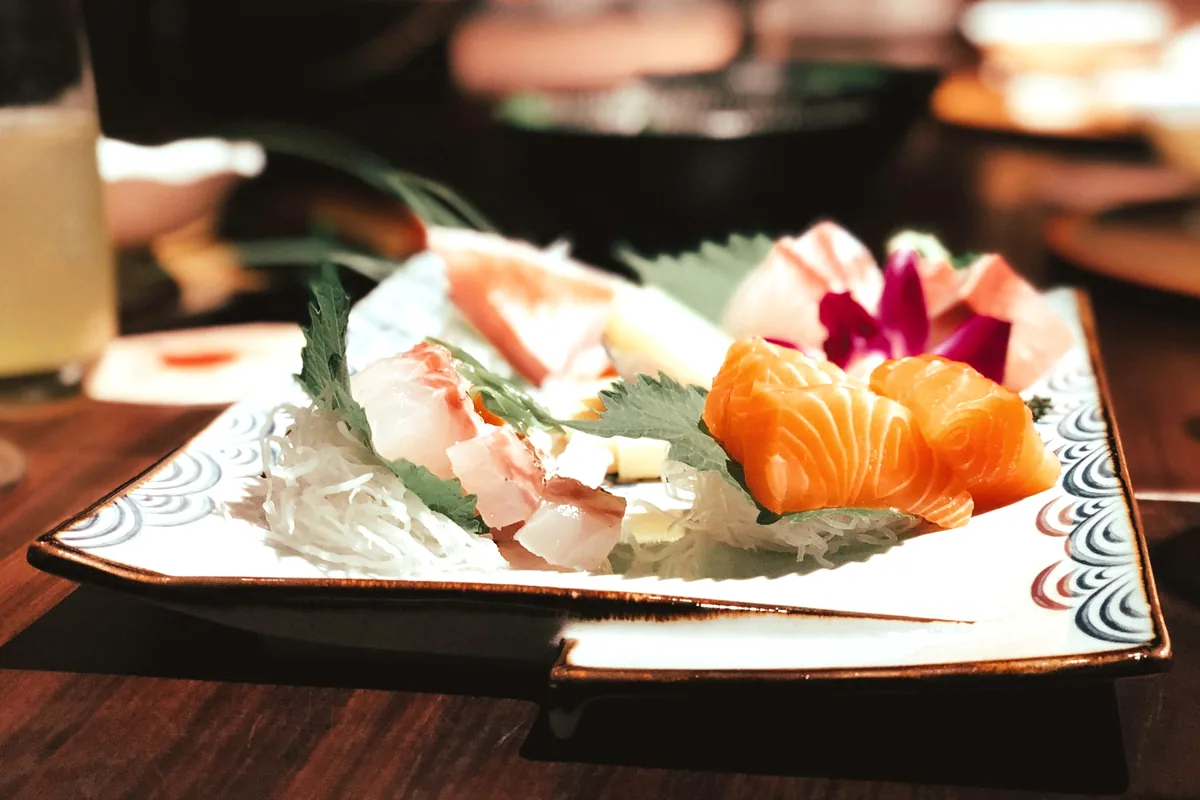
Sashimisliced seafood, no rice
Nigiri counts as sushi and sashimi does not, because sushi means the seasoned rice — not the raw fish.
If you have ever looked at a sushi menu and wondered why some fish arrives on rice and some arrives on its own, this is the distinction you are looking at. It is a small difference on the plate and a large one in how the food is meant to be eaten.
01 — The basicsWhat nigiri actually is
Nigiri is short for nigirizushi, which translates roughly as hand-pressed sushi. The chef forms a small oblong of vinegared rice by hand, adds a dab of wasabi, and lays a slice of fish across the top. Some pieces are finished with a strip of nori to hold a soft topping in place.
The word sushi refers to the seasoned rice, not to raw fish. That is why nigiri is sushi and why plenty of nigiri is not raw at all. Cooked shrimp, freshwater eel, and sweet egg omelette are all standard nigiri toppings.
Portion size matters here. A piece of nigiri is designed to be one mouthful, so the rice is doing real work: it carries the fish, balances it, and fills you up faster than sashimi will.
What sashimi actually is
Sashimi is sliced fish or seafood served without rice. It usually arrives as several slices of one fish, fanned over a bed of shredded daikon radish with a shiso leaf and a small mound of wasabi.
Because there is nothing underneath it, the cut is the whole dish. Thickness, angle and the direction of the grain all change how the fish eats, which is why sashimi slices are noticeably thicker than the fish on a piece of nigiri.
Sashimi is almost always raw. If you are new to raw fish, it is worth knowing that commercial freezing is a standard step for many species intended to be eaten raw; the FDA’s guidance on selecting and serving seafood safely explains how that works and what to look for.
02 — Side by sideNigiri vs sashimi at a glance
| Feature | Nigiri | Sashimi |
|---|---|---|
| Rice | Yes, a hand-formed block of seasoned rice | None |
| Is it sushi? | Yes | No, because sushi means seasoned rice |
| Typical serving | Two pieces per order | Several slices of one fish |
| Cut of fish | Thinner slice, sized to the rice | Thicker slice, cut to be eaten alone |
| Always raw? | No, cooked toppings are common | Almost always raw |
| How it is eaten | One bite, fish-side down into soy | Slice by slice, lightly dipped |
| Best for | Trying several fish, or a lighter appetite | Tasting one fish properly |
Which one should you order?
Order nigiri if you are still deciding what you like
Nigiri is the better first step. The rice softens the intensity of the fish, each order is small enough to move on quickly if something is not for you, and cooked options sit on the same list. Ordering three or four different pieces is a cheap way to find out which fish you actually want more of.
Order sashimi if the fish is the point
Sashimi is the better order when you already know what you like and want more of it. It is also the choice if you are avoiding rice, or if you want to start a meal light before moving on to rolls or a hot dish.
One practical note: sashimi usually costs more than the same fish as nigiri, because you are paying for a larger portion of fish and none of the rice.
How to eat each one without overthinking it
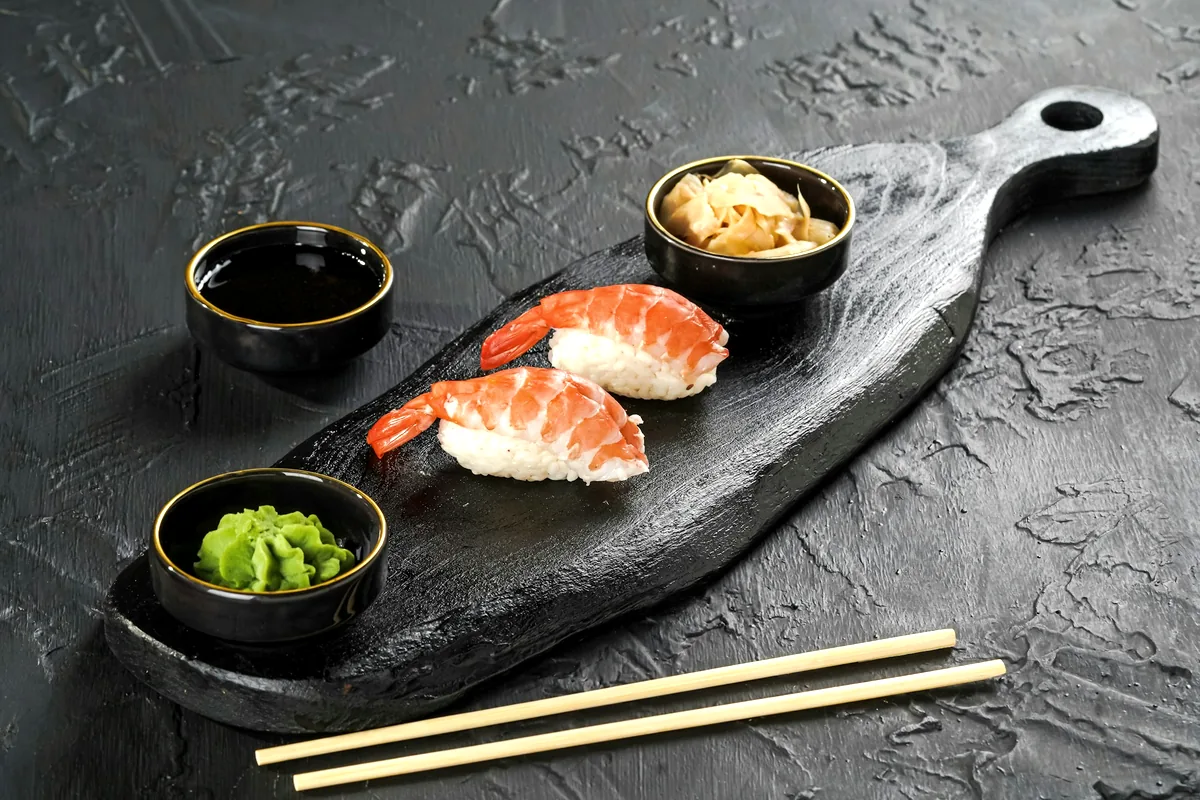
- Dip fish-side down. With nigiri, turn the piece over and touch the fish to the soy sauce, not the rice. Rice soaks up soy immediately and falls apart.
- Go easy on the soy. A light touch is enough. The fish should still taste like fish.
- Wasabi is already there. Many nigiri pieces are made with a small amount of wasabi under the fish, so add more only if you want it.
- Ginger is a palate cleanser. Eat it between different fish, not on top of them.
- Fingers are fine. Nigiri is traditionally eaten by hand. Sashimi is eaten with chopsticks.
Ordering tip
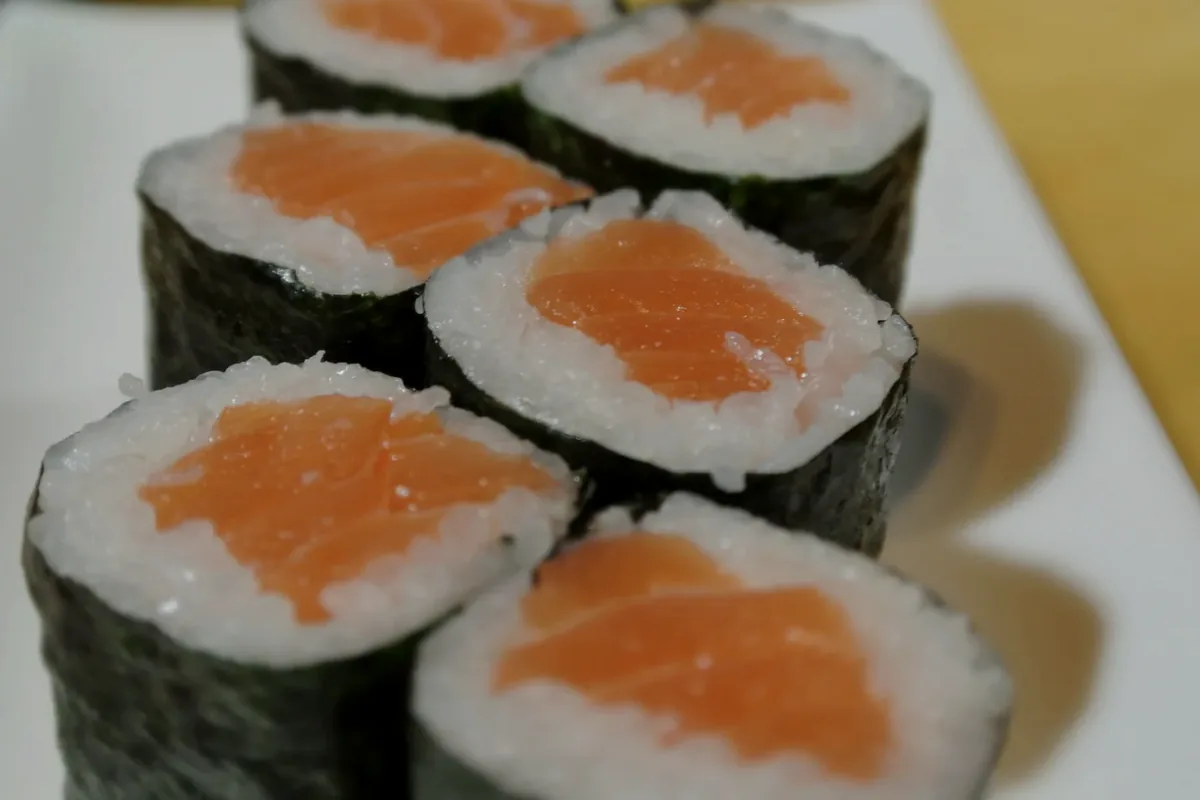
If you are new to raw fish, a cooked specialty roll is an easier first step than sashimi. Baked and fried rolls give you the format without the raw texture, and you can move on to nigiri once you know which fish you like.
Where rolls and hand rolls fit in
Rolls are the third category, and they are sushi for the same reason nigiri is: seasoned rice. A basic roll wraps rice and one or two fillings in nori and cuts the result into pieces. A specialty roll adds toppings, sauces, or a trip through the oven or fryer, which is a different conversation entirely — we covered that in how baked, fried and fresh rolls differ.
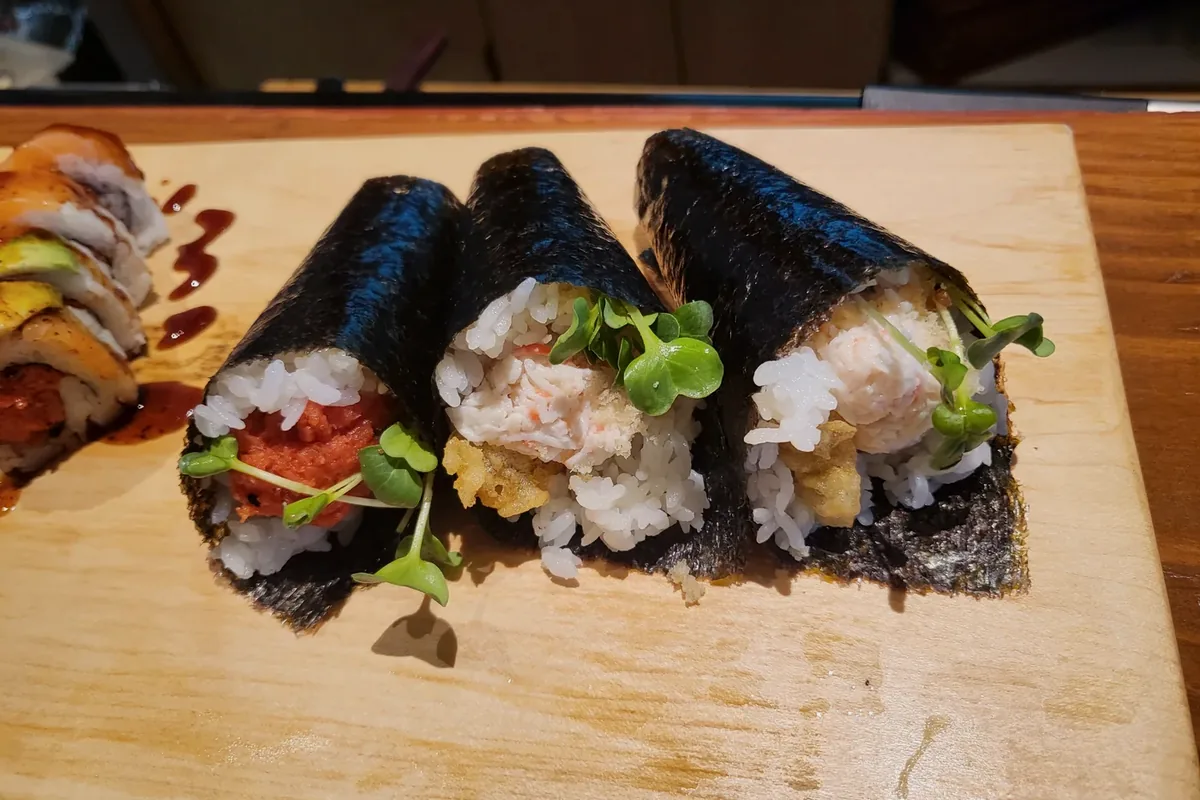
Hand rolls are the odd one out. Instead of being cut into pieces, the nori is wrapped into a cone and handed over whole. They are meant to be eaten straight away, while the nori is still crisp, which is why they rarely travel well.
Ordering nigiri and sashimi at Tokyo Roll & Noodle
Our sushi bar lists both. The sashimi section keeps it simple with an assorted plate and an individual five-piece order, so you can either sample a spread or commit to one fish. You can see both on the sashimi section of the menu.
For nigiri, the happy hour list includes a two-piece sushi order described simply as your choice of fish on top of sushi rice — which is nigiri, priced by the pair. That same list carries most of our hand rolls, from salmon skin and eel through to spicy scallop. Browse it on the happy hour and sushi bar list.
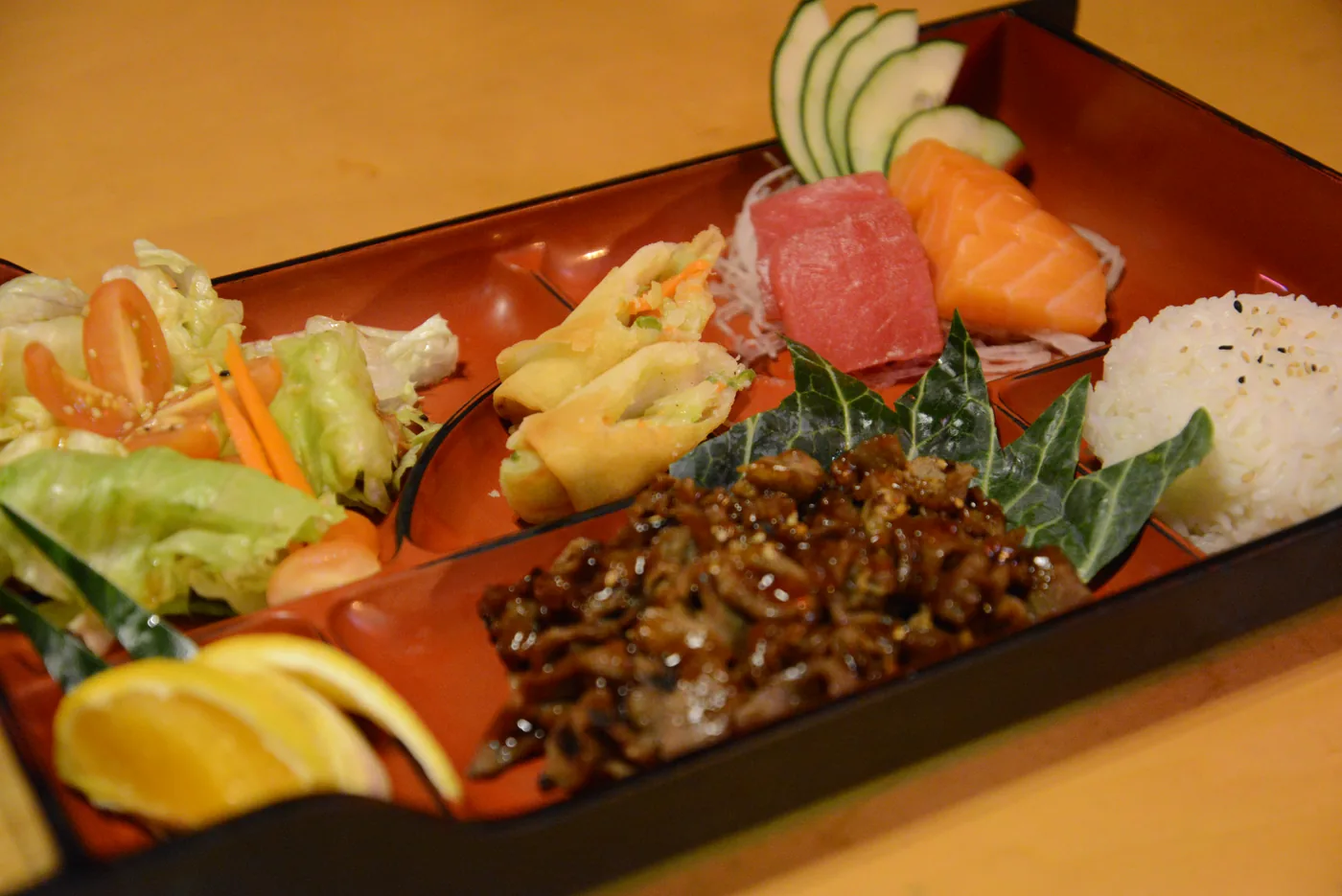
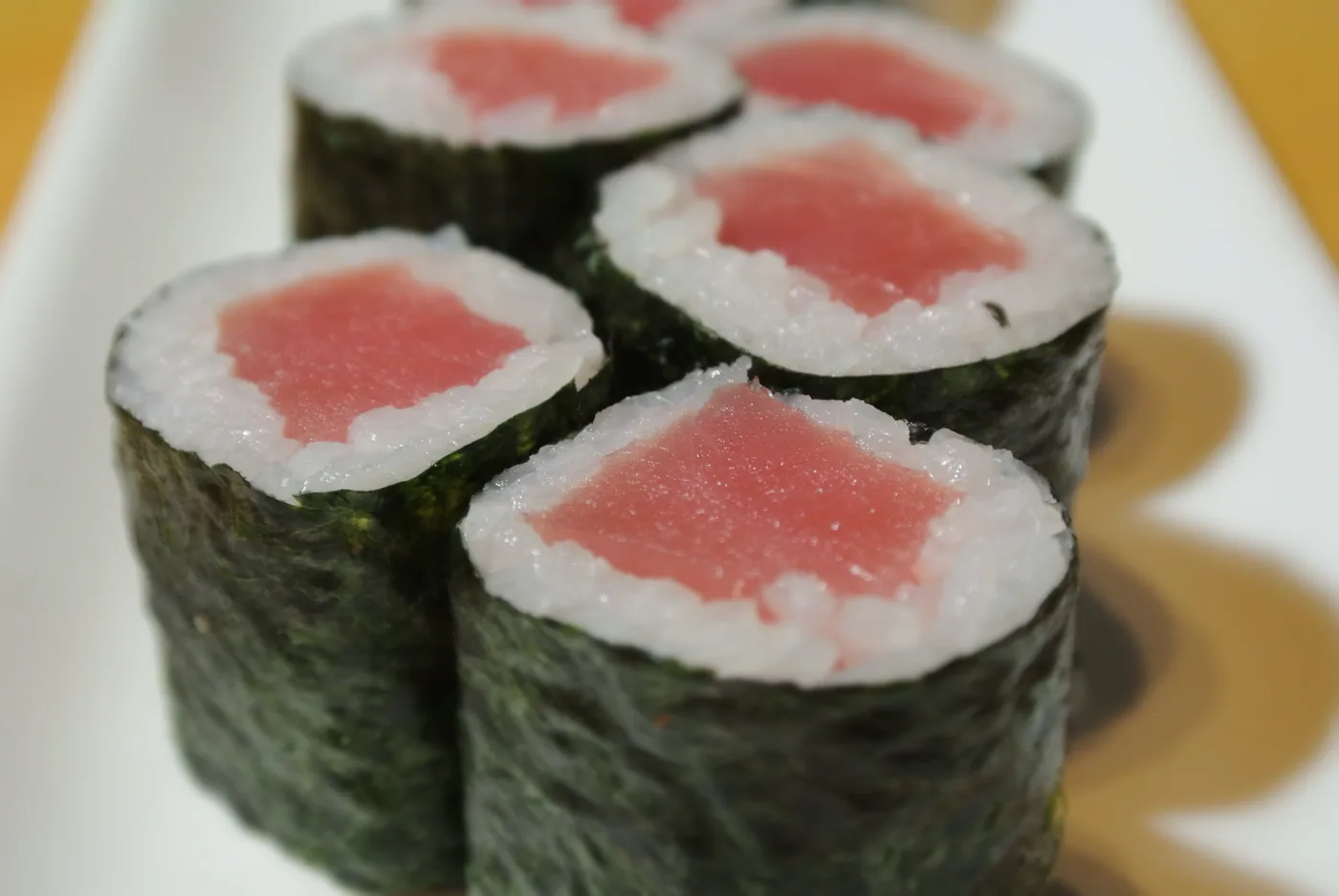
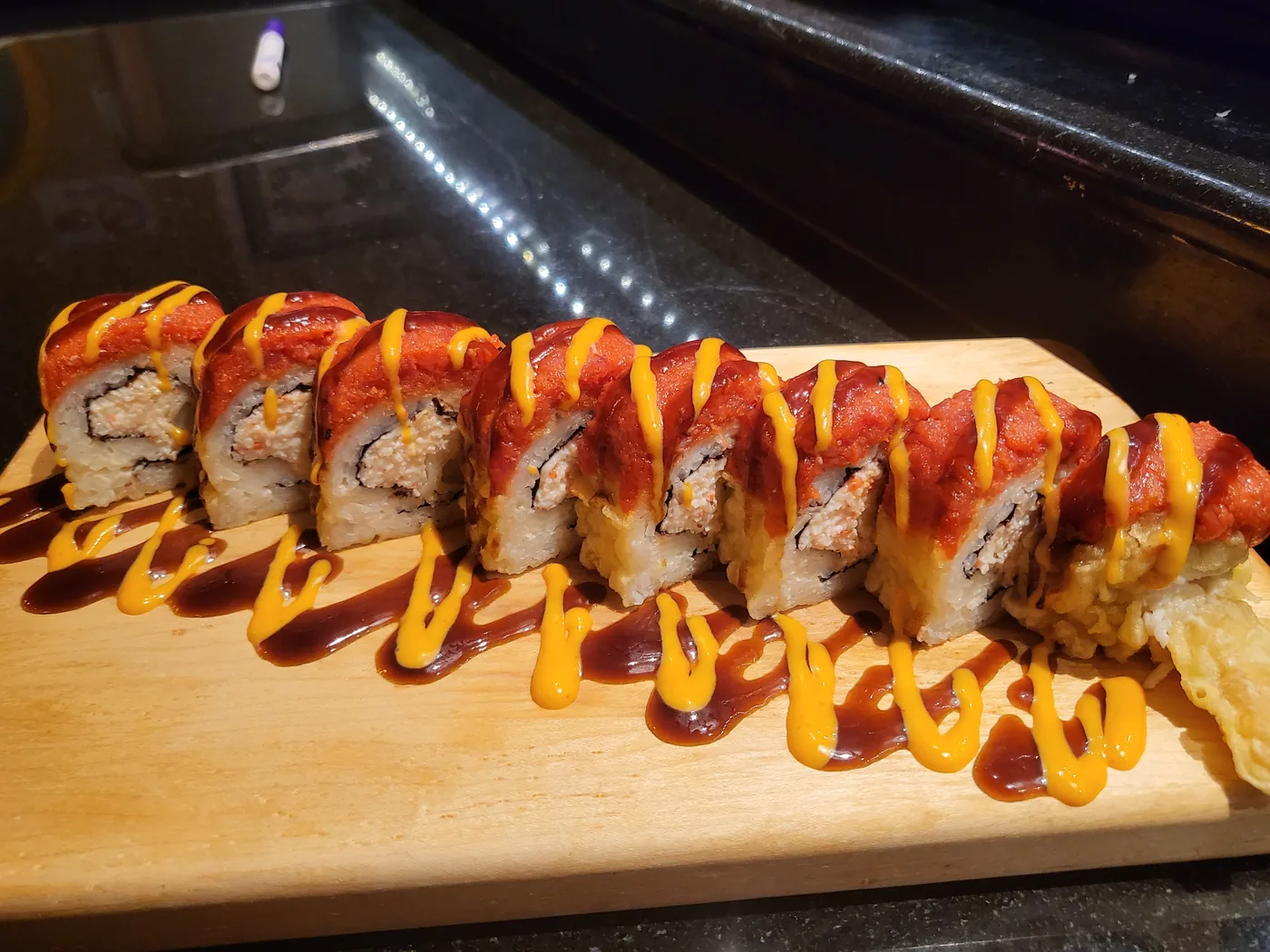
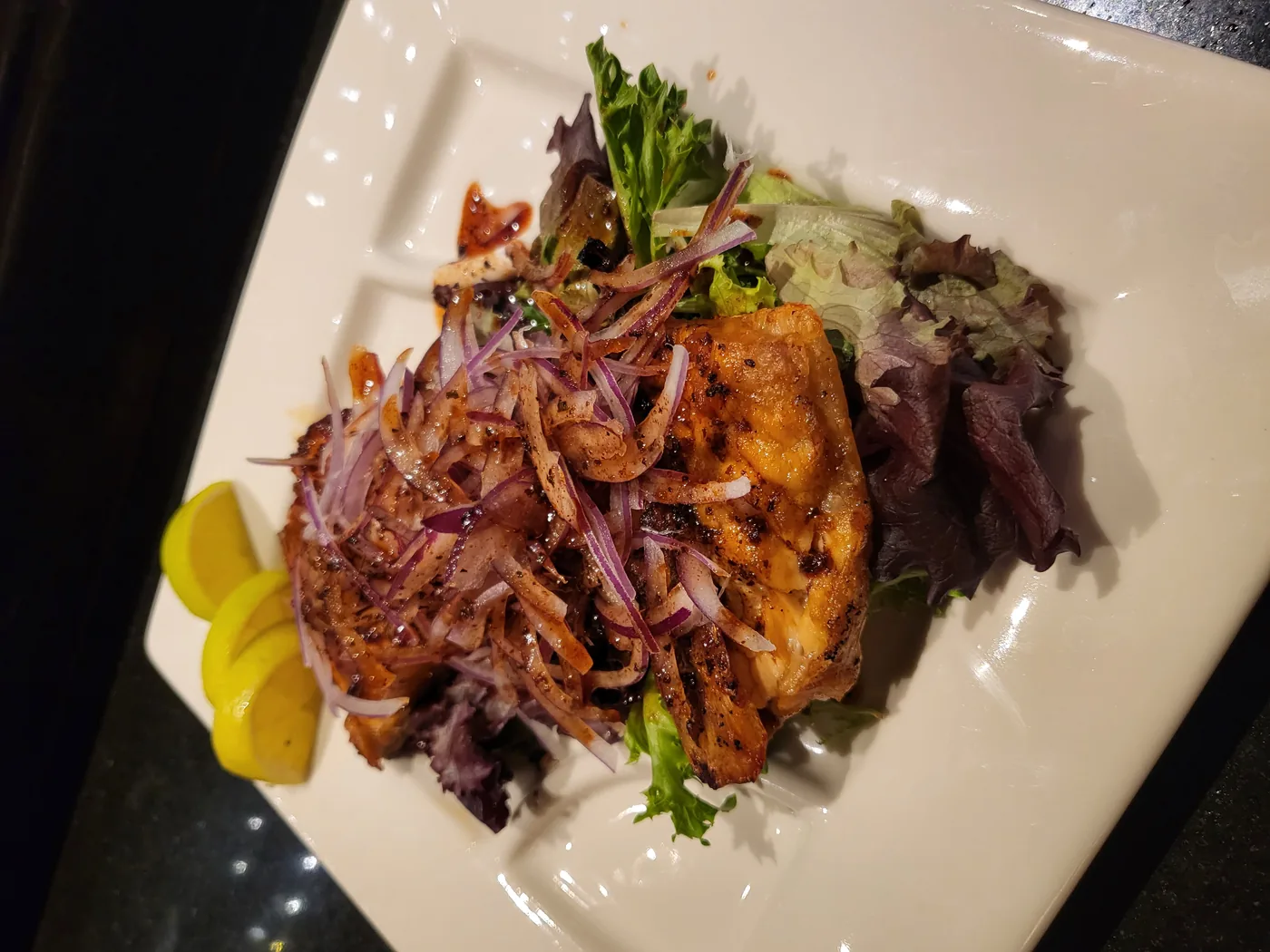
If you would rather see the food before you decide, the plates photographed at the counter show what actually comes out of the kitchen.
Frequently asked questions
Is sashimi a type of sushi?
No. Sushi is defined by seasoned rice, and sashimi has none. Sashimi is served at sushi restaurants and often on the same plate as sushi, but the two are separate categories.
Is nigiri always raw?
No. Cooked shrimp, freshwater eel and sweet egg omelette are common nigiri toppings, and any of them will give you the nigiri format without raw fish.
Which is better for someone who has never eaten raw fish?
Nigiri, or a cooked roll. The rice moderates the fish, portions are small, and cooked toppings sit on the same section of the menu, so nothing commits you to a whole plate of raw fish.
How many pieces of nigiri make a meal?
Most people are satisfied with eight to twelve pieces as a full meal, or three to five as a starter before a roll or a hot dish. The rice fills you faster than you expect.
Why is sashimi more expensive than nigiri?
You get more fish and no rice. A sashimi order is a larger portion of the most expensive ingredient on the plate, so it usually carries a higher price than the same fish served as nigiri.
The short version
Rice or no rice. Nigiri gives you fish and seasoned rice in one bite and is the easier place to start; sashimi gives you the fish alone and rewards knowing what you like.
Both are on the sushi bar list at our Chino Hills counter. Have a look at the full sushi and specialty roll menu before you come in, or check the hours and find us on Chino Hills Parkway.