The short answer
Why it worksfat against vinegared rice
Where it came froma bagel, taken apart
Japanese cooking uses almost no dairy, so cream cheese in sushi is a genuine outlier. It stayed because it solves a problem rather than because it was novel.
It is on a dozen rolls, it appears on almost every American sushi menu, and it exists nowhere in the tradition the format came from. Worth understanding rather than dismissing.
01 — The outlierJapanese cooking barely uses dairy
This is the part that makes cream cheese genuinely striking rather than merely non-traditional. Butter, cheese and cream are close to absent from classical Japanese cooking — the fat comes from fish, from frying oil, from sesame, and not from milk.
So cream cheese is not a small variation on something that already existed. It is an entire category of ingredient arriving from outside, and it is the single clearest marker that a roll is American rather than Japanese.
Which is not a criticism. The American specialty roll is its own tradition with its own internal logic, and it has been developing for decades — the fuller account is in how the American sushi roll happened.
The Philadelphia connection
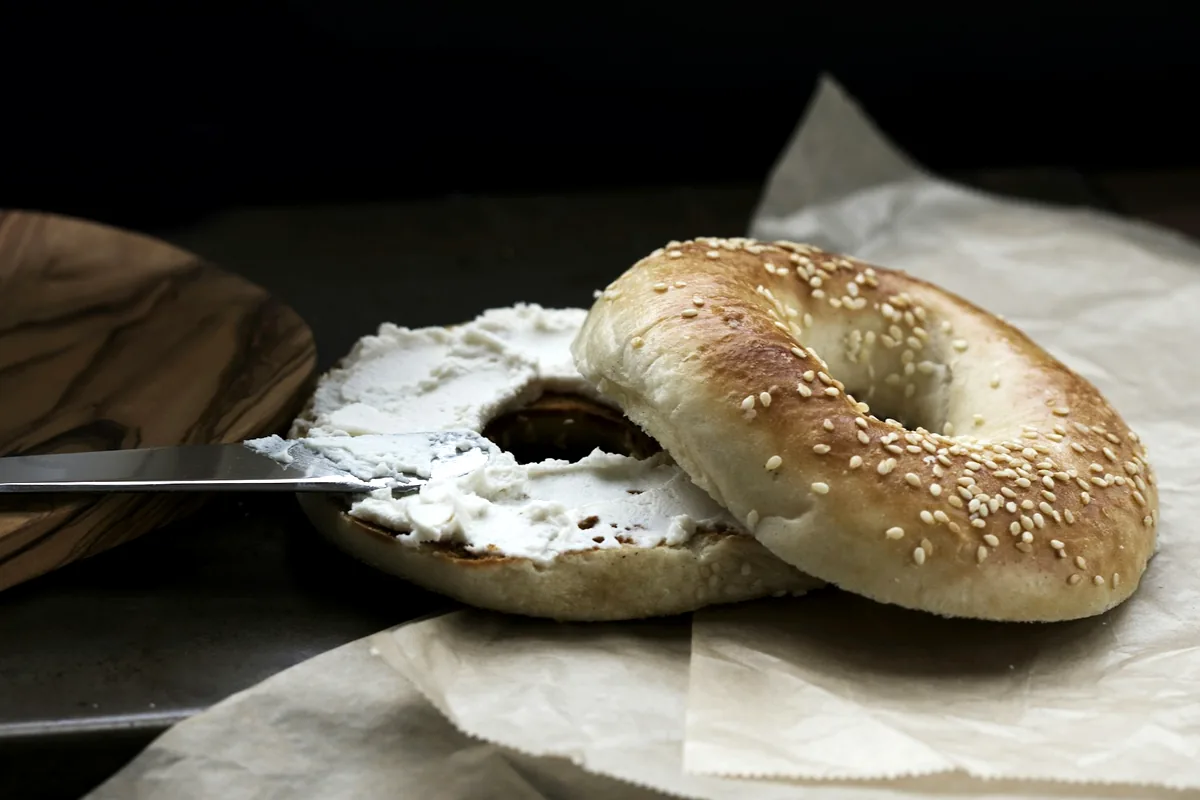
The roll is named after the cream cheese brand, and the combination it borrows is not from sushi at all. Smoked salmon, cream cheese and a bagel is a fixture of American Jewish delicatessen food, and the Philadelphia roll takes those flavours and swaps the bread for rice.
Once you see it that way it stops looking arbitrary. Salmon and cream cheese is a pairing people already knew and already liked, and putting it on rice was a small step rather than a leap.
On our list it appears as the Philadelphia — salmon, cream cheese and avocado with masago — plus a Philadelphia hand roll, and New Philly, which rearranges the same three things.
Three problems it happens to solve
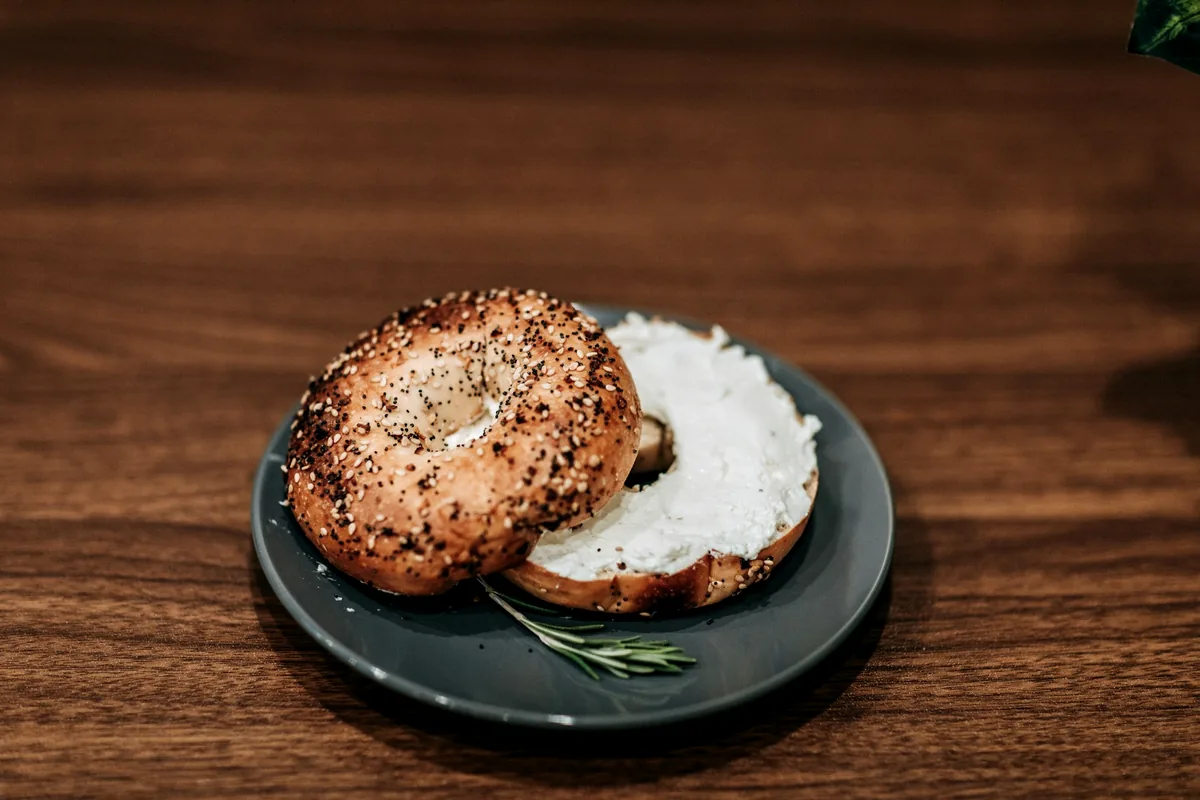
Fat against acid. Sushi rice is seasoned with vinegar, and acidity is what makes rich things taste balanced rather than heavy. Cream cheese is the same answer as avocado, as spicy mayonnaise, as fatty tuna — a different route to the same equation, covered from the vegetable side in avocado in sushi.
It binds. Cream cheese is tacky. In a roll with several loose fillings it holds everything together through the cut, which is a real structural contribution rather than a flavour one.
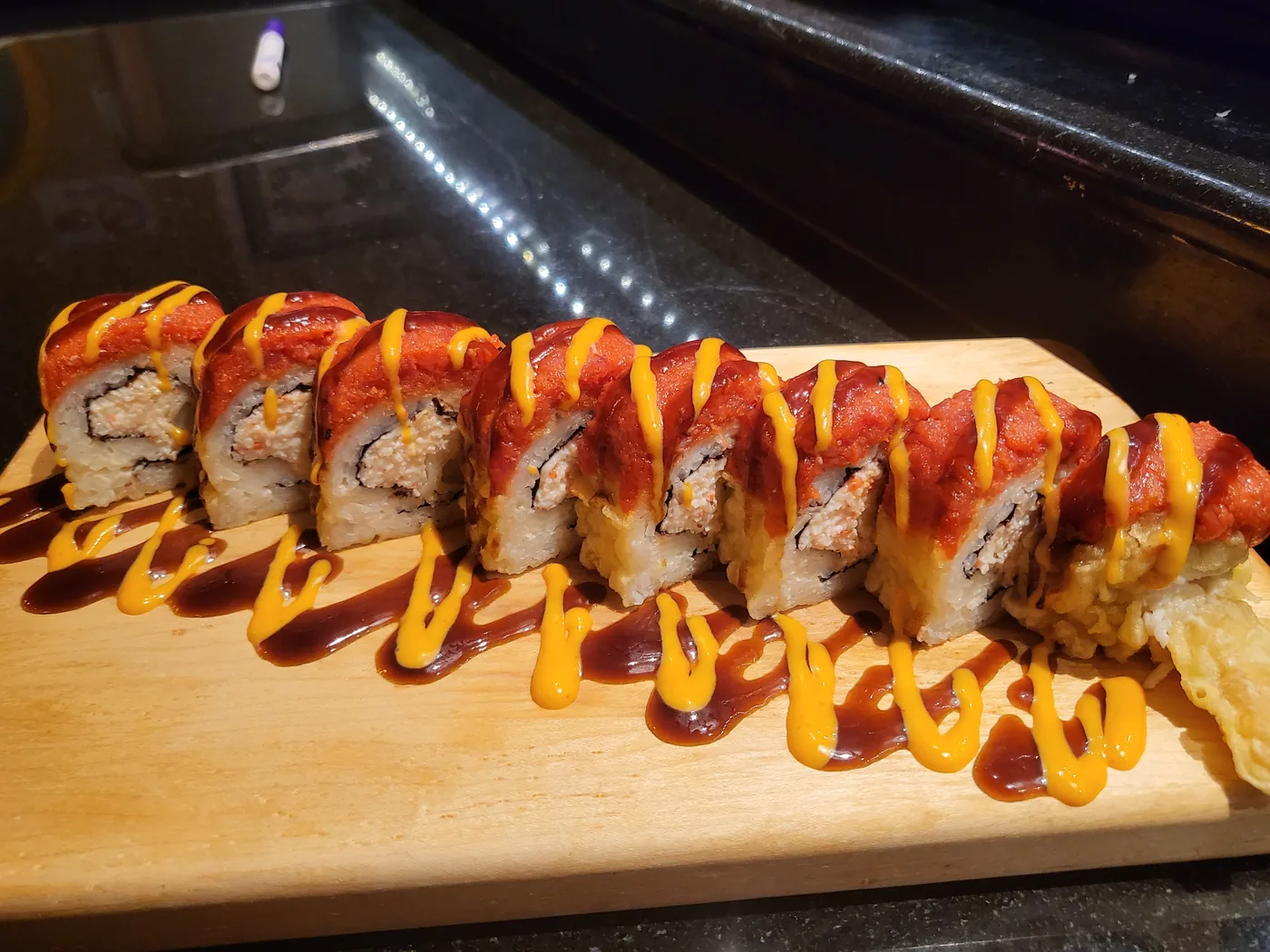
It fries better than almost anything. Under heat it loosens into something close to a sauce rather than melting away or splitting. That is why so many deep fried and lightly fried rolls have it in the middle — Crazy Boy, Crazy Girl, Golden Philadelphia, Golden Tiger, Las Vegas and Monster all use it, and all of them are fried.
Fresh or fried, it behaves differently
| In a fresh roll | In a fried roll | |
|---|---|---|
| Texture | Firm, distinct, cool | Loose, molten, warm |
| What it does | Binds and enriches | Becomes a sauce inside |
| Reads as | An ingredient | Part of the filling |
| Best with | Salmon, avocado | Spicy tuna, crab |
| Example | Philadelphia, New Philly | Crazy Girl, Golden Philadelphia |
Ordering tip
Cream cheese, avocado and spicy mayonnaise are all fat, and they appear together more often than a description makes obvious. Two cream cheese rolls in one order is a lot of the same richness — pair one with a basic roll or something with cucumber instead, and the whole table tastes better.
The dairy question is not only cream cheese
Once cream cheese was established, other dairy followed it onto sushi menus without much comment. Baked rolls are often finished with a sauce containing mayonnaise and sometimes cheese; some kitchens torch a cheese topping directly onto a roll.
That matters practically rather than philosophically. If you are avoiding dairy, cream cheese is the obvious thing to watch for and it is not the only one — baked and torched rolls are the second place to ask about, and neither is described in a way that makes dairy visible.
It also matters for how an order balances. A baked roll and a cream cheese roll in the same meal is two rich, warm, dairy-inflected dishes, even though the descriptions share no words at all.
03 — The argumentIs it a corruption?
The complaint is real and worth taking seriously: cream cheese overwhelms delicate fish, and a roll built around it is not showing you what the fish tastes like.
That is true, and it is also not what those rolls are for. A Philadelphia is not a vehicle for tasting salmon; it is a combination dish where salmon is one of three components. Judging it as failed nigiri misses the point in the same way judging a stew as failed roast beef would.
The reasonable position is that both exist on the same menu for different reasons. If you want to taste a fish, order it as nigiri or sashimi while your palate is clean. If you want a combination of textures, the specialty list is doing something else deliberately.
What is worth avoiding is ordering only one kind and concluding the other is not for you.
If you want to avoid it
- Read the description, not the name. Cream cheese is nearly always listed, but the roll name rarely hints at it.
- Treat Philadelphia as a signal. Any roll with that word in it contains cream cheese by definition.
- Be careful with fried rolls. A high proportion of deep fried and lightly fried rolls have it inside.
- The basic roll list has none of it. Single fillings, rice and nori, and nothing else.
- Ask if it is a dairy allergy. Say so directly rather than reading the menu — see allergens on a Japanese menu.
Frequently asked questions
Do they use cream cheese in sushi in Japan?
Not conventionally. Japanese cooking uses very little dairy of any kind. Rolls in this style do now appear in tourist areas, imported back from the United States.
Why is it called a Philadelphia roll?
After the cream cheese brand. The salmon-and-cream-cheese combination comes from delicatessen food rather than from Japanese cooking.
Why does cream cheese work with rice?
Sushi rice is seasoned with vinegar, and fat balances acid. It is the same reason avocado and spicy mayonnaise work.
Which rolls have cream cheese in them?
Anything with Philadelphia in the name, and a large share of the fried rolls. The description will say so — the name usually will not.
Is a cream cheese roll still sushi?
Yes. Sushi is defined by the seasoned rice, not by what is on it. A cream cheese roll is sushi in exactly the sense a tuna roll is.
The short version
An outlier ingredient in a cuisine that uses almost no dairy, borrowed from a bagel, and it stayed because it balances vinegared rice, binds a loose roll and turns to sauce in a fryer. Order one, not two, and order some nigiri as well.
Both ends of that are on the menu.