The short answer
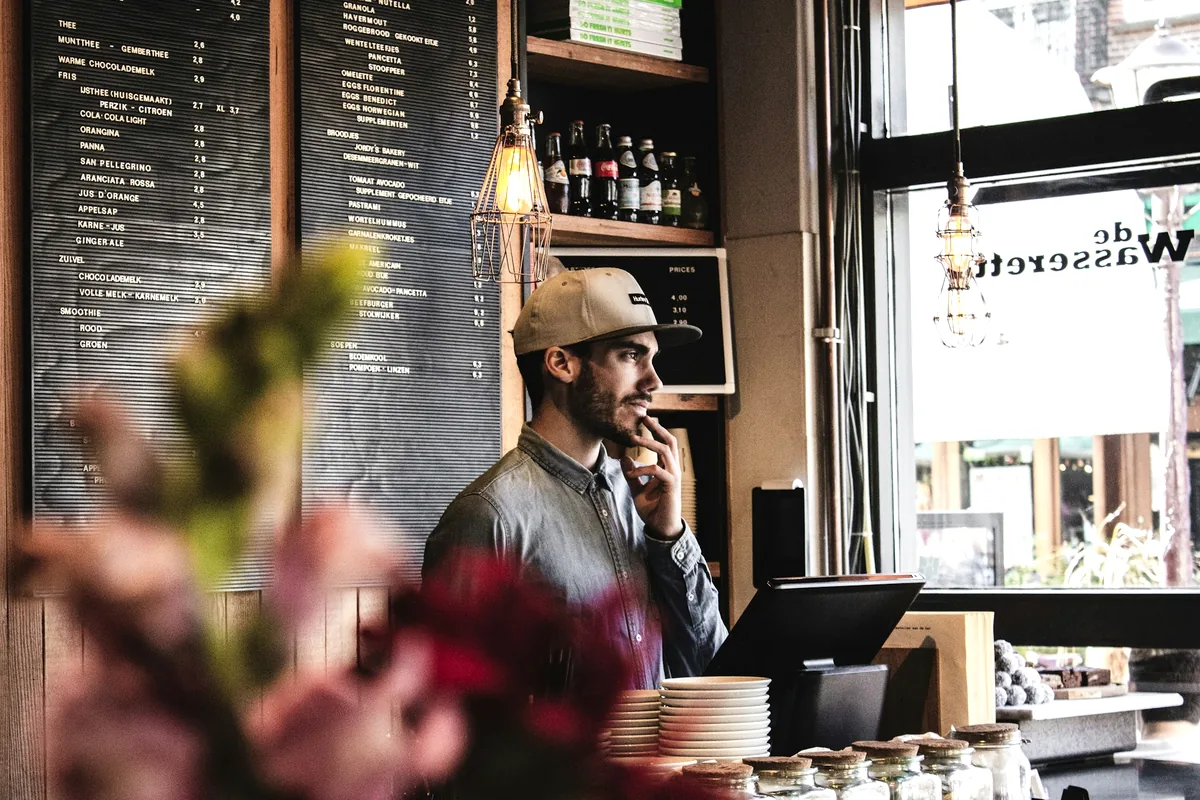
Sitat the counter, not a table
Ordera few pieces at a time
A sushi bar is one of the few restaurants genuinely designed around a single diner. The counter exists for exactly this.
Eating alone in a restaurant is treated as something to endure. At a sushi counter it is closer to the intended experience, and it comes with advantages a table of four never gets.
01 — The seatWhy the counter is the good seat
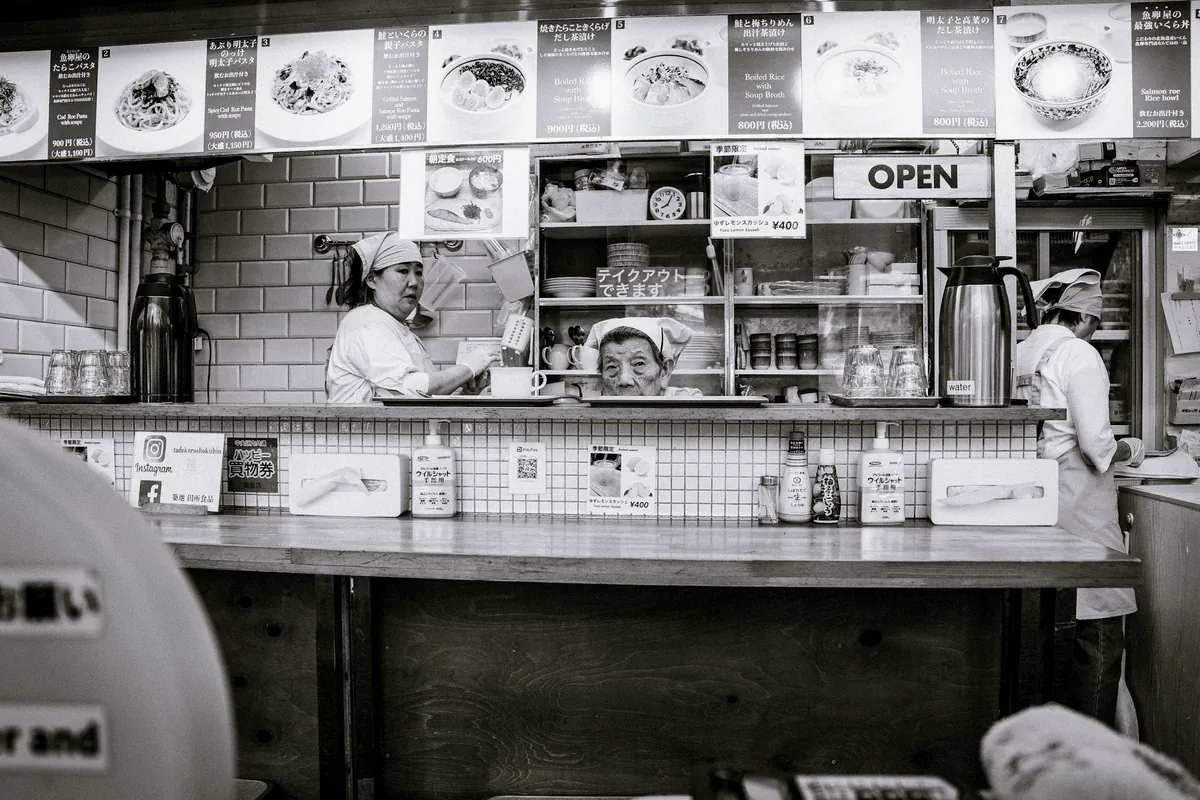
A counter is a bar, and bars have always worked for one. Nobody is sitting opposite an empty chair, there is something to look at that is not your phone, and the person making your food is standing in front of you.
That last part is the real advantage. At a table, ordering is a transaction relayed through a server. At the counter it is a conversation with the person holding the knife, and the answer to “what is good today” comes from someone who actually knows.
Solo diners also get seated faster. A single counter stool is the easiest thing in a restaurant to fill, which means you often walk into a place with a wait and sit down immediately.
02 — The orderOrder in pieces, not in platefuls
This is the thing a solo diner can do that a group cannot, and it changes the meal entirely.
Instead of deciding everything at the start, order two or three pieces, eat them, then order again. Nobody is waiting for you to finish, nothing has to be agreed, and each decision is made with more information than the last.
Practically it means starting with something plain — a piece of nigiri, a basic roll — while your palate is clean, then working towards the richer things. A group orders all at once and everything lands together; alone, you get to build a sequence.
It also fixes the portion problem. Ordering for one from a menu built for sharing usually means too much food. Ordering in stages means you stop when you are full rather than when the plates are empty.
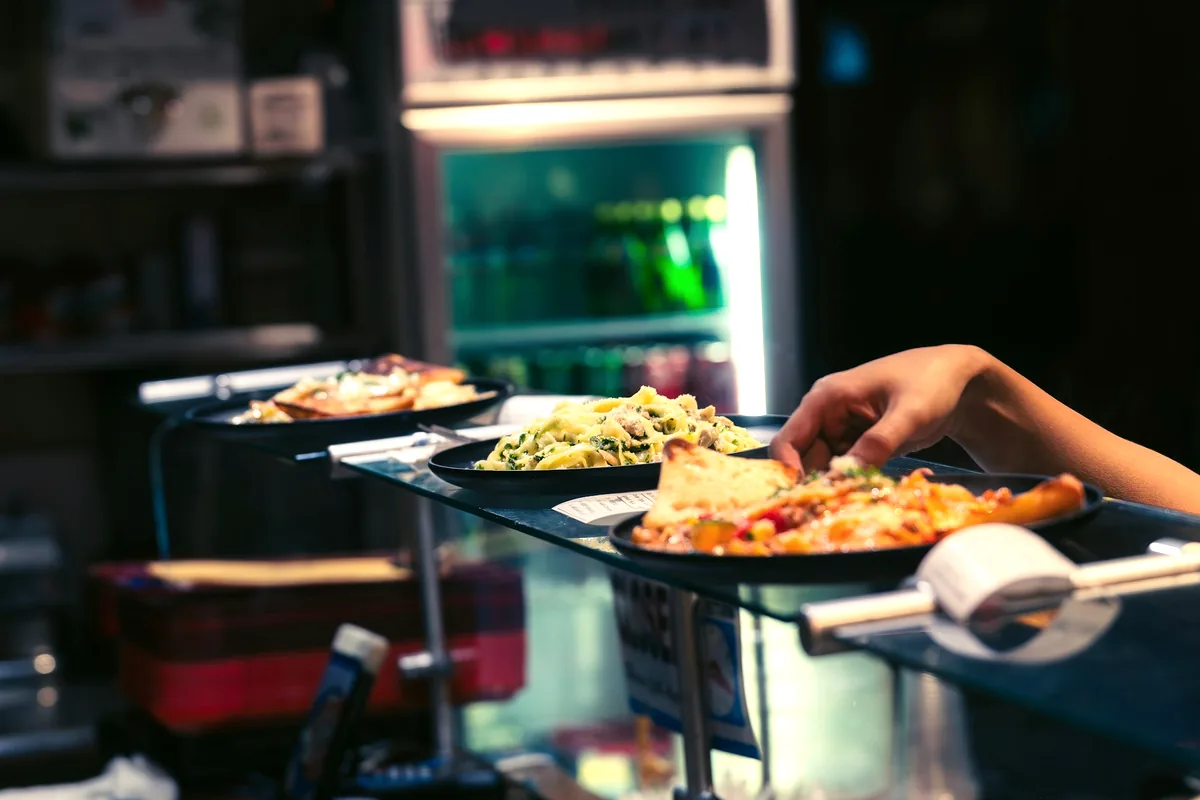
A meal for one that works
| Stage | Order | Why |
|---|---|---|
| Straight away | Edamame or miso soup | Something to start on while you read |
| First | Two pieces of nigiri | Clean palate, and it tells you about the rice |
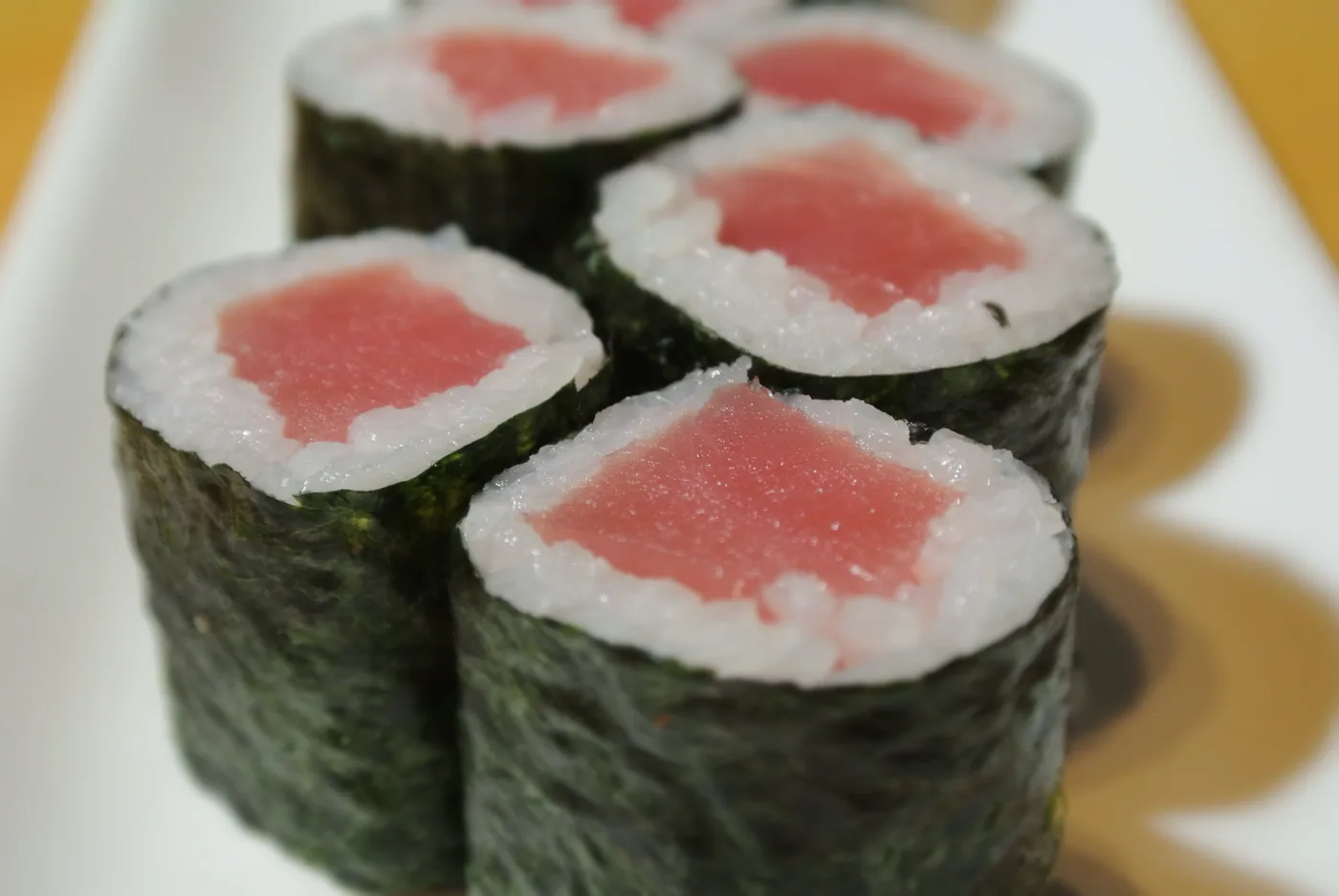
| Second | One basic roll | Single filling, nothing competing |
| Third | A hand roll | Only worth ordering at a counter |
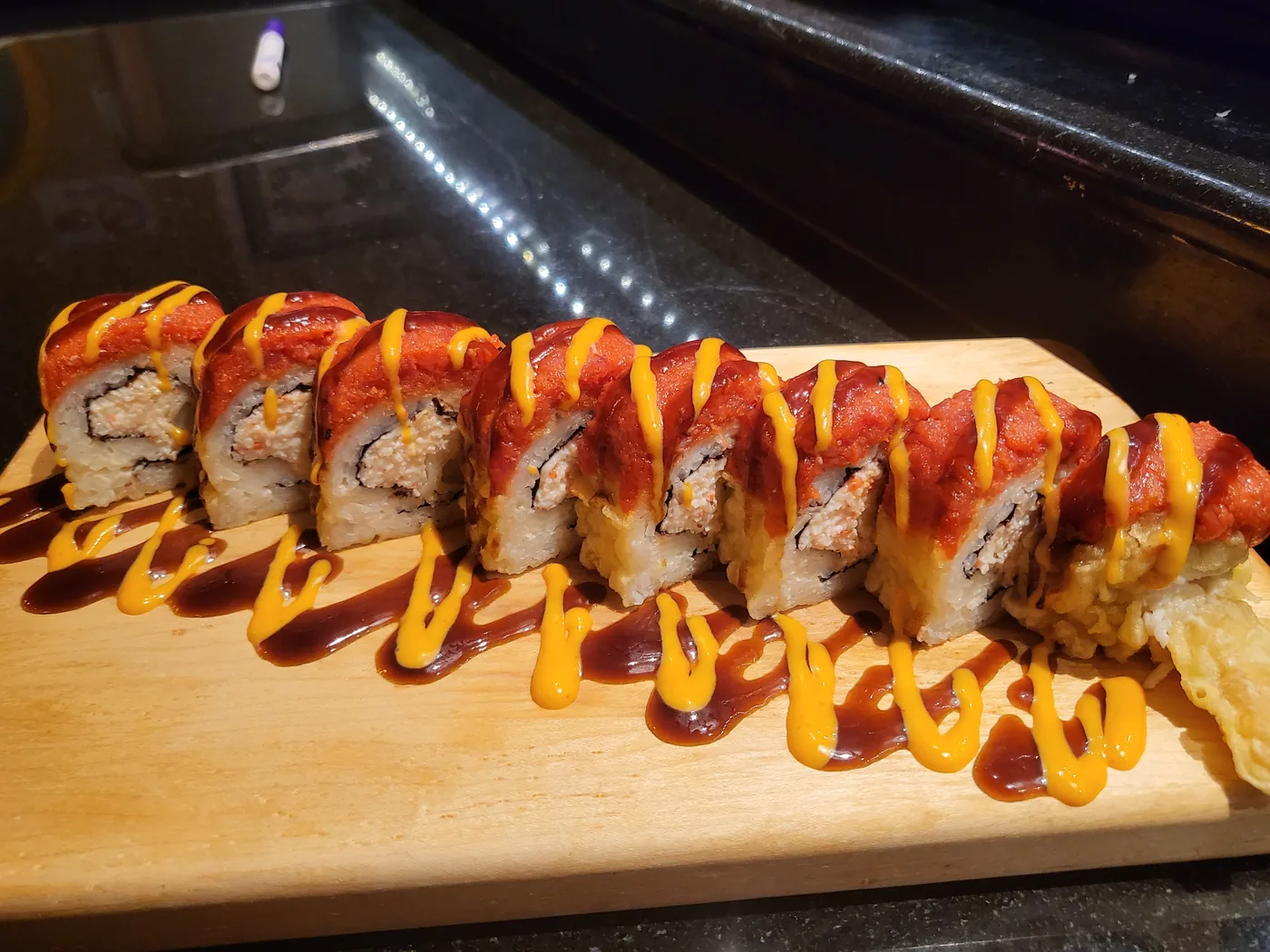
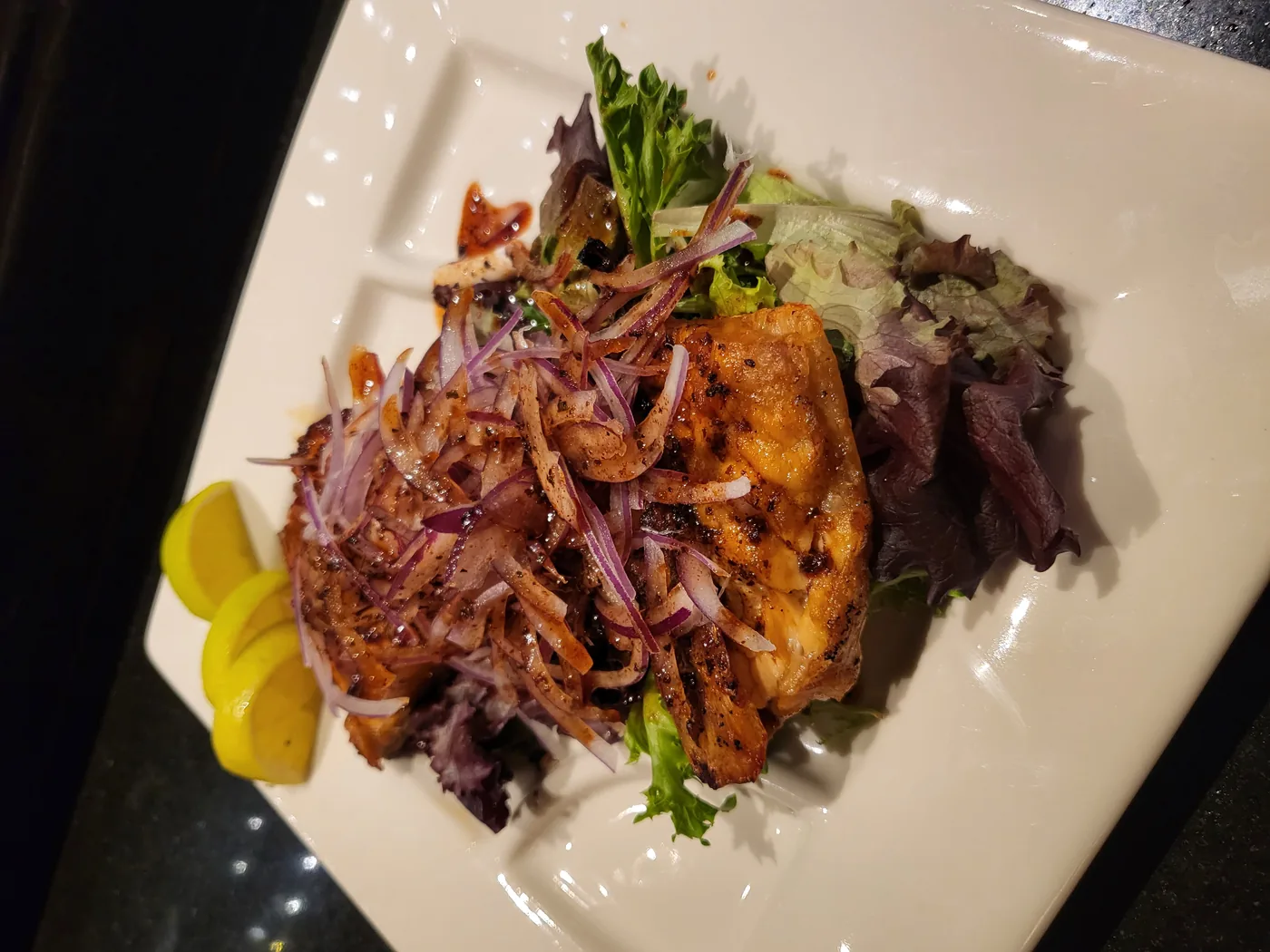
| If still hungry | A specialty roll, or something hot | The rich end, once you have tasted the plain |
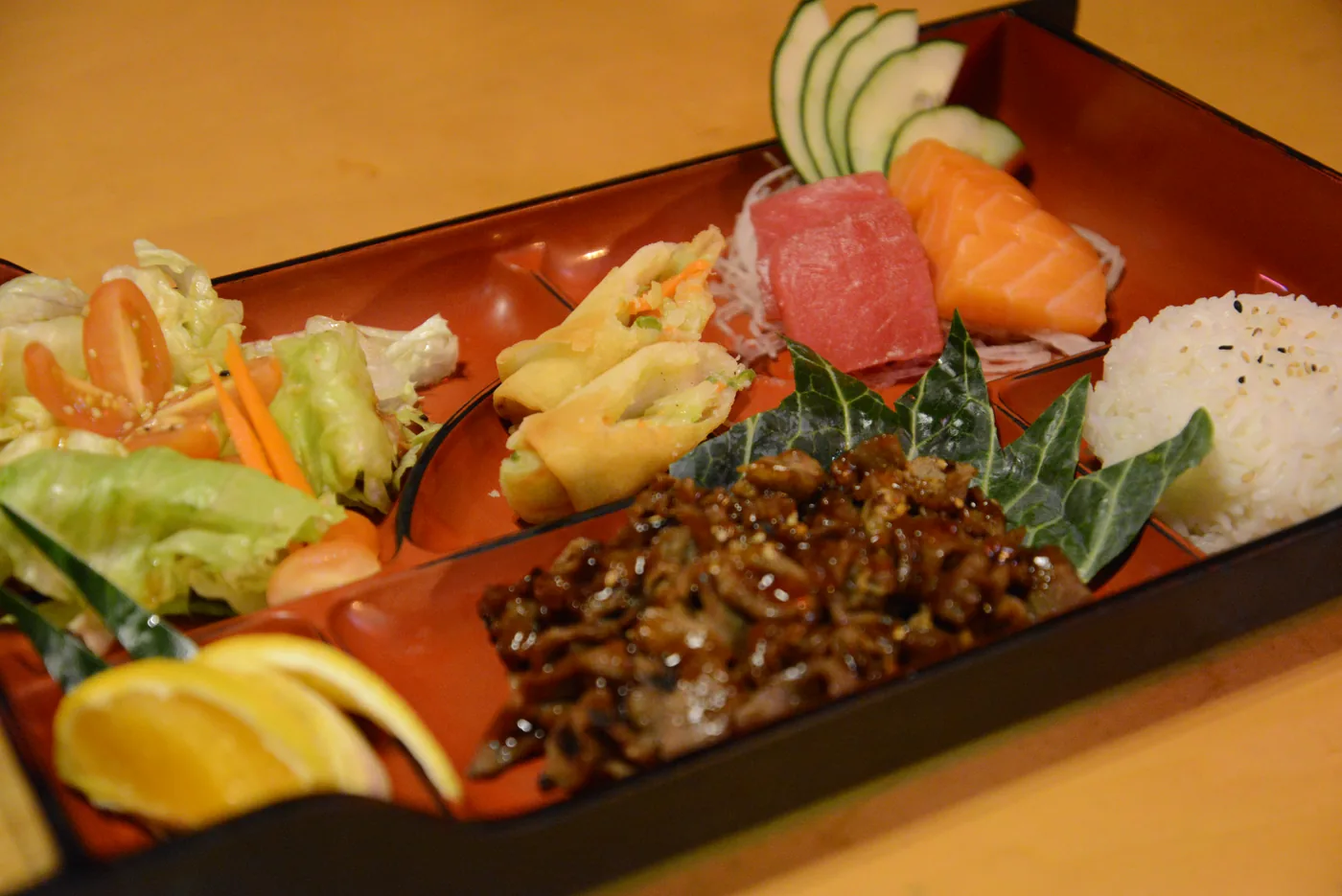
| Instead of all that | A bento combination | One tray, no decisions, genuinely good value |
That last row is the alternative for a day when you want to eat rather than explore. A bento is built as one person’s meal, which makes it the one order on the menu that needs no adjustment for a table of one.
Ordering tip
Hand rolls are the strongest argument for eating alone. They have a two-minute window before the nori softens, so they are best handed straight across a counter and eaten immediately — which is difficult to arrange when four people are ordering together. Alone, you can have one made and eat it at its best.
When to go
Lunch and the first hour of dinner are the two windows worth knowing about.
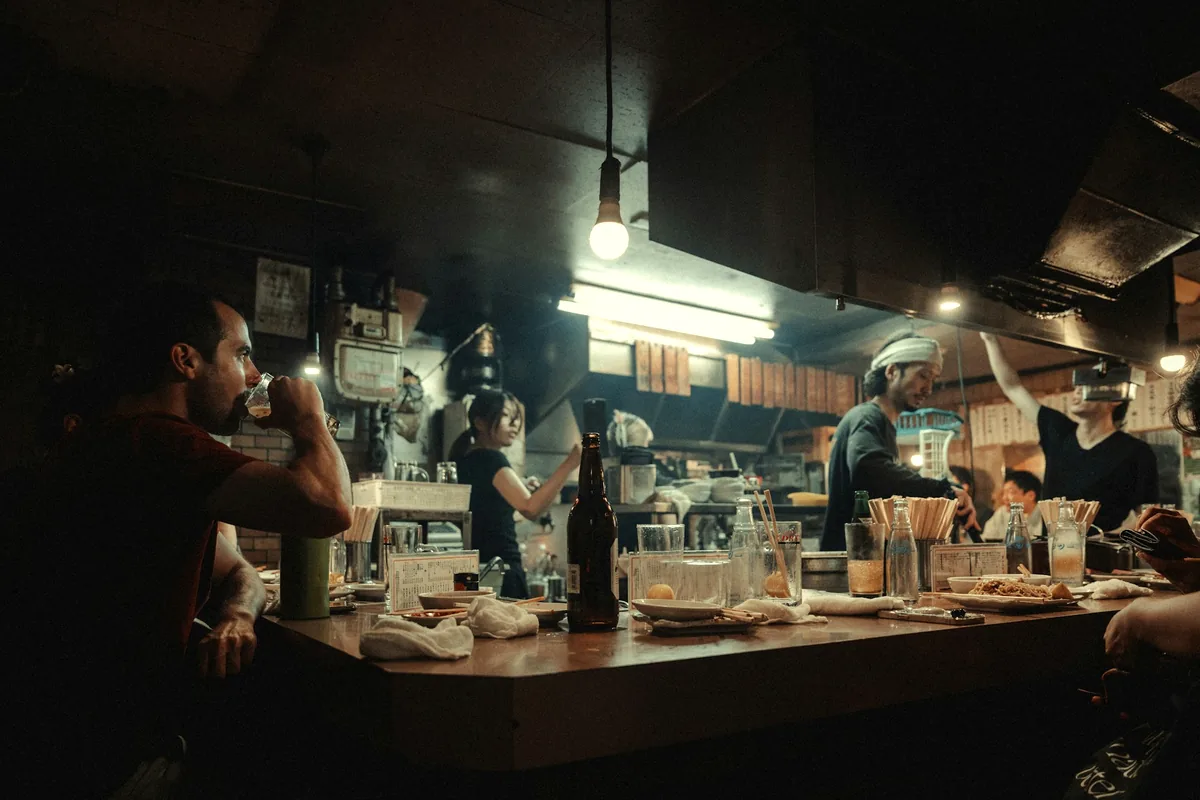
At lunch the room is quieter, food comes out faster, and the sushi chef has time to talk. That combination is close to ideal if you are eating alone deliberately rather than incidentally — the full case for each service is in lunch or dinner.
Peak evening is the one to avoid, not because a solo diner is unwelcome but because everything that makes the counter good — the pace, the conversation, the ordering in stages — disappears when the kitchen is at full stretch.
What to do with yourself
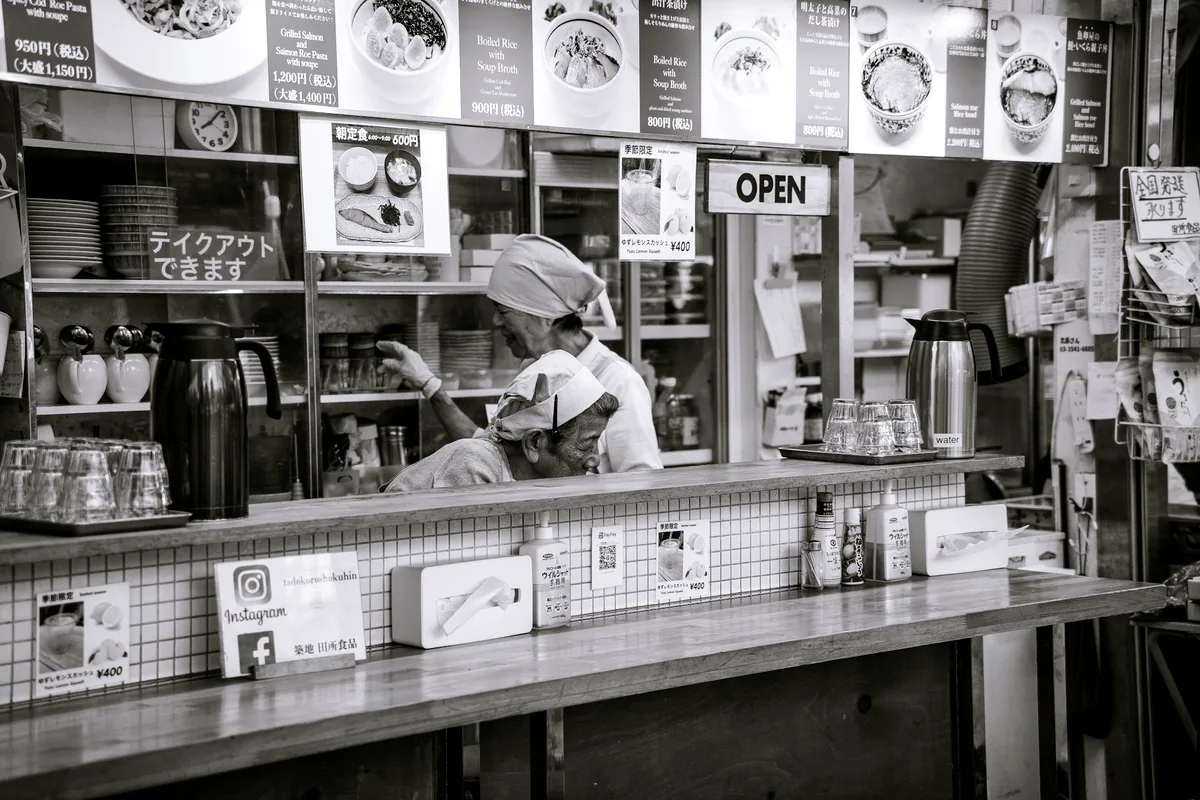
- Sit at the counter, not the window. The counter gives you something to watch. A table for one gives you a view of the room and nothing to do.
- Ask one question. “What is good today?” It usually gets an answer worth having and it makes the meal a conversation.
- Order less than you would for two. Half of a shared order is not the same as a meal for one.
- Try something you would not order for a table. Nobody has to agree, so this is the visit to order the thing you were curious about.
- Bring something to read, or do not. Both are entirely normal and neither is a statement.
Takeout is the other answer
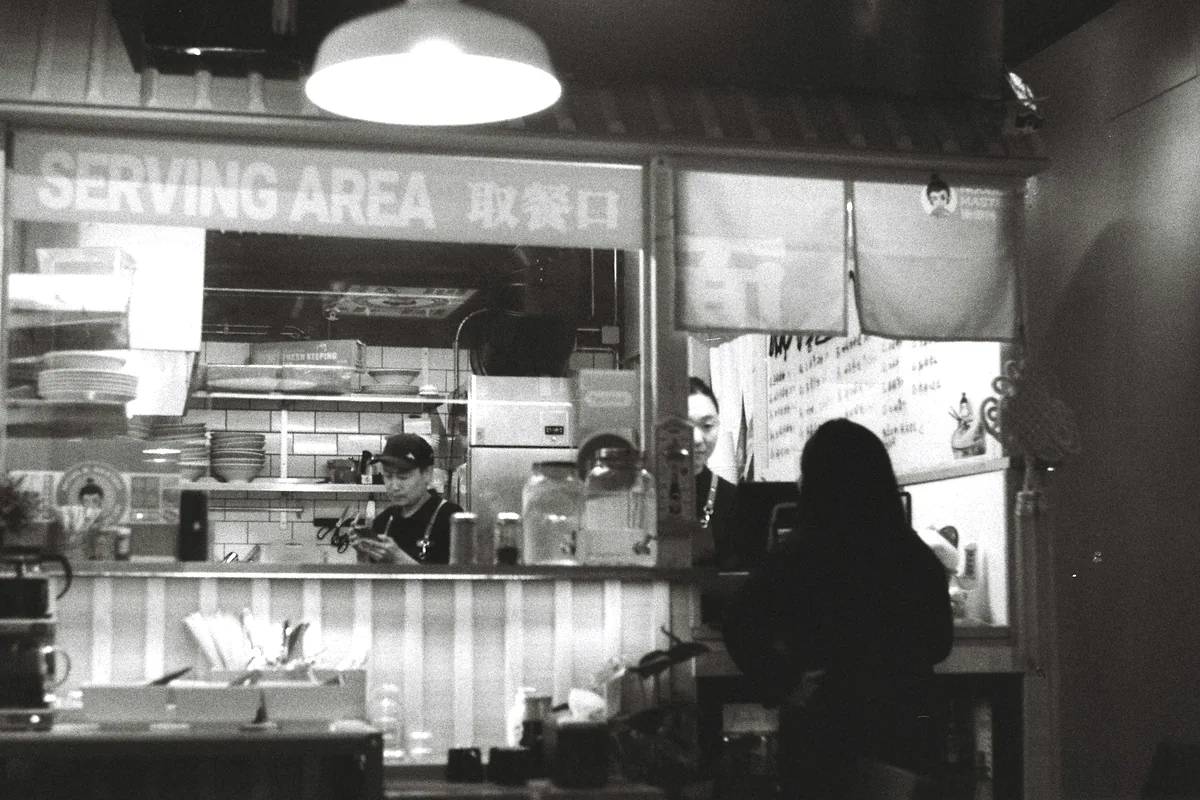
Some evenings the answer is not a counter seat. Ordering for one to take home has the same portion problem in reverse — too little variety rather than too much food — and the fix is the same combination format.
A bento travels better than almost anything on the menu because the compartments keep things apart, and a couple of cut rolls will still be good twenty minutes later. What does not travel is the hand roll, which is the one thing genuinely worth staying for. That list is in what actually travels.
Frequently asked questions
Is it strange to eat sushi alone?
Not at all. A sushi counter is one of the few restaurant formats built around individual diners, and a row of people eating alone side by side is its normal state.
How much should one person order?
Less than half of what two people would. Ordering in stages rather than all at once is the reliable way to avoid over-ordering.
Can I order one piece at a time?
At the counter, yes — it is how the format is meant to work. At a table it is less practical, since each order goes through a server.
Will I be seated faster on my own?
Usually. A single counter seat is the easiest space to fill, so solo diners often skip a wait that a group cannot.
What is the best thing to order alone?
A hand roll, because it is the one item that is meaningfully better handed straight across a counter and eaten within a minute.
The short version
Take the counter seat. Order two or three things at a time and keep going until you are full. Start plain and finish rich. Ask what is good today. Order the hand roll you would never get to eat at its best in a group.
The list is on the menu, and hours are on the contact page.