The short answer
Watchthe rice, the case, the turnover
Ignoremenu length and decor
The signals worth reading are mostly boring and mostly free to check. None of them require you to know anything about fish.
You can learn a surprising amount about a sushi restaurant in the first five minutes, and almost none of it comes from the things people usually look at.
01 — The riceThe first thing to notice
Sushi rice should arrive close to body temperature and hold together until you bite it, at which point it should come apart. Cold, hard rice means it came out of a fridge; rice that collapses on the way to your mouth was pressed carelessly or made too wet.
It should also taste of something on its own — faintly sour, faintly sweet, salted. If the rice is neutral, the seasoning was skipped or diluted, and nothing built on it will be as good as it should be.
This is the most reliable single indicator there is, and it costs you one piece of nigiri to check. Fish quality varies with the day and the season. Rice quality is a decision the kitchen makes every morning, and it does not vary. More on why in the rice that makes it sushi.

What the case is telling you
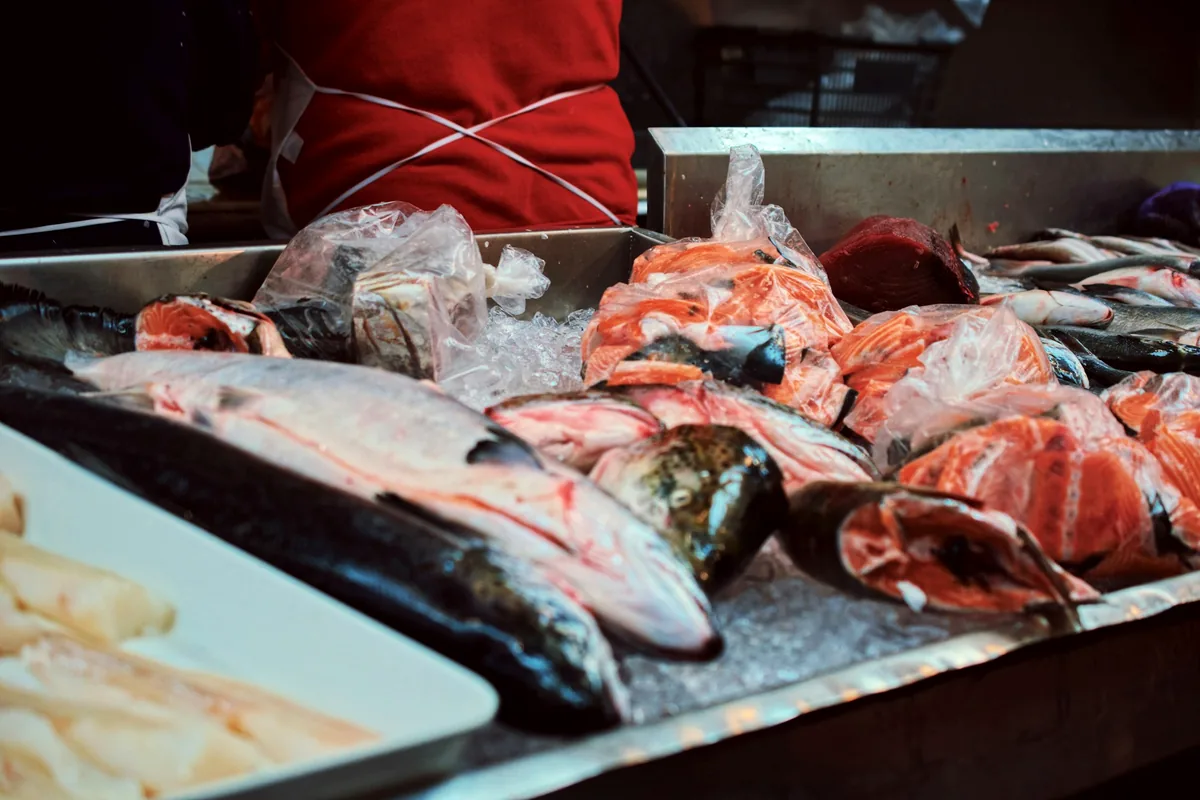
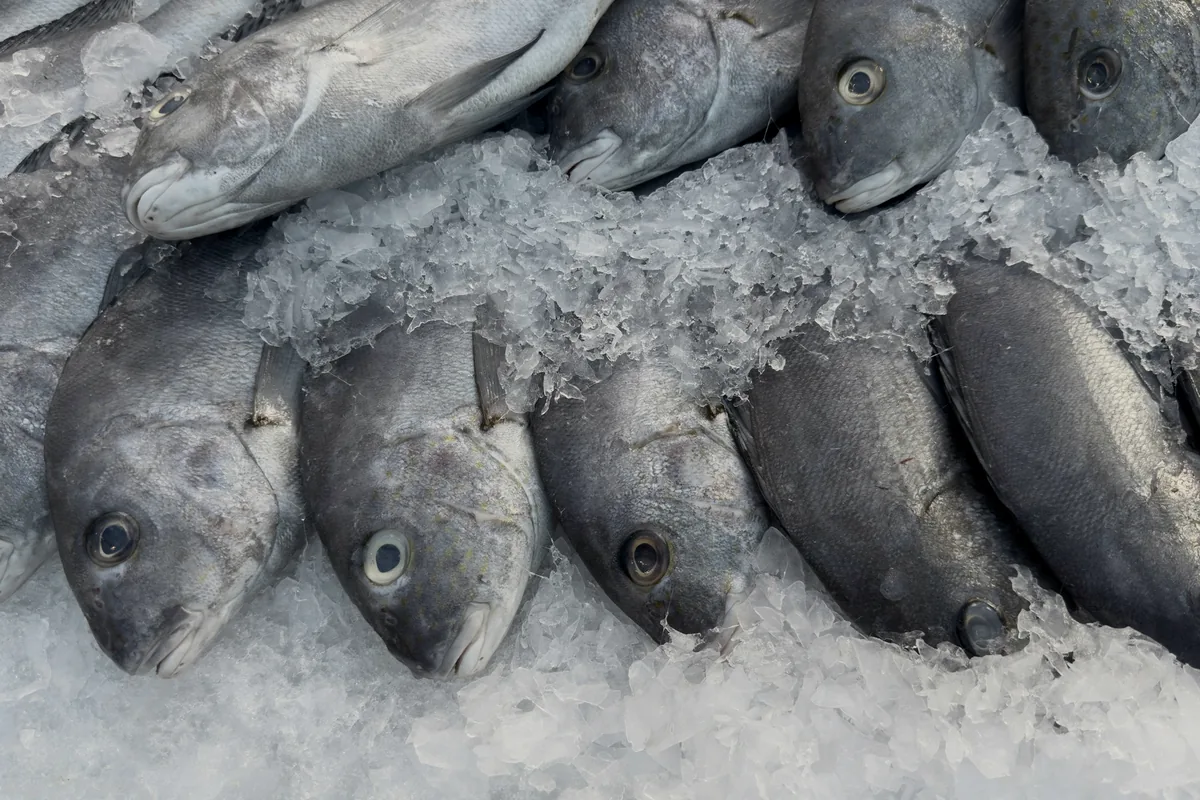
If there is a chilled display case, look at it. Not to judge the fish — most people cannot, and neither can I from a photograph — but to see how it is kept.
- Is it full or nearly empty? Both are fine at the right moment. Nearly empty at nine in the evening is a good sign. Nearly empty at six is not.
- Is it tidy? Trays squared away, no pooled liquid, nothing sitting outside the cold.
- Is anything covered that should not be? Cling film over everything can mean fish that has been sitting.
- Is it actually cold? Condensation on the glass and frost-free surfaces are what you want.
The underlying variable is turnover. A restaurant that sells its fish is buying fish more often, and that does more for what lands on your plate than any label on a supplier’s box — which is the point of what sushi-grade actually means.
Who is in the room
An empty restaurant at a quiet hour means nothing. An empty restaurant at eight on a Friday is worth noticing.
More useful than a headcount is who the people are. Regulars behave differently from first-timers — they order without reading, they greet staff, they sit at the counter. A room with regulars in it is a room that has earned them.
The counter itself is worth a look even if you are not sitting there. Whether it is occupied tells you whether people who eat here often want to watch the food being made.
Good to know
The health inspection grade in the window is public information and it is not a subtle signal — it is the one piece of independent verification available to you before you sit down. In California those inspections are carried out by county environmental health departments and the results are published. It is worth thirty seconds.
Four signals that are not signals
| People assume | Actually |
|---|---|
| A long menu means low quality | A sushi bar assembles from shared components, so length is cheap. Judge the hot kitchen list instead, which is short everywhere |
| Cream cheese means inauthentic | It means American, which is its own tradition with its own logic |
| Expensive means better | Price tracks rent and fish cost more than it tracks skill |
| Traditional decor means good sushi | Decor is a design budget. The rice is a daily decision |
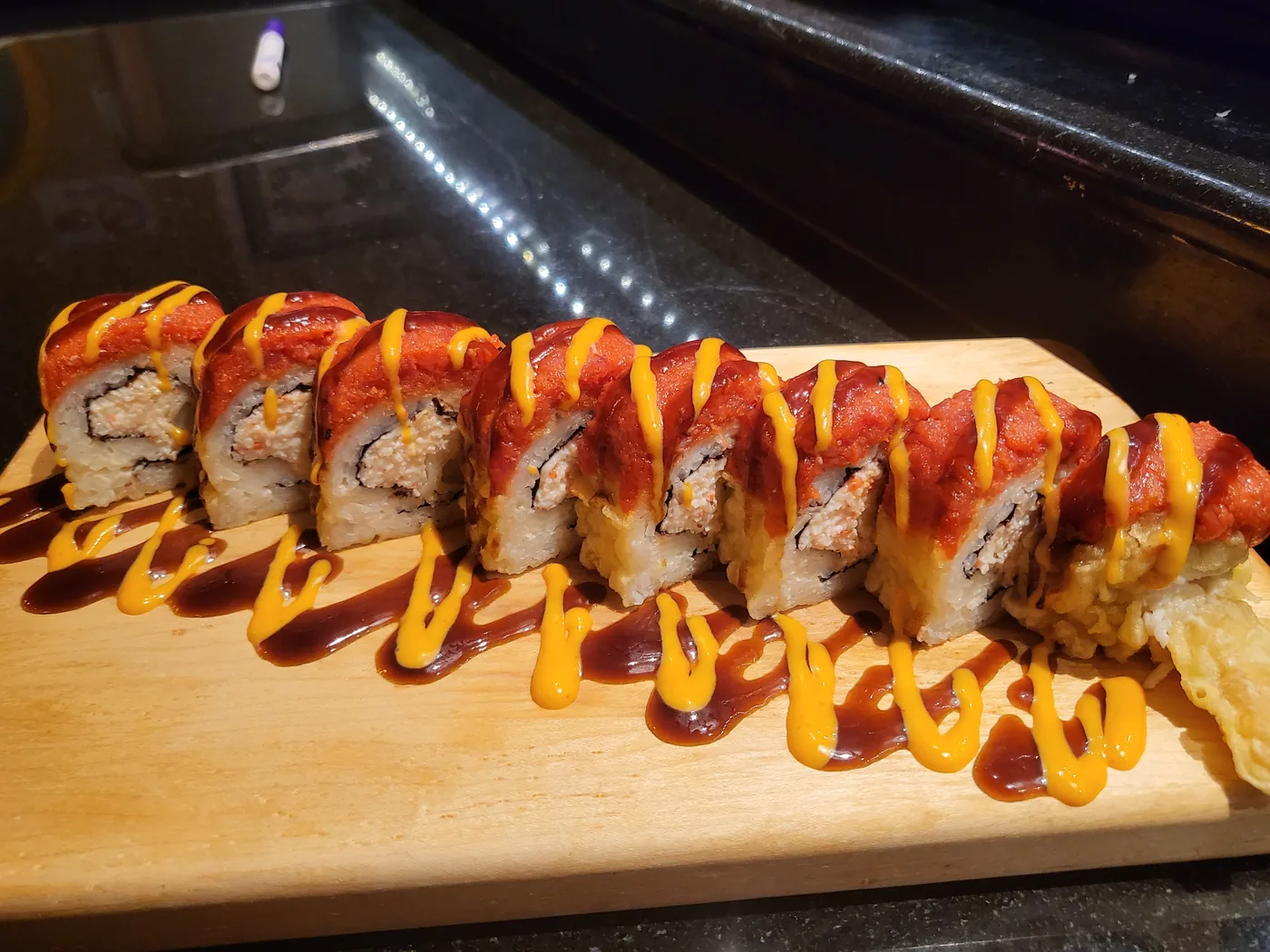
The menu-length one is worth dwelling on, because it is repeated constantly. Seventy specialty rolls sounds alarming until you notice they are recombinations of perhaps fifteen prepared components — which is exactly how reading a roll description works. A hot kitchen cannot do that, which is why noodle and plate sections are short at every Japanese restaurant, good or bad.
The one question worth asking
“What is good today?”
It is a better question than anything about grading or sourcing, because it is answerable and because the answer is specific. A kitchen that has something to recommend will recommend it. A kitchen that says “everything” has told you something too.
It also changes what you order, which is the actual point. The best thing on a menu on any given day is rarely the thing you were going to pick from reading it.
A five-minute checklist
- Check the inspection grade. Public, independent, and posted.
- Look at the case. Cold, tidy, and at a level that makes sense for the hour.
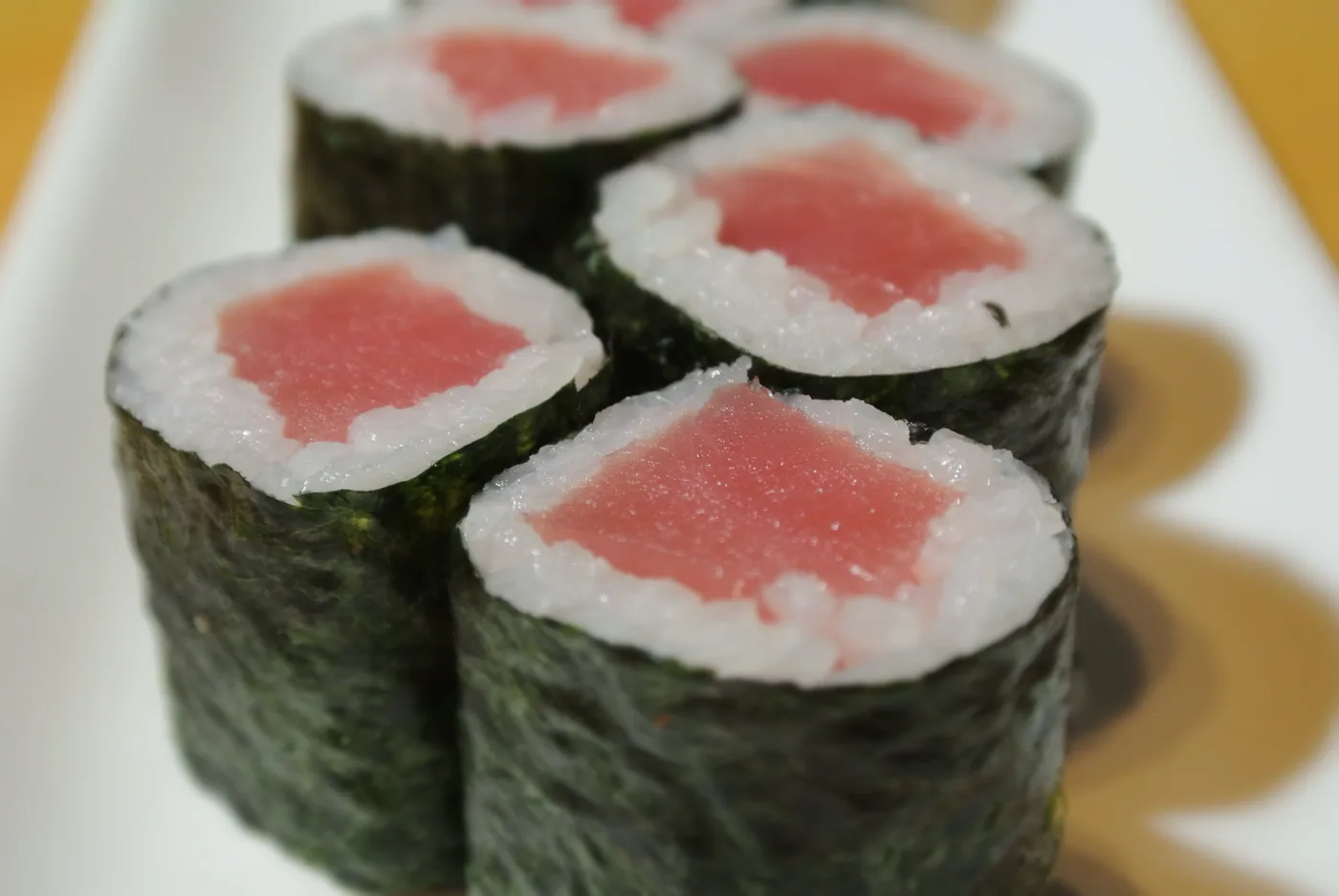
- Order one piece of nigiri first. Temperature, seasoning, structure — all three in one bite.
- Ask what is good today. Then order it.
- Notice who else is there. Regulars at the counter are the strongest signal in the room.
- Ignore the menu length. It is a fact about assembly, not about quality.
None of this requires expertise, and all of it is available to you before the second dish arrives.
Frequently asked questions
Does a long sushi menu mean poor quality?
No. Specialty rolls are recombinations of a smaller set of prepared components, so a long roll list costs a kitchen very little. A long hot kitchen list would be a different matter.
What should I order first at a new sushi restaurant?
One piece of nigiri. It shows you the rice temperature, the seasoning and how the piece is formed, all at once.
Is an empty restaurant a bad sign?
It depends entirely on the hour. Empty at two in the afternoon is normal; empty at eight on a Friday is worth noticing.
Should I judge a place by its price?
Price tracks rent, location and fish cost more closely than it tracks skill. It is one of the weaker signals available.
Where can I check a restaurant’s inspection result?
The grade is posted at the premises, and county environmental health departments publish inspection results. It is the one independent check available before you order.
The short version
Taste the rice, look at the case, notice the hour and who is in the room, and ask what is good today. Ignore the menu length, the decor and the price. The signals that matter are dull, visible and free.
Ours is at the menu, and the hours and address are on the contact page.