The short answer
Start withedamame, rice, a cooked roll
Avoid opening withanything raw or unfamiliar
A Japanese menu is one of the easier ones to bring children to. Most of it is mild, a lot of it is finger food, and nothing arrives in a fixed order.
Parents often assume a sushi restaurant means raw fish and a fight. In practice the format works unusually well with children, and the reasons are structural rather than lucky.
01 — Why it worksThree things in your favour
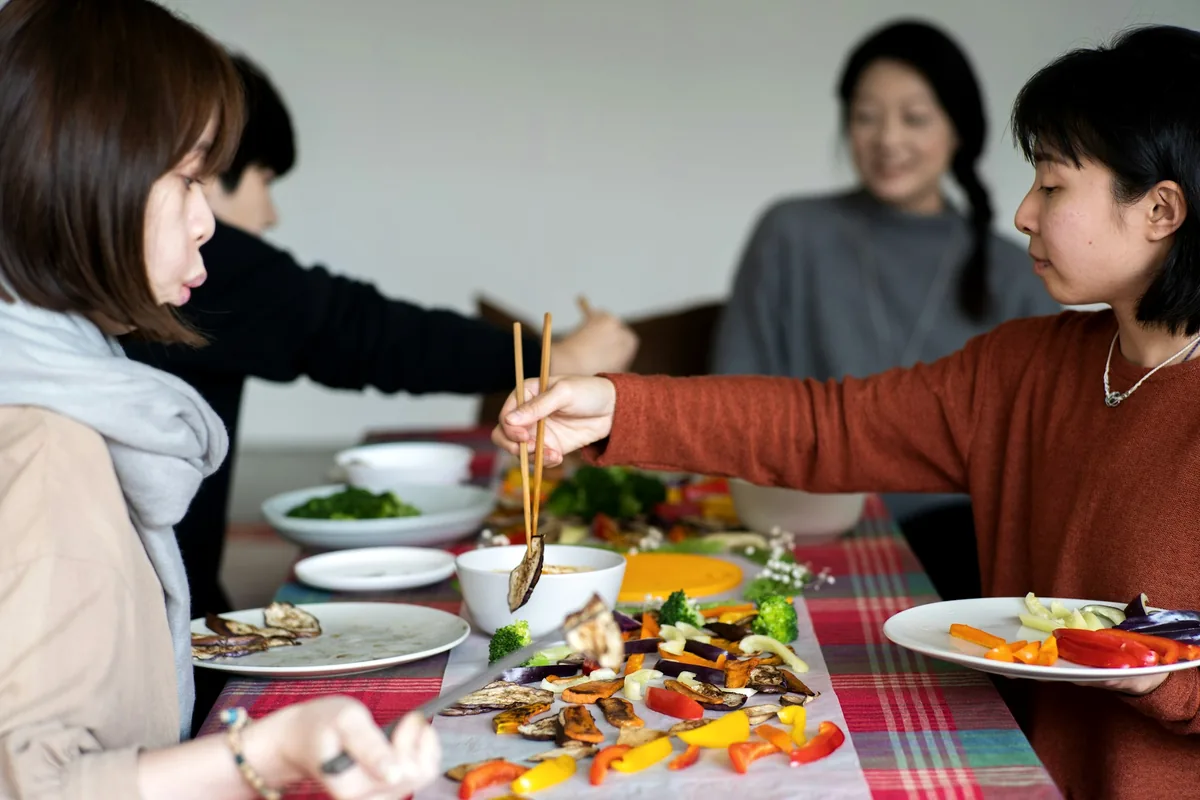
Food arrives as it is ready. There is no starter-then-main sequence to sit through. Something reaches the table quickly, which is most of the battle with a hungry child.
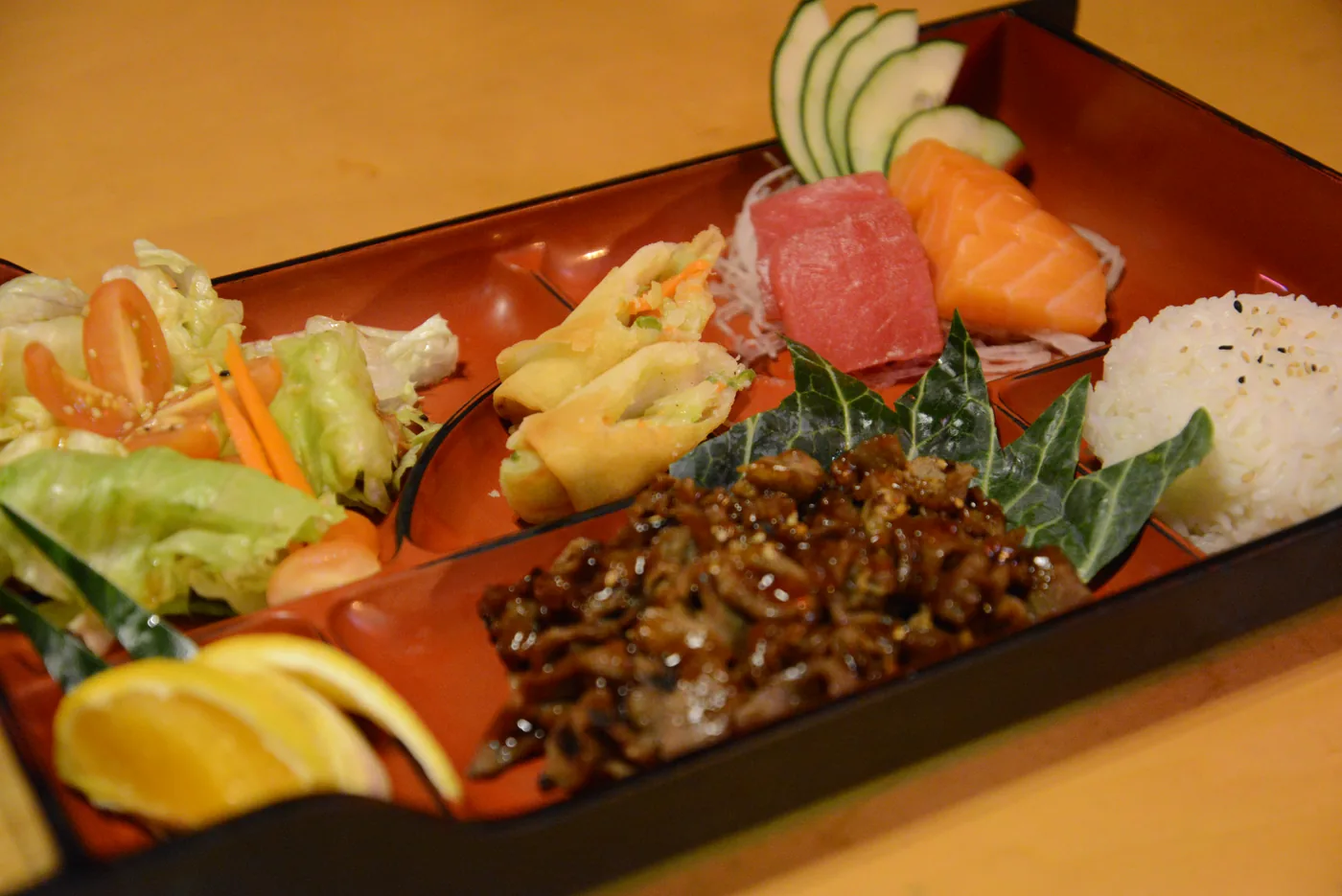
Portions are small and separate. Sushi comes in pieces, appetisers come in fours and sixes, and a bento arrives in compartments where nothing touches anything else. For a child who objects to foods mixing, that is a considerable advantage.
Most of it is mild. Very little on a Japanese menu is hot, and the things that sound alarming usually are not — spicy on a sushi menu means a mayonnaise rather than chilli heat.
Order this first, before anything else
Edamame. Salted soybeans in the pod, eaten with fingers, and the pods have to be squeezed to get anything out — which means it is food and an activity at the same time. It reaches the table faster than anything else and it buys you fifteen minutes.
After that the reliable list is short and it does not vary much by child:
- Steamed rice. The universal fallback, and it is on the menu as a side order for exactly this reason.
- A California roll. Imitation crab and avocado, nothing raw, mild and slightly sweet.
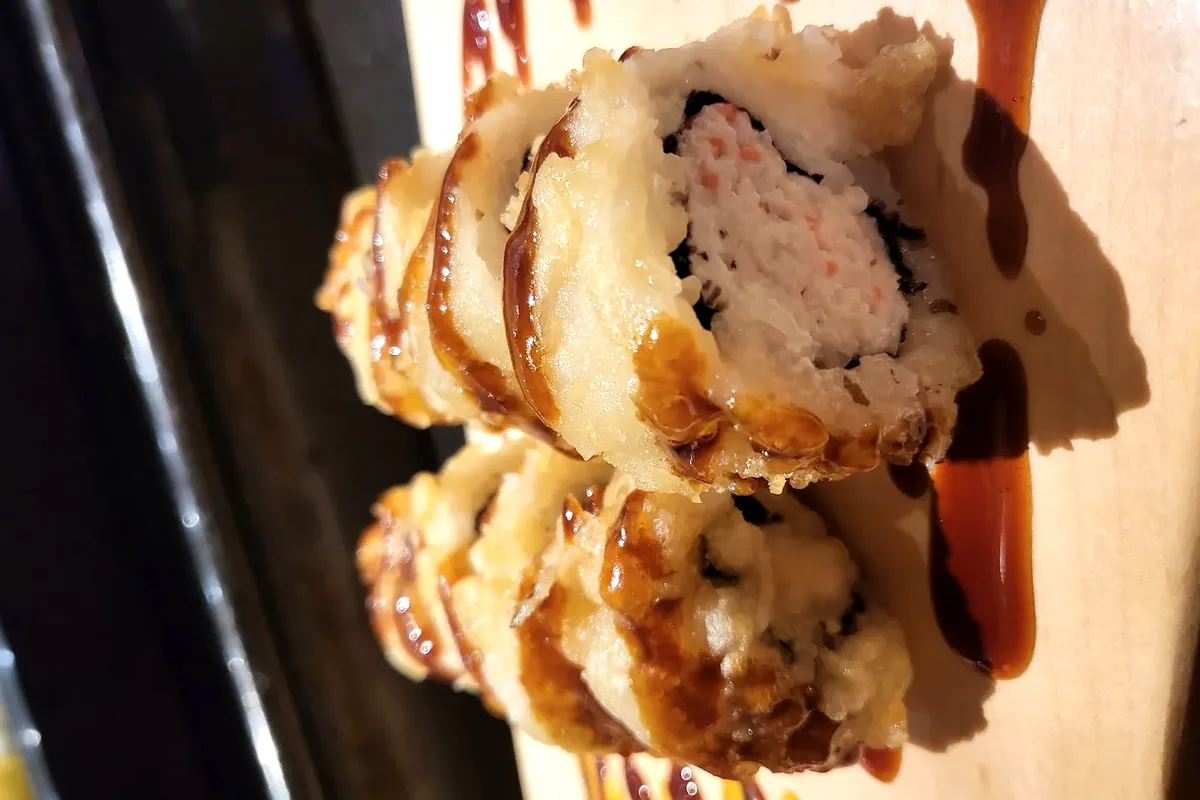
- Anything with shrimp tempura. Fried shrimp inside rice is a very short distance from food most children already eat.
- Gyoza. Fried pork dumplings, six to an order, and finger food.
- Chicken katsu. Breaded fried chicken sliced into strips. It is the least foreign-looking thing on the menu.
- Miso soup. Warm, salty and mild, and it can be drunk from the bowl.
The kids’ options on our menu
There is a kids’ meal on the teriyaki plate section, served with miso soup or salad. It follows the divided-tray logic that makes a bento work for children — several small things, none of them touching.
For a group, the Kid’s Land platter is worth knowing about: 64 pieces made up of California roll, shrimp roll, tempura roll and Golden California roll. Every one of those is cooked, which means it solves the raw fish question for a whole table at once rather than one child at a time.
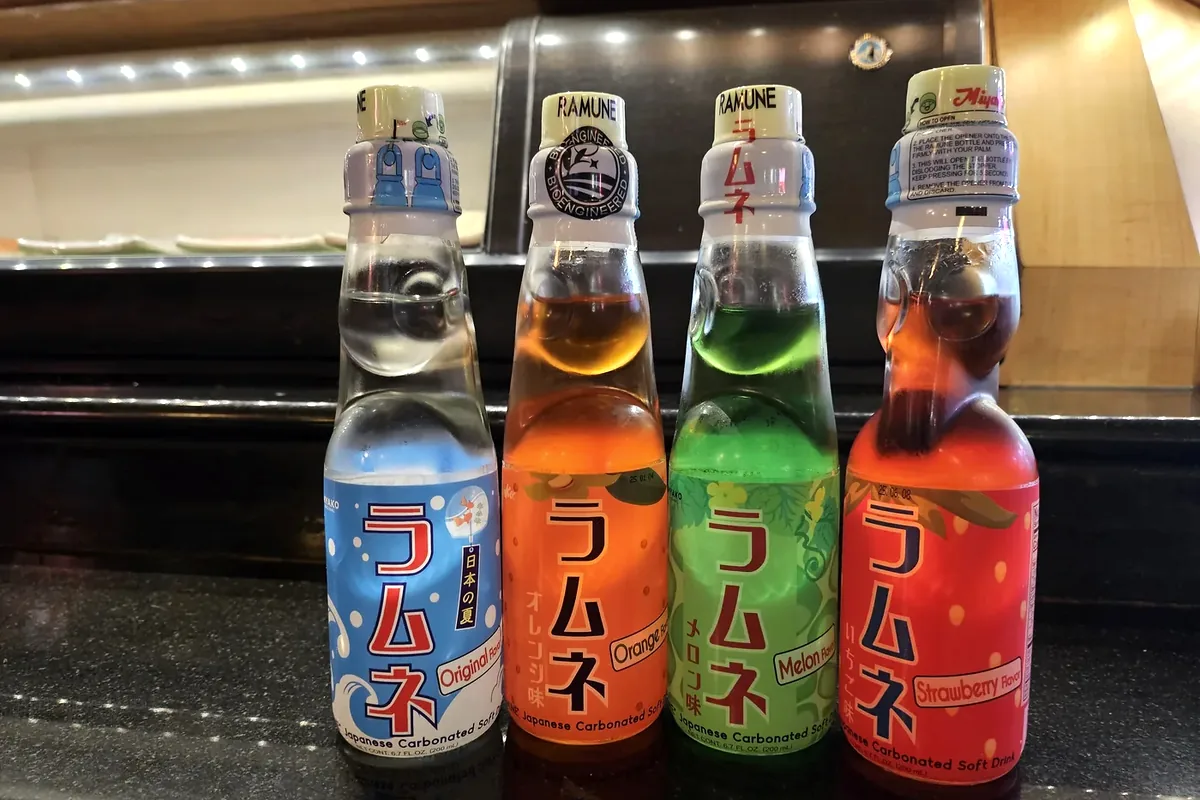
And Ramune is the drink. It comes in original, strawberry, orange and melon, and the bottle is sealed with a glass marble that has to be pushed in to open it. The novelty does a lot of work.
Ordering tip
Tell your server the ages at the table when you order rather than after the food arrives. It lets the kitchen sequence things sensibly, and it is the difference between the child’s food arriving first and it arriving last.
Widening the list without a scene
The reliable route is one familiar thing plus one new thing, every visit, with no pressure attached to the second. Over a few meals that covers a surprising amount of a menu.
| If they already like… | Try next | Because |
|---|---|---|
| Chicken nuggets | Chicken karaage | Same idea, better marinade |
| Spring rolls | Egg rolls, then gyoza | Familiar shape, new filling |
| Plain rice | A California roll | Rice they already eat, wrapped |
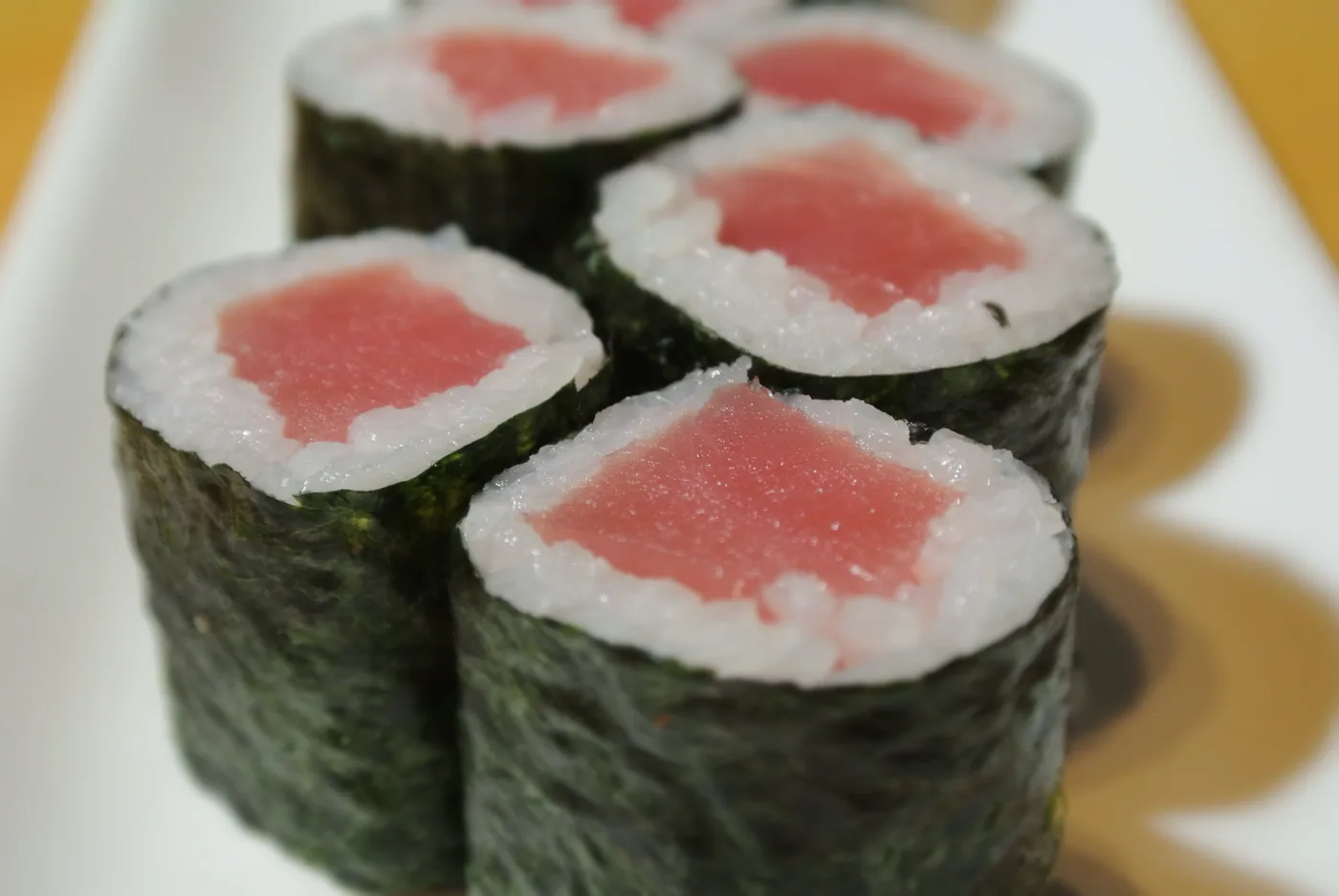
| Fish fingers | Shrimp tempura roll | Battered seafood in a new format |
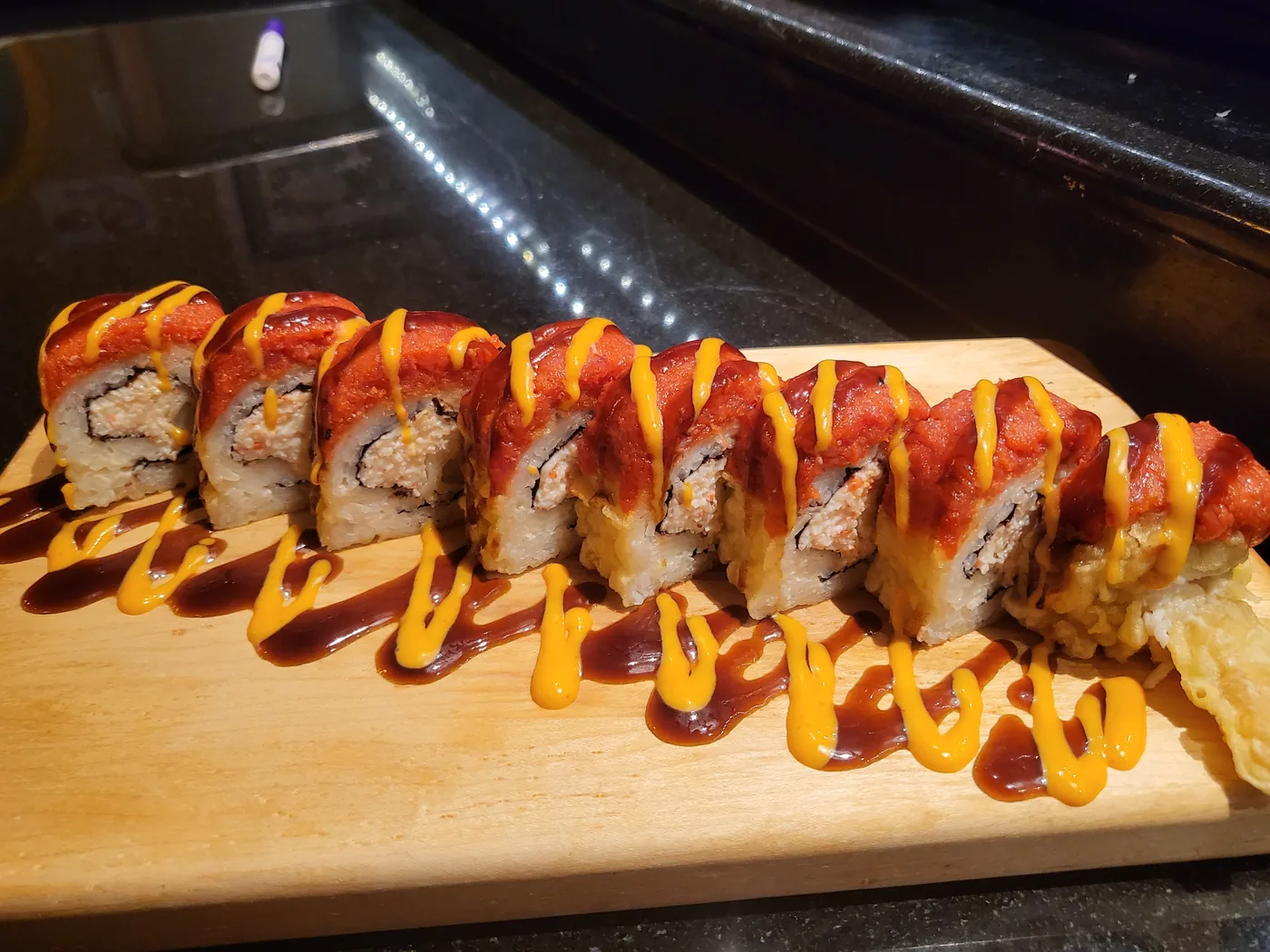
| California roll | A baked roll | Warm, mild, still nothing raw |
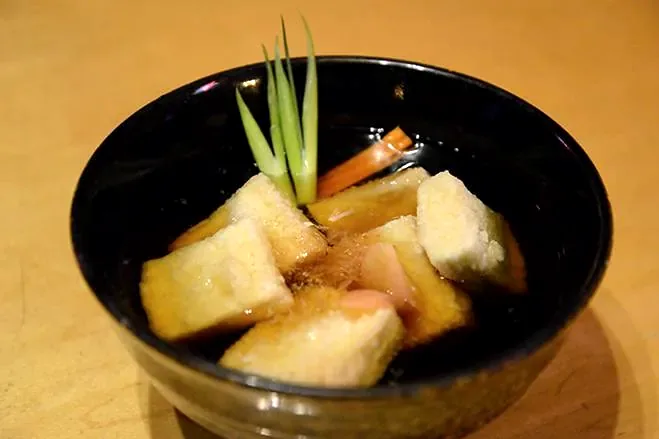
| Anything fried | Agedashi tofu | Fried, soft, and very mild |
| Noodles | Udon | Thick, easy to pick up, no heat |
On raw fish
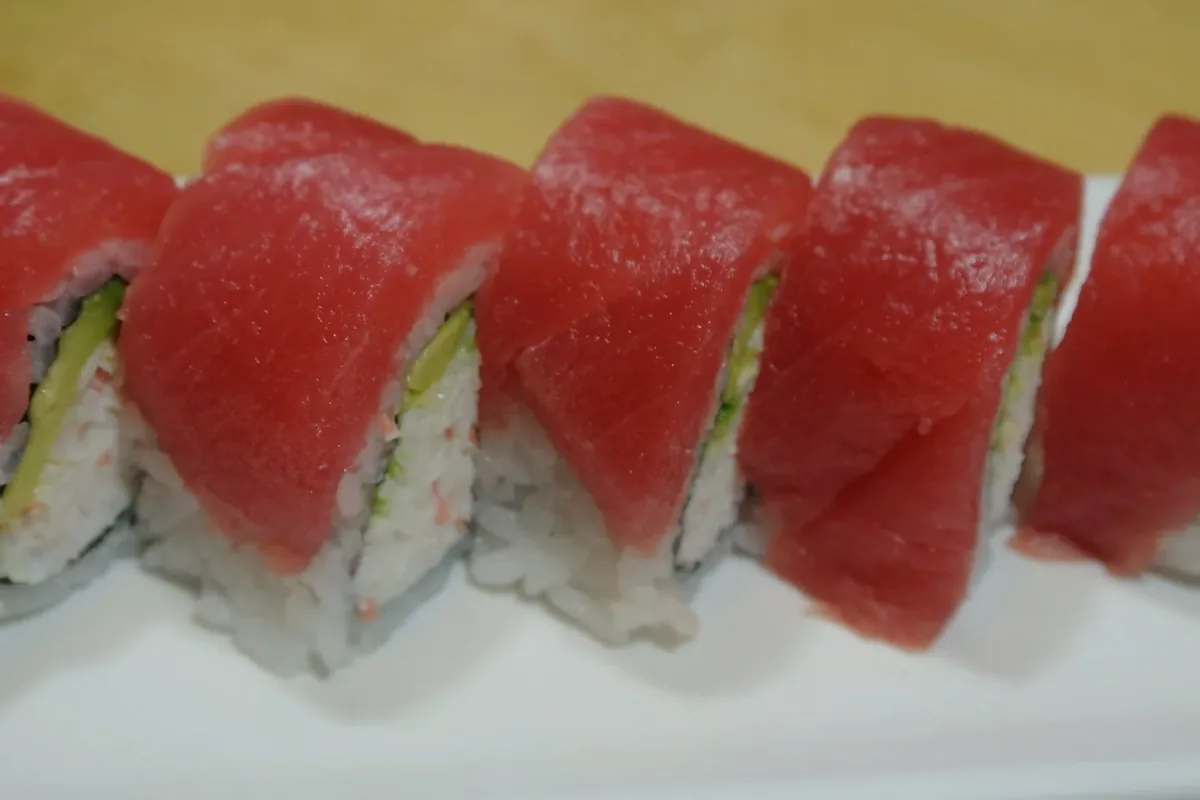
Whether and when a child should eat raw fish is a question for you and, if you want a second opinion, your paediatrician — not for a restaurant blog. Guidance varies and we are not in a position to give it.
What we can say is practical: a Japanese menu does not require it. Cooked rolls, tempura, katsu, teriyaki, udon and the whole appetiser list contain no raw fish at all, and there is a fuller list in what to order if you do not like raw fish.
If anyone at the table has a food allergy, say so directly when you order. Shellfish and soy run through more of a Japanese menu than the dish names suggest, and imitation crab is a fish product despite the name.
Practical things that help
- Go early. The start of a service period is quieter and the food comes out faster.
- Order the edamame immediately. Before you have decided on anything else.
- Ask for a fork. Nobody minds, and a child fighting chopsticks is a child not eating.
- Order rice as a side. It is the safety net, and it costs very little.
- Keep the sauces on the side. Undressed food is easier to negotiate than food that arrives already covered.
- Take the leftovers. Cut rolls and katsu both travel well, so an over-order is not wasted.
Frequently asked questions
Is a Japanese restaurant a good choice with young children?
Generally yes. Food arrives as it is ready rather than in courses, portions are small and separate, and a large part of the menu is mild and cooked.
What is the safest first thing to order?
Edamame, then steamed rice and a California roll. All three are mild, and the edamame arrives fastest.
Is anything on a Japanese menu spicy?
Very little. Spicy on a sushi menu usually means a mild spicy mayonnaise rather than chilli heat. Stuffed jalapenos and the hot sauce are the exceptions.
Can children eat sushi rice?
It is seasoned with vinegar, sugar and salt, so it tastes different from plain rice. Some children prefer plain steamed rice, which is on the menu as a side.
Do you have a kids’ menu?
There is a kids’ meal listed with the teriyaki plates, served with miso soup or salad, and a Kid’s Land party platter made entirely from cooked rolls.
The short version
Order edamame before you have read the rest of the menu. Add rice, a cooked roll and something fried. Nothing has to be raw, nothing arrives in courses, and one new item per visit does more than any amount of persuading.
The full list is on the menu, and the appetiser section is where most of the easy wins are.