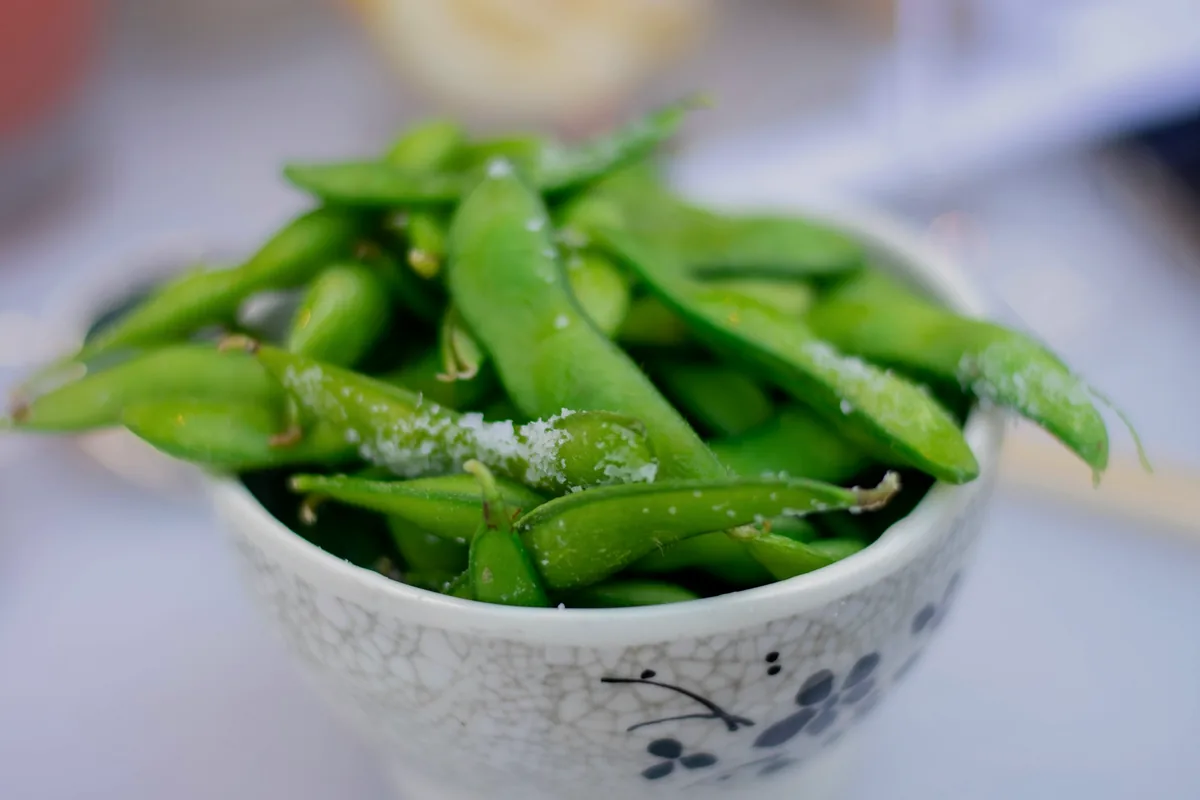
The short answer
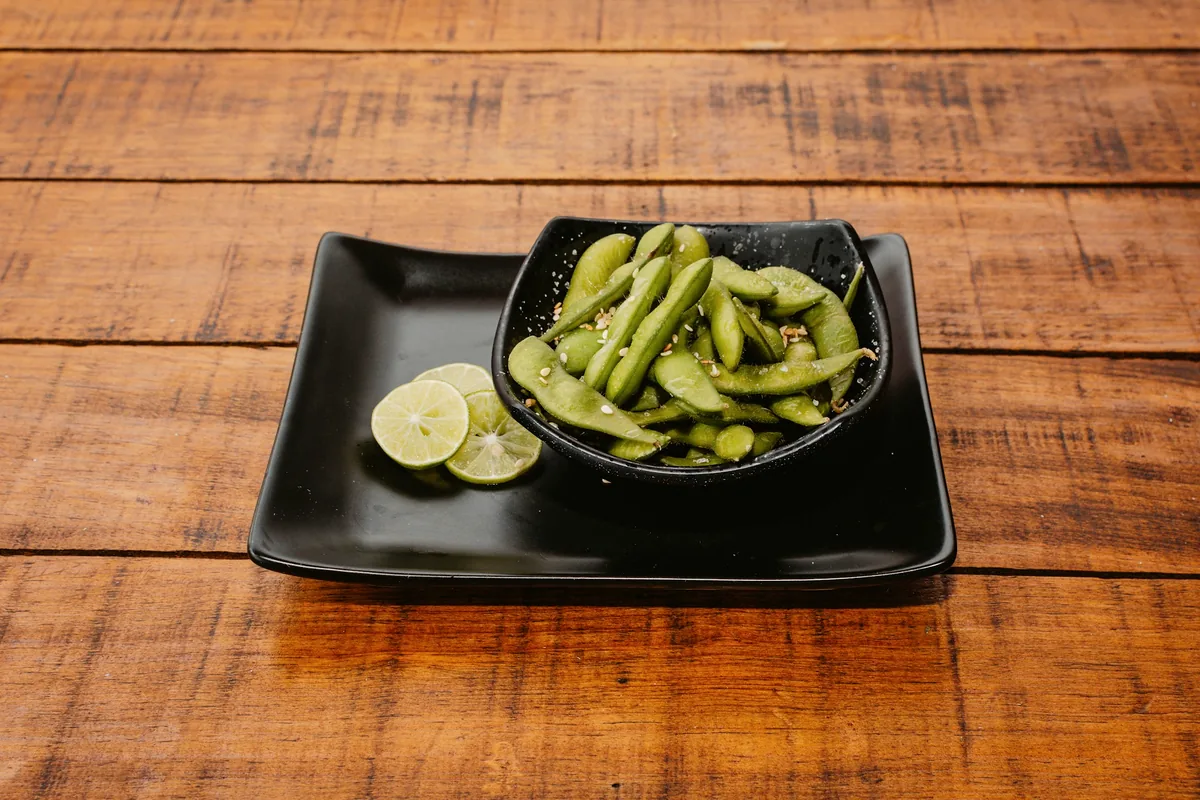
Edamamesoybeans picked young, boiled, salted
The podnot edible, and not a mistake
It is the same bean that becomes tofu, soy sauce and miso — picked months earlier, while it is still green and sweet.
The first thing almost everyone orders and the thing almost nobody thinks about. It turns out to be the same plant as half the rest of the menu.
01 — What it isA soybean, caught early
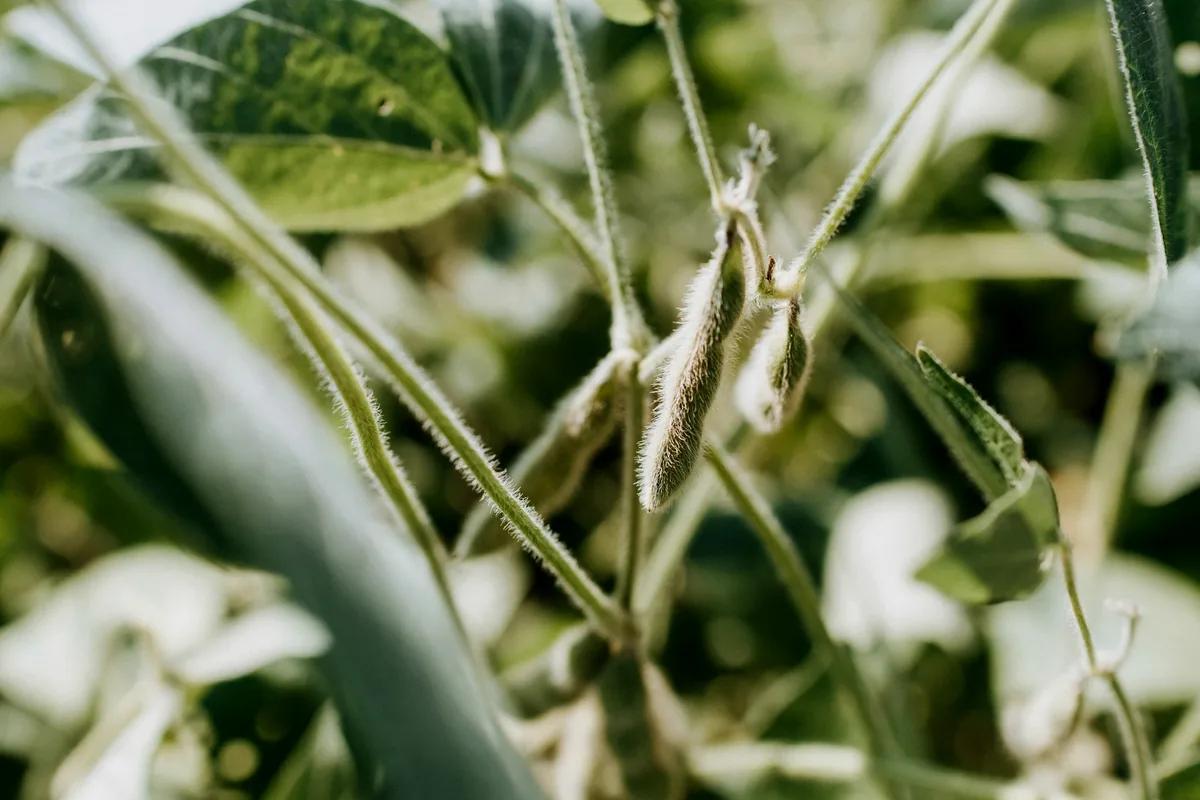
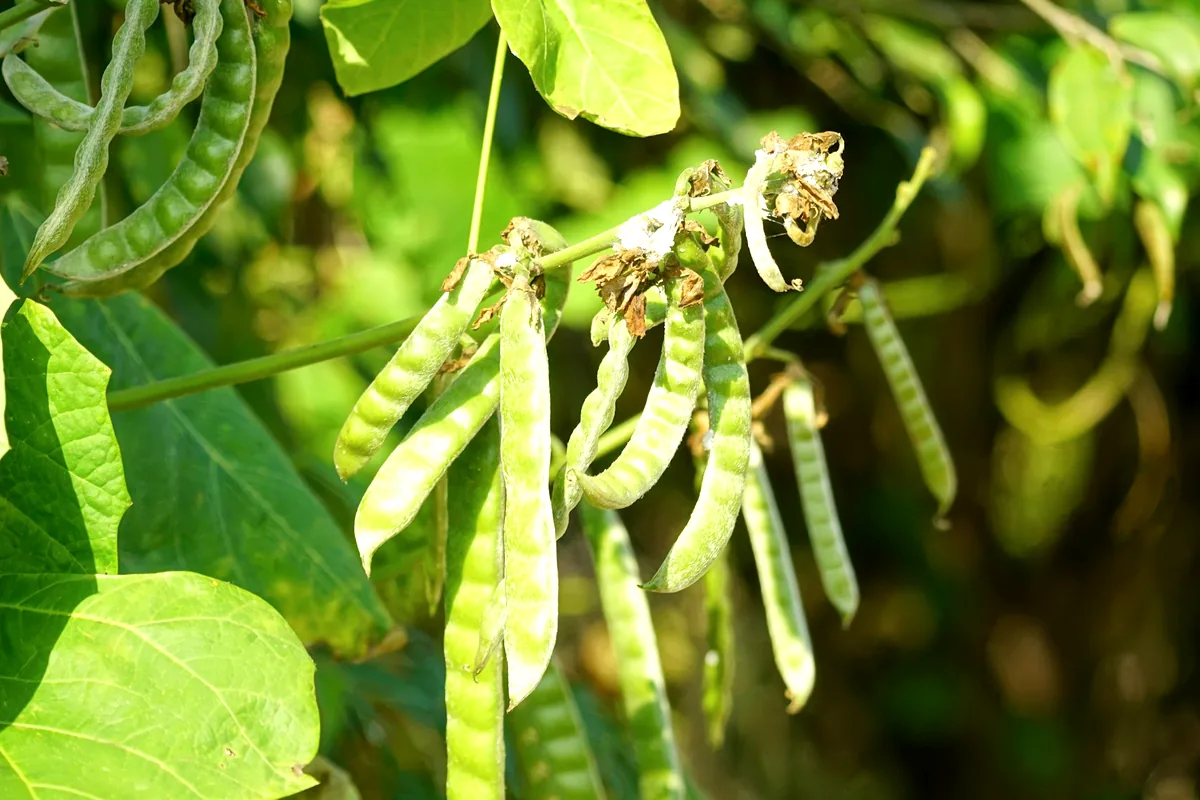
Edamame are soybeans harvested while immature — green, soft and sweet, before they dry into the hard beige beans used for everything else. Left on the plant for another few weeks they would become the raw material for tofu, soy sauce, miso and soy paper.
That timing is the whole difference. A mature soybean is starchy, needs long soaking and cooking, and tastes of very little on its own. A young one is grassy and slightly sweet and takes about five minutes in salted water.
The word itself is descriptive: eda is branch, mame is bean. Beans on the branch, which is how they were traditionally sold — still attached to the stem.
Why it arrives in the pod
Three practical reasons, and none of them is presentation.
The pod holds the salt. Edamame are boiled and then salted on the outside of the pod, so the salt is on the part you do not eat. Squeezing the bean into your mouth drags it past the salted surface, which seasons the bean at the last possible moment. Salt applied directly to a shelled bean tastes flatter and needs more of it.
The pod keeps them warm and stops them drying. Shelled beans cool fast and wrinkle. In the pod they hold heat and moisture for the whole time the bowl sits on the table.
It slows you down. Not a small thing. Edamame occupy a table for fifteen minutes at the start of a meal, which is exactly the moment a kitchen needs.
Do not eat the pod
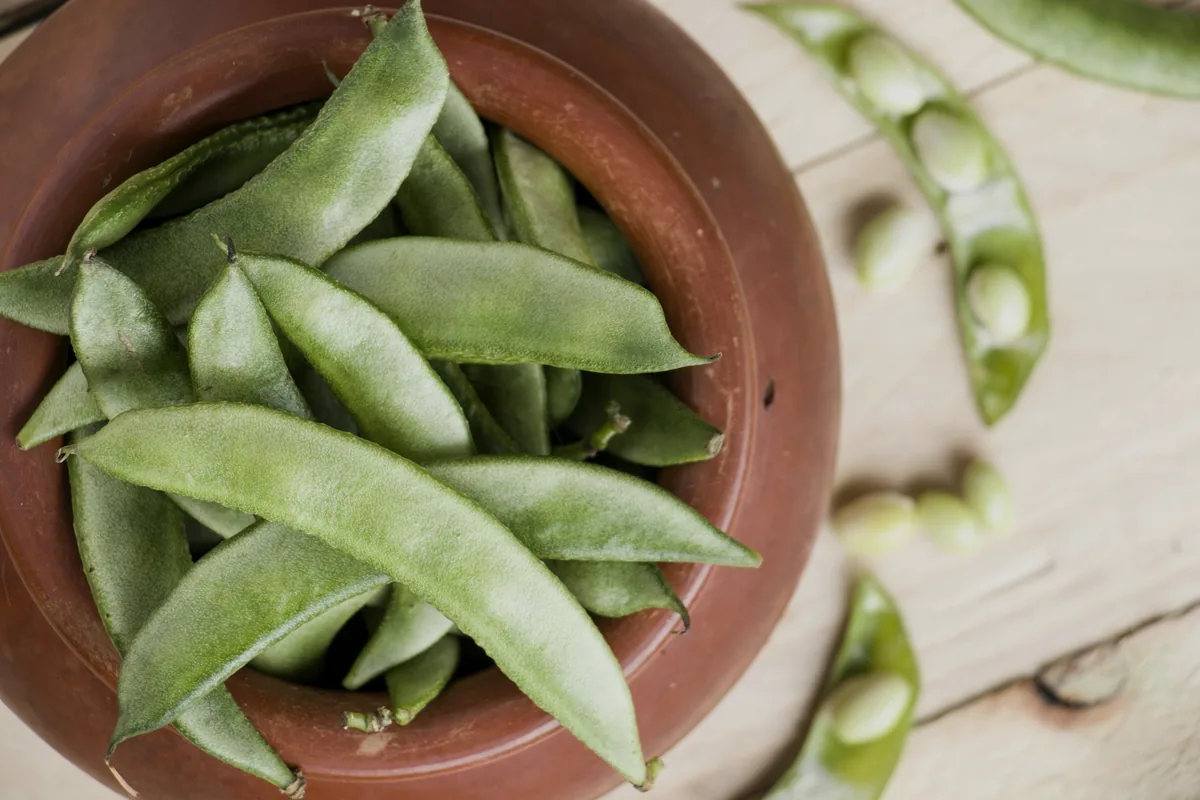
Worth saying plainly, because people do. The pod is fibrous and tough and it is not meant to be chewed.
The method is to put the pod in your mouth, close your teeth lightly, and pull it through — the beans pop out and the pod comes away empty. Fingers are correct; chopsticks are unnecessary and slower.
There is usually a second bowl on the table for the empty pods. If there is not, ask for one, or use the edge of the serving bowl.
Plain or garlic
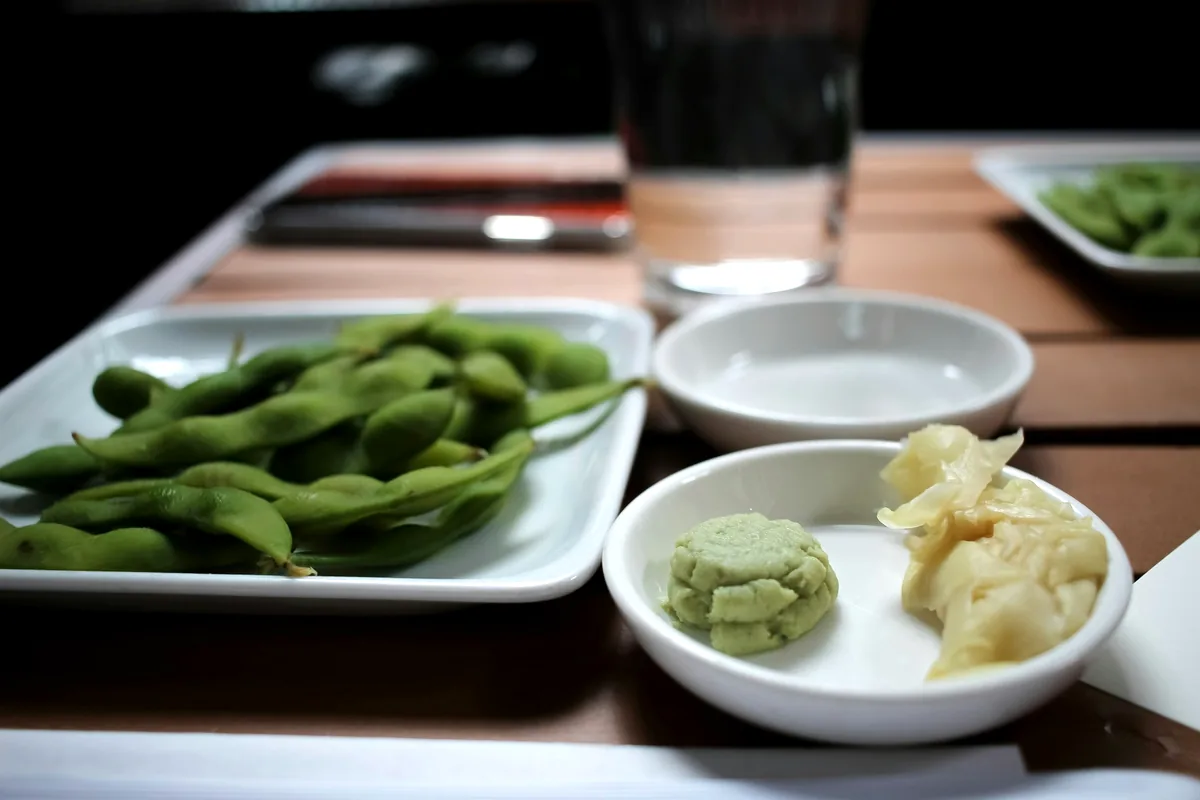
Most menus carry both, and they are genuinely different orders rather than a variation.
Plain is boiled and salted. Clean, quick, and it does not interfere with anything you eat afterwards — which matters if the meal ahead is sashimi.
Garlic edamame is stir-fried with garlic in a sauce, so the pods are coated rather than merely salted. Messier, considerably more assertive, and the version to order if edamame is the point rather than the prelude. Ours is listed as soybeans stir fried with garlic and a house garlic sauce.
One thing to know: garlic edamame will follow you into the next course. If you are ordering delicate raw fish afterwards, take the plain version.
| Plain | Garlic | |
|---|---|---|
| Cooking | Boiled, salted | Stir-fried in a sauce |
| Eaten | Cleanly, from the pod | Messily, with fingers |
| Before sashimi | Ideal | Not ideal |
| As the main attraction | Fine | Better |
| With children | Yes | Depends on the child |
Good to know
Edamame are soybeans, so they are relevant to anyone avoiding soy — which is easy to overlook, because the word does not contain the word soy. They are also boiled in salted water, so the salt is not incidental. We do not publish nutrition figures, and anything specific about sodium or protein is a question for a label or a doctor rather than for us.
Frozen is not a compromise
Most edamame served anywhere outside a soybean-growing region has been frozen, and that is genuinely fine rather than a concession.
The reason is timing. A young soybean starts converting its sugars to starch the moment it is picked, and it does so quickly — within a day the sweetness has noticeably dropped. Freezing within hours of harvest stops that conversion where it is. A pod frozen in the field and boiled six months later is closer to fresh than one that spent three days in transit.
It is the same argument that applies to fish for raw service, where freezing is a control rather than a downgrade — set out in what sushi-grade actually means. In both cases “never frozen” sounds like a boast and often is not one.
03 — When to order itOrder it before you have read the menu
This is the practical advice and it is worth following literally. Edamame requires no decision, arrives faster than anything else, and occupies everyone while the rest of the order is worked out.
It is particularly useful in three situations:
- With children. Food and an activity at once, and nothing about it is unfamiliar. More on that in eating Japanese food with children.
- With a hungry table. It buys the kitchen fifteen minutes without anybody noticing.
- When somebody is being careful. Two ingredients, both visible. There is very little to ask about.
It is also the cheapest way to stretch a group order. Alongside a platter it fills people up in a way another roll would not — the same logic that applies in ordering for a group at work.
Frequently asked questions
Can you eat edamame pods?
No. The pod is fibrous and tough. Pull it through your teeth to release the beans and leave the pod behind.
Is edamame the same as soybeans?
Yes — the same bean, harvested while still green and soft rather than left to dry and harden.
Why is it served in the pod?
The pod carries the salt, keeps the beans warm and moist, and slows the table down at the start of a meal. All three are deliberate.
Is edamame suitable if I avoid soy?
No. Edamame is a soybean, which the name does not make obvious. Anyone avoiding soy should skip it.
Plain or garlic?
Plain before raw fish, garlic if the edamame is the point. The garlic version lingers into whatever you eat next.
The short version
Soybeans picked young, boiled and salted on the outside of a pod you are not meant to eat. Order it before you have decided on anything else, take the plain version if sashimi is coming, and ask for a second bowl for the empties.
Both versions are on the appetizer list.