The short answer
Order twoone light, one fried
Safest startedamame and gyoza
Japanese appetisers are not a first course in the Western sense. They arrive when they are ready and sit on the table alongside everything else, so pick for contrast rather than sequence.
The appetiser section is where most Japanese menus keep their best value and their widest range, and it is the part people order from least confidently. Here is what is actually on it.
01 — The light endWhere to start if you order nothing else
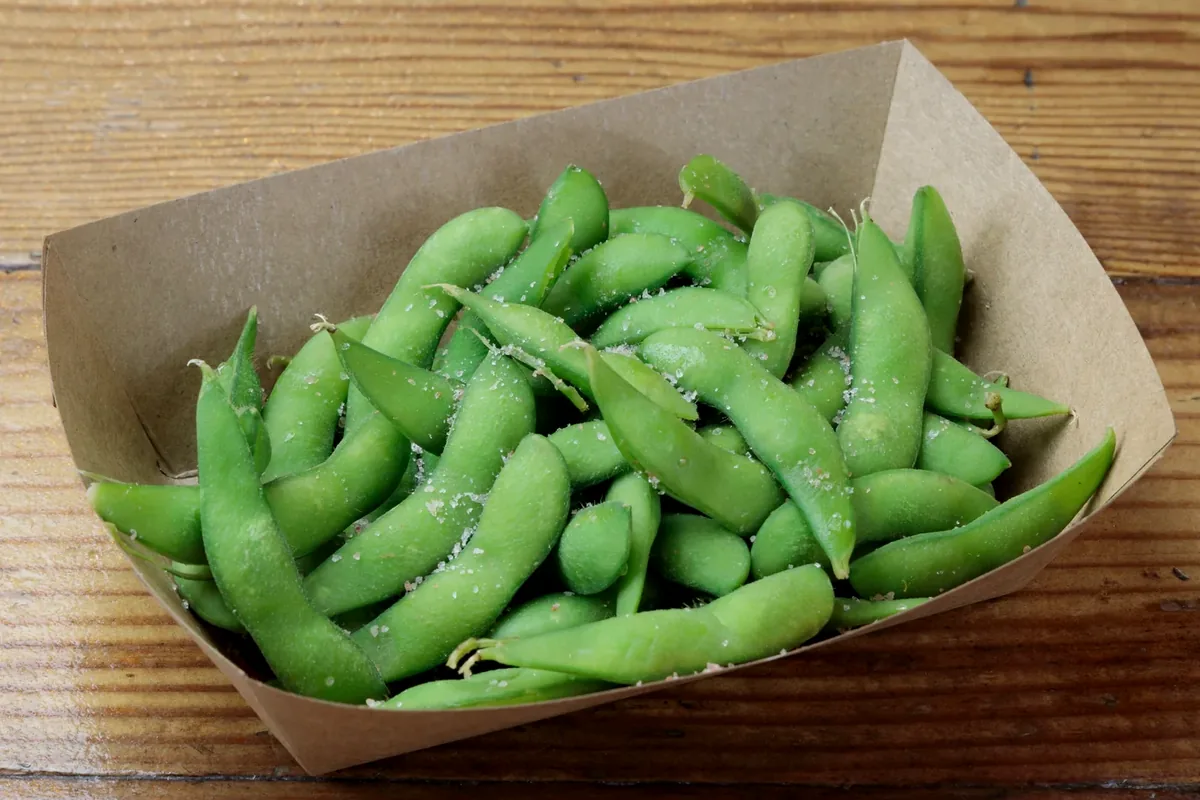
Edamame. Young soybeans in the pod, boiled and salted. You squeeze the beans out with your teeth and leave the pod. It is the default first order at almost every Japanese restaurant, it requires no explanation, and it gives a table something to do while the rest of the food is made.
There is usually a garlic version too — the pods stir-fried in a garlic sauce, which makes them messier and considerably more interesting.
Agedashi tofu. Soft tofu, lightly coated and fried, then sat in a warm broth. It is the quietest thing on the list and the one most likely to be overlooked by people who think they do not like tofu.
Four different kinds of fried
This is where the appetiser list earns its place, and the four are genuinely distinct rather than variations on one idea.
- Gyoza. Pork potstickers, fried on one side and steamed on the other, so each one is crisp underneath and soft on top. Served with a dipping sauce.
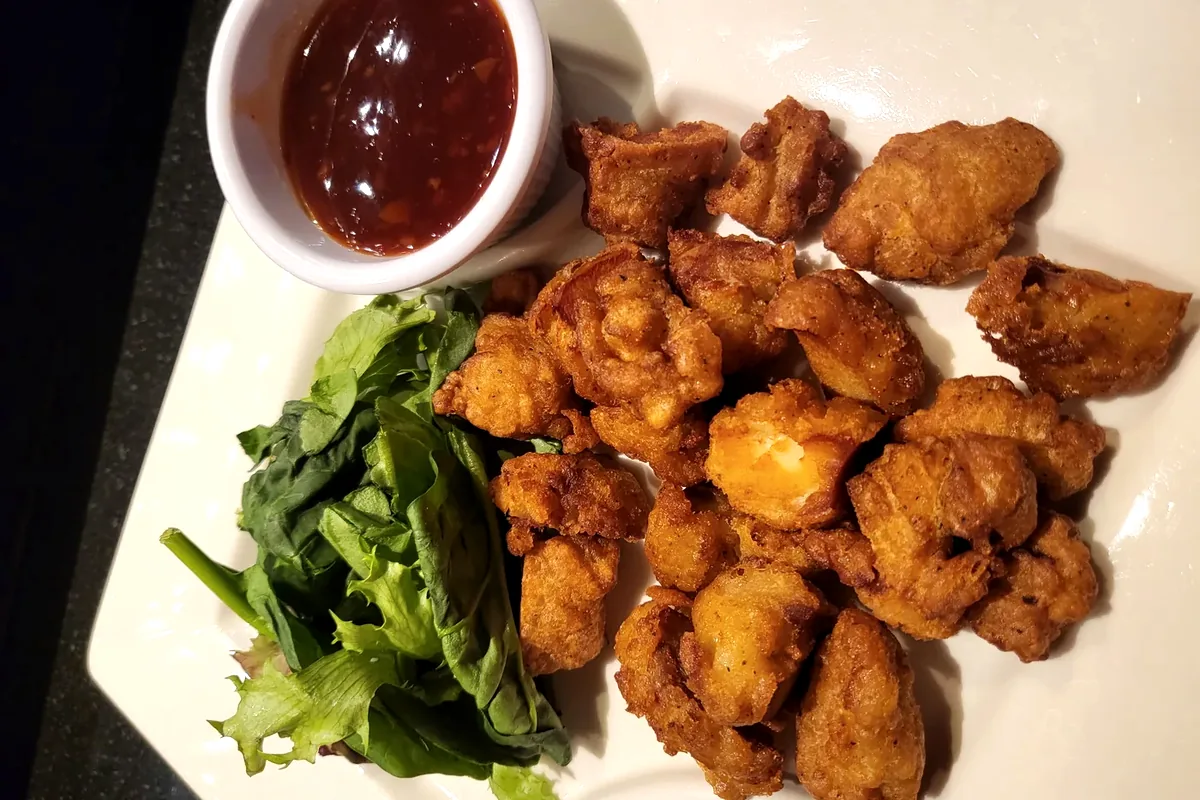
- Chicken karaage. Boneless thigh, marinated and fried. Darker and more savoury than any Western fried chicken, and better cold than it has any right to be.
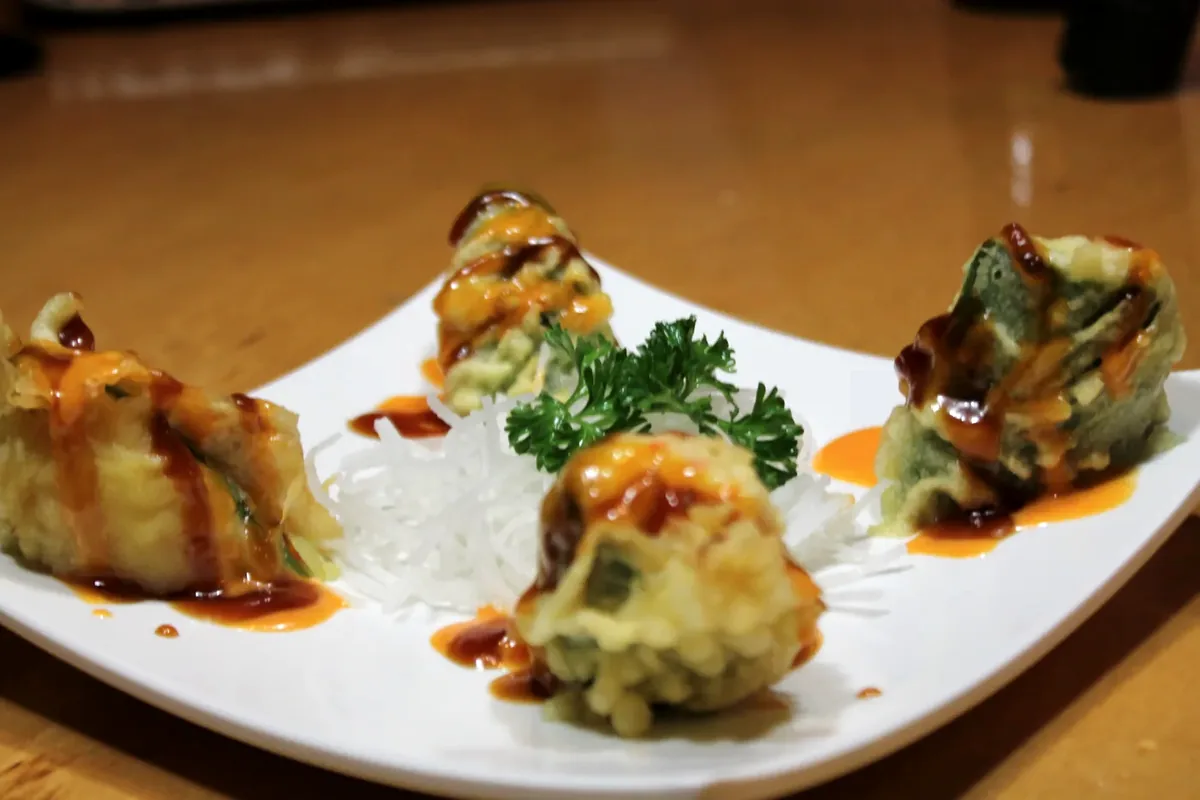
- Tempura. Shrimp and vegetables in a thin batter, or calamari on its own. The most delicate item on the table and the one to eat first.
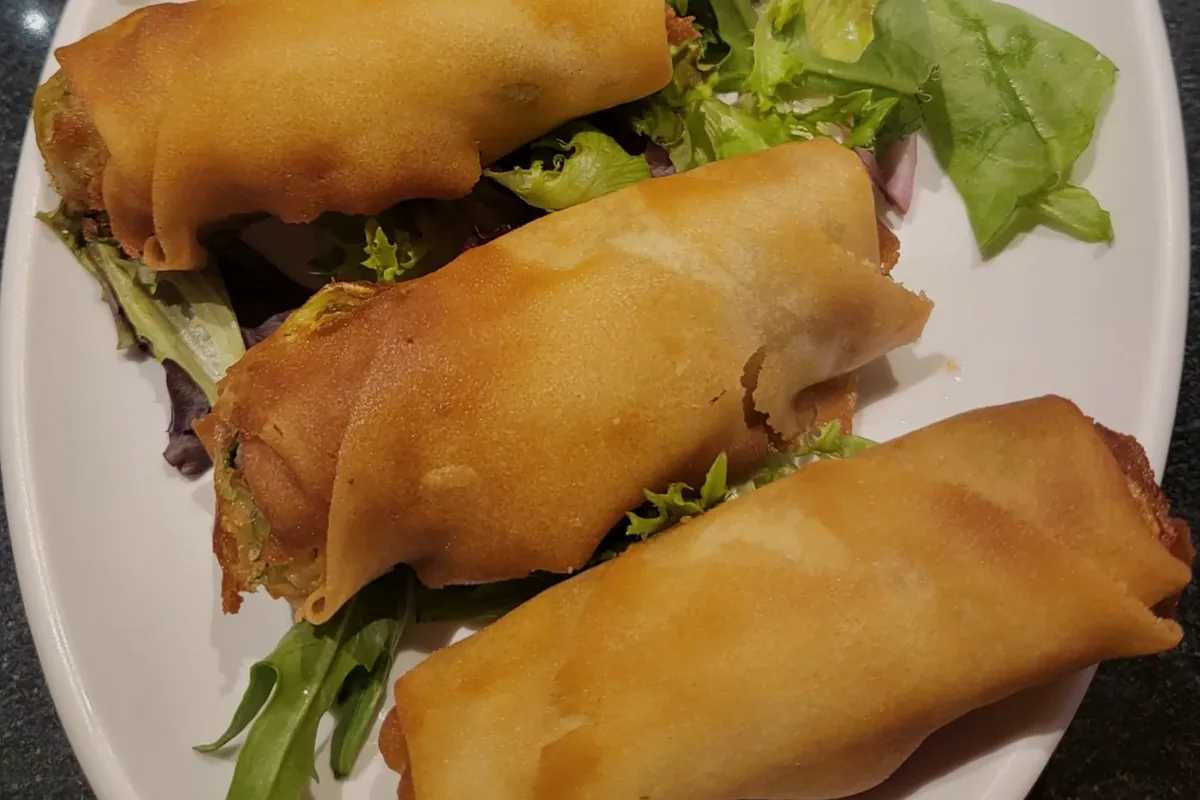
- Egg rolls. Not strictly Japanese, and on the menu because they are good. Crisp, hot and easy to share three ways.
The differences between those coatings matter more than they look like they do — we set them out in tempura, panko and deep fried.
Past the obvious choices
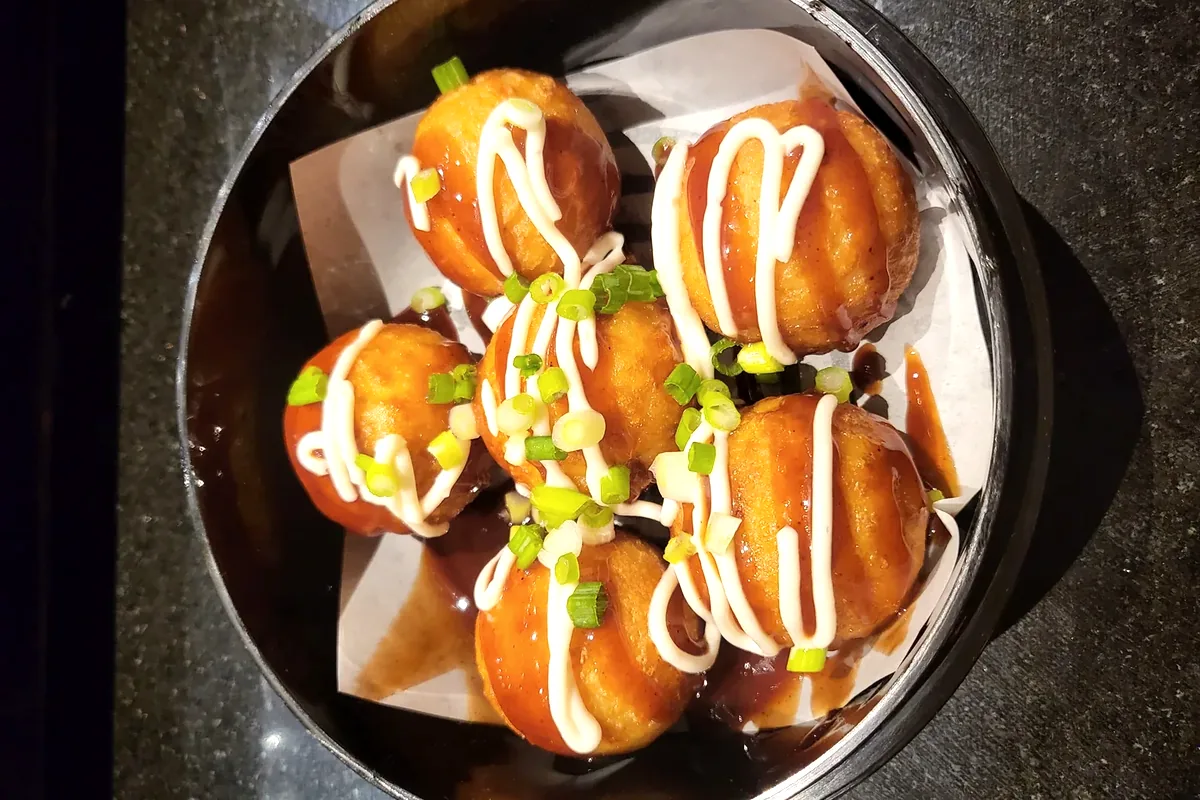
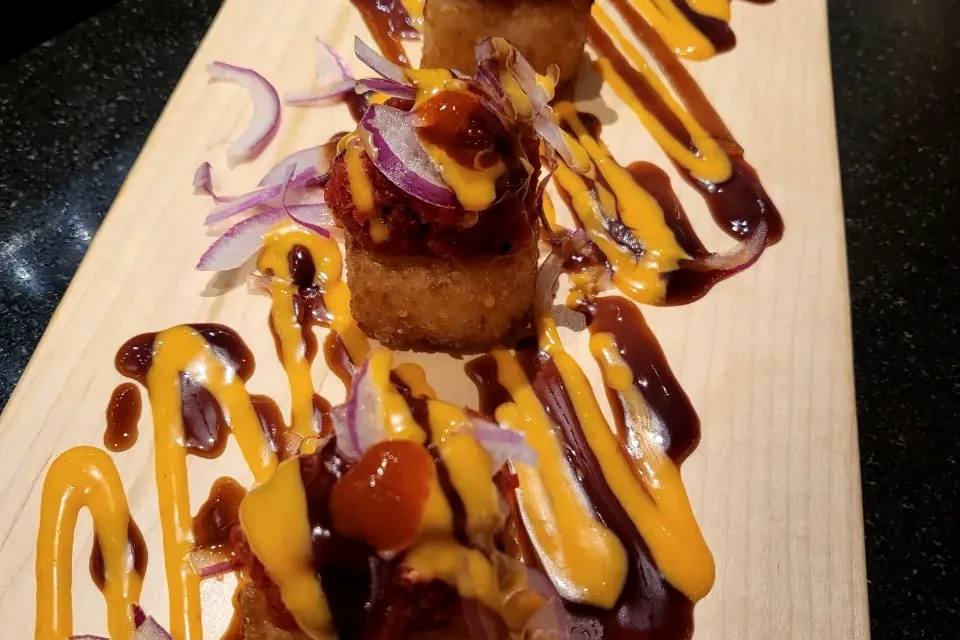
Takoyaki. Battered octopus cooked in a moulded pan into small round balls, then topped with mayonnaise, okonomiyaki sauce and green onion. It is street food, it is meant to be eaten hot, and the texture — molten in the middle — is the whole point.
Crispy rice on spicy tuna. A block of rice fried until the outside crunches, with spicy tuna on top. It sits between an appetiser and a piece of sushi, and it is the best thing to order for someone who says they do not like sushi.
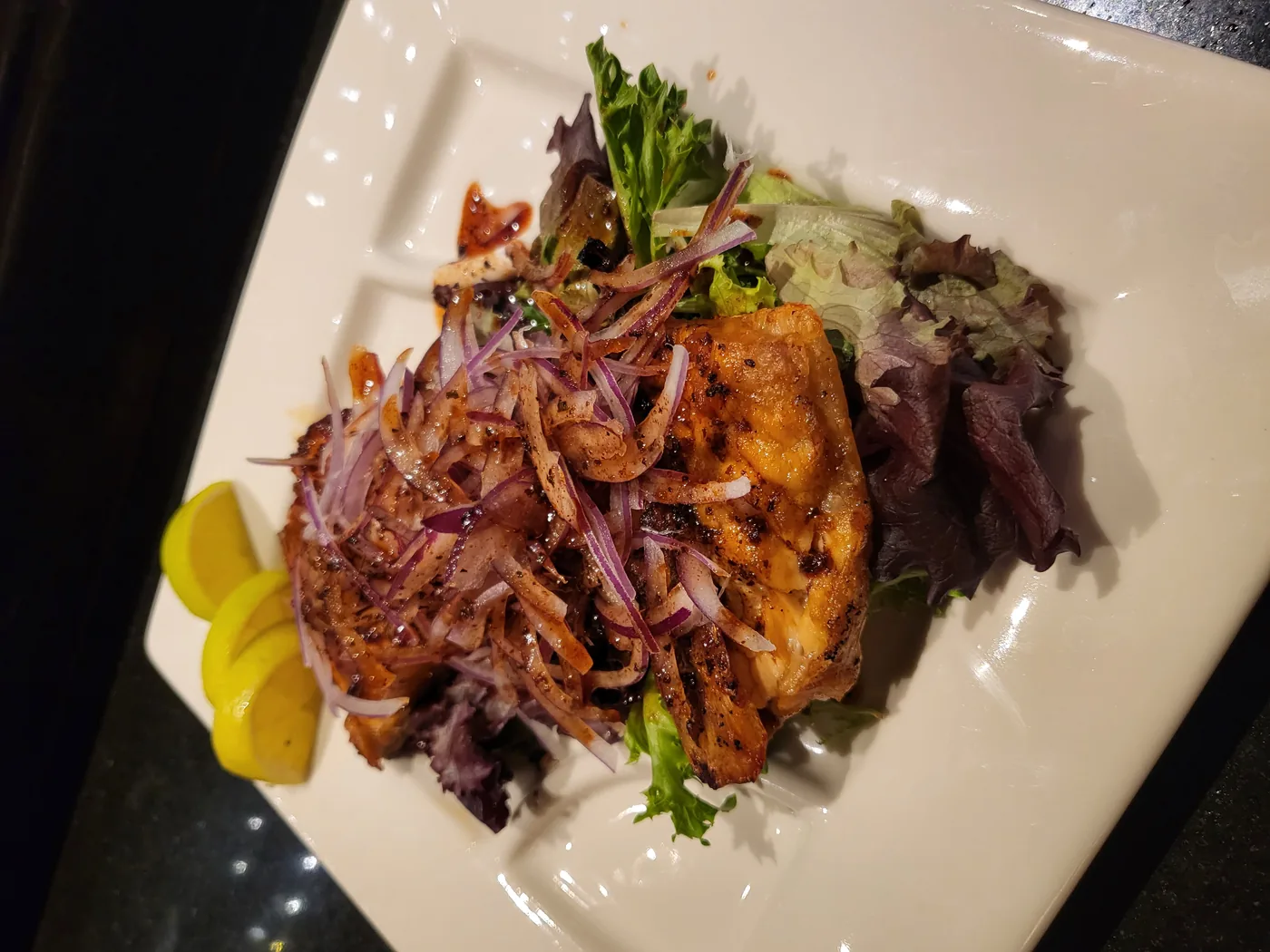
Collars. Salmon or yellowtail, cooked on the bone. The fattiest part of the fish, and the dish most likely to make a regular out of someone. There is more on the salmon version in salmon on a Japanese menu.
Choosing two, in a table
| If the table wants… | Order | And pair it with |
|---|---|---|
| Something to start immediately | Edamame | Anything — it goes with everything |
| The safest crowd-pleaser | Gyoza | A vegetable roll |
| Something substantial | Chicken karaage | Seaweed salad |
| Something delicate | Mixed tempura | Edamame, not another fried dish |
| Something unusual | Takoyaki | Something plain and cold |
| To convert a sceptic | Crispy rice on spicy tuna | A cooked roll |
| The best value on the list | A collar | Rice and miso soup |
Good to know
Order appetisers with the rest of the meal rather than before it. A Japanese kitchen sends dishes out as they are finished, not in courses, so asking for them first mostly means they arrive first and go cold while the sushi is still being cut. If you do want them ahead, say so explicitly.
The salads count too
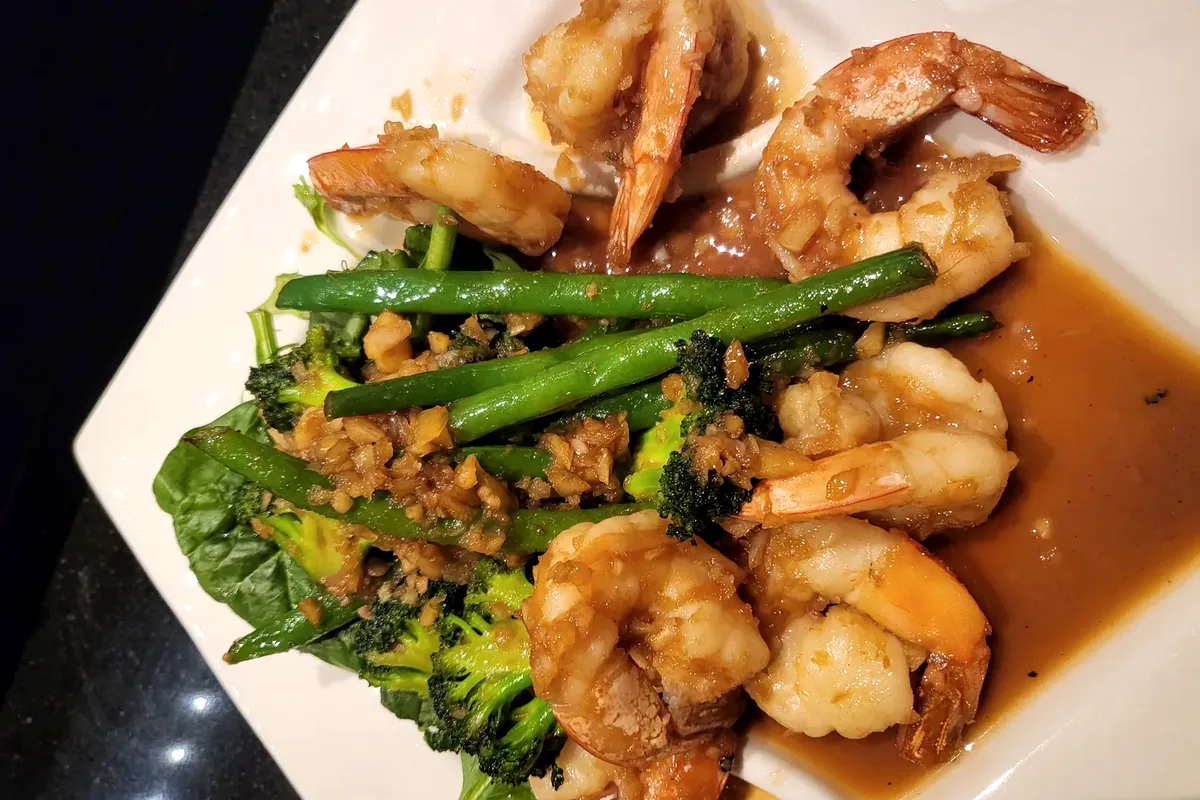
Three of them, and each does a different job. Seaweed salad is cold, sharp and sesame-heavy — the best thing on the menu to put next to fried food. Salmon skin salad puts crisped skin over greens, which is a texture rather than a leaf dish. And the house salad comes with a mango dressing, which is sweeter and brighter than the ginger dressing most people expect.
Any of the three will do more for a heavy order than another appetiser will.
Which ones survive a drive home
Appetisers are the part of a takeout order most likely to disappoint, and it is entirely predictable which ones. Anything in a thin batter is on a clock — tempura is excellent in the restaurant and ordinary fifteen minutes later, because the coating absorbs steam inside a closed container.
Karaage and gyoza travel far better. Both have sturdier coatings, and gyoza in particular is designed to sit crisp on one side and soft on the other, so it does not depend on staying uniformly dry. Edamame is unaffected by anything. Takoyaki should be eaten where it is made.
If you are ordering to take home, the rule is the same one that applies to the rest of the menu: the sturdier the coating, the better it holds. There is more on why in the three kinds of fried.
How many to order
- Two people: one or two appetisers, at most. Portions are generous and the sushi is coming.
- Four people: three, chosen for contrast — something cold, something fried, something unusual.
- Six or more: four or five, and order a second round later rather than everything at once.
- Any size: never two fried dishes without something cold between them.
If you are working out quantities for a bigger table, the arithmetic is in how much sushi to order for a party.
Frequently asked questions
Do Japanese appetisers come before the main food?
Not by default. Dishes arrive as they are finished rather than in courses. If you want the appetisers first, ask when you order.
Which appetiser is best for children?
Edamame and gyoza, usually. Both are mild, both are finger food, and edamame comes with something to do.
Are there vegetarian appetisers?
Edamame, agedashi tofu and seaweed salad are the usual candidates. Preparation varies, so if you follow a strict vegetarian or vegan diet, confirm with the restaurant rather than relying on a dish name.
What is okonomiyaki sauce?
A thick, dark, sweet-savoury sauce in the same family as tonkatsu sauce, used on takoyaki and okonomiyaki. It is fruity rather than hot.
Can appetisers work as a whole meal?
Comfortably. Three or four between two people, with rice and miso soup, is a good meal and a cheaper one than ordering mains.
The short version
Order one light and one fried, expect them to arrive with everything else, and put something cold on the table if there is anything hot on it. Edamame and gyoza never fail; takoyaki and the collars are where the list gets interesting.
The whole list is on the menu, and it is worth reading before you decide on the rolls.