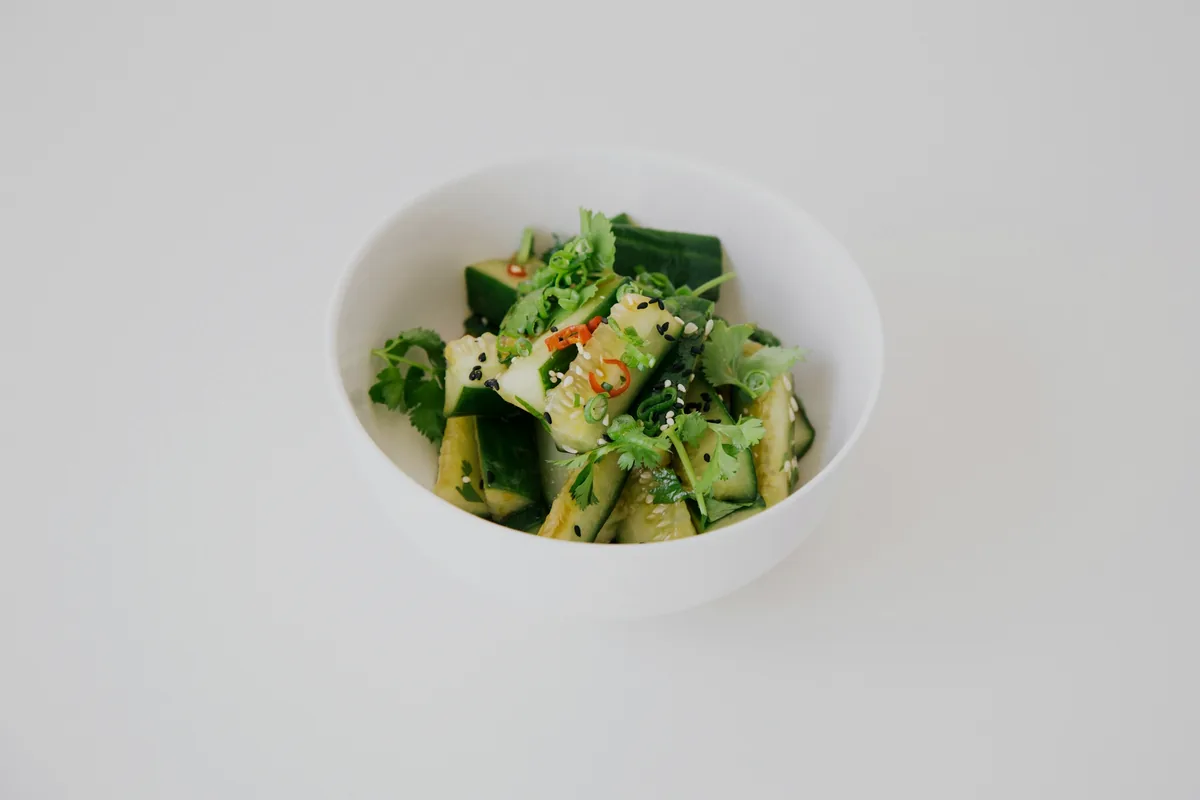
The short answer
The jobcut through everything else
The mistakeordering none of it
Salads and cold dishes are the least-ordered part of a Japanese menu and the part that does most for the rest of the table.
Nobody comes to a sushi restaurant for the salad. That is exactly why an order without one so often ends up feeling heavier than it should.
01 — The principleCold and sharp is a structural role
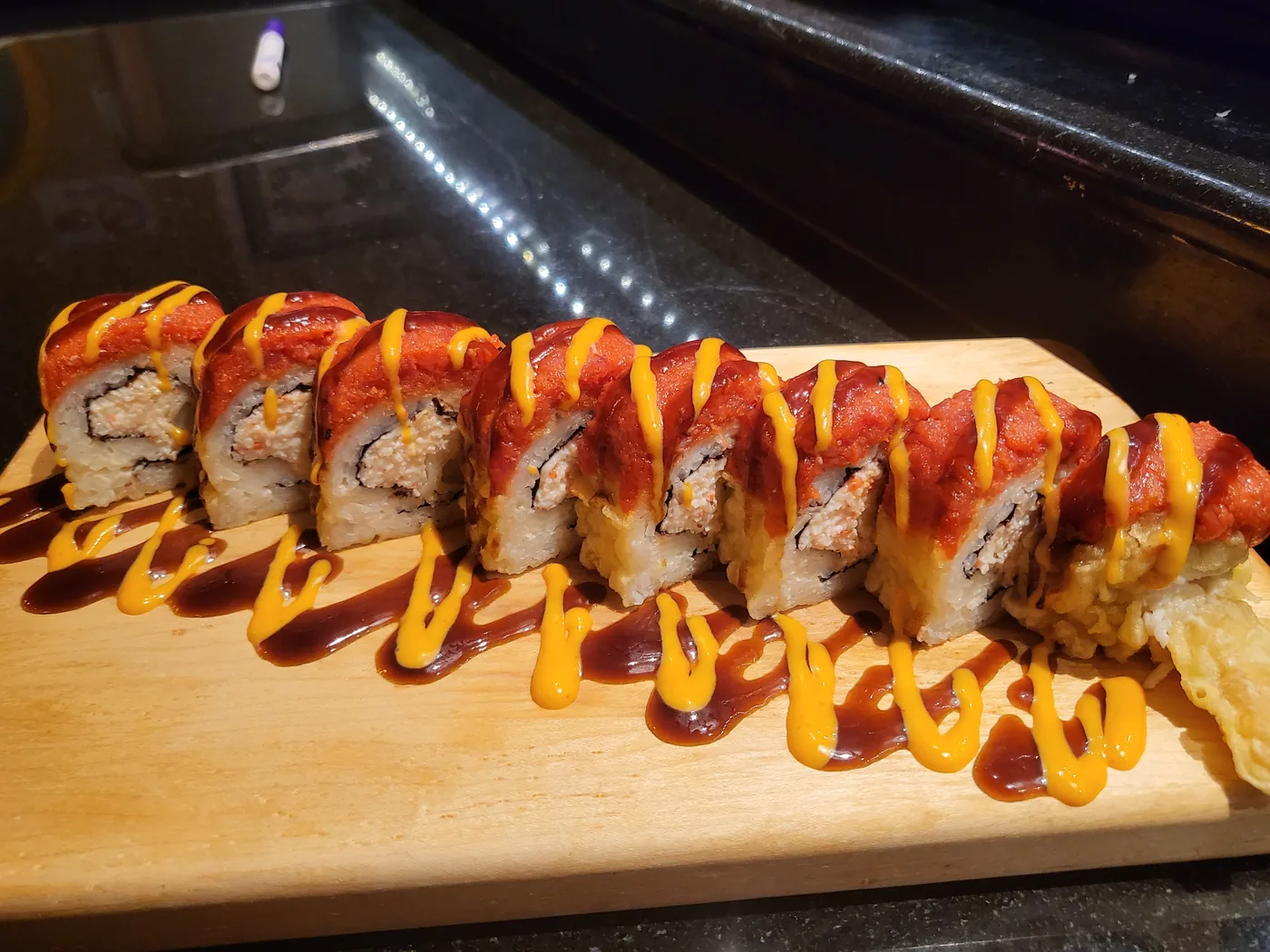
Look at what a typical order actually contains. Fried appetisers. Rolls dressed with eel sauce and spicy mayonnaise. Cream cheese. A hot plate with a sweet glaze. Rice underneath most of it.
Almost all of that is rich, soft, warm or sweet, and much of it is several of those at once. The palate adapts fast, and by the fourth or fifth item everything is starting to taste like the same thing.
Something cold, sharp and crisp interrupts that. It is doing the same job that pickled ginger does between pieces of fish, at the scale of the whole meal rather than one mouthful.
Why vinegar does the work
Japanese cold dishes are usually dressed with rice vinegar rather than oil, and that is the mechanism.
A Western vinaigrette is mostly oil with acid in it, which is refreshing but adds fat to a table that already has plenty. A Japanese sunomono dressing is vinegar, a little sugar and soy, with almost no oil. It cuts without contributing.
That is the same acidity that seasons sushi rice, and it is why the two sit together so naturally — the whole cuisine leans on vinegar where others lean on fat.
They are not variations on each other
Seaweed salad. Wakame, dressed and heavily sesame-forward, served cold and slippery. It is the sharpest of the three and the best thing on the menu to put beside anything fried. If you order only one cold dish, this is it.
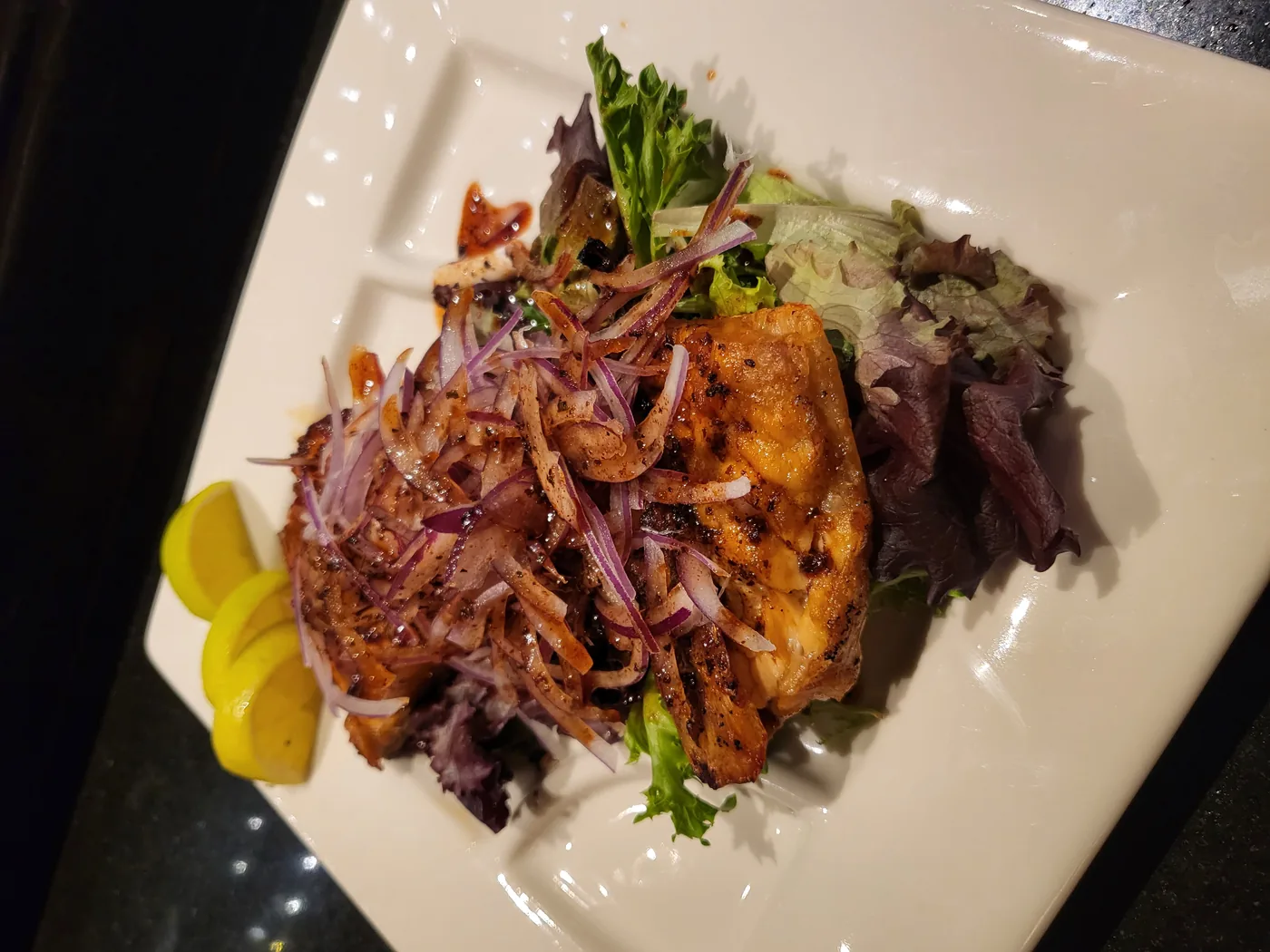
Salmon skin salad. Crisped salmon skin over greens. This is a texture dish rather than a leaf dish — the skin is savoury and smoky and does most of the talking. It is closer to an appetiser than a salad, and it is the one people are most surprised by.
House salad. Mixed greens with a mango dressing. Sweeter and brighter than the ginger dressing most people expect from a Japanese restaurant, and the most conventional of the three — which makes it the safe one for a table that is not sure.
| Salad | What it really is | Order it with |
|---|---|---|
| Seaweed | Cold, sharp, sesame-heavy | Anything fried |
| Salmon skin | A texture dish with greens | A light order that needs substance |
| House | Greens with a sweet dressing | A table that wants something familiar |
Ordering tip
Order the cold dish at the same time as everything else rather than first. Japanese kitchens send food out as it is ready, so a salad ordered as a starter simply arrives first and gets eaten before the thing it was meant to balance. You want it sitting on the table alongside the fried items, not ahead of them.
What else counts
The cold side is broader than the salad section, and several things already on your table belong to it.
- Sashimi. Cool and clean, and the reason it belongs at the start of a meal rather than the end.
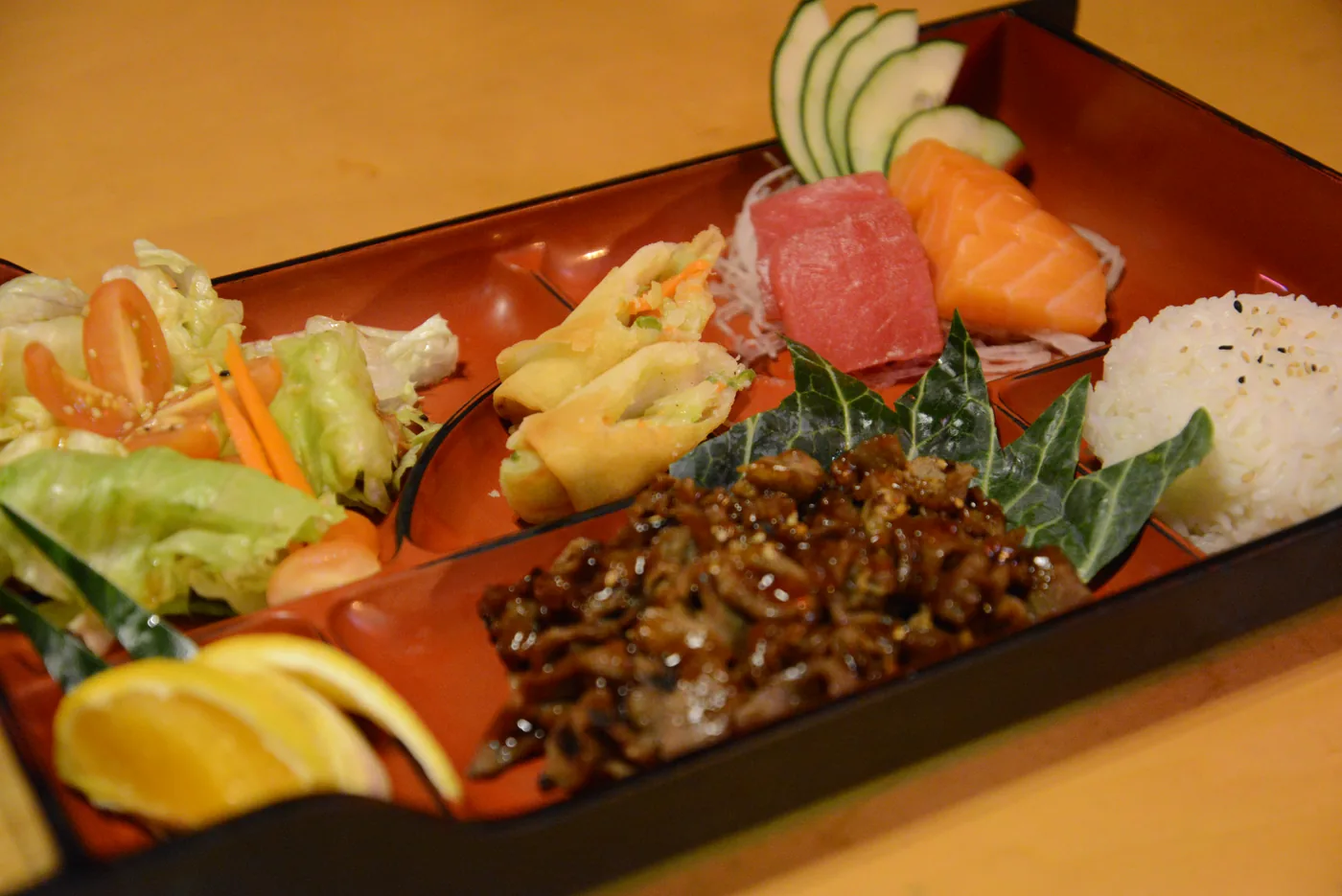
- Shredded daikon. The white threads under sashimi are a crisp palate reset, not packaging — more in the small things on top.
- Pickled ginger. Between fish rather than on them.
- Chilled tofu. Silken tofu served cold with soy and ginger, which is a summer dish in Japan.
- Cucumber in a roll. The reason a cucumber roll exists at all is that it interrupts.
- Edamame. Not sharp, but cool and plain, and it does not add to the richness.
Notice how many of those are already on the table and simply ignored. Eating the daikon under your sashimi costs nothing and does something.
Building an order that balances
The rule is simple and almost nobody follows it: for every two rich items, one cold one.
A table with gyoza, a fried roll and a katsu plate has three hot, fried, rich dishes and nothing to break them up. Add a seaweed salad and the same order eats completely differently — not because the salad is remarkable, but because the other three stop competing with each other.
It matters most on the orders where people are least likely to think of it: a fried-heavy table, a group ordering for a room, or a takeout order where everything arrives at once and sits.
04 — The seasonal logicWhy cold food is a summer category in Japan
In Japan the cold side of the menu is not a footnote — it expands and contracts with the season, and in high summer it takes over.
Chilled silken tofu, served plain with soy and grated ginger, is a summer staple. So are cold noodles: soba served on a bamboo rack with a dipping sauce alongside, or chilled udon eaten the same way. Cucumber dressed in vinegar shows up on almost every table. None of this is a lighter version of a hot dish — they are dishes designed from the start to be eaten cold.
That is a genuinely different instinct from most Western cooking, where cold food usually means a salad or a sandwich and everything serious is hot. Here the temperature is a deliberate choice about what the food should do on a given day.
It also explains a small thing people notice: why cold noodles come with a cup of sauce rather than sitting in broth. Broth would warm them. The sauce is concentrated and served separately so the noodles stay cold right through the meal, and you control how much seasoning each mouthful gets.
You do not need the season to use the idea. A Chino Hills summer is long, and an order that leans hot and fried in August is fighting the weather for no reason.
Frequently asked questions
What is seaweed salad made of?
Usually wakame, a soft green seaweed, dressed with vinegar, sesame oil and sesame seeds. It is a different seaweed from the nori wrapped around a roll.
Is salmon skin salad actually good?
It is one of the more surprising things on a Japanese menu. Crisped skin is savoury and smoky and reads more like a snack than like fish.
Should I order the salad first?
Order it with everything else. Food arrives as it is ready, so a salad ordered first simply gets eaten before the dishes it was meant to balance.
Is the white stuff under sashimi edible?
Yes — it is shredded daikon radish, and it works as a palate cleanser between different fish.
Are Japanese salads vegetarian?
Dressings vary and some contain dashi or fish sauce. Ask about the dressing rather than the leaves — see vegetarian and vegan at a Japanese restaurant.
The short version
Most of a Japanese order is rich, soft or sweet, and one cold acidic dish stops all of it blurring together. Seaweed salad next to anything fried, one cold item per two rich ones, ordered at the same time rather than first.
The three salads are on the menu, and half the cold side is already on your table.