The short answer
Look atvegetable rolls, tofu, edamame
Always ask aboutthe broth and the sauce
A dish can be full of vegetables and still be built on fish stock. That is the one thing a menu description will not tell you, and it is the thing to ask.
Japanese food looks like it should be straightforward for vegetarians, and in one important respect it is not. Here is where the menu opens up and where the genuine catches are.
01 — The catchDashi is in almost everything
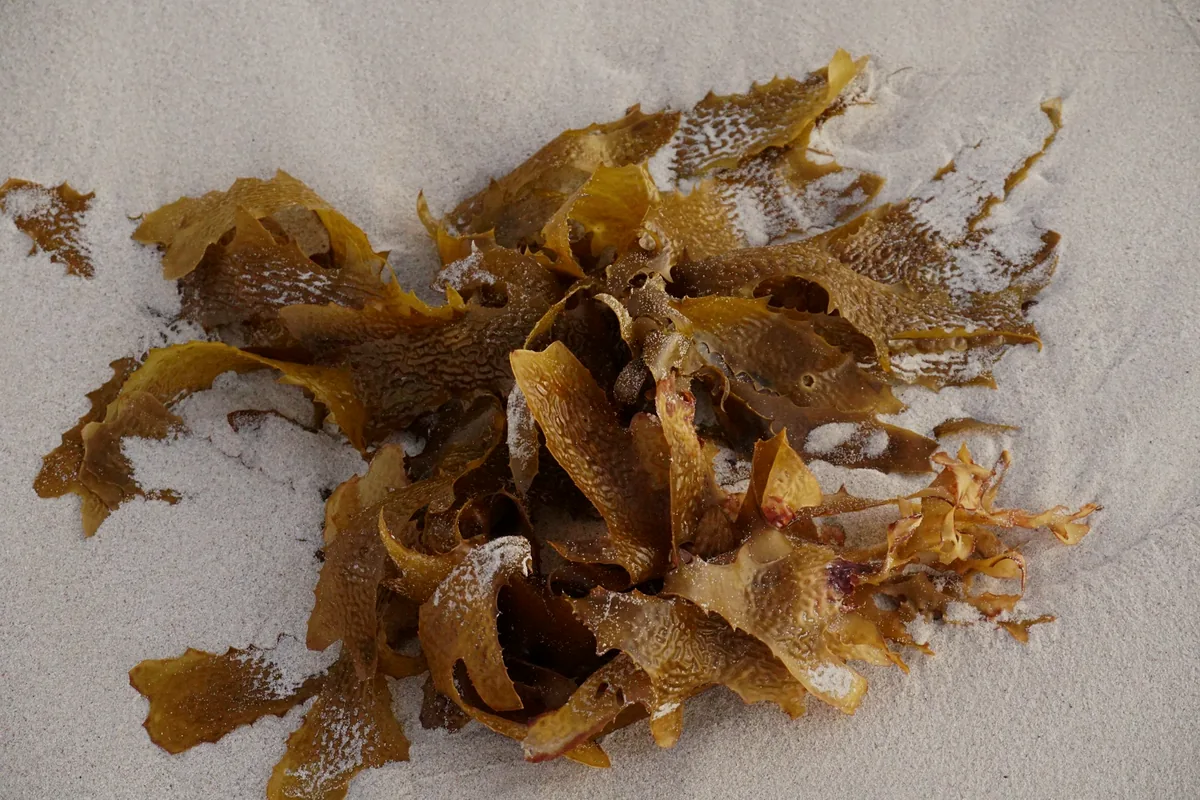
Dashi is the basic Japanese stock, and it is usually made from kombu — a kelp — together with katsuobushi, which is dried, fermented and shaved bonito. Fish, in other words.
It sits underneath a great deal of Japanese cooking: miso soup, noodle broths, dipping sauces, simmered dishes. None of that is visible in a dish name. A bowl described as vegetable soup can still be built on a fish stock, and there is nothing dishonest about the description — dashi is simply assumed.
A kombu-only dashi with no fish in it does exist and is common in vegetarian Japanese cooking. Whether a particular kitchen uses one is a question you have to ask, and it is the single most useful question you can ask.
The other three things to check
- Worcestershire-style sauces. The sauce on stir-fried noodles is traditionally made with anchovy. If a noodle dish is described as using Worcestershire sauce, ask.
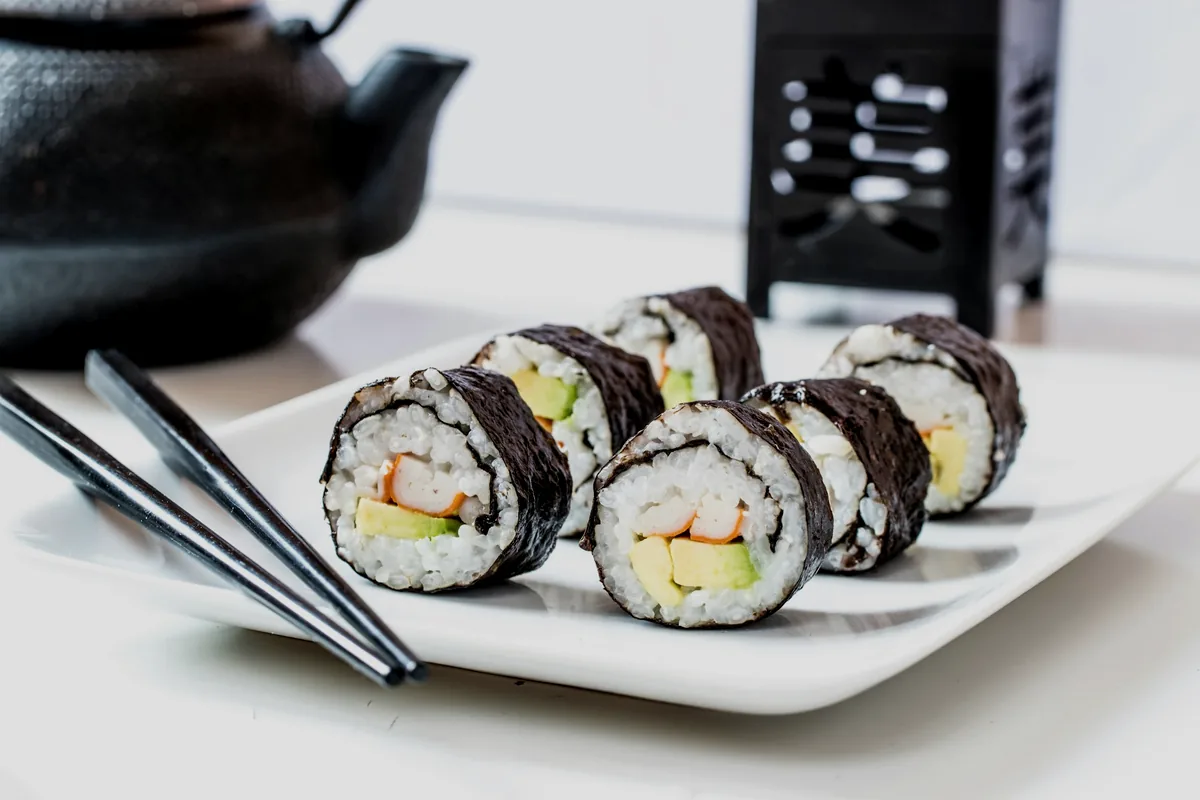
- Imitation crab. Kanikama is made from fish. It appears in a great many rolls, including the California roll, and the name gives no hint of it.
- Shared fryers and boards. A vegetable tempura cooked in the same oil as shrimp is not a problem for everyone, but it is for some. Worth mentioning if it matters to you.
None of these are reasons not to eat at a Japanese restaurant. They are simply the four questions that make the difference between guessing and knowing.
Please ask rather than assume
We are describing our menu as it is written, not certifying dishes. Preparation, sauces and stocks vary, and we cannot confirm from a dish name that something meets a strict vegetarian or vegan standard. If you follow one, tell the restaurant directly when you order — that is the only reliable route.
The sushi bar
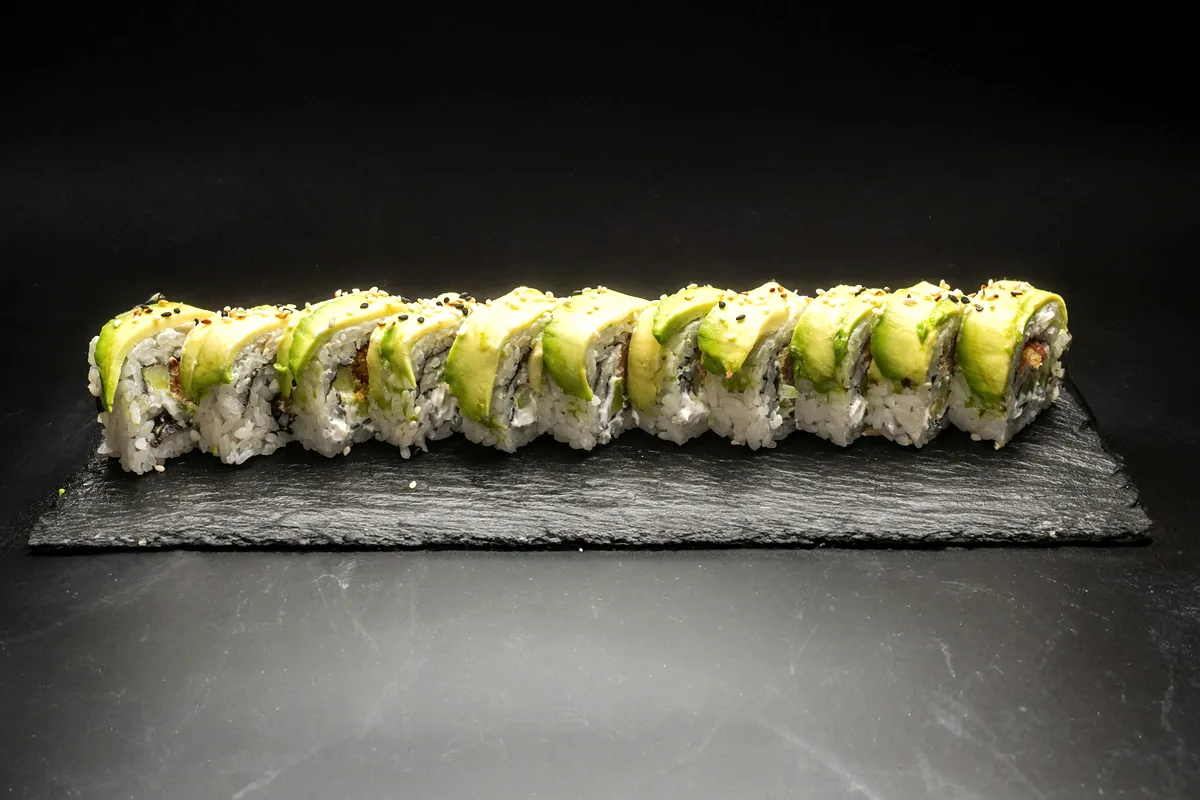
The basic roll list is where to start. A Vegetable Roll and an Avocado Roll are both on it, and the hand roll list carries the same two — the vegetable hand roll is listed as spring mix, avocado and gobo with rice and seaweed.
Gobo is burdock root, and it is worth knowing about: earthy, crunchy, faintly sweet, and the ingredient that stops a vegetable roll from being nothing but avocado.
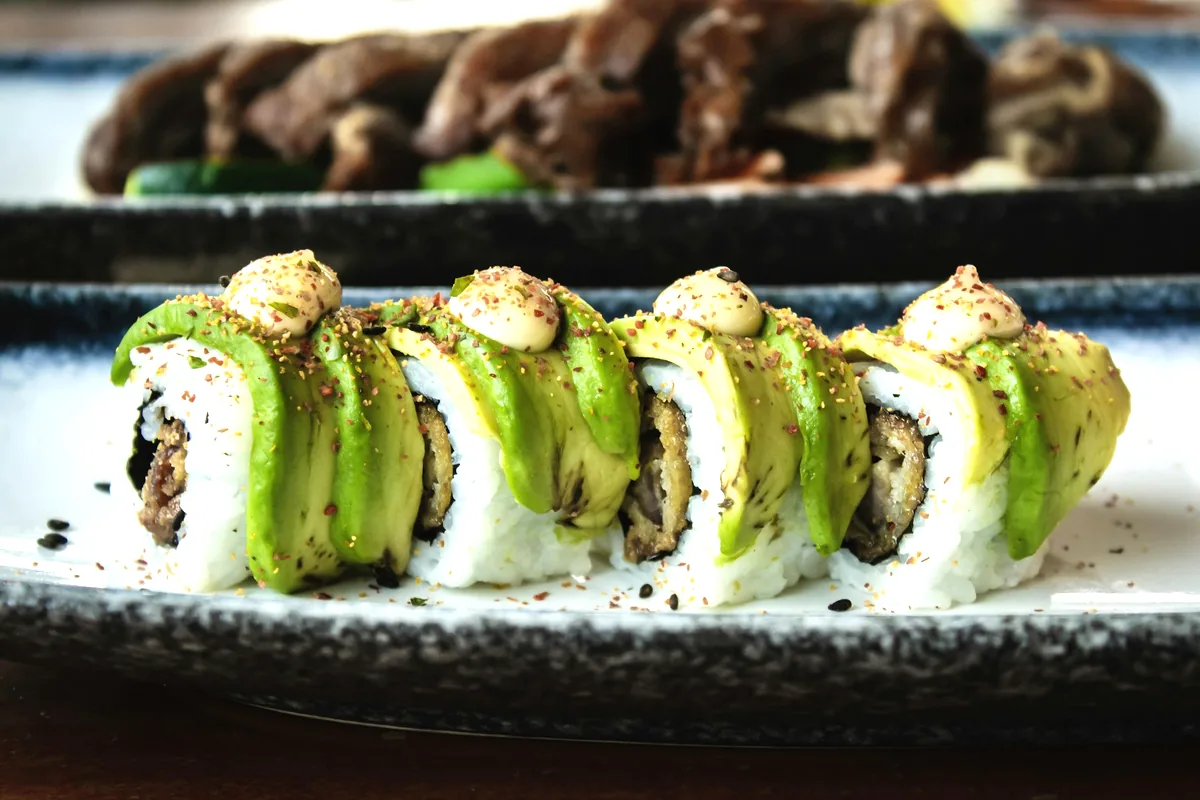
Beyond those, most of the specialty list involves fish or imitation crab. It is a short section of the menu, but it is a genuine one rather than an afterthought.
The appetiser list
This is the strongest part of the menu for anyone avoiding meat and fish, and it is where a genuinely good meal comes from rather than a consolation one.
- Edamame. Soybeans and salt. There is also a garlic version, stir-fried in a house garlic sauce.
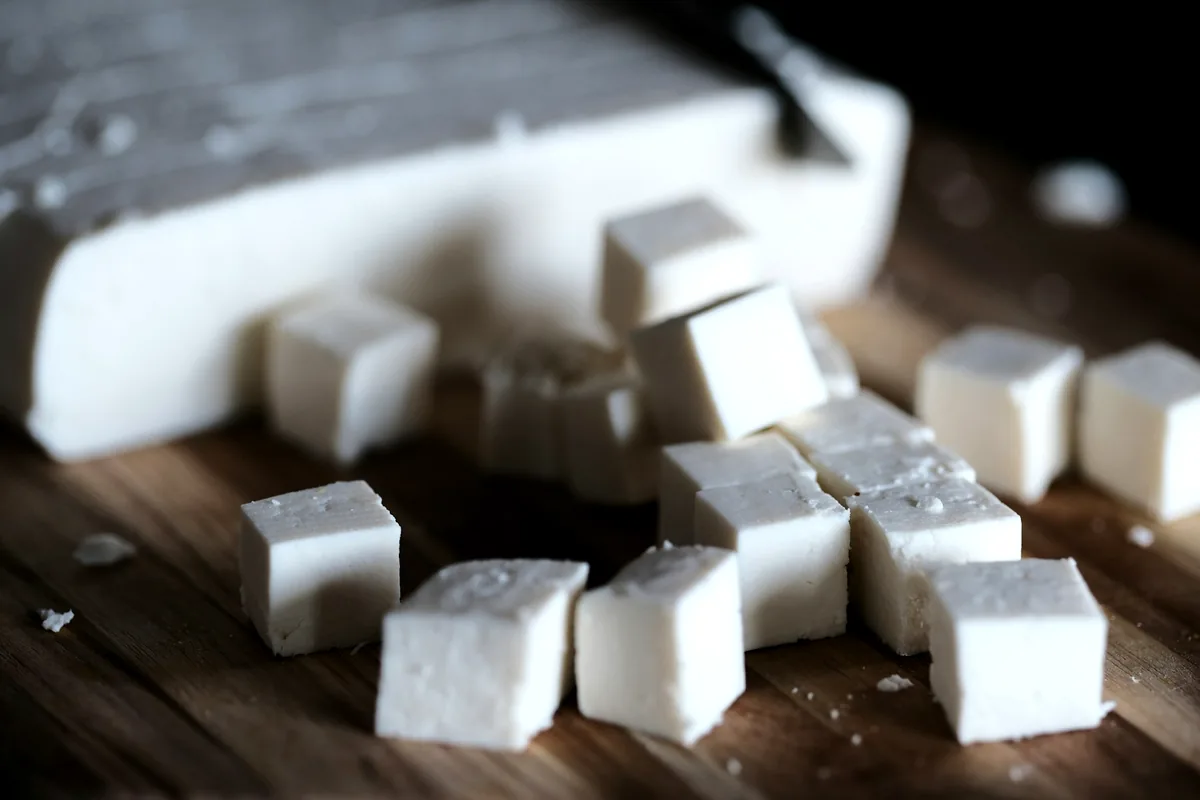
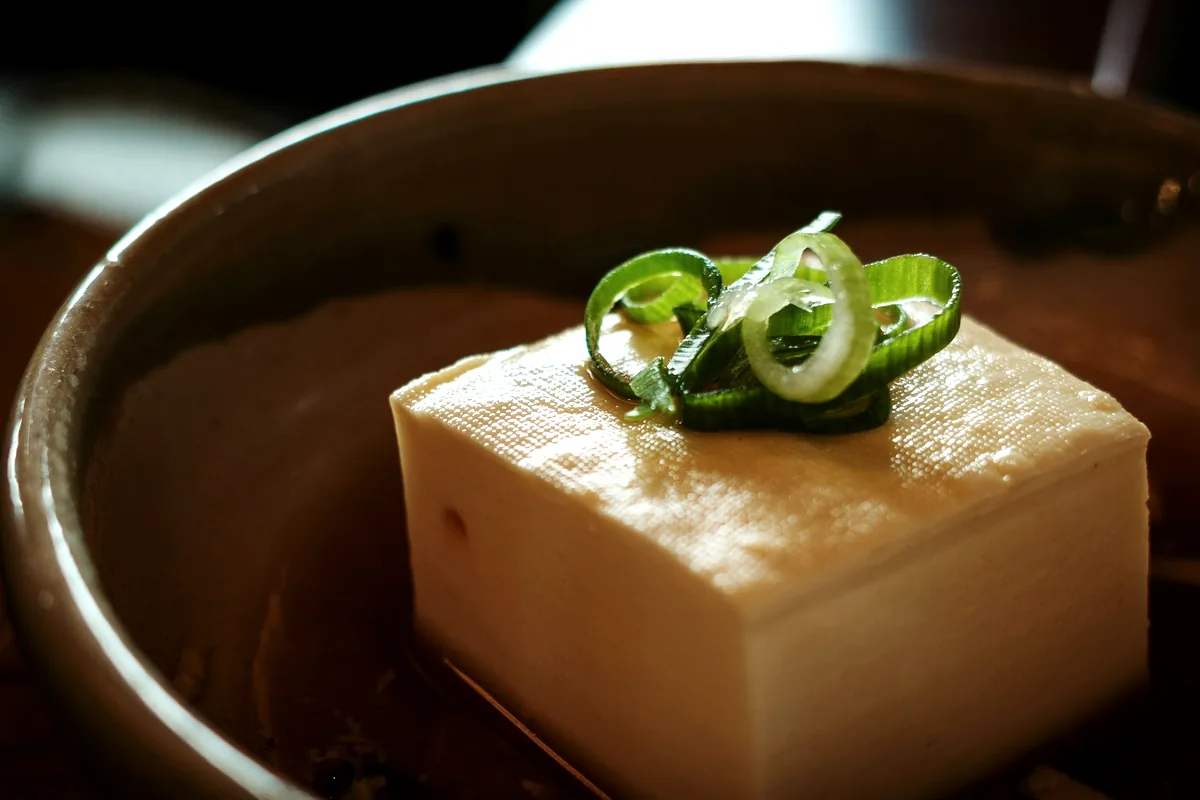
- Agedashi tofu. Lightly coated, fried and served in a warm broth — the broth is the part to ask about.
- Seaweed salad. Cold, sharp and sesame-heavy.
- House salad. Listed with a mango dressing rather than the usual ginger.
Three or four of those with rice makes a real meal, and the wider appetiser list is covered in what to start with.
The hot kitchen
Two things here are worth knowing about.
The stir-fried noodles come in a mixed-vegetable version — listed as mixed veggies with cabbage, broccoli, carrots and bean sprouts, with a choice of yakisoba or yaki udon noodles. The sauce is the question mark, for the Worcestershire reason above.
And the ramen list includes a bowl the menu calls Creamy Vegan, built on a rich creamy vegetable broth with broccoli, red onion, corn, green chive, spring mix, sesame and black garlic oil. It is described as vegan on the menu, which is a stronger signal than most dishes carry — but if you follow a strict vegan diet, confirm it with the restaurant rather than taking a dish name as certification.
A meal that works
| Course | Order | Ask about |
|---|---|---|
| To start | Edamame | Nothing — soybeans and salt |
| Something cold | Seaweed salad | The dressing |
| Something warm | Agedashi tofu | The broth |
| From the sushi bar | Vegetable or avocado roll | Nothing, if it is on the basic list |
| Something substantial | Veggie stir-fried noodles | The sauce |
| Or instead | The vegan ramen bowl | Confirm the broth |
| Alongside | Steamed rice | Nothing |
The pattern to notice: the things that need no question are the simplest ones. Anything with a broth or a sauce is where the answer stops being obvious.
How to ask so you get a useful answer
- Name the ingredient, not the label. “Does this contain fish stock?” gets a better answer than “is this vegetarian?”
- Ask about the broth specifically. It is the item most likely to contain something you did not expect.
- Mention imitation crab by name. Not everyone thinks of it as fish.
- Say whether it is a preference or a restriction. Kitchens handle those differently and both are legitimate.
- Ask when you order, not after. Substitutions are easy before the pan goes on.
Frequently asked questions
Is miso soup vegetarian?
Often not. Miso paste itself is soybean, but the soup is usually made with a dashi containing dried fish. Ask before assuming.
Is a California roll vegetarian?
No. It is made with imitation crab, which is a fish product. A vegetable or avocado roll is the equivalent without it.
Is sushi rice vegan?
Rice, rice vinegar, sugar and salt contain nothing animal. As always, the finished dish is what matters rather than one component.
Can I get a roll made without fish?
Ask — some substitutions are simple and some change the roll entirely. Starting from the vegetable roll is usually easier than subtracting from a specialty one.
What is gobo?
Burdock root. It is crunchy and earthy, and it is one of the standard fillings in a vegetable roll.
The short version
The vegetables are easy; the stock is not. Vegetable and avocado rolls, edamame, tofu and seaweed salad are all straightforward. Anything with a broth or a Worcestershire-style sauce needs a question first, and asking about the ingredient rather than the label gets you a better answer.
The list is on the menu, and the phone number is on the contact page if you would rather check before you come.