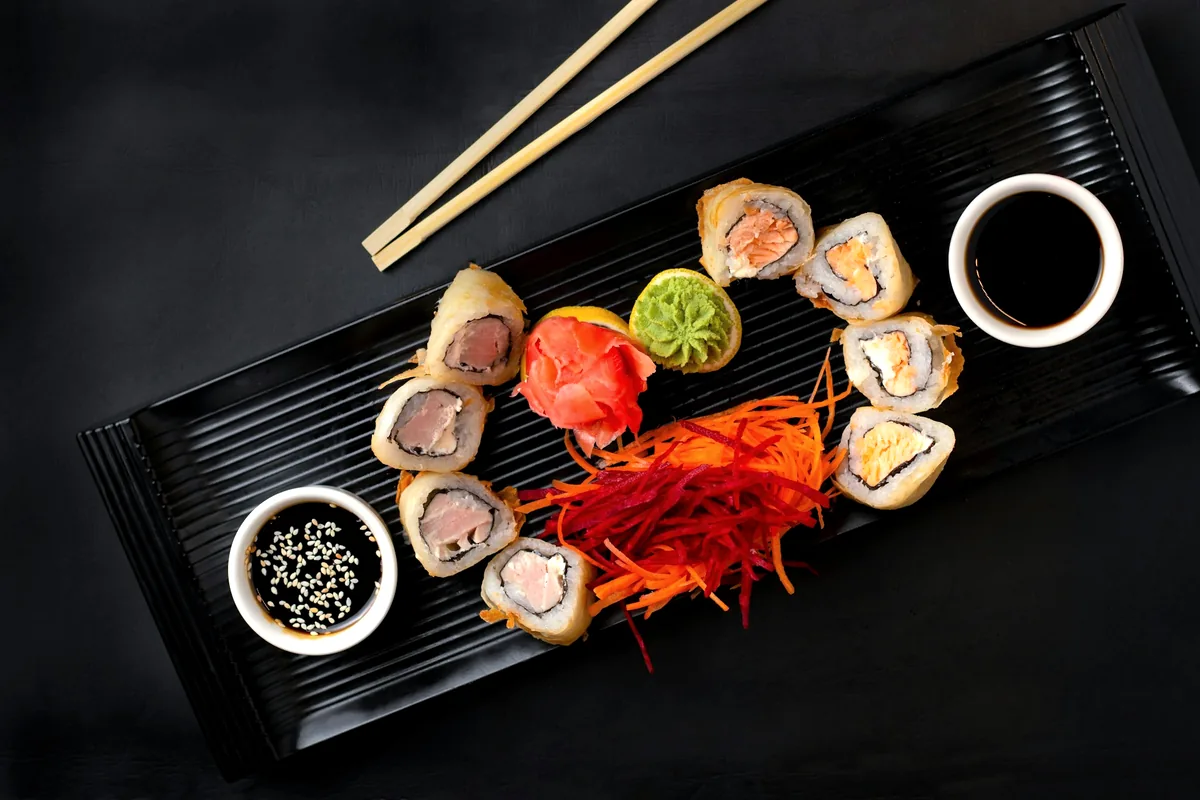
The short answer
What it isyoung ginger in sweetened vinegar
How to use itbetween pieces, not on them
Called gari. It is a palate cleanser, which is why a small amount does the job and a mouthful does not.
It arrives on nearly every plate, most people eat none of it, and a few people pile it on top of the fish. All three are common, and only one of them is what it is for.
01 — What it actually isYoung ginger, sliced thin, pickled
Pickled ginger is called gari. It is made from ginger root sliced very thin, salted, and then steeped in a mixture of rice vinegar and sugar.
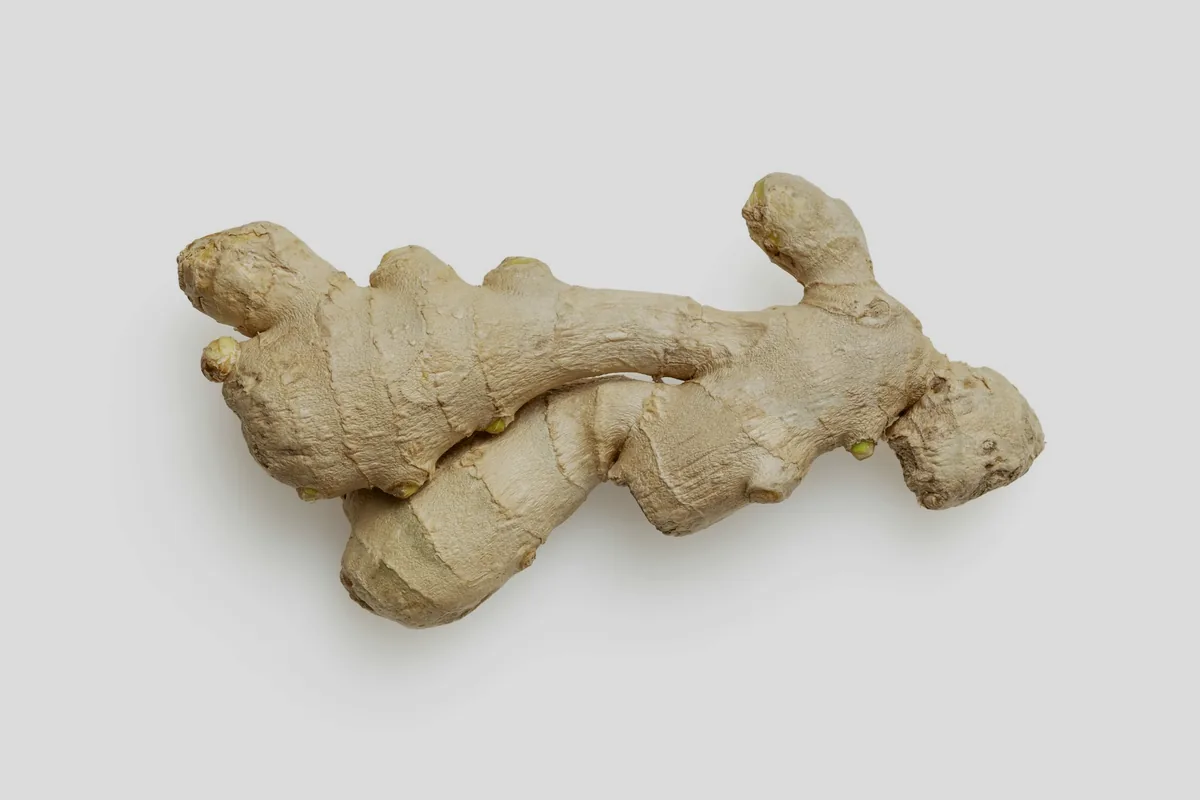
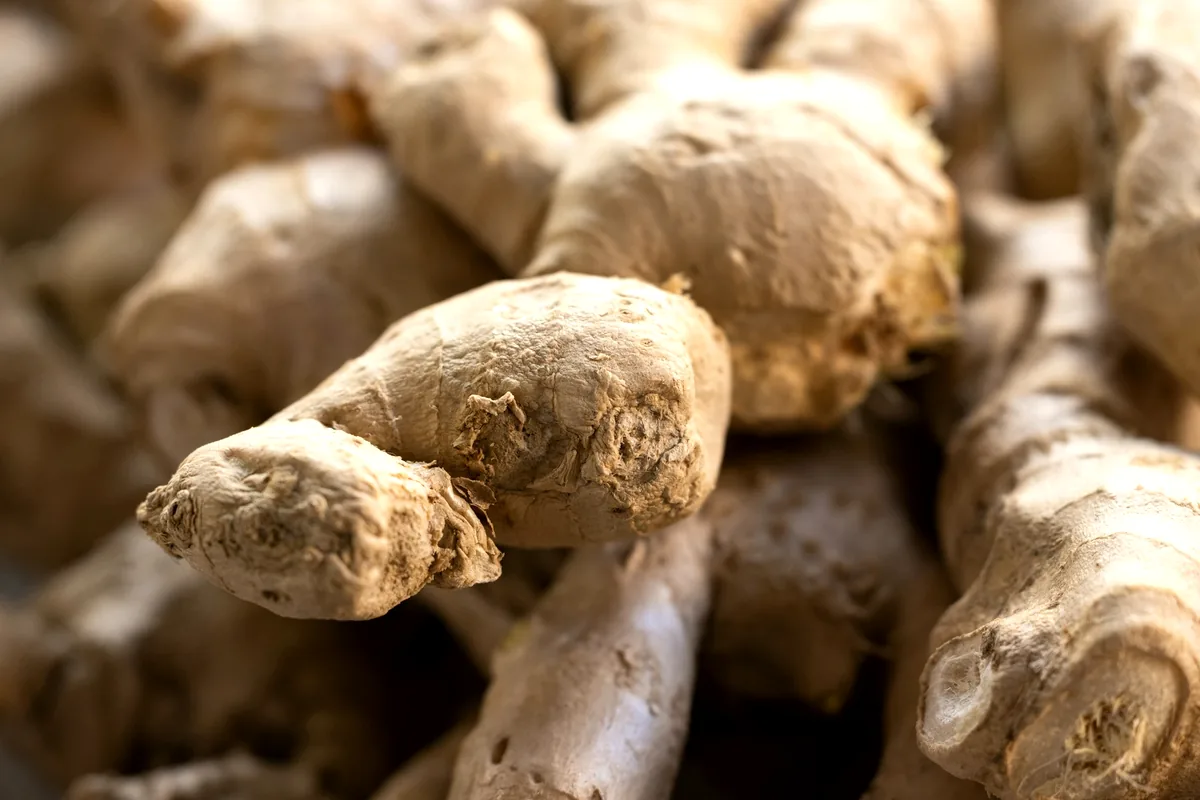
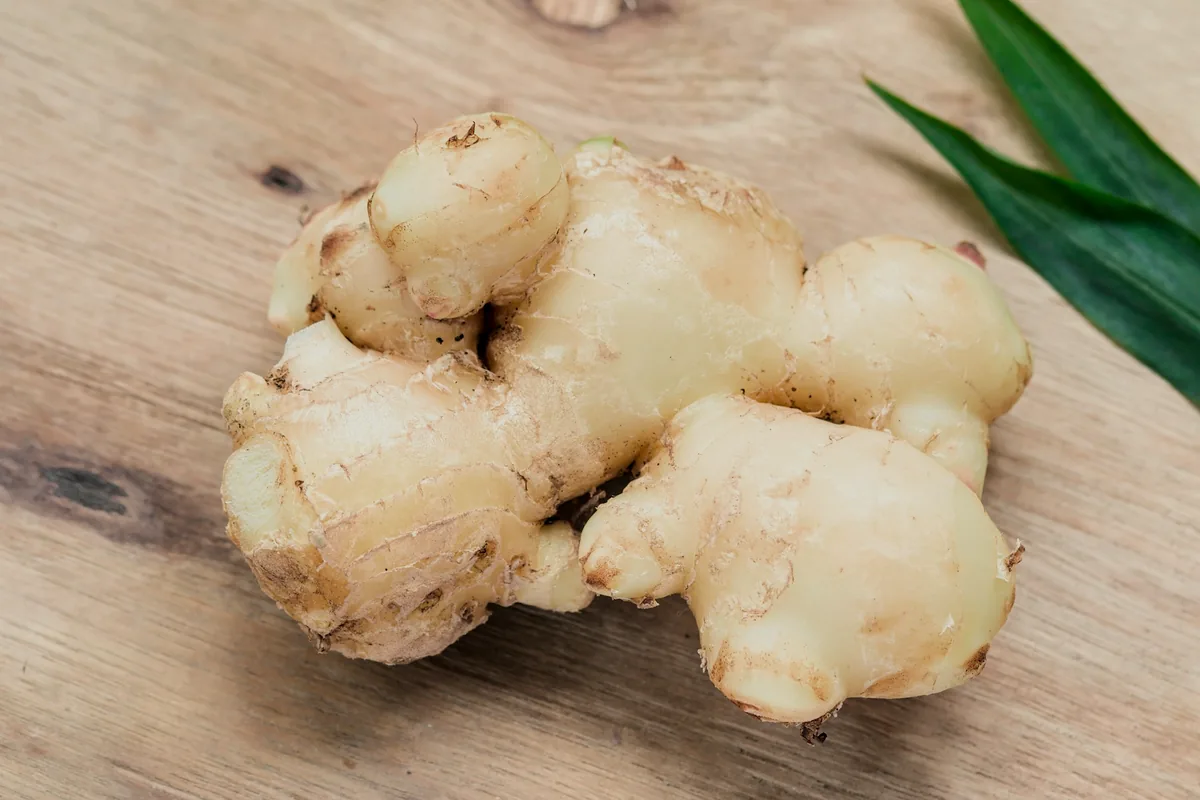
The important word is young. Ginger harvested early has thin skin, pale flesh and a mild, almost juicy heat. Mature ginger — the fibrous knobbly stuff sold for cooking — is far hotter and stringy enough that thin slices of it would be unpleasant to chew.
That distinction explains most of what people find surprising about gari. It does not taste much like the ginger in a stir-fry because it is not the same stage of the same root.
Why some is pink and some is pale yellow
This is the question people ask most, and the answer has two halves.
Genuinely young ginger has pink-tinged shoots at the top of the root. When it hits acidic vinegar, those tips turn a soft blush pink on their own. It is a real reaction, and it is faint — a pale rosy edge rather than a colour.
The bright uniform pink you often see is added colouring. It is not a sign that anything is wrong; it is a presentation choice, and a very old one, because pink ginger looks better against white rice than beige ginger does. Pale, slightly tan gari is simply uncoloured.
Neither version tastes different from the other in any way you would notice. If you have a strong feeling about food dyes, the pale one is the one you want.
| Colour | Where it comes from | Taste difference |
|---|---|---|
| Pale tan | Uncoloured, as it comes out of the brine | None |
| Soft blush | Natural reaction of young pink shoots to vinegar | None |
| Bright pink | Added colouring, for presentation | None |
Between pieces, not on them
Gari is a palate cleanser. It sits on the plate for the gap between one fish and the next.
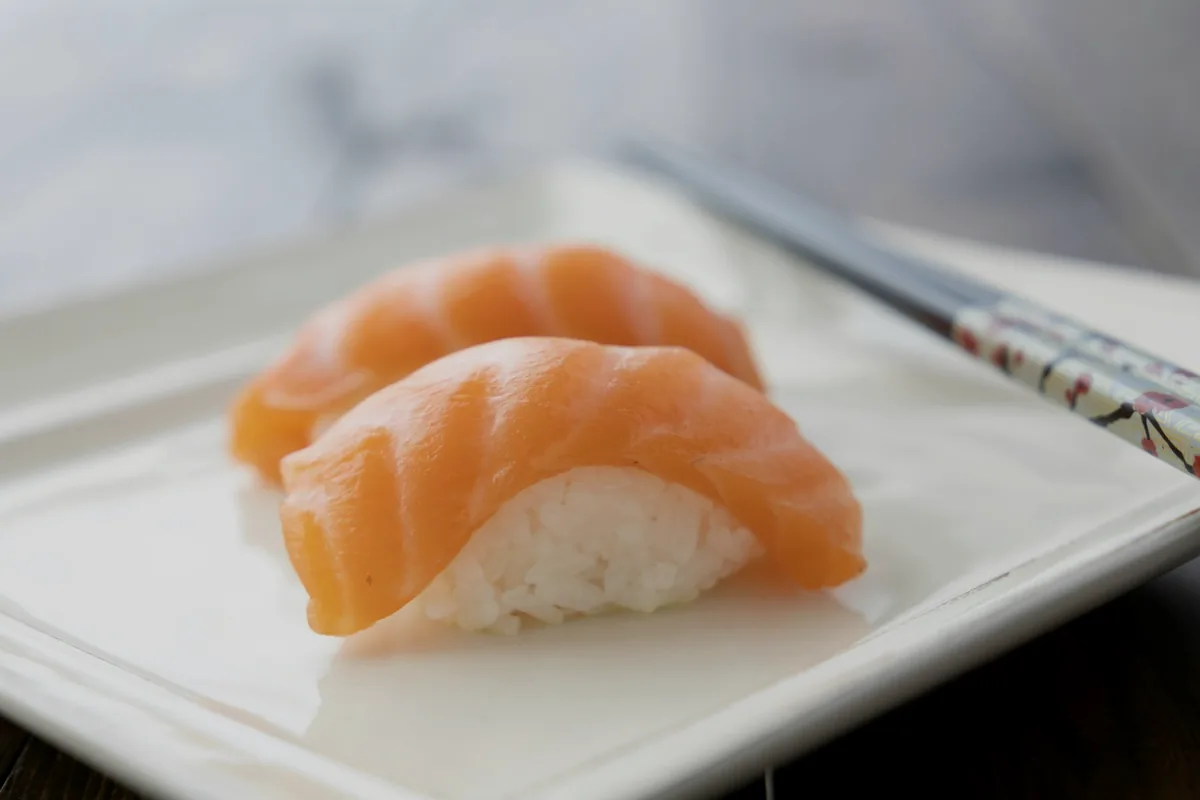
The reason is straightforward. Fish carries flavour in fat, and fat lingers. If you eat a piece of salmon and then a piece of white fish, the second one arrives on a palate still coated by the first, and you taste a blurred version of it. A small piece of sharp, sweet, vinegared ginger resets that in about a second.
Which is why the amount matters. One or two slices between pieces does the job. A mouthful floods everything and you have replaced the problem with a stronger one.
Three things people do with it that miss the point
- Putting it on top of the fish. Very common, and it simply overwhelms whatever is underneath. Gari is stronger than almost any fish on the plate.
- Stirring it into the soy sauce. Turns the dish into ginger sauce and takes the cleanser off the table.
- Eating it all first. Understandable — it is sweet and it is there — but then the rest of the meal has nothing between the pieces.
None of these are rules anyone will enforce. It is your plate. But if you have wondered why gari exists at all, the answer is that it is doing a job you can only notice by using it correctly once.
Good to know
Gari is a table condiment rather than a menu item, so it is not something you order — it comes with the sushi. If you want more of it, just ask. And if you like it enough to eat it on its own, that is fine too; plenty of people do.
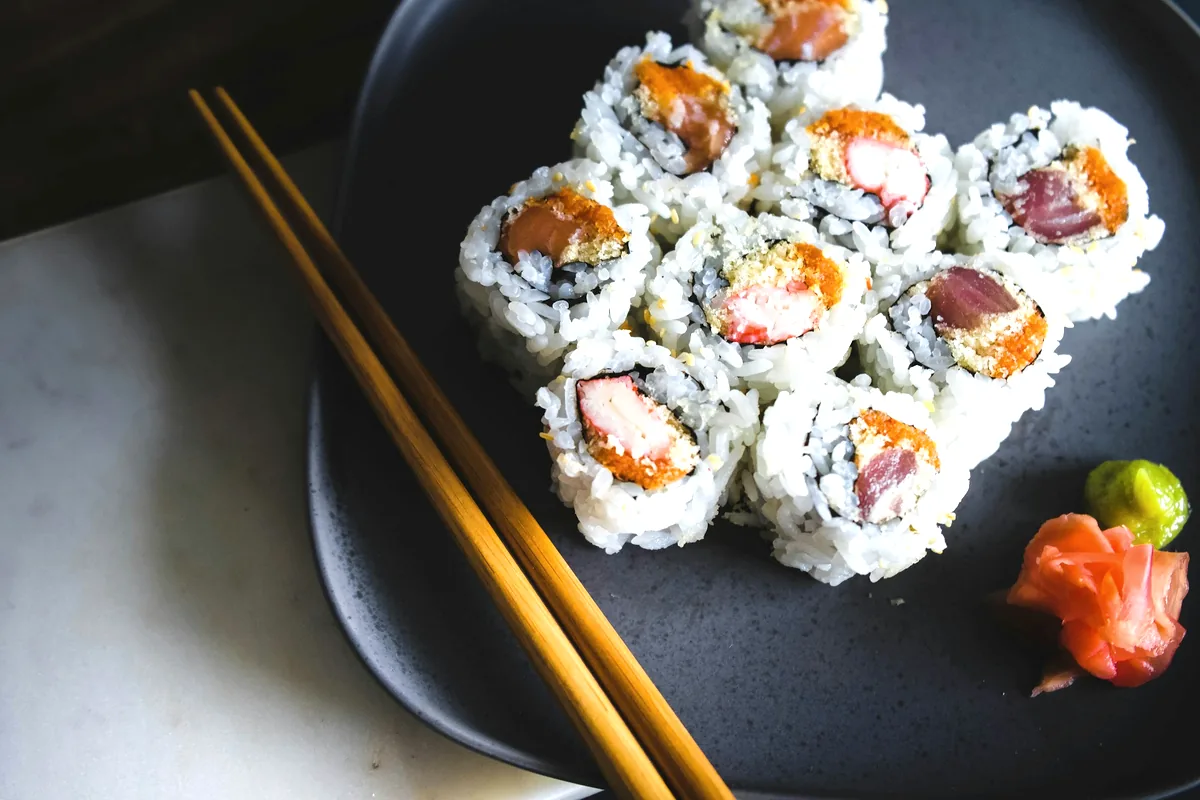
They are not a pair
Because they arrive on the same plate, ginger and wasabi get treated as a set. They do opposite things.
Wasabi goes with the fish — a small amount, on or under the piece, adding heat to that specific mouthful. Ginger goes between pieces, clearing what came before. One is a seasoning, the other is a reset.
Mixing them together in a puddle of soy, which is the standard habit, collapses both into one flavour that is applied to everything equally. If you want to taste the difference between a fatty fish and a lean one, that is exactly the thing preventing it. There is more on the green paste in wasabi, real and imitation, and on soy in soy sauce explained.
| Wasabi | Ginger | |
|---|---|---|
| When | During a bite | Between bites |
| Where | On or under the fish | On its own, off the plate |
| Job | Add heat and aroma | Clear the palate |
| Amount | A trace | A slice or two |
Where else it turns up
Gari is not only a sushi condiment. Sliced pickled ginger appears on top of some rice bowls, and a red pickled ginger called beni shoga — sharper, saltier and cut into matchsticks rather than sheets — is a standard topping on yakisoba and on some noodle and rice dishes.
They are not interchangeable. Beni shoga is pickled in a much saltier brine and is meant to cut through fried noodles or a heavy sauce, so it is aggressive where gari is gentle. If you have ever wondered what the bright red threads on yakisoba are, that is them.
The common thread across all of it is the same one that runs through the whole cuisine: something sharp and acidic placed next to something rich, so that neither one gets tiring.
Does it keep?
Pickling is a preservation method, so gari lasts a long time in its brine under refrigeration — that is the entire point of the technique. Once it is on a plate at a table it has left those conditions, so treat it like any other served food and do not take leftovers home.
If you buy a jar for home use, keep it cold, keep the slices submerged, and use a clean utensil. The brine does the work as long as nothing is introduced into it.
Frequently asked questions
Are you supposed to eat the ginger with the sushi?
Between pieces rather than on them. It clears the palate so the next fish tastes like itself.
Why is sushi ginger pink?
Young ginger has pink shoots that blush faintly in vinegar. The bright uniform pink is added colouring, and there is no taste difference.
Is pickled ginger the same as the ginger in cooking?
Same plant, different stage. Gari uses young ginger, which is milder and far less fibrous than the mature root used in hot dishes.
What is the red shredded ginger on noodles?
Beni shoga — a saltier, sharper pickled ginger cut into matchsticks, used on yakisoba and rice bowls rather than with sushi.
Can I have more ginger?
Just ask. It is a condiment, not a portioned item.
The short version
Gari is thin-sliced young ginger in sweetened rice vinegar, and it is there to sit between one piece of fish and the next. A slice or two, on its own, not stacked on the fish and not stirred into the soy.
Use it once the way it is meant to be used and the difference between two pieces of fish becomes obvious. Then look at nigiri and sashimi and see what else was hiding under the previous bite.