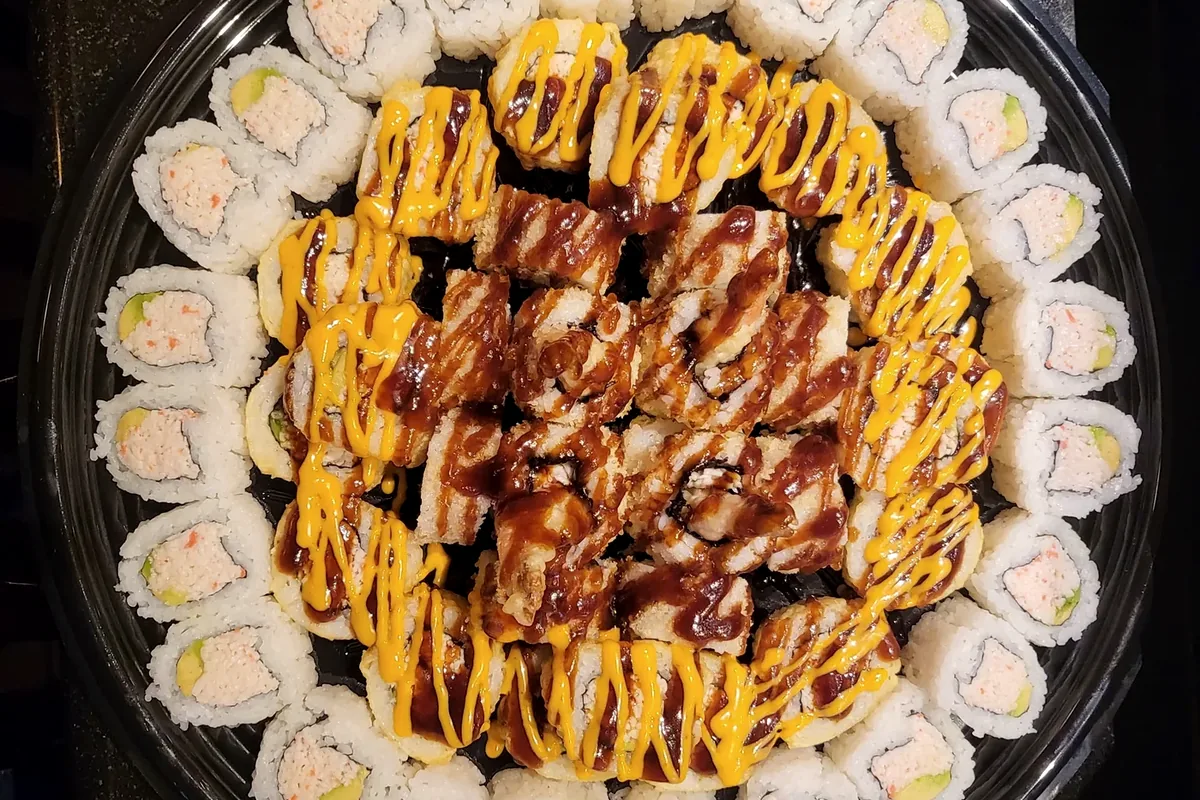
The short answer
Sushi as the meal10–12 pieces per person
Sushi alongside other food4–6 pieces per person
For a mixed group, 8 pieces a head is a safe average. Count pieces rather than rolls — roll sizes vary.
Ordering sushi for a group is mostly an arithmetic problem, and most people get it wrong in the same direction: they order enough pieces and not enough variety, or they treat sushi as the whole meal when it is really one dish among several.
01 — Before you countFirst decide what job the sushi is doing
Every ordering guide gives a different number because they are answering different questions. Work out which of these you are actually planning before you count anything.
Sushi as the whole meal
Nothing else on the table except maybe miso soup and edamame. This is the 10 to 12 pieces per person case, which works out at roughly one and a half to two rolls each. Err upward if the group skews hungry or the event runs long.
Sushi as one dish among several
There is teriyaki, or noodles, or a spread of appetizers as well. Now you want 4 to 6 pieces per person. Ordering the full-meal quantity here is the single most common way people end up with trays of leftovers.
02 — The numbersHow much sushi per person
| Group size | Sushi as the meal | Sushi alongside other dishes |
|---|---|---|
| 4 people | 40–48 pieces | 16–24 pieces |
| 6 people | 60–72 pieces | 24–36 pieces |
| 8 people | 80–96 pieces | 32–48 pieces |
| 10 people | 100–120 pieces | 40–60 pieces |
| 12 people | 120–144 pieces | 48–72 pieces |
Two adjustments worth making. Groups with children usually eat less sushi than the table above suggests, and mixed groups where several people will not eat raw fish need fewer pieces overall but a much higher share of cooked rolls.
Variety beats volume
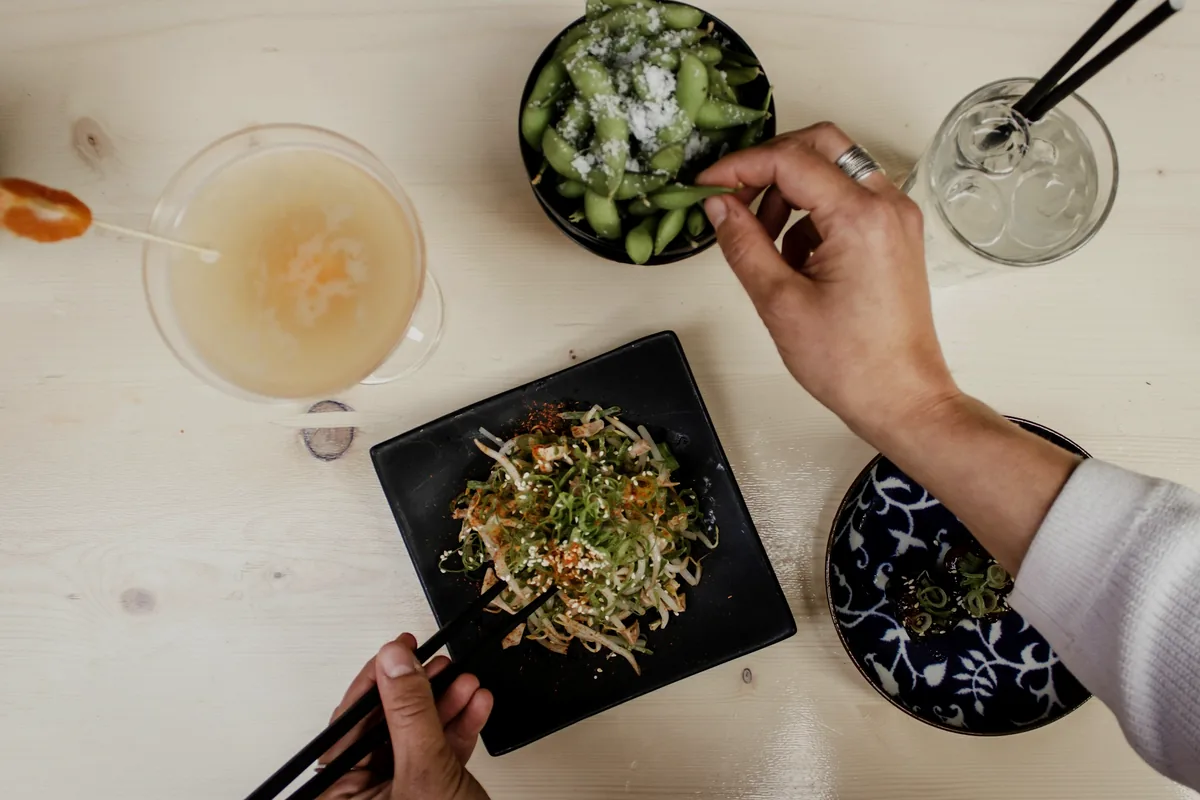
A tray of 64 pieces made from two kinds of roll will be picked over unevenly and half of it will still be sitting there at the end. The same 64 pieces across six or seven kinds of roll disappears.
A reliable split for a mixed group:
- About half cooked or vegetarian rolls. California, shrimp tempura, baked and fried rolls. These carry the guests who are cautious about raw fish, and they are the pieces that always go first.
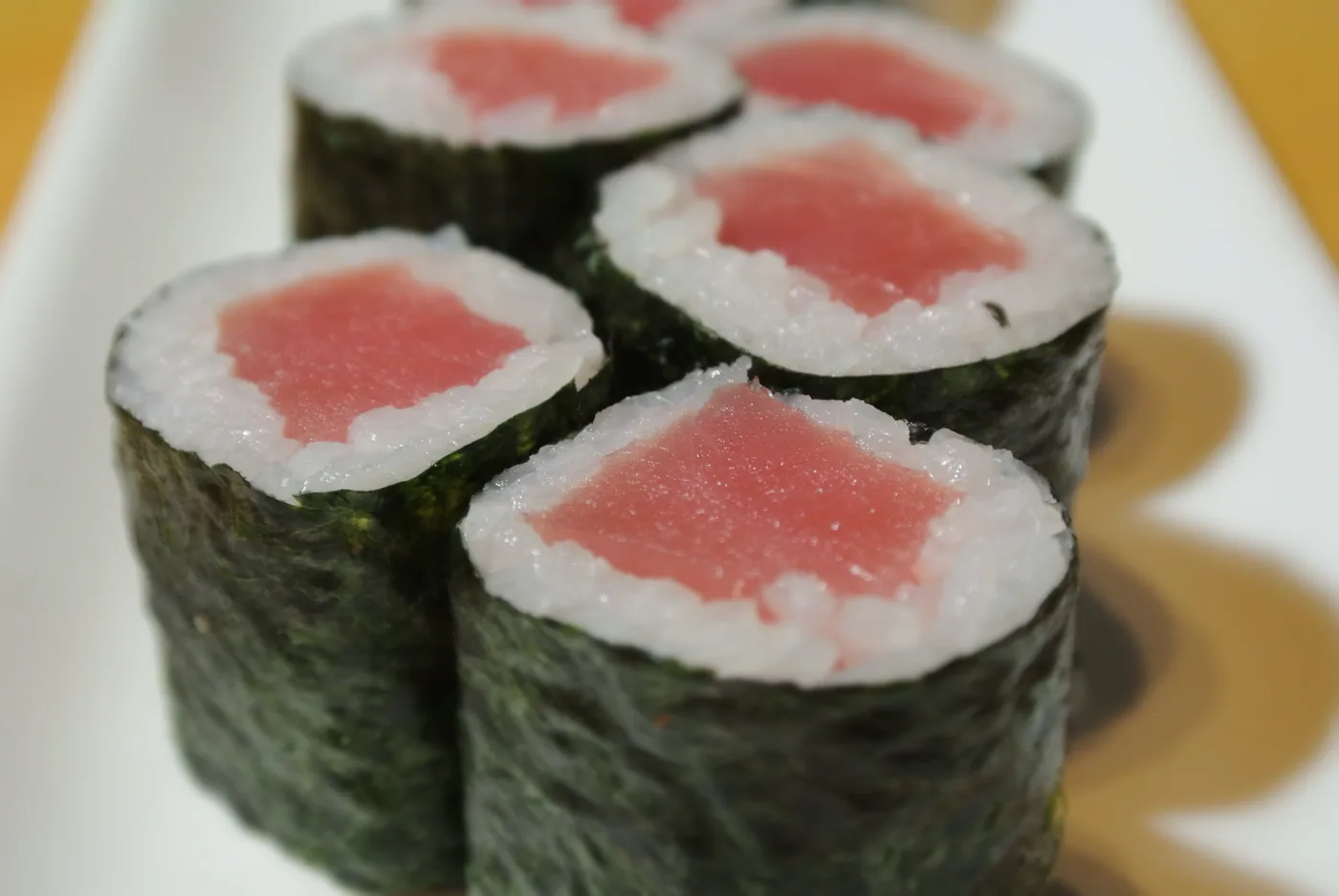
- About a third raw fish rolls or nigiri. Salmon, tuna, yellowtail. Enough to satisfy the people who came for it.
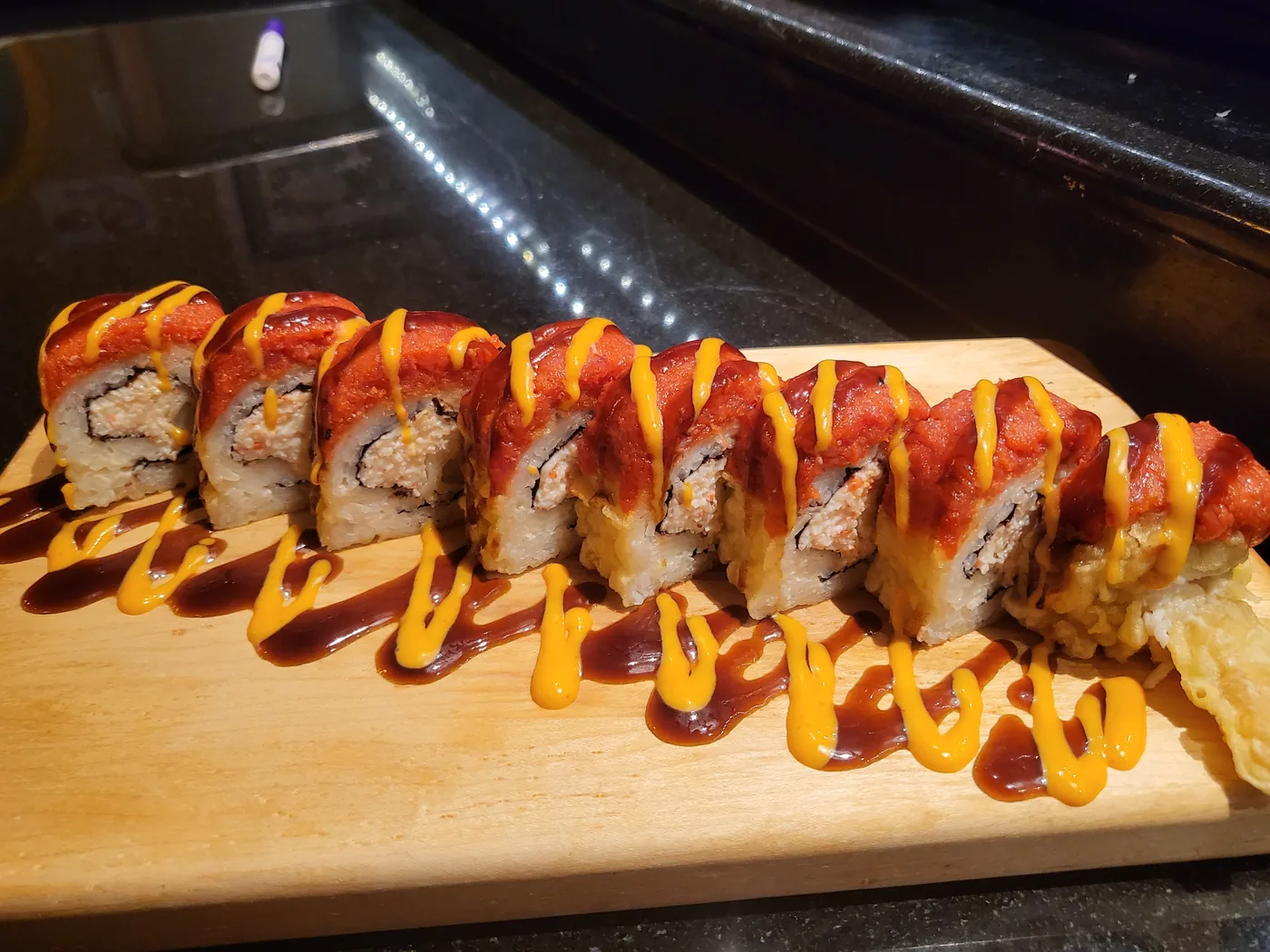
- The remainder as something with a bit of heat or a sauce. Spicy tuna, anything with eel sauce or spicy mayo. This is what people reach for second.
If anyone in the group has an allergy, ask the restaurant about specific dishes rather than guessing from the name. Roll names rarely list everything in them, and sauces are where the surprises usually are.
Ordering tip
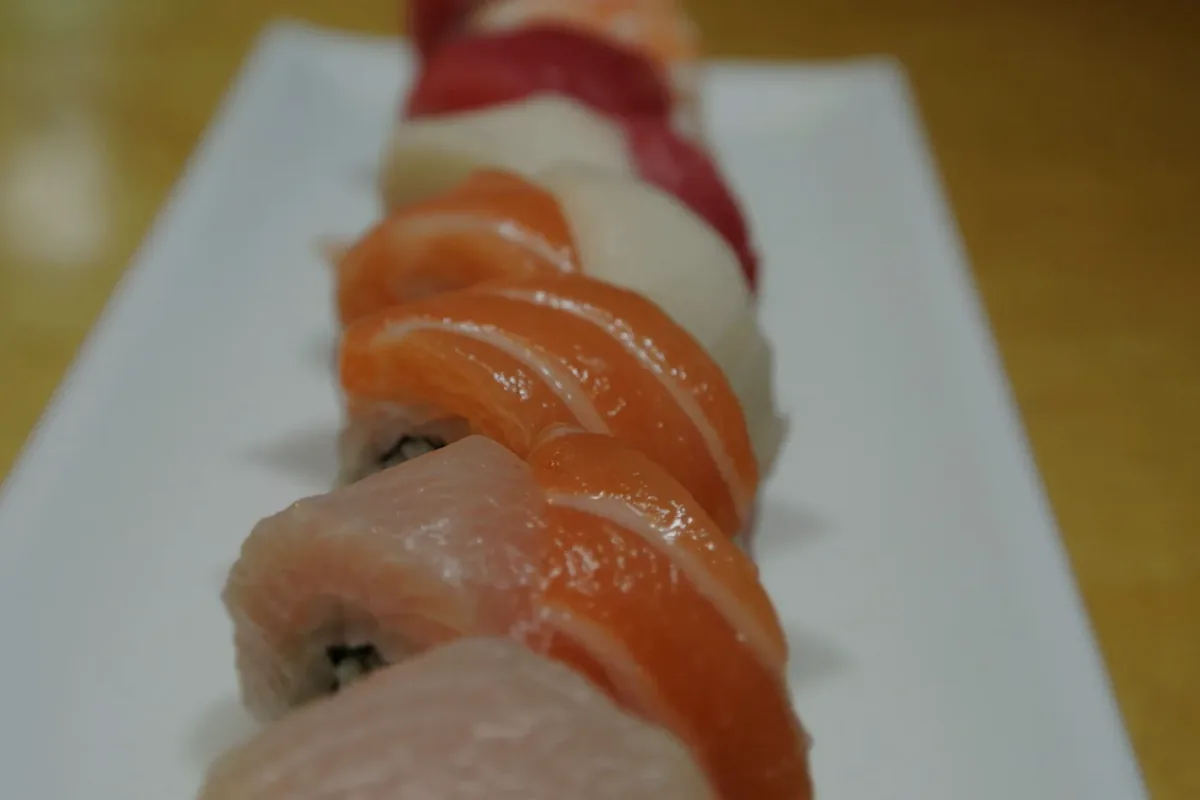
Two different platters will nearly always serve a group better than two of the same. If anyone at the table is unsure about raw fish, make one of them an all-cooked platter and the question never comes up.
Reading platter sizes
Restaurant platters are sold by piece count, which is the number you want. A 42-piece platter covers roughly four people as a meal, or eight to ten as part of a spread. A 64-piece platter covers roughly six as a meal, or twelve as part of a spread.
Two platters of different types will nearly always serve a group better than two of the same, for the variety reason above.
What else to put on the table
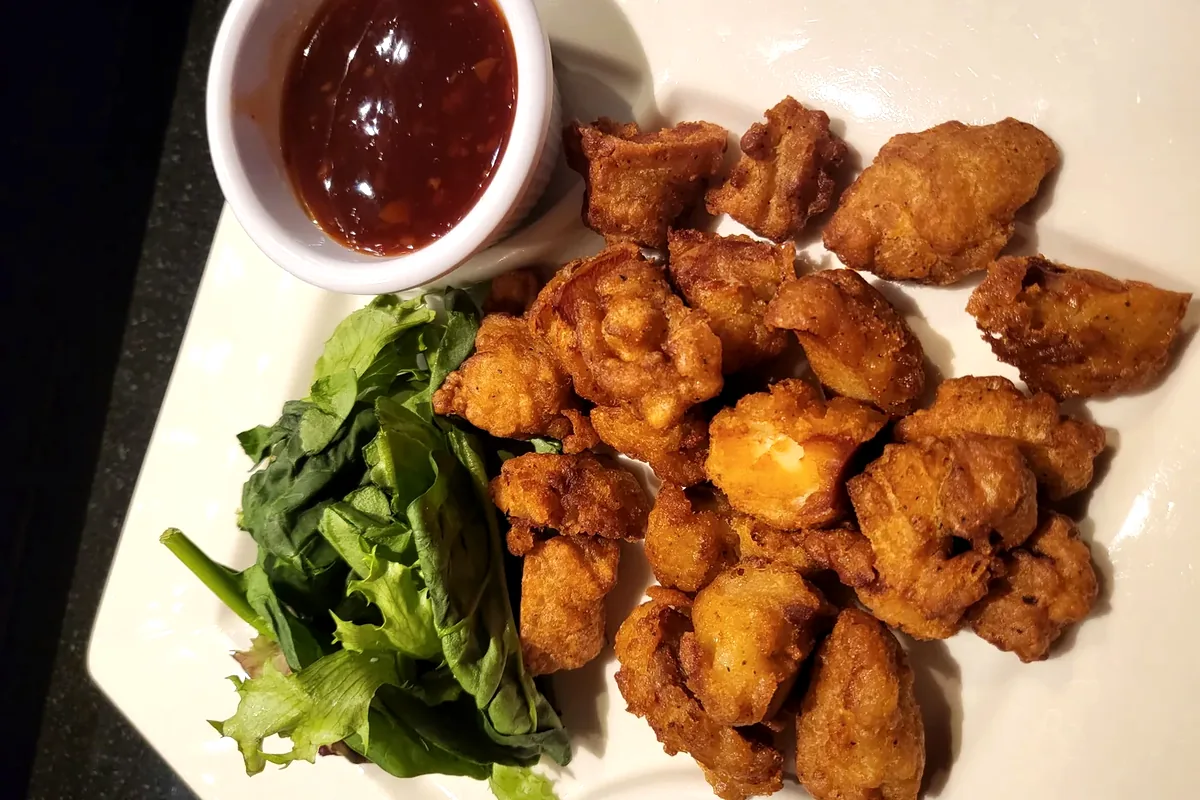
Appetizers do more work than extra sushi. They arrive faster, they suit people who are not sure about sushi, and they stop the platters being demolished in the first ten minutes.
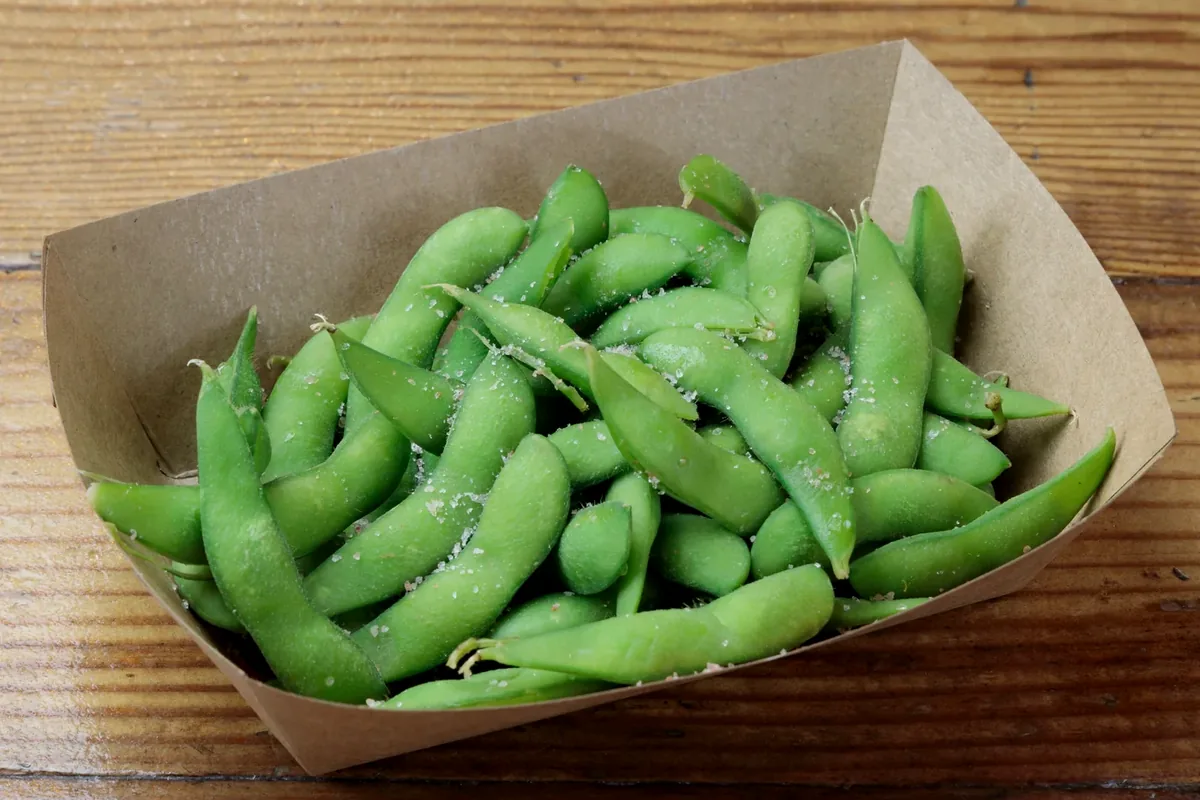
- Edamame — the default, and the one thing nearly everyone eats.
- Gyoza or chicken karaage — hot, familiar, and reliable with children.
- Mixed tempura — best ordered close to when you plan to eat, as it softens.
- Miso soup and salad — small, cheap, and they slow the pace of a table down.
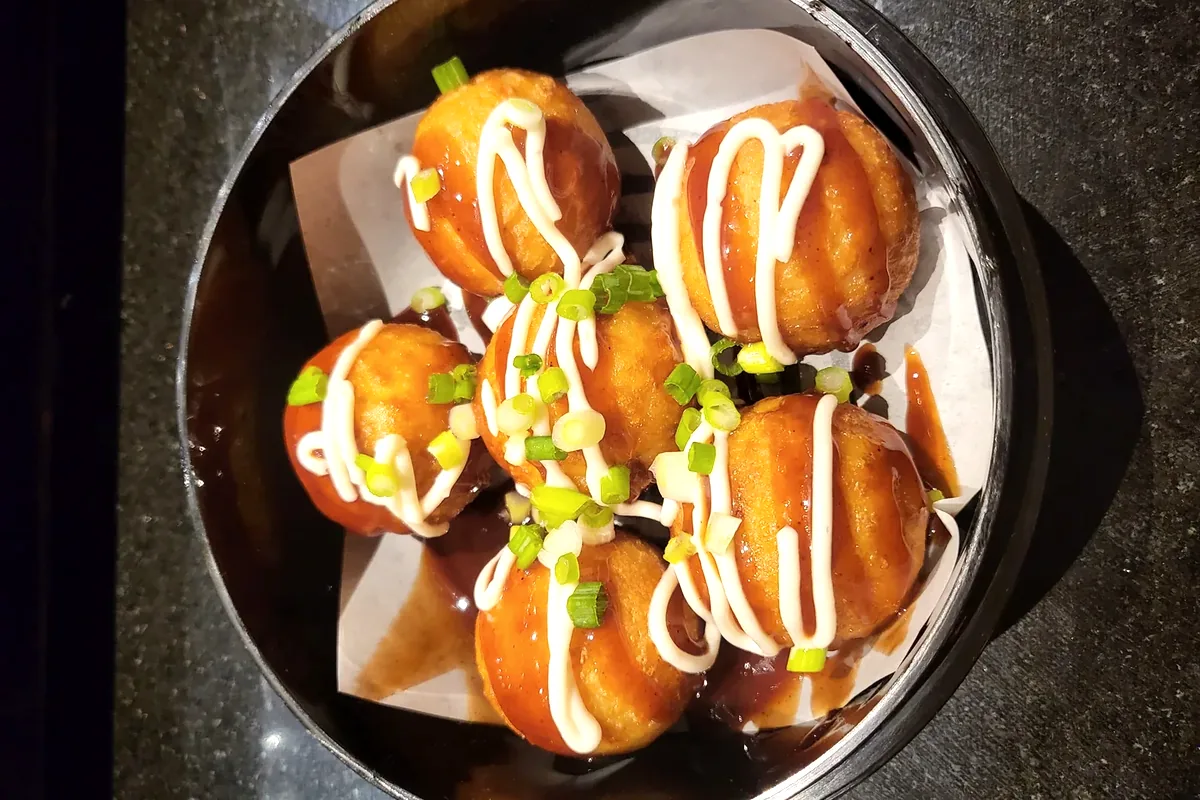
Our full appetizer list runs to sixteen items, including agedashi tofu and takoyaki for people who want something less predictable.
Timing, and keeping it safe
Sushi is at its best within an hour or two of being made. The rice firms up in the cold and the nori on hand rolls softens quickly, which is why hand rolls are a poor choice for a platter and cut rolls are a good one.
If you are collecting an order and serving it later, food safety is worth taking seriously with raw fish. The USDA’s guidance on the temperature range where bacteria multiply fastest is the standard reference: perishable food should not sit between 40°F and 140°F for more than two hours, and one hour if it is above 90°F. Plan your pickup around when people will actually eat.
Ordering for a group at Tokyo Roll & Noodle
Our party platters come in two sizes. The 42-piece options are Sushi Lover, an assorted sushi platter, and Sashimi & Sushi, which is half and half. The 64-piece options are Special Roll, built from rainbow, Hawaiian, Alaskan, eel special and double dragon rolls, and Kid’s Land, which is entirely cooked rolls — California, shrimp, tempura and golden California.
That last one is worth knowing about. For a table with children, or guests who are not sure about raw fish, an all-cooked platter solves the problem without anyone having to negotiate. See all four on the party platter list.
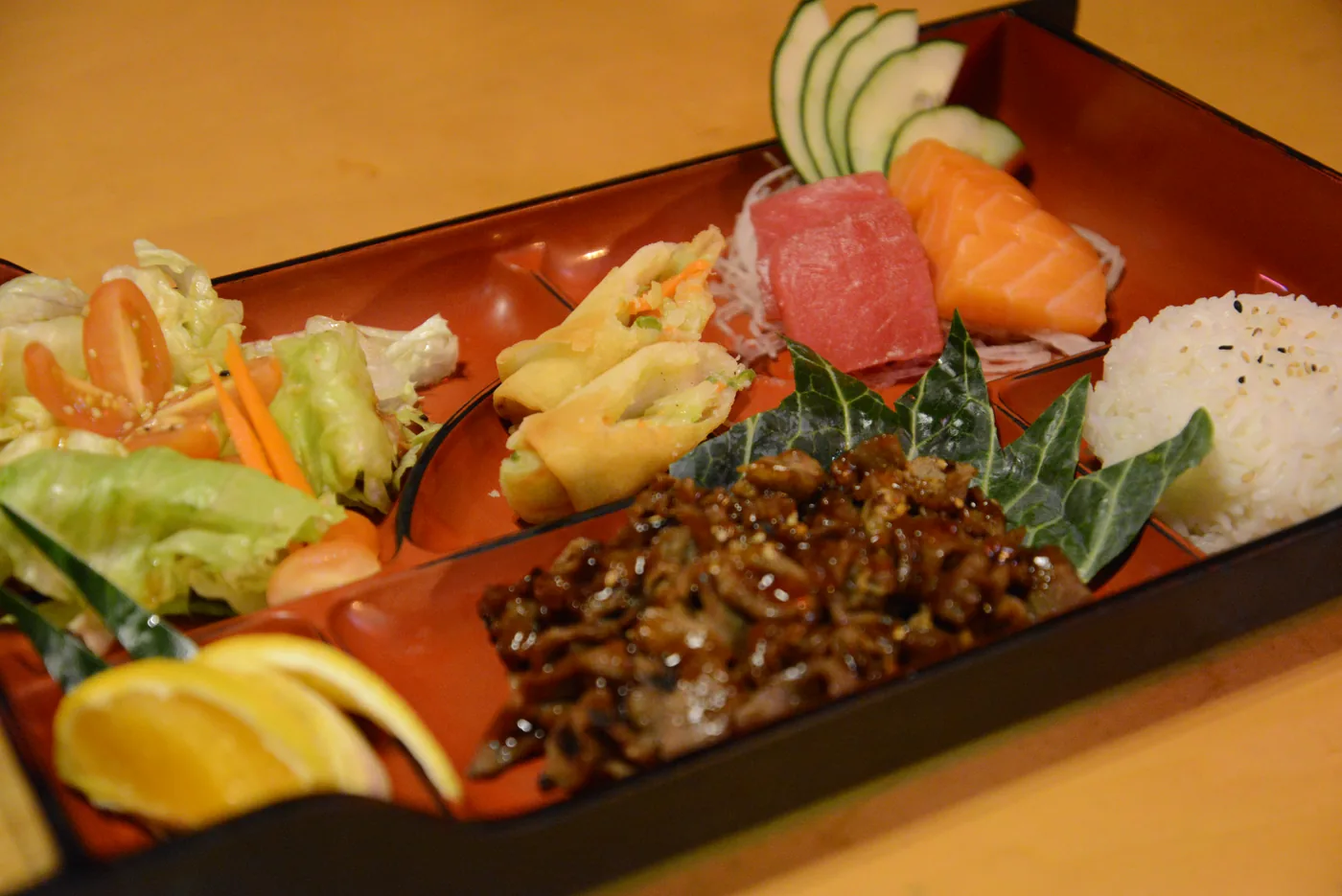
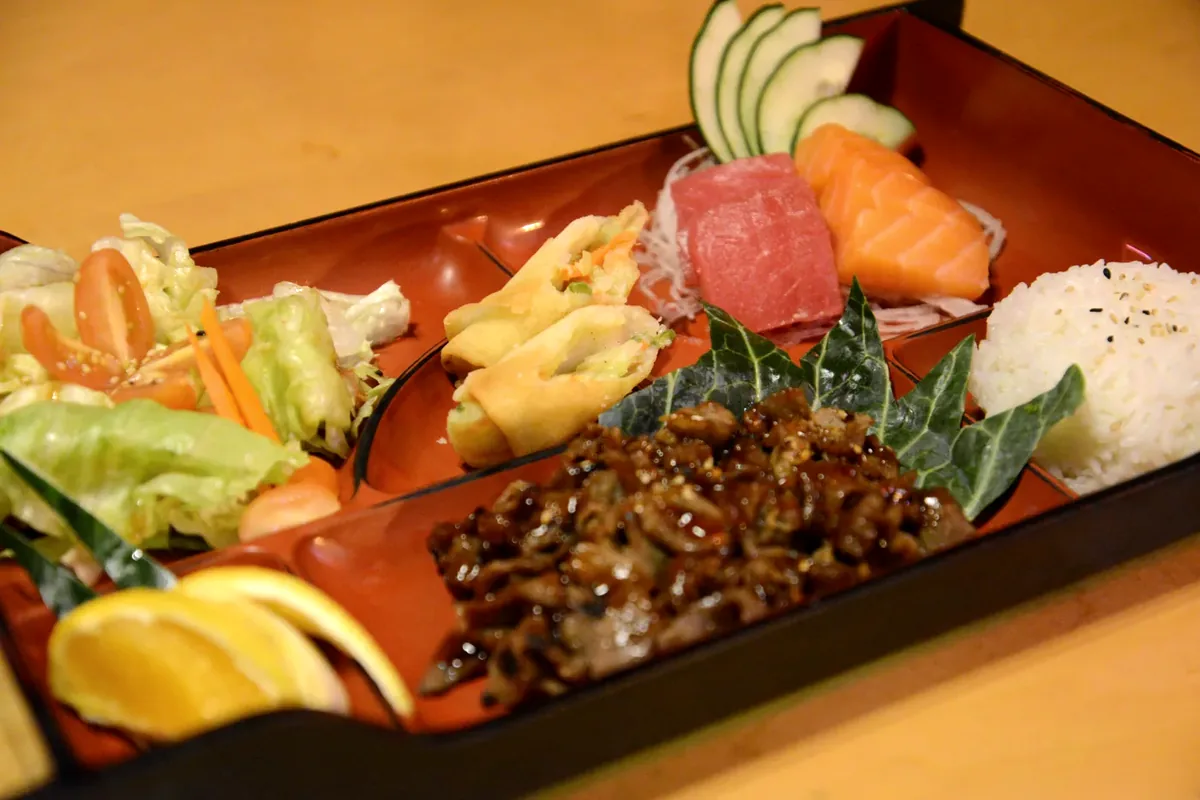
For smaller groups, the combo section has two- and three-roll specials and bento box combinations served with salad, miso soup and steamed rice — a simpler way to feed four or five people without doing piece arithmetic. Those are on the combo list.
Platters and larger orders are worth calling ahead for. Prices and availability change, so check the current hours and call the restaurant rather than relying on figures published online.
Frequently asked questions
How many pieces are in a sushi roll?
Most rolls are cut into six or eight pieces. Larger specialty rolls are usually eight, and hand rolls are a single cone rather than cut pieces.
How many rolls should I order per person?
Roughly one and a half to two rolls each if sushi is the meal, or about one roll each if there is other food. Counting in pieces rather than rolls is more accurate, because roll sizes vary.
How far in advance should I order a party platter?
Call ahead rather than ordering on arrival. Platters are assembled to order, and lead times depend on how busy the kitchen is, so the restaurant can give you an accurate time when you call.
What should I order for guests who do not eat raw fish?
Cooked and baked rolls, plus appetizers. An all-cooked platter such as Kid’s Land removes the question entirely, and teriyaki or katsu plates give the same guests a hot alternative.
Can sushi be made the day before?
It should not be. Sushi rice hardens under refrigeration and raw fish has a short safe window. Order it for the day you are serving it, as close to the meal as your schedule allows.
The short version
Count pieces, not rolls. Ten to twelve per person if sushi is dinner, four to six if it is one plate among many, and spend the difference on variety rather than volume.
If you are planning something for a group in Chino Hills, the party platter options are the quickest place to start, and our guide to ordering across the menu covers how to build the rest of the table around them.