The short answer
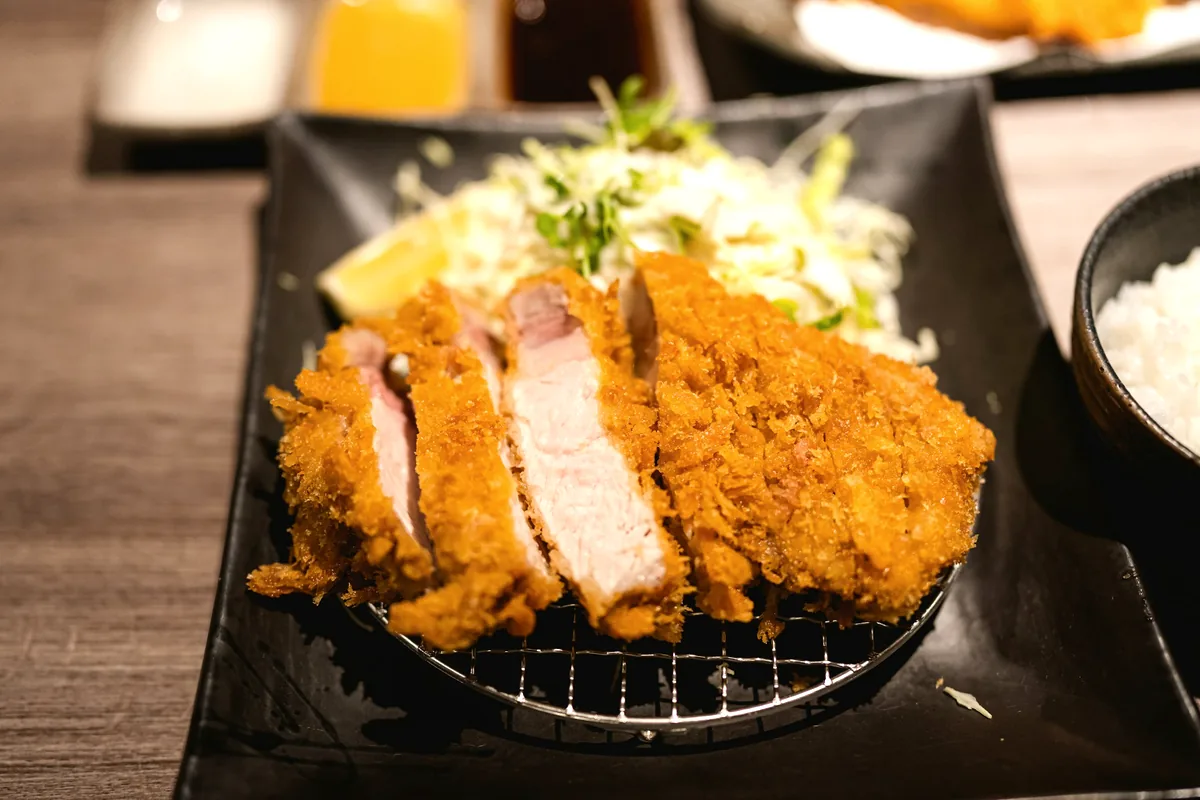
Katsubreaded, fried, crisp — sauce on the side
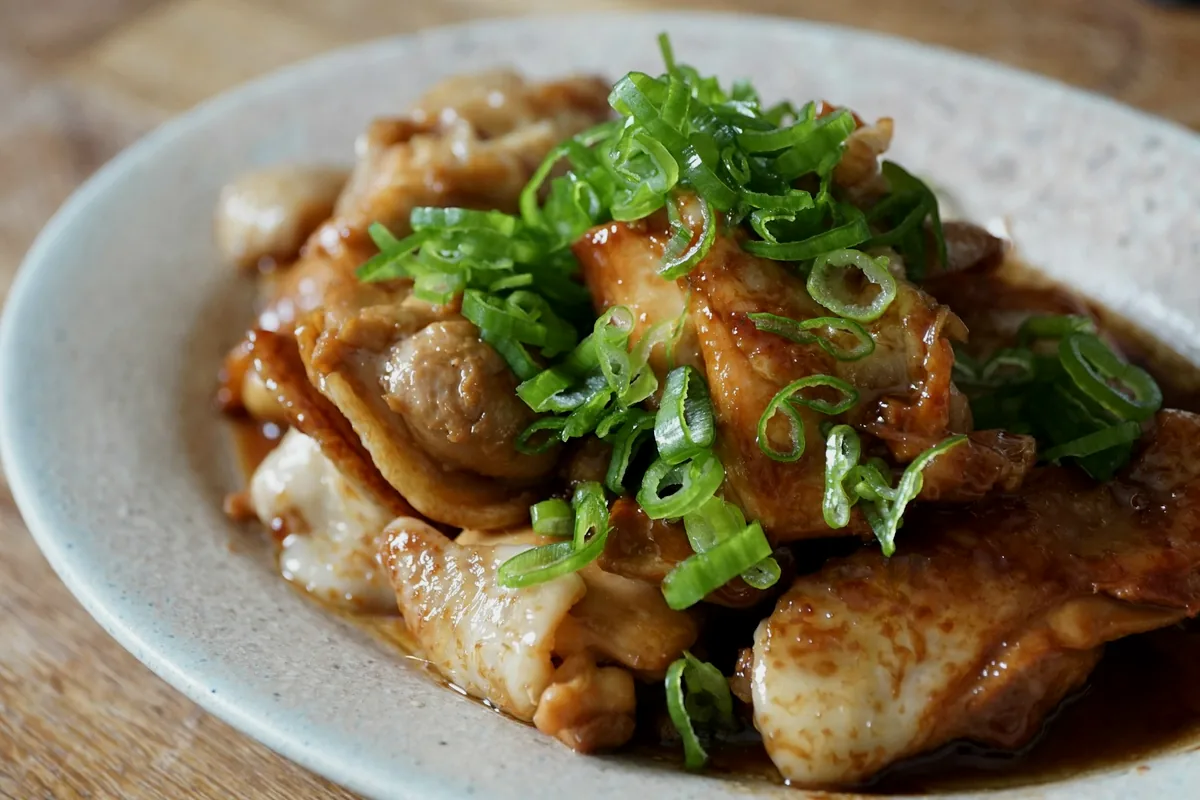
Teriyakigrilled, glazed, glossy — sauce on the meat
Katsu names a cooking method; teriyaki names a sauce and the glazing technique that goes with it. They are not two versions of the same dish.
These two sit next to each other on almost every Japanese menu, both usually made with chicken, both served over rice. That similarity is where the confusion starts — and the moment you know what each word actually refers to, it stops.
01 — The basicsOne is a method, the other is a sauce
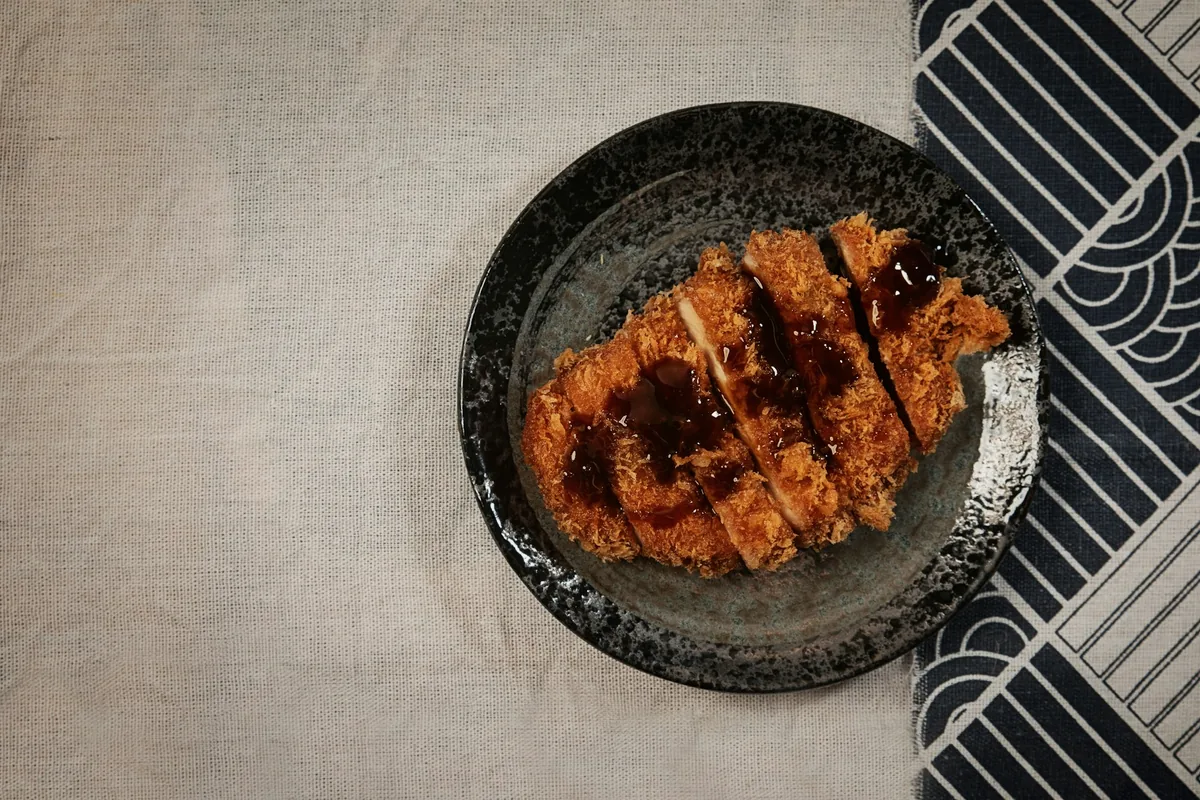
Katsu is short for katsuretsu, a Japanese rendering of the English word cutlet. It describes how the food is cooked: coated in panko breadcrumbs and fried until crisp, then sliced into strips.
Teriyaki is two words joined together — teri, the shine, and yaki, grilled. It describes a sauce and what that sauce does: reduced over heat until it glazes whatever it is brushed onto and leaves it glossy.
So one word tells you about texture and the other tells you about flavour. That is why they can both be applied to chicken and still produce two plates that have almost nothing in common.
What katsu is
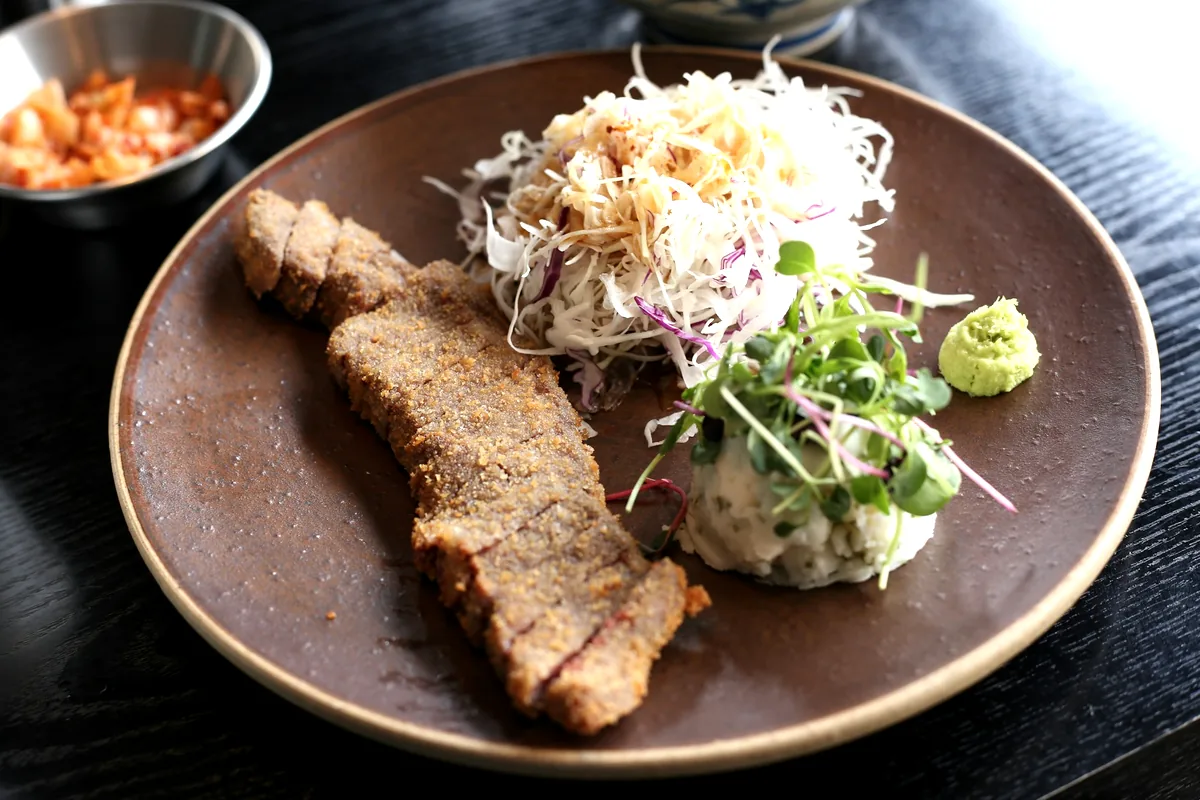
A cutlet is pounded flat, dredged in flour, dipped in egg, pressed into panko and fried. Panko is the detail that matters: it is a flaky, coarse Japanese breadcrumb that fries lighter and crisper than the fine dry crumb used in most Western breading.
The result is a crust that stays crisp for a surprisingly long time and a piece of meat that is still tender inside. It is sliced across into strips before it reaches the table, which is partly presentation and partly practical — it makes the dish easy to eat with chopsticks.
Katsu is almost never sauced in the kitchen. The sauce comes separately, poured over at the table or used for dipping, so the crust keeps its texture right through the meal.
What teriyaki is
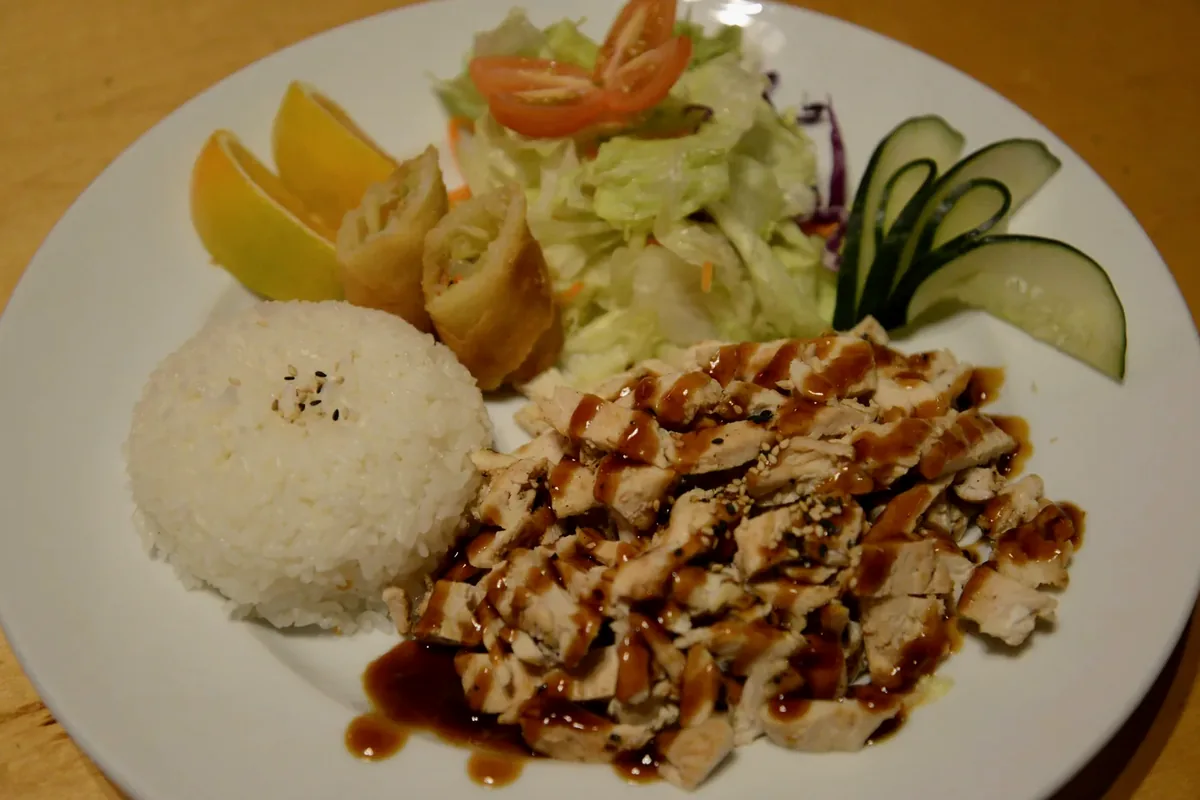
Teriyaki sauce is built from soy sauce, mirin, sake and sugar, cooked down until it thickens. Brushed onto grilled meat in the last minutes of cooking, it caramelises into a dark, savoury-sweet glaze that clings rather than pools.
Because the sauce is applied during grilling, teriyaki arrives already dressed. There is no crust and no crunch — the appeal is the contrast between the char from the grill and the sweetness of the glaze.
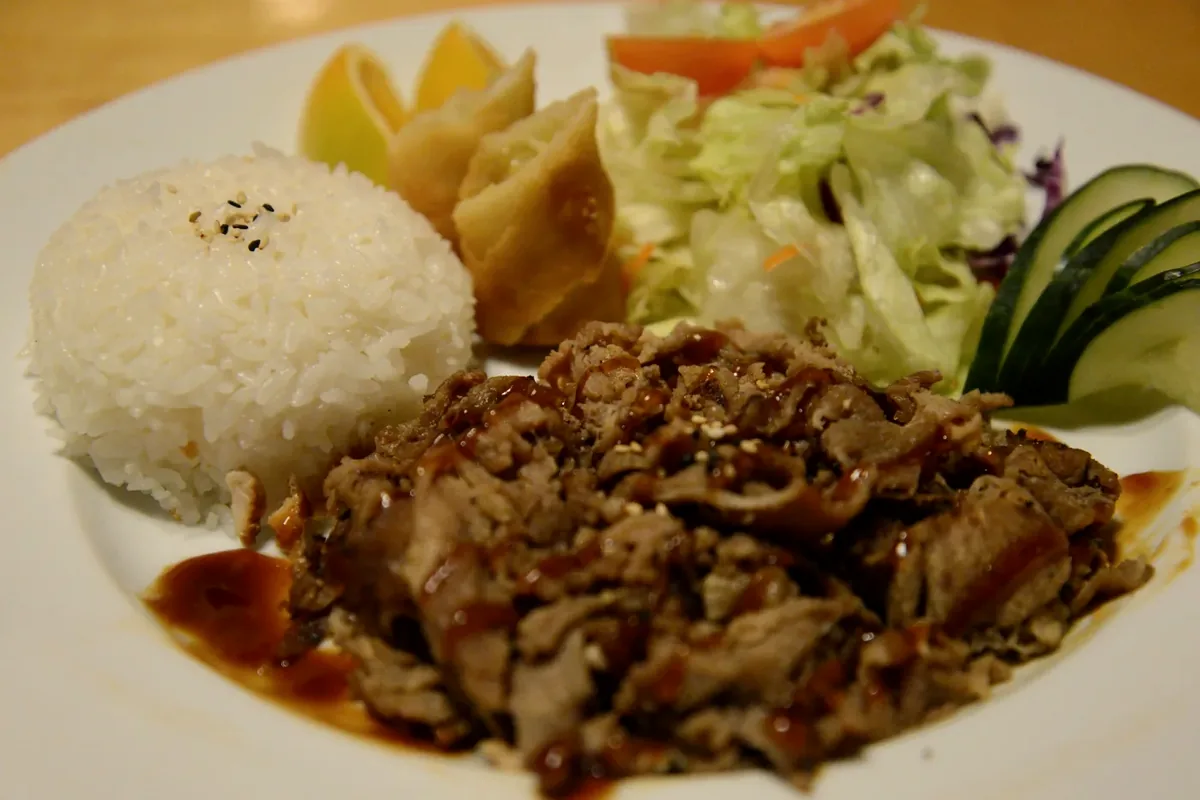
It also travels across proteins better than katsu does. Chicken is the common one, but beef, salmon and short ribs all take a teriyaki glaze well, and each tastes noticeably different under it.
02 — Side by sideKatsu vs teriyaki at a glance
| Feature | Katsu | Teriyaki |
|---|---|---|
| What the word means | Cutlet | Glossy grilled |
| Cooking method | Breaded and fried | Grilled and glazed |
| Coating | Panko breadcrumbs | None |
| Texture | Crisp outside, tender inside | Soft, with char from the grill |
| Flavour | Mild — the sauce carries it | Sweet and savoury throughout |
| When the sauce arrives | At the table, on the side | During cooking, on the meat |
| Usual sauce | Tonkatsu sauce, thick and tangy | Teriyaki glaze, sweet and dark |
| Best for | Anyone who wants crunch | Anyone who wants a sweet, savoury glaze |
The two sauces are not interchangeable
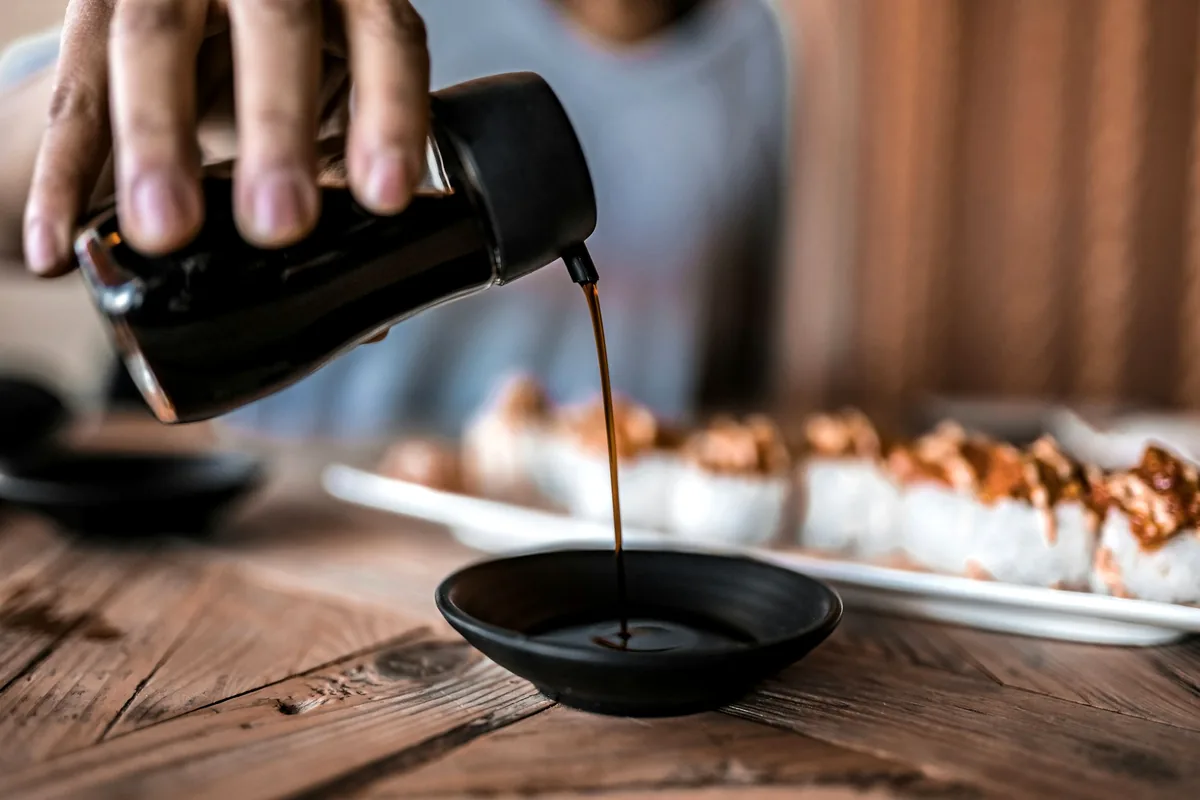
Katsu is served with tonkatsu sauce, which is thick, dark and fruity — closer to a Worcestershire-based brown sauce than to anything soy-led. It is tangy rather than sweet, and it is designed to cut through fried food.
Teriyaki sauce is the opposite: soy-forward, distinctly sweet, and thin enough to glaze. Pour teriyaki over a cutlet and you soften the crust while adding sweetness where you wanted acidity. The pairings exist for a reason.
Good to know
Katsu curry is a third thing again: the same fried cutlet, served with Japanese curry sauce instead of tonkatsu sauce. If a menu lists katsu on its own, expect tonkatsu sauce unless the description says otherwise — and if the sauce matters to you, ask rather than assuming.
Both are plates, not bowls
Neither dish is a noodle dish, and that catches people out when they are ordering for a table. Both come as a plate built around rice and a protein, which makes them the substantial, non-soup option on a Japanese menu — useful when part of your group wants a bowl of ramen or udon and part of it does not.
They also travel well. Neither is sitting in broth, so both survive a drive home better than a soup noodle does. Katsu is the one to eat first if you want the crust at its best; teriyaki is essentially unaffected by a short wait.
Which should you order?
- You want texture. Katsu. Nothing else on a Japanese menu gives you that crust.
- You want flavour through the whole bite. Teriyaki. The glaze is on the meat, not beside it.
- You are ordering for a child. Either works, and both are mild. Katsu tends to win because it is crisp and finger-friendly.
- You want something other than chicken. Teriyaki. It is the one that comes in beef, salmon and short rib versions.
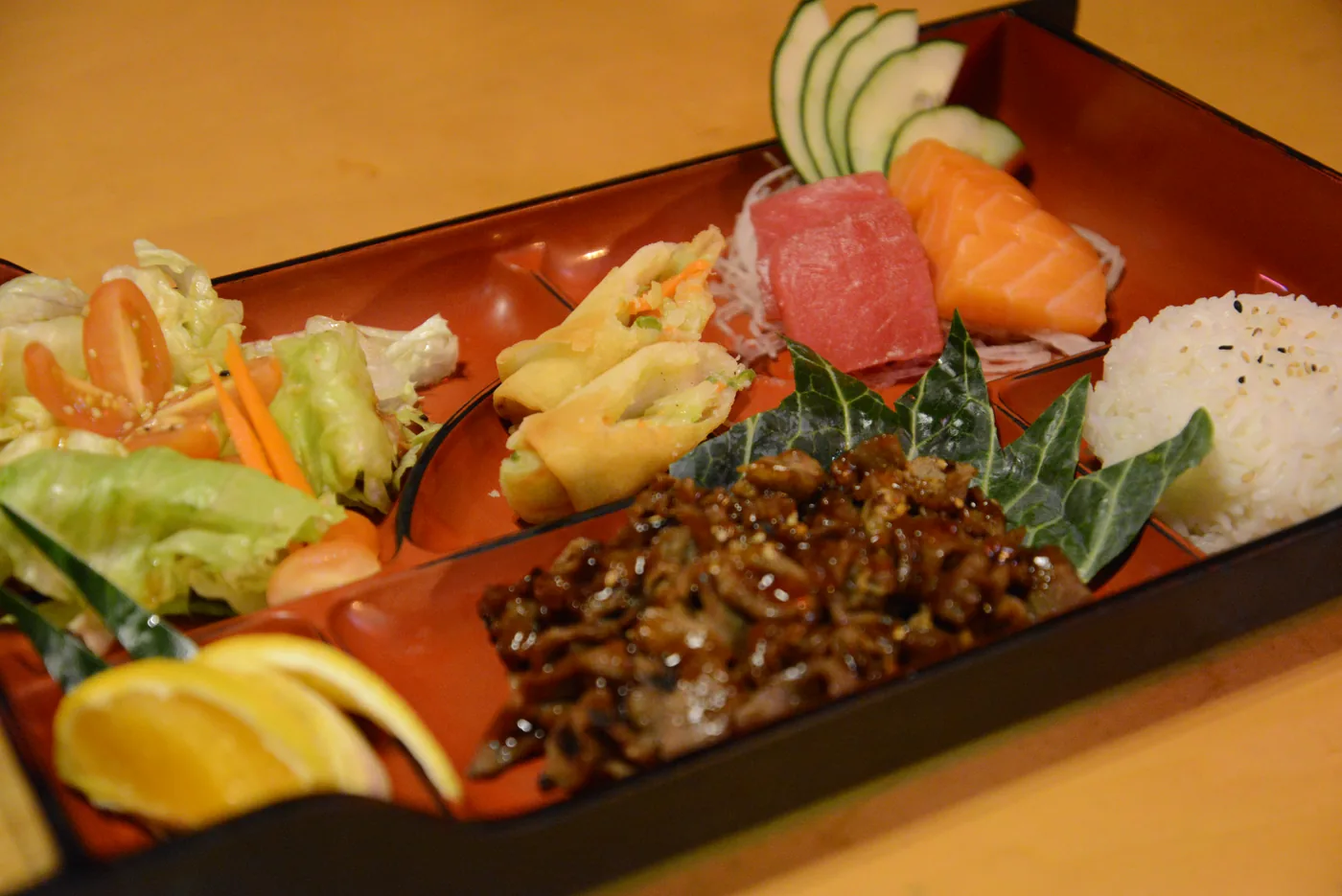
- You want to try both. A bento box combination lets you put two or three items on one tray.
Katsu and teriyaki at Tokyo Roll & Noodle
The katsu list is short and deliberate: Chicken Katsu, listed as served with rice and house salad. Our house salad comes with mango dressing, which is a brighter counterpoint to fried food than the usual ginger.
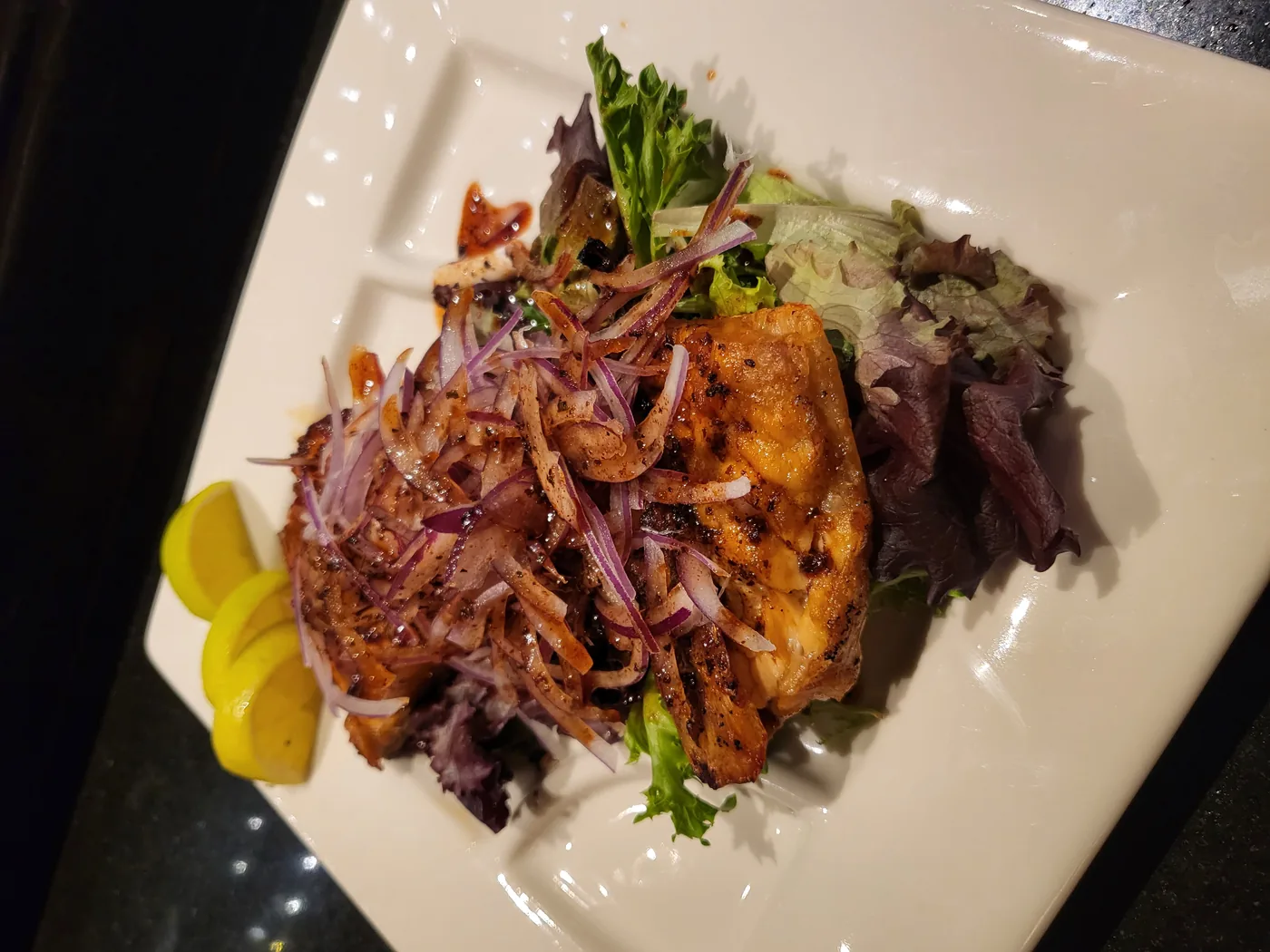
The teriyaki plates cover more ground. Beef Teriyaki, Salmon Teriyaki and BBQ Short Ribs are each listed as served with salad, miso soup and steamed rice, and there is a Chicken Teriyaki Plate alongside them. A kids’ meal rounds out the section, served with miso soup or salad.
If you cannot choose, the bento box combinations let you pick any two or three items and have them served together with salad, miso soup and steamed rice. You can read both sections on the menu — katsu here and teriyaki plates here.
Frequently asked questions
Is katsu the same as tonkatsu?
Tonkatsu is a katsu made with pork — ton means pork. Katsu made with chicken is chicken katsu. Confusingly, the sauce served with all of them is called tonkatsu sauce regardless of the meat.
Is teriyaki a Japanese dish or an American one?
The glazing technique is Japanese. The heavy, syrupy teriyaki sauce familiar in the United States is a later adaptation — a traditional Japanese glaze is thinner and less sweet.
Which one is spicier?
Neither. Both are mild. Tonkatsu sauce is tangy rather than hot, and teriyaki glaze is sweet and savoury.
Does katsu contain gluten?
Panko breadcrumbs are made from bread, and teriyaki sauce is usually made with soy sauce, which typically contains wheat. If you need to avoid gluten, ask the restaurant directly about the specific dish rather than working it out from the description.
Can I get katsu with teriyaki sauce?
Ask — it is a reasonable request. Be aware that it works against the dish: the glaze softens the panko crust that the frying was for.
The short version
Katsu is a texture: breaded, fried, sliced, sauce on the side. Teriyaki is a flavour: grilled, glazed, sweet and savoury all the way through. Order the first when you want crunch and the second when you want the sauce in every bite.
Both are cooked to order in our Chino Hills kitchen. Have a look at the full menu, or read our guide to ordering at a Japanese restaurant if the rest of the menu is unfamiliar too.