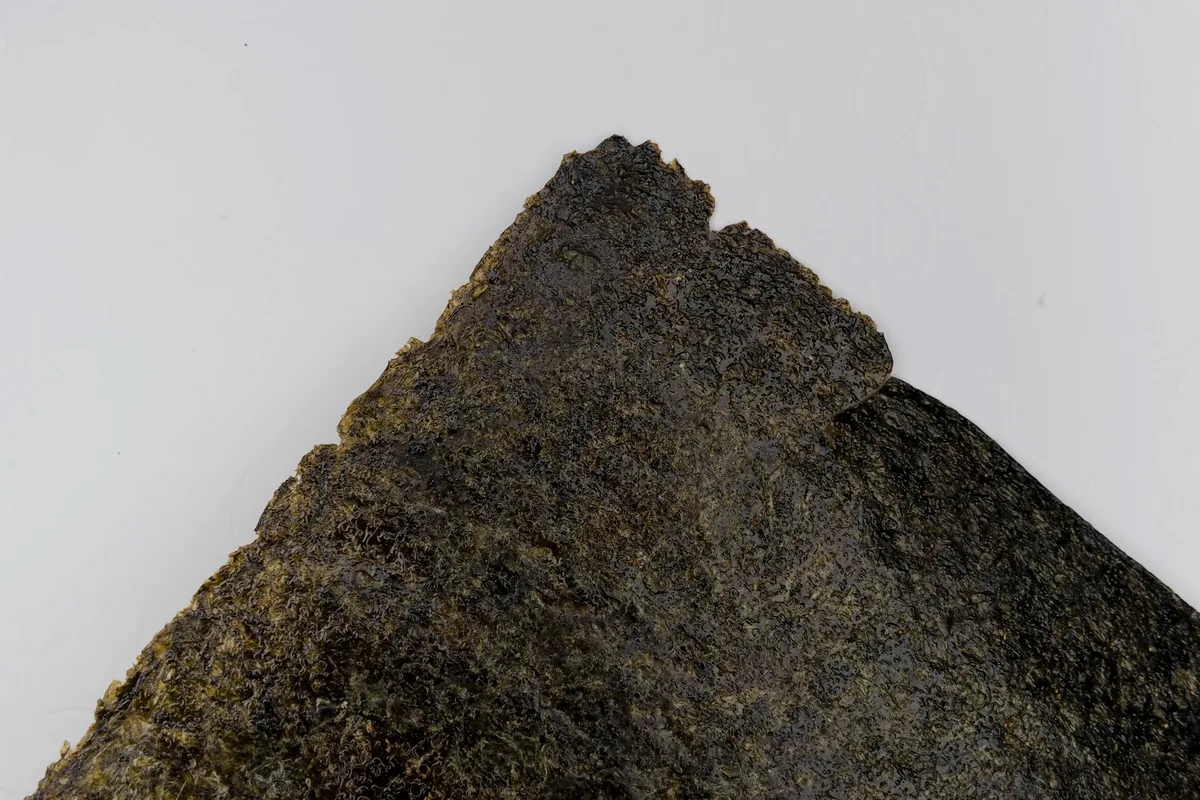
The short answer
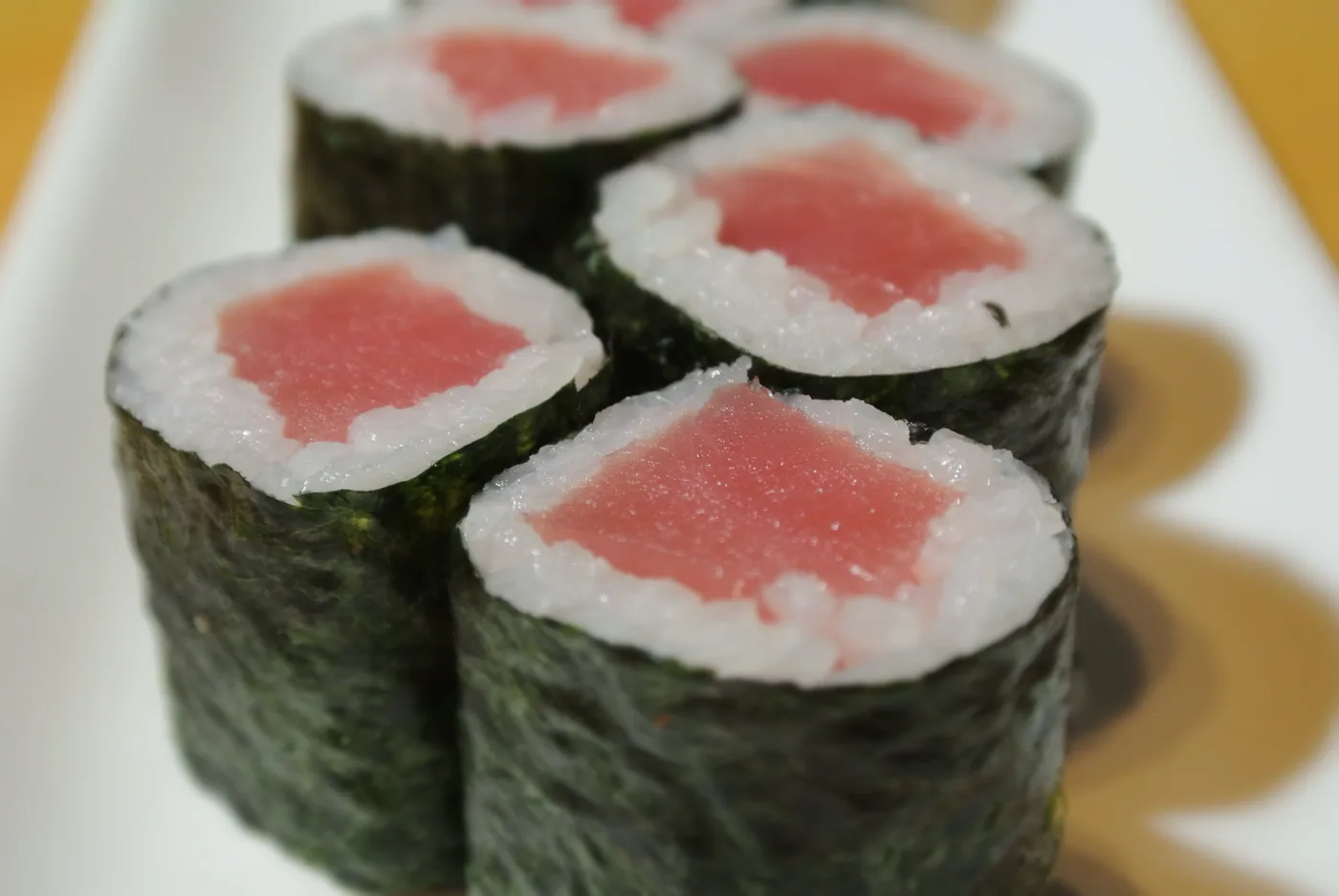
Noripressed seaweed, savoury and dark
Soy papera soybean sheet, mild and pale
If seaweed is the thing keeping you off sushi, the swap exists and takes one sentence to request.
The wrapper is the part of a roll people notice least and object to most. It is worth a few minutes, because there is more than one option and the difference is larger than it looks.
01 — NoriSeaweed, pressed into paper
Nori is made from a red algae that is harvested, washed, chopped into a slurry, spread thin on frames and dried — a process closer to making paper than to cooking. The sheets are then toasted, which is what turns them from purple-black to green-black and brings out the aroma.
It tastes savoury and faintly of the sea, with a mineral edge. That savouriness is doing real work in a roll: it is the only strongly seasoned element besides the rice, and it stops mild fillings from tasting like nothing.
Why it goes soft
Nori is crisp only while it is dry, and rice is wet. From the moment a roll is made, the sheet begins absorbing moisture from the rice pressed against it, and within a few minutes it has gone from brittle to pliable.
In a cut roll that is expected and fine — a soft wrapper is easier to bite through than a crisp one, and nobody eats a maki roll for crunch.
In a hand roll it is the opposite. The cone is meant to snap, which is why hand rolls are made to order and eaten immediately. That difference in timing is really a difference in what the nori is doing, and it is the whole argument in hand roll versus cut roll.
Inside or outside
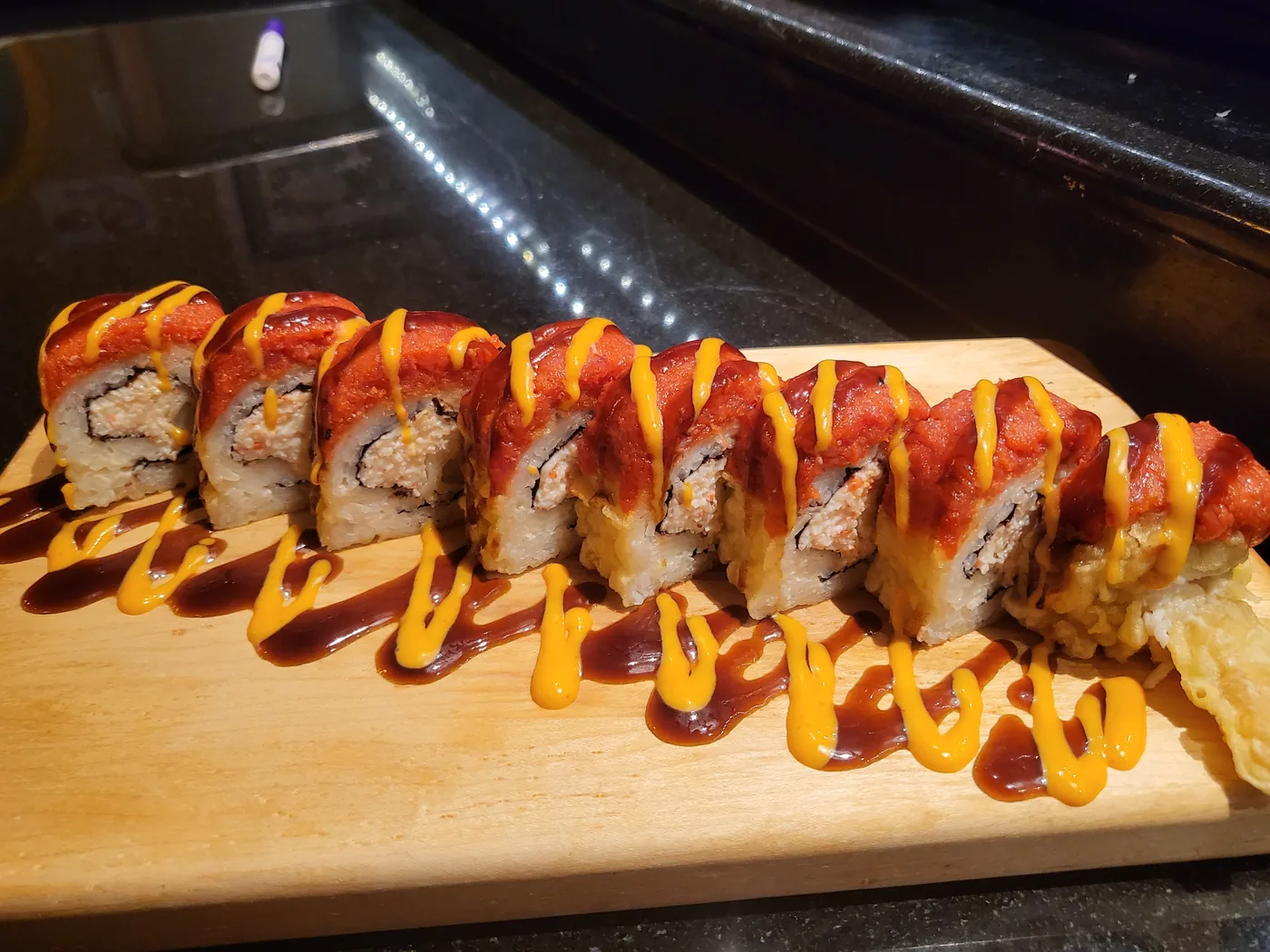
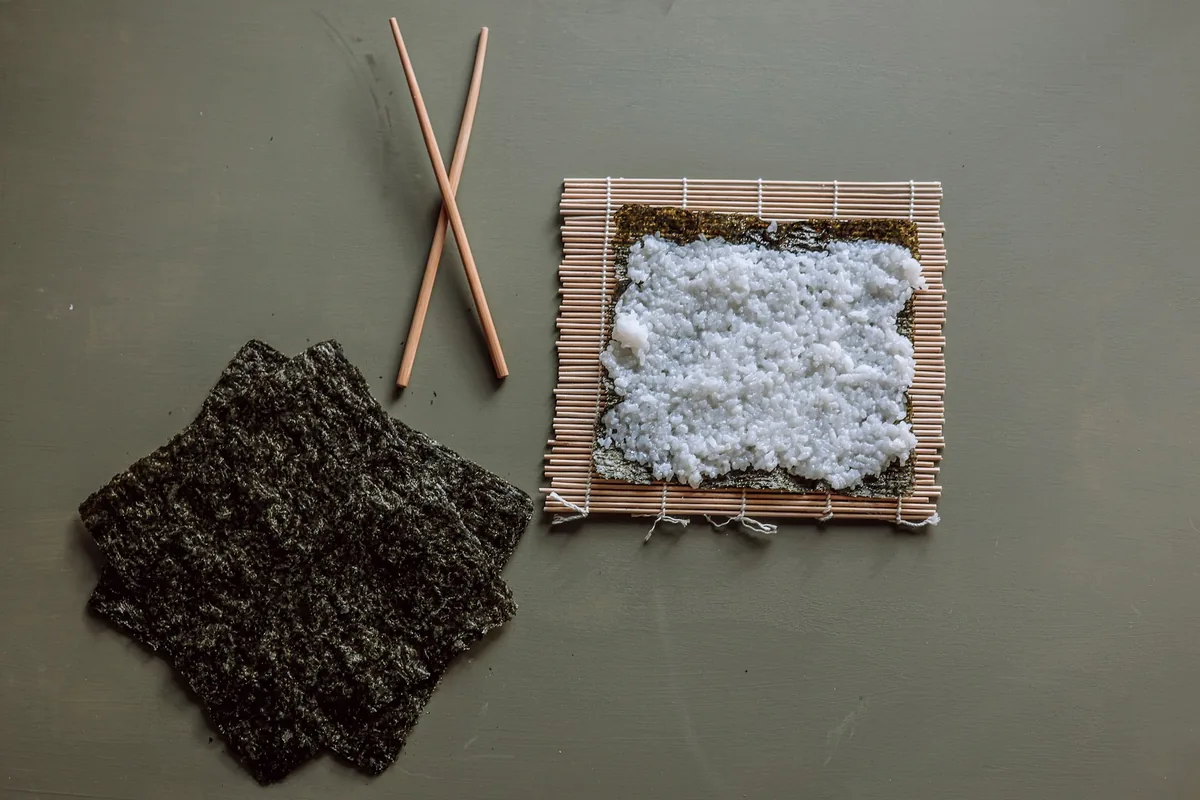
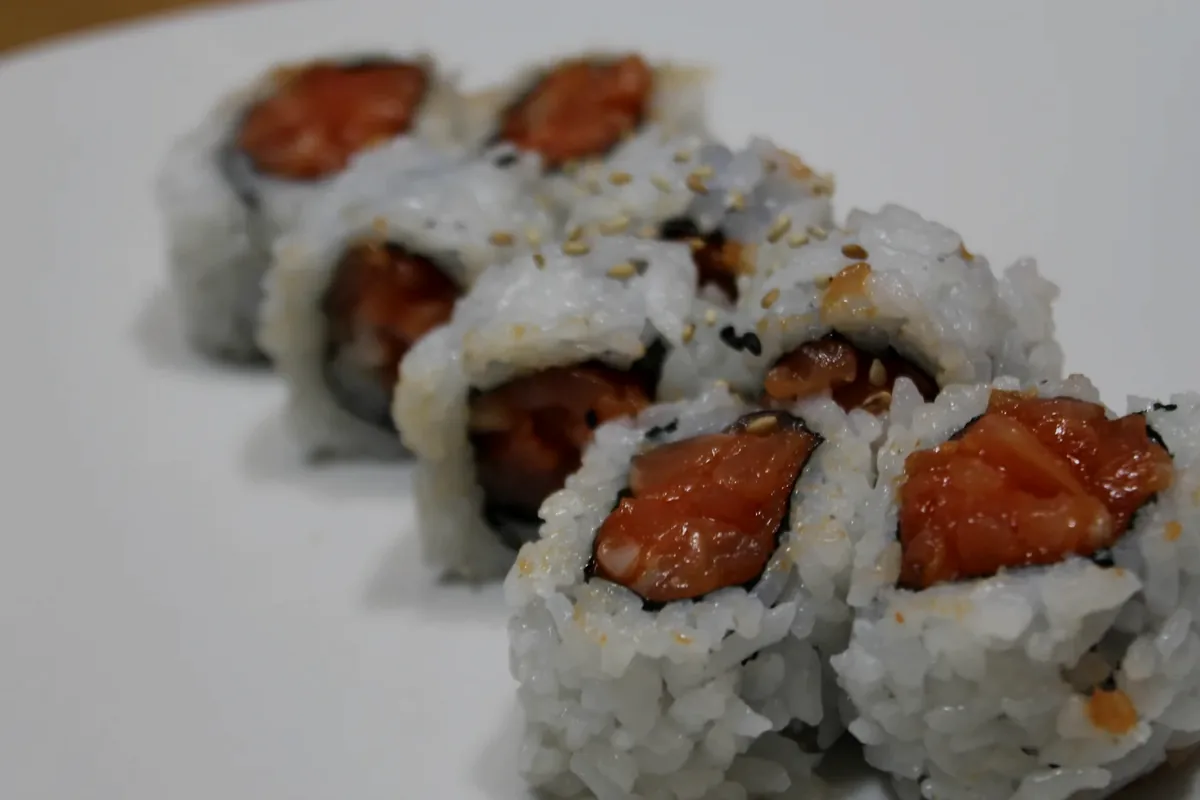
A traditional cut roll puts nori on the outside, where you can see it. An inside-out roll hides it: rice on the outside, nori underneath against the filling.
Both contain the same amount of seaweed. The difference is entirely visual, and it exists because a black wrapper reads as unfamiliar to people who did not grow up with it. That single adjustment is where the modern specialty roll comes from — there is more on the rest of that history in how the American sushi roll happened.
If you dislike the texture rather than the look, an inside-out roll will not help you. If you dislike the look, it solves it completely.
The swap most people do not know about
Soy paper is a thin sheet made from soybeans, pressed and dried the same way nori is. It is pale — usually cream or a soft colour — slightly sweet, and it tastes of almost nothing.
That neutrality is the point. Where nori adds a savoury, marine note, soy paper gets out of the way entirely, and the roll tastes only of its filling and the rice.
It can be requested in place of the seaweed on our rolls. It is a standard exchange, it takes one sentence, and it is by far the most useful thing to know if a dining companion has been avoiding sushi because of the wrapper.
Ordering tip
Soy paper is made from soybeans, so it is not a solution for anyone avoiding soy. It is a solution for people who dislike the taste, smell or look of seaweed. Those are different problems, and only one of them is fixed by the swap.
The wrappers compared
| Wrapper | Made from | Tastes | Use it when |
|---|---|---|---|
| Nori | Pressed, toasted red algae | Savoury, marine, mineral | You want the traditional flavour |
| Soy paper | Pressed soybean | Very mild, faintly sweet | Seaweed is the problem |
| Rice, outside | Seasoned short grain rice | Sour-sweet | You want the nori hidden |
| Cucumber | Thinly sliced cucumber | Fresh, watery, clean | You want it lighter |
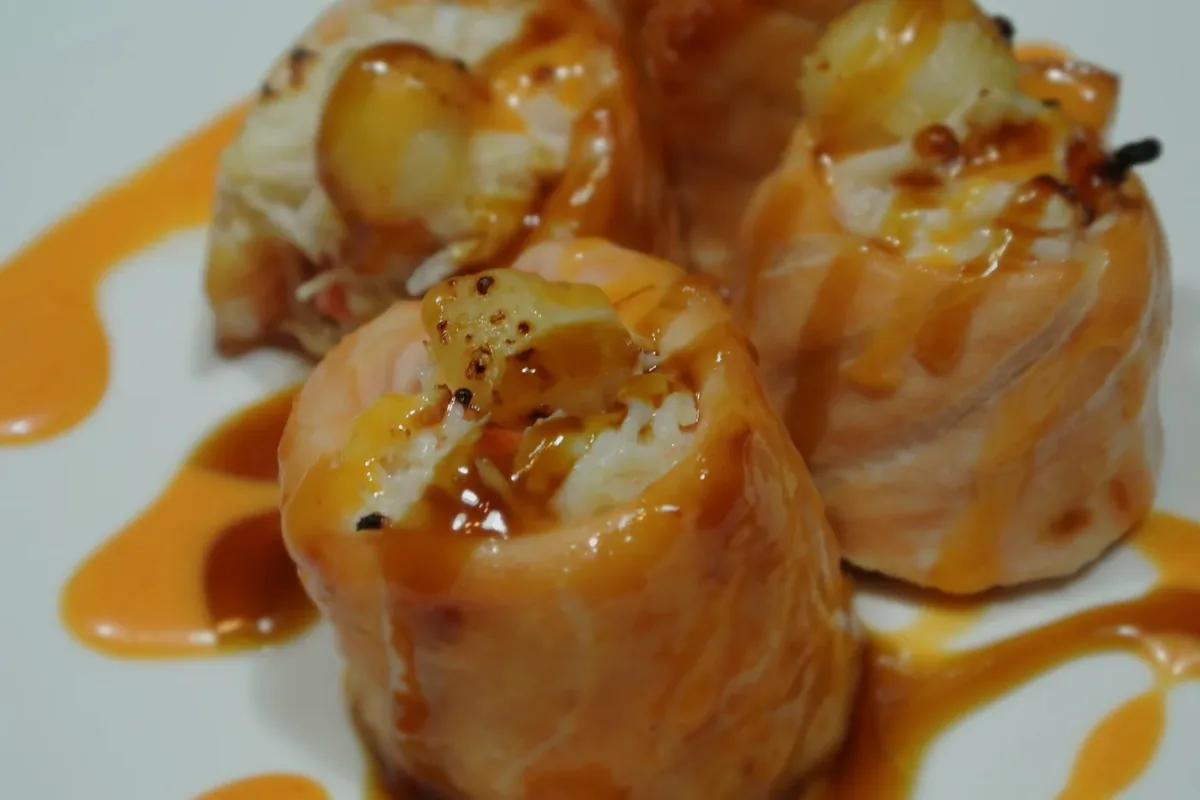
| Fish | Sliced salmon, tuna or albacore | Whatever the fish tastes of | You want no rice at all |
Seaweed beyond the roll
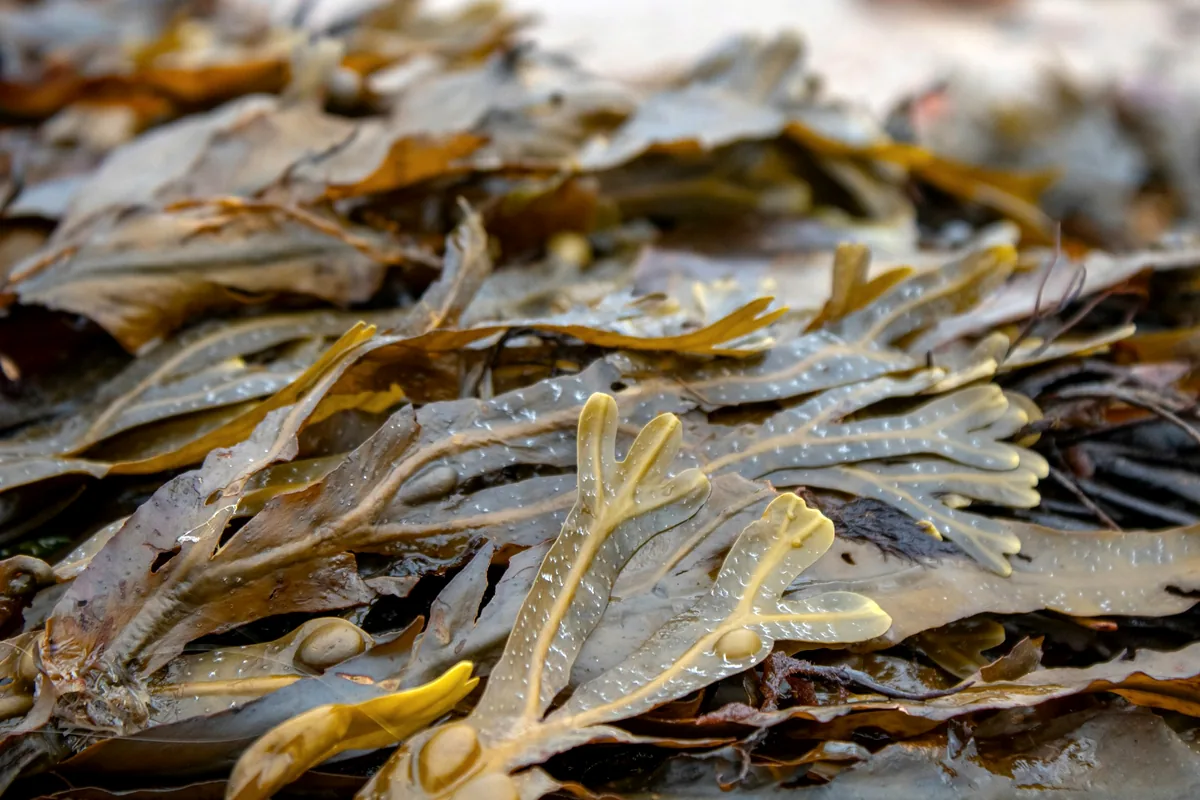
Nori is only one of several seaweeds on a Japanese menu, and they are not the same plant or the same experience.
Wakame is the soft green seaweed in miso soup and in seaweed salad — slippery rather than crisp, and much milder than nori. Kombu is a thick kelp used to make dashi, the stock underlying most Japanese broths; it is rarely eaten directly but its flavour is in almost everything.
And nori itself turns up shredded over noodle bowls and udon, where it softens into the broth almost immediately. If you have eaten our udon, you have eaten nori whether or not you noticed it.
Getting used to it
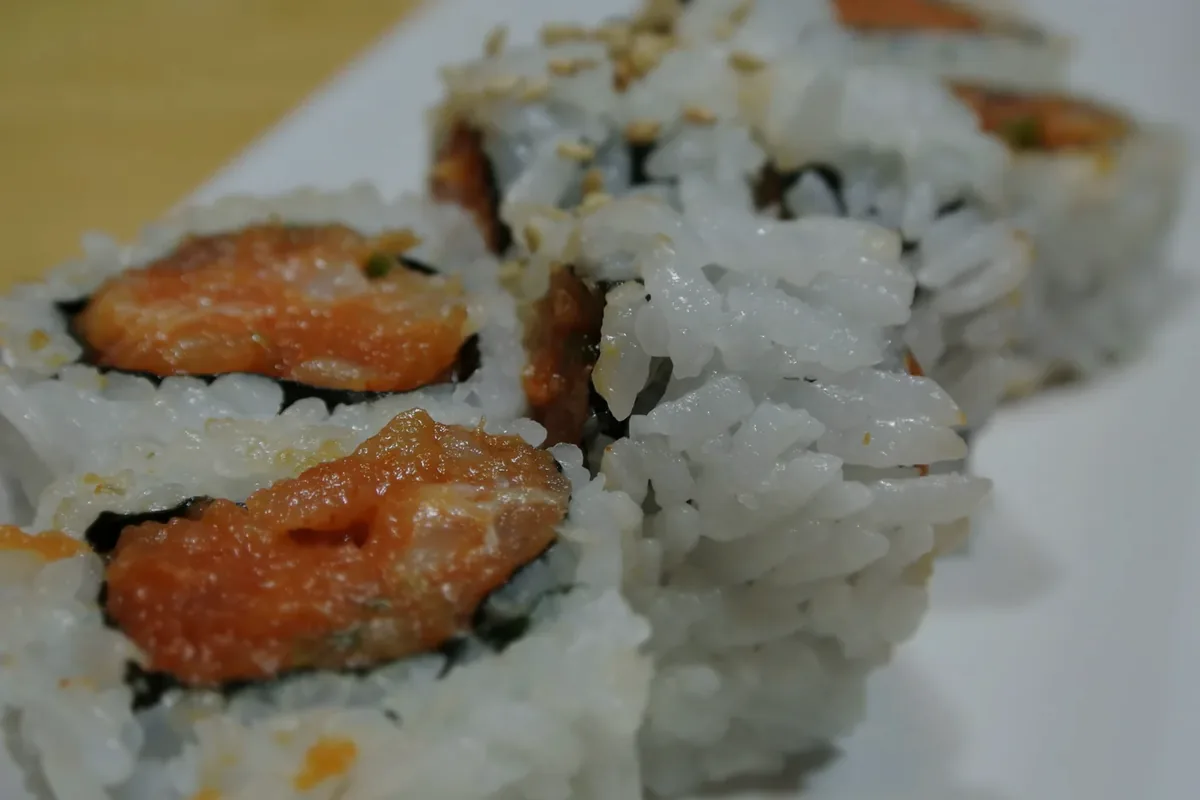
- Start inside-out. A specialty roll with rice on the outside contains nori but does not look like it does.
- Then try a basic roll. Nori on the outside, a single mild filling, nothing else competing.
- Then a hand roll. This is nori at its most assertive, and at its best.
- Ask for soy paper any time. There is no wrong point to use the swap, and no reason to persevere with a texture you dislike.
Frequently asked questions
What is nori made of?
A red algae, harvested and processed into thin sheets, then toasted. The sheet itself is nothing but seaweed.
Can I get sushi without seaweed?
Yes. Ask for soy paper instead, or order nigiri, sashimi or one of the no-rice rolls, none of which are wrapped in nori.
Does soy paper taste like anything?
Very little, which is the point. It is faintly sweet and otherwise neutral, so the filling comes through more clearly than it does with nori.
Is seaweed the same as the green stuff in miso soup?
Not the same species. That is usually wakame, which is softer and milder. Nori is pressed into sheets; wakame is not.
Why is the nori on my roll chewy?
It has absorbed moisture from the rice, which happens to every roll within minutes. It is normal in a cut roll. In a hand roll it means the roll has been waiting.
The short version
Nori is pressed seaweed, savoury and dark, and it goes soft against rice by design. Soy paper is the pale, near-tasteless alternative, and it can be swapped in on request. Neither is a compromise — they are two different intentions.
Both are on the menu, and if the rice underneath is the part you are curious about, that is a separate story.