The short answer
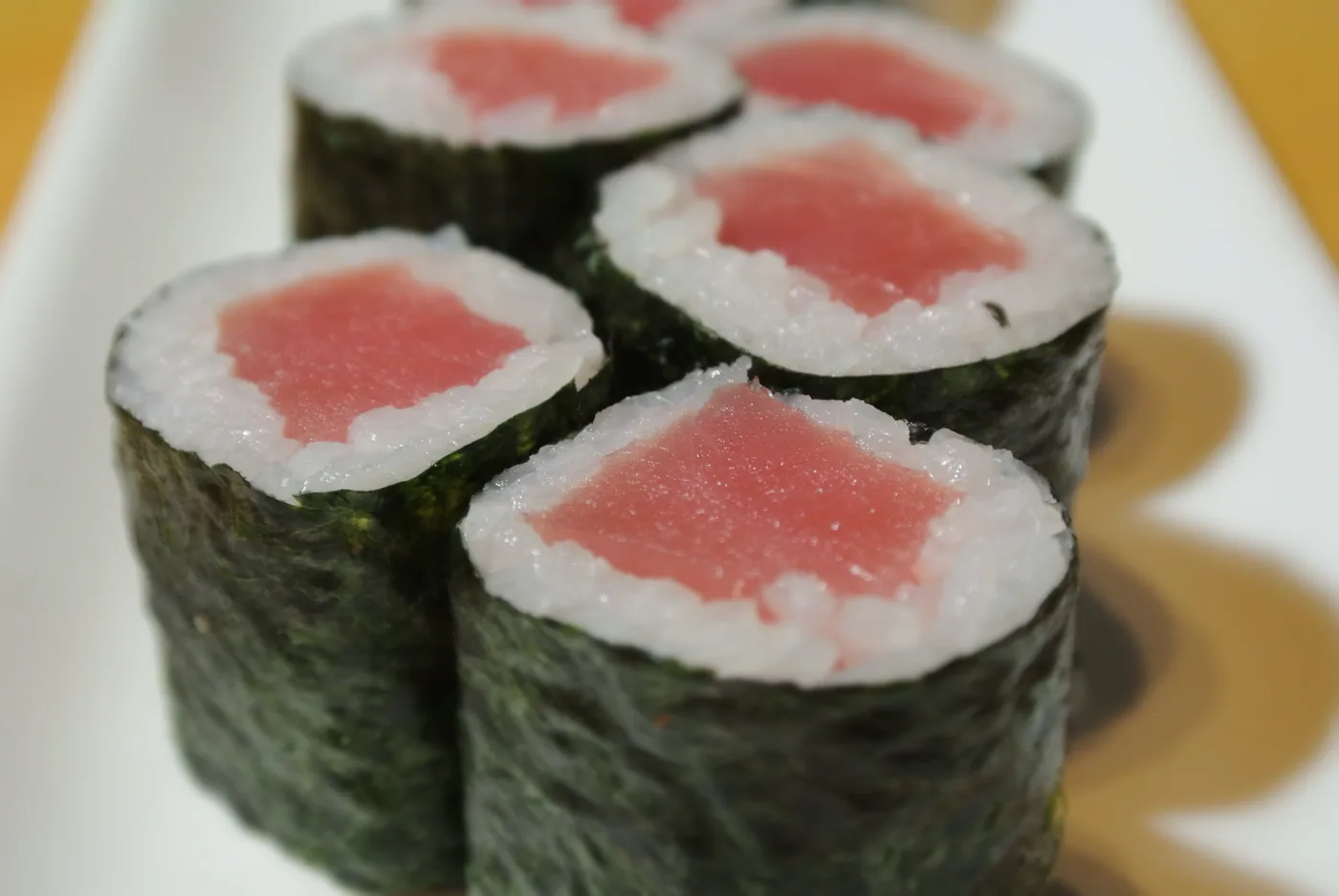
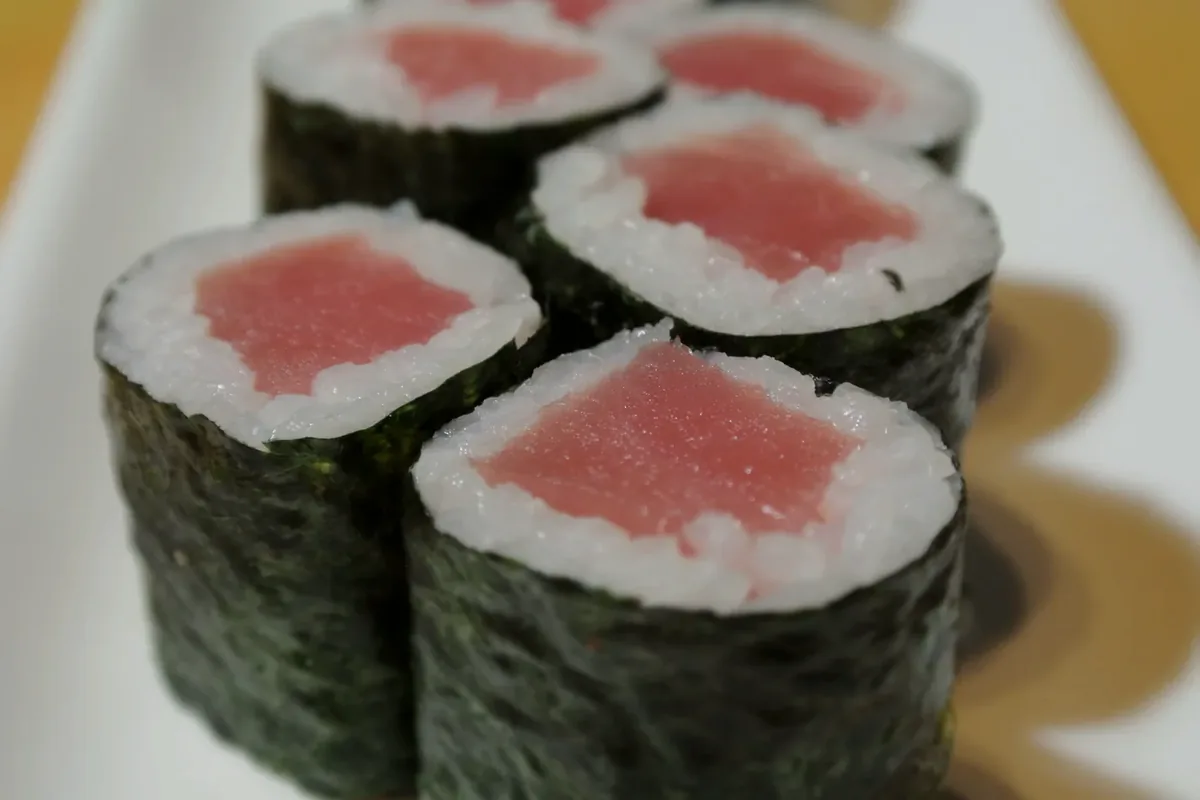
Cut rolla cylinder sliced into pieces
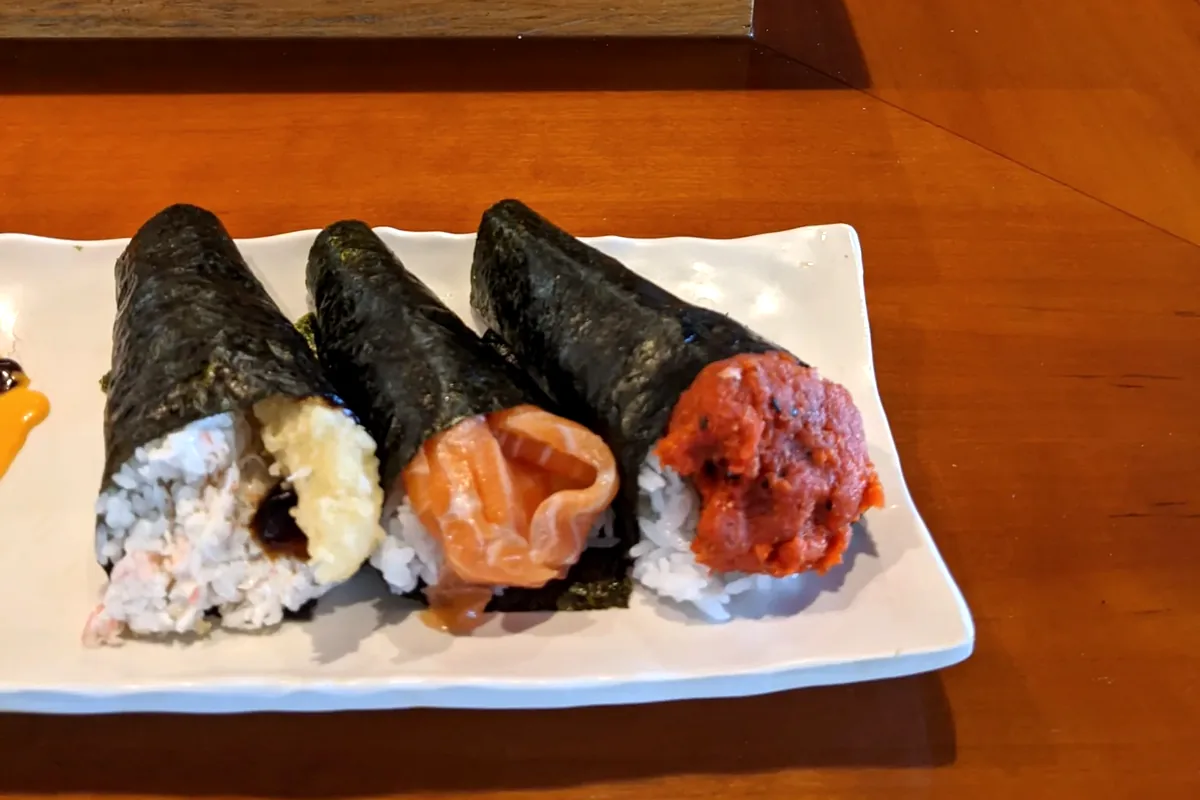
Hand rollone cone, eaten straight away
Same ingredients, different shape — and the shape decides everything. A hand roll is crisp for about two minutes; a cut roll will wait for you.
Two sections of the same menu can list the same fillings, and the only difference between them is geometry. That difference matters more than it sounds like it should.
01 — The basicsThe shape is the difference
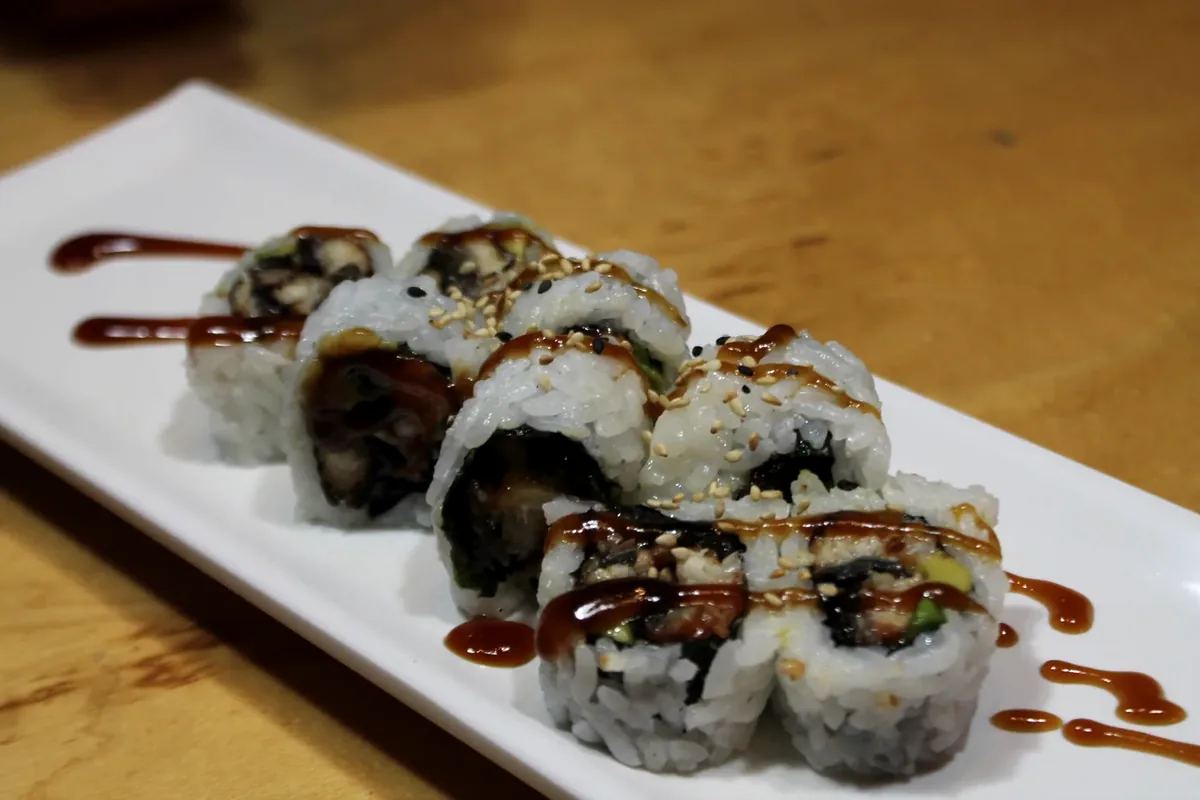
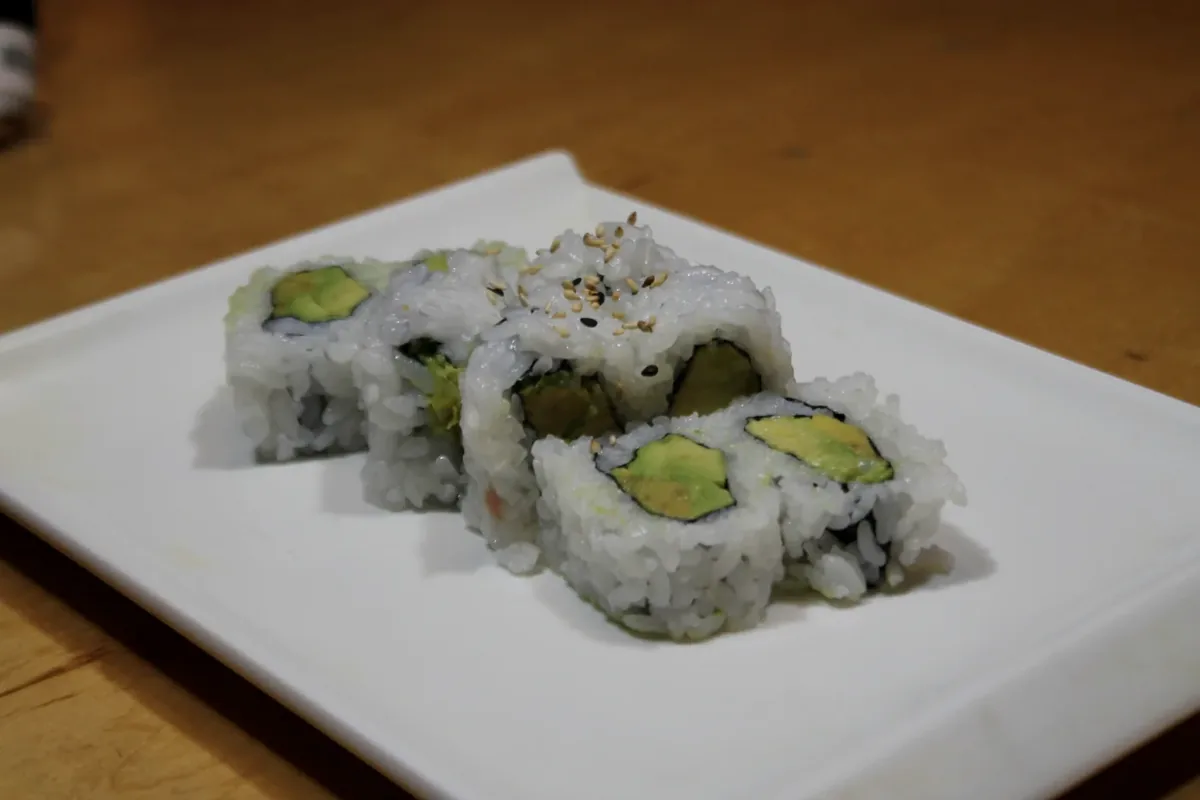
A cut roll — maki — is made on a bamboo mat. Rice is spread over a sheet of nori, filling is laid along it, the whole thing is rolled into a cylinder and then sliced across into six or eight pieces. Each piece is a self-contained round.
A hand roll — temaki — skips the mat. The chef takes a half sheet of nori, puts rice and filling at one end, and rolls it into a cone by hand. It is not cut. It arrives whole, one per order, and you eat it like an ice cream.
Our hand roll list runs to fourteen, and every one is described the same way: the filling, then “rice and seaweed wrapped in a cone.” That last phrase is the entire distinction.
Why a hand roll is served immediately
Nori is crisp when it is dry and leathery when it is not. In a cut roll the nori is on the outside of a tight cylinder with rice pressed against it, and it softens within a few minutes of being made — which is fine, because nobody expects a cut roll to crunch.
A hand roll is built the other way round. The nori is a loose cone with air in it, and it is meant to snap when you bite. That window is short. A hand roll is at its best in the first minute or two and noticeably worse after five.
This is why sushi bars hand them across the counter rather than plating them, and why a hand roll is the one thing on a sushi menu you should not photograph before eating.
Ordering tip
Order hand rolls one at a time, and order them last. Three hand rolls arriving together means the third one has been waiting while you ate the first two. If you are ordering several things, put the hand roll at the end so it reaches you fresh.
Hand roll vs cut roll at a glance
| Feature | Cut roll | Hand roll |
|---|---|---|
| Japanese name | Maki | Temaki |
| Shape | Cylinder, sliced | Cone, whole |
| Made with | A bamboo rolling mat | Hands only |
| Served as | Six or eight pieces | One piece |
| Nori texture | Soft — and meant to be | Crisp, briefly |
| Rice to filling | More rice per bite | More filling per bite |
| Eaten with | Chopsticks or fingers | Fingers |
| Good for sharing | Yes | No |
| Good for takeout | Yes | No |
The ratio changes what you taste
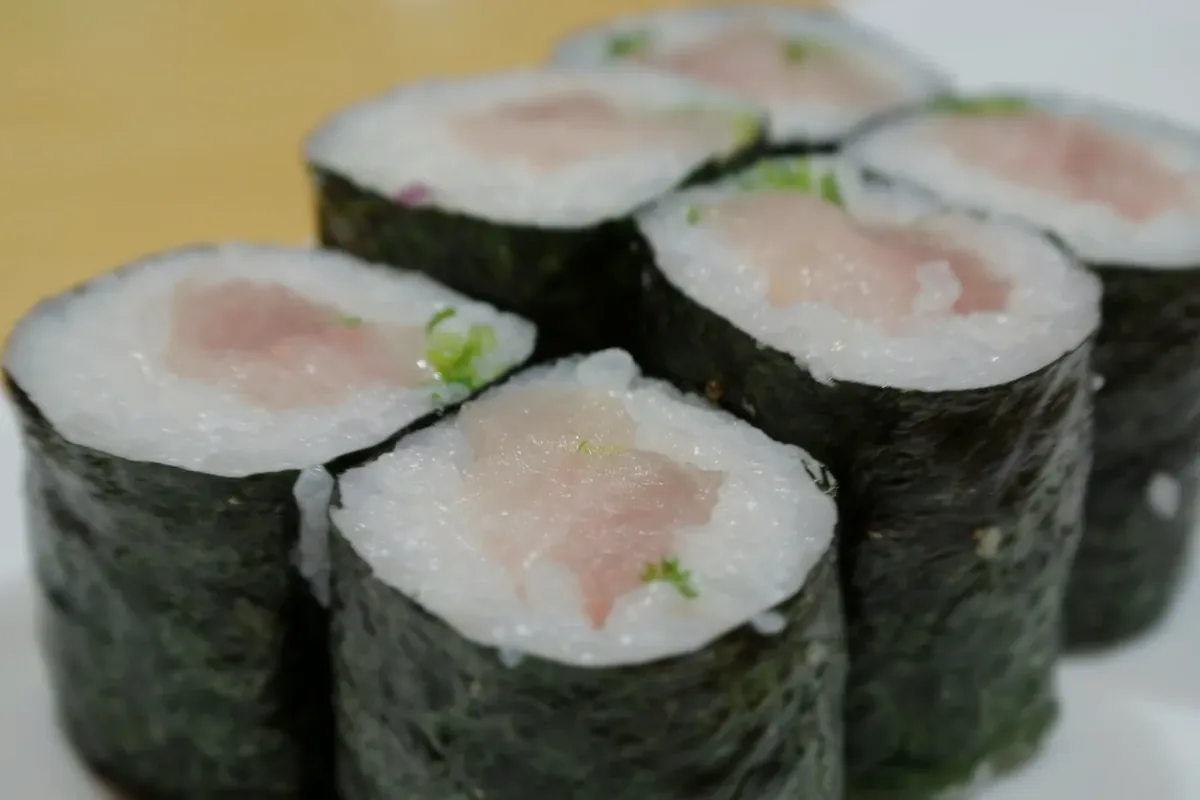
A cut roll piece is mostly rice. That is not a criticism — the rice is seasoned, it is half the point of sushi, and it carries the filling. But it does mean a delicate fish can get lost in a basic roll.
A hand roll inverts the proportion. The cone widens towards the opening, so there is a generous amount of filling at the top and only a little rice underneath it. Strong flavours come through much more directly.
In practice: if you want to actually taste the spicy scallop, order it as a hand roll. If you want six manageable pieces to work through while you talk, order the cut roll.
Which fillings work in which format
Almost anything can be either, but some things are clearly better one way:
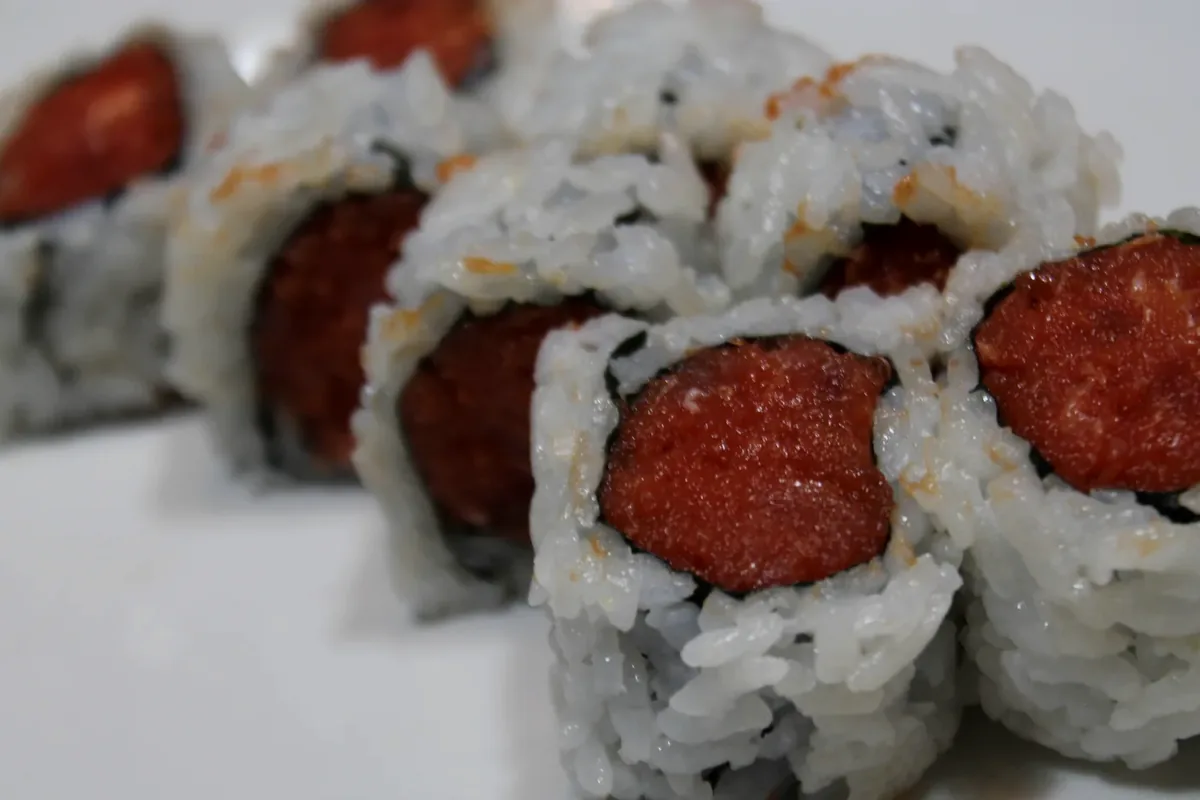
- Loose, wet fillings. Spicy tuna, spicy scallop, spicy salmon — all better as hand rolls, where the cone holds them and the nori stays crisp against them.
- Firm slices. Tuna, salmon, yellowtail — excellent as cut rolls, because a clean slice through the middle is part of the appeal.
- Vegetables. Avocado, cucumber and gobo work either way, and are the cheapest place to test which format you prefer.
- Anything crisp. Salmon skin and tempura fillings lean towards hand rolls, where nothing has had time to soften.
- Anything you are sharing. Cut roll, always. A hand roll cannot be divided.
Which should you order?
- You are eating at the counter. Hand roll. This is the format’s natural habitat.
- You are sharing a table. Cut rolls, which divide; hand rolls, which do not.
- You want the fish to lead. Hand roll — less rice per bite.
- You are ordering takeout. Cut rolls. A hand roll does not survive the drive.
- You are feeding a group. Cut rolls or a platter. We covered the arithmetic in how much sushi to order for a party.
- You cannot decide. Order one of each with the same filling and settle it properly.
How to eat a hand roll
With your fingers, immediately, from the wide end down. Chopsticks do not work on a cone and there is no shame in that — hand rolls are finger food by design, which is what the name says.
Do not dip it. A hand roll is usually seasoned already, and dunking a cone into soy sauce puts liquid straight into the open end. If you want soy, brush a little onto the filling.
If it is your first one and you are unsure about the format generally, our guide to ordering across a Japanese menu covers the rest of the etiquette in a couple of minutes.
Both lists at Tokyo Roll & Noodle
The basic roll list covers the cut rolls: tuna, salmon, yellowtail, albacore, scallop and their spicy versions, plus eel, salmon skin, California, avocado and vegetable.
The hand roll list runs alongside it — salmon, spicy salmon, tuna, spicy tuna, spicy yellowtail, spicy albacore, salmon skin, eel, Philadelphia, California, avocado, vegetable, crunch and spicy scallop. Each is the filling, rice and seaweed, wrapped in a cone.
Beyond both sits the specialty list, which is a different proposition again — we wrote about how to read those names separately.
Frequently asked questions
Is a hand roll bigger than a cut roll?
One hand roll is roughly comparable to half a cut roll in volume, but with more filling and less rice. Most people find one hand roll less filling than a whole cut roll.
Why is my hand roll not cut?
Because cutting it would defeat the format. The cone is structural — slice it and the filling falls out and the nori loses its crispness immediately.
Can I order a hand roll for takeout?
You can, but it is the wrong tool for the job. The nori softens on the way home. Cut rolls travel far better.
Are hand rolls always raw?
No. Eel, California and vegetable hand rolls contain nothing raw. If you are avoiding raw fish, our guide to cooked sushi applies to hand rolls too.
What is soy paper?
A thin soybean sheet used in place of nori. It is milder and slightly sweet, and some people prefer it if seaweed is not for them. It can be requested as an exchange.
The short version
A cut roll is patient and shareable. A hand roll is urgent and personal. Order the first for a table and the second for yourself, and eat the second one straight away.
Both lists are on the menu, and most of the fillings appear on each.