The short answer
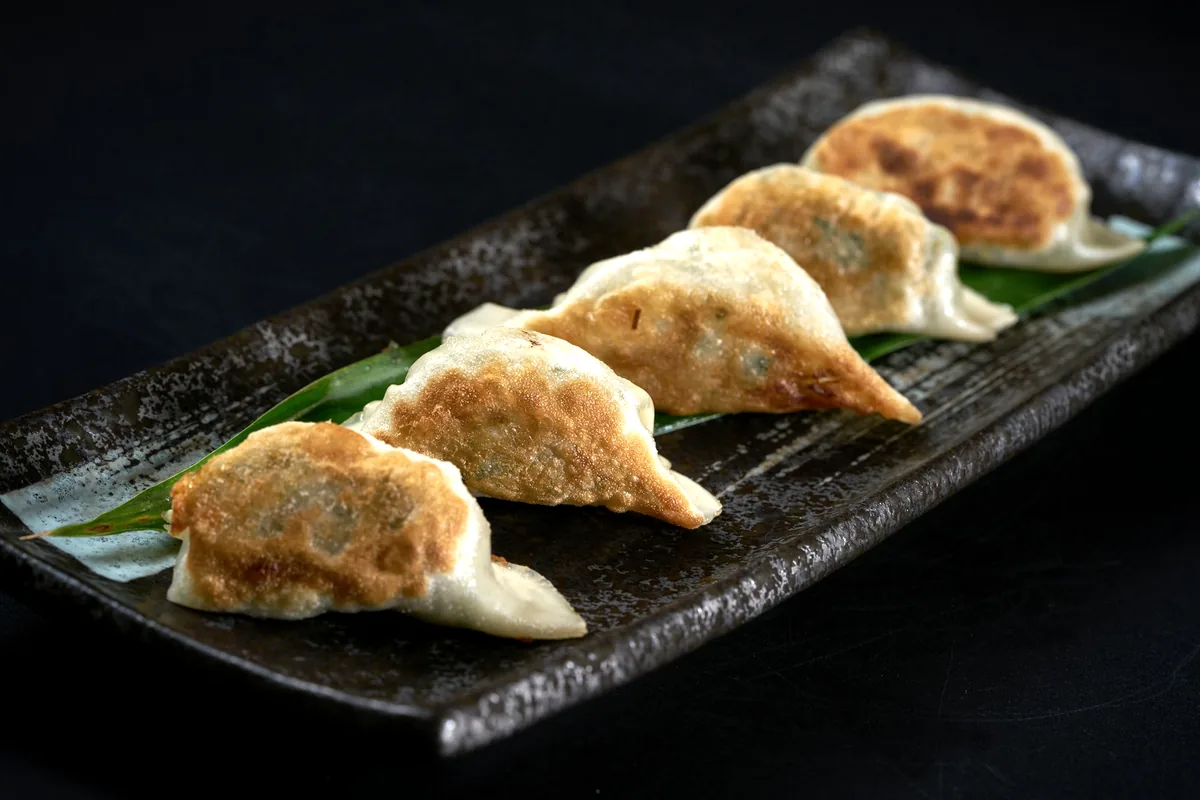
Gyozaa dumpling fried and steamed at once
The resultcrisp underneath, soft on top
That double texture is the entire point, and it comes from a cooking method rather than from anything in the filling.
Ordered constantly and understood rarely. Gyoza are not simply fried dumplings — they are cooked two ways in the same pan at the same time, and that is what makes them what they are.
01 — The methodFried, then steamed, in one pan
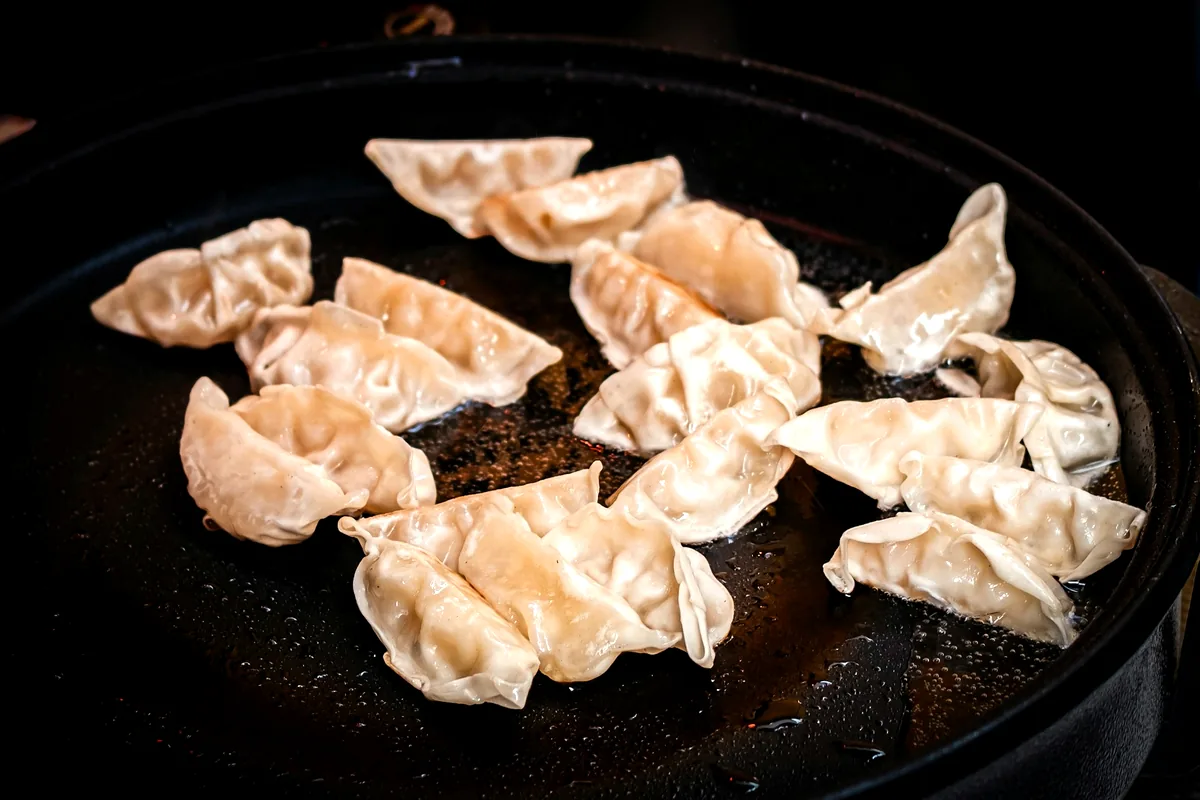
The dumplings go into a hot oiled pan flat-side down and fry until the bases are properly brown. Then water goes in and a lid goes on immediately, and the pan steams until the water is gone.
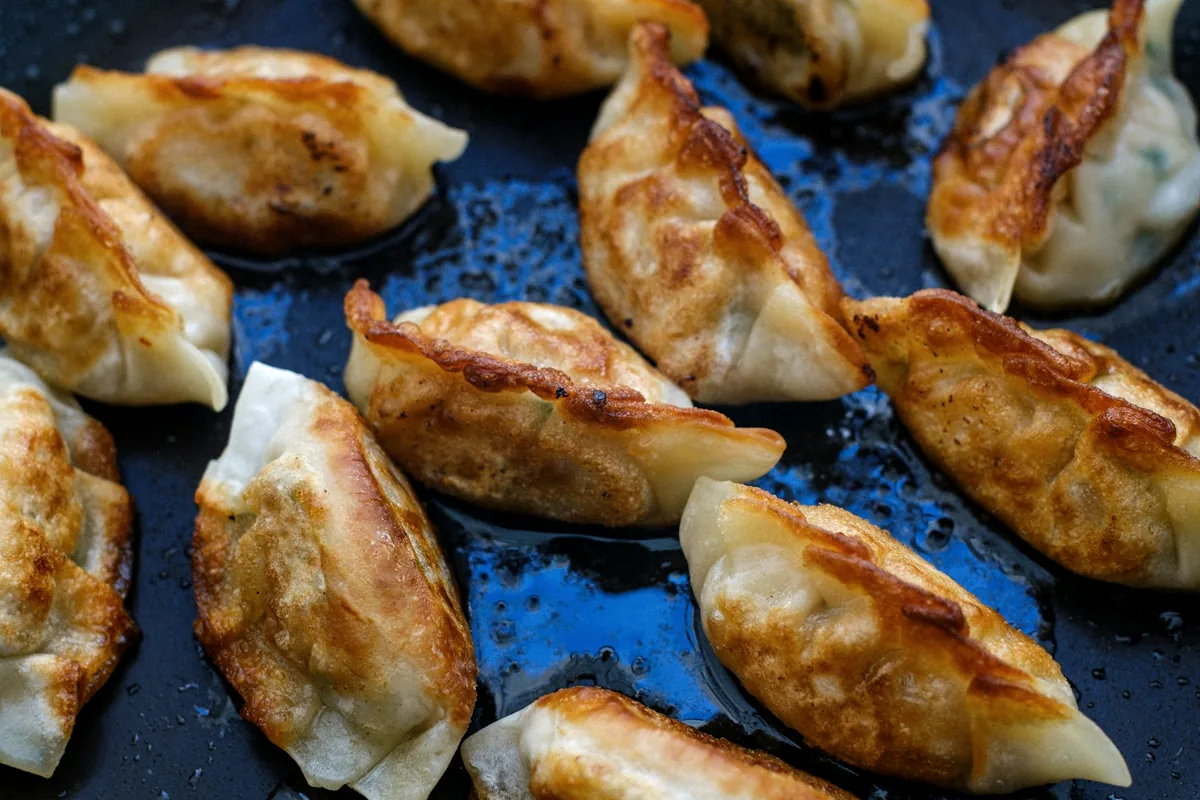
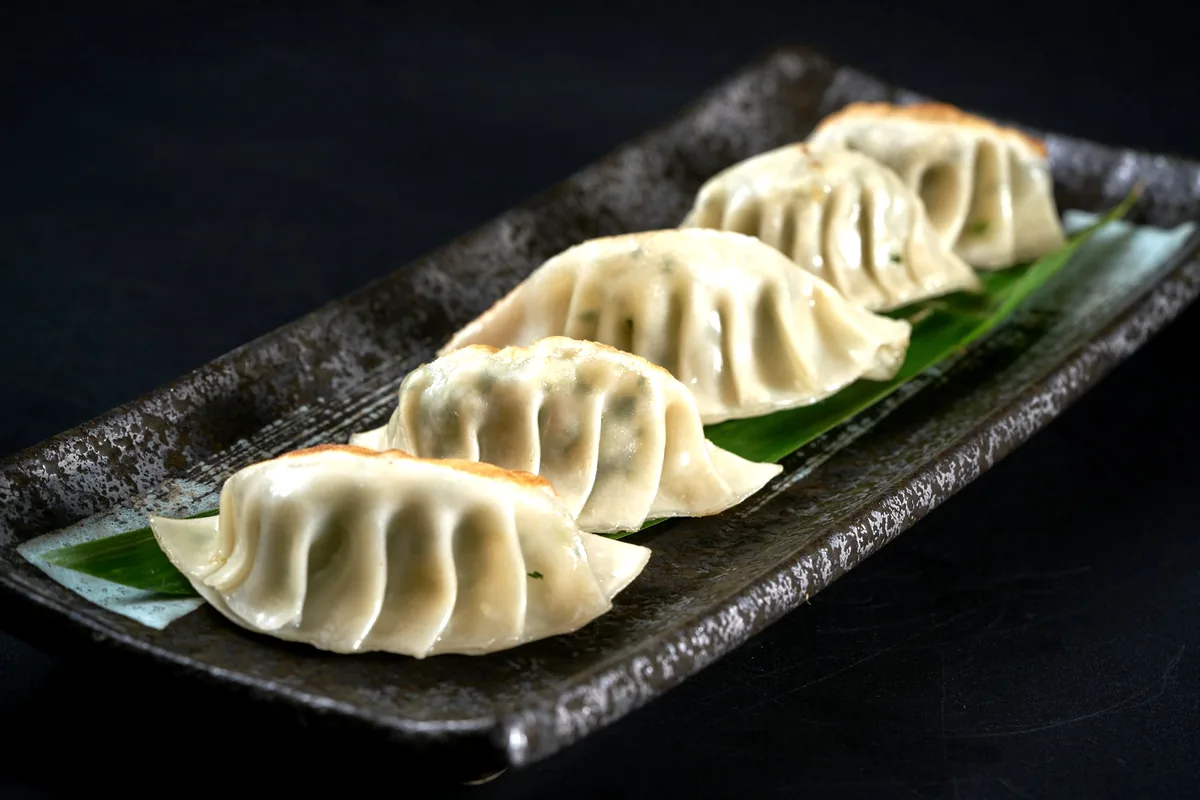
The steam cooks the filling through and softens the wrapper on top. The base, sitting in oil rather than water, stays crisp. Lift the lid at the right moment and you have one dumpling with two textures.
Get the timing wrong in either direction and it fails obviously. Too little water and the filling is raw; too much and the base goes soft again. It is a simple technique that punishes inattention, which is why gyoza are a reasonable proxy for how carefully a kitchen is working.
The wrapper is thinner than you think
A gyoza wrapper is noticeably thinner than a Chinese jiaozi wrapper, and that is the main structural difference between the two. Japanese versions are built to be delicate and eaten in one or two bites; the Chinese original tends to be sturdier and more filling.
The pleats are on one side only. That is not decoration — the pleated edge stands up and the unpleated side lies flat, which is what gives the dumpling a base to fry on. A round dumpling could not be cooked this way.
The name is borrowed too
Gyoza came to Japan from northern China, and the word itself is a Japanese rendering of the Mandarin jiaozi. The dish arrived in the middle of the twentieth century, largely with people returning from Manchuria, and it was adapted quickly.
What changed in the adaptation is instructive. The wrapper got thinner, the filling got finer, the garlic increased, and the pan-fried version became the default rather than one option among boiling and steaming. Each of those is a shift towards a smaller, sharper, quicker dish.
It is the same pattern as the American sushi roll in the other direction — a format crossing a border and being reshaped by what the receiving kitchen wanted from it. Neither version is a degraded copy; both are what happens when a good idea travels.
02 — The relativesGyoza, potstickers and everything else
| Name | Where from | How it is cooked |
|---|---|---|
| Gyoza | Japan, adapted from Chinese jiaozi | Fried then steamed, thin wrapper |
| Jiaozi | China | Boiled, steamed or fried, thicker wrapper |
| Potsticker | An English name for the fried version | The same method as gyoza |
| Wonton | China | Usually boiled in soup, very thin wrapper |
| Shumai | China, also common in Japan | Steamed, open at the top |
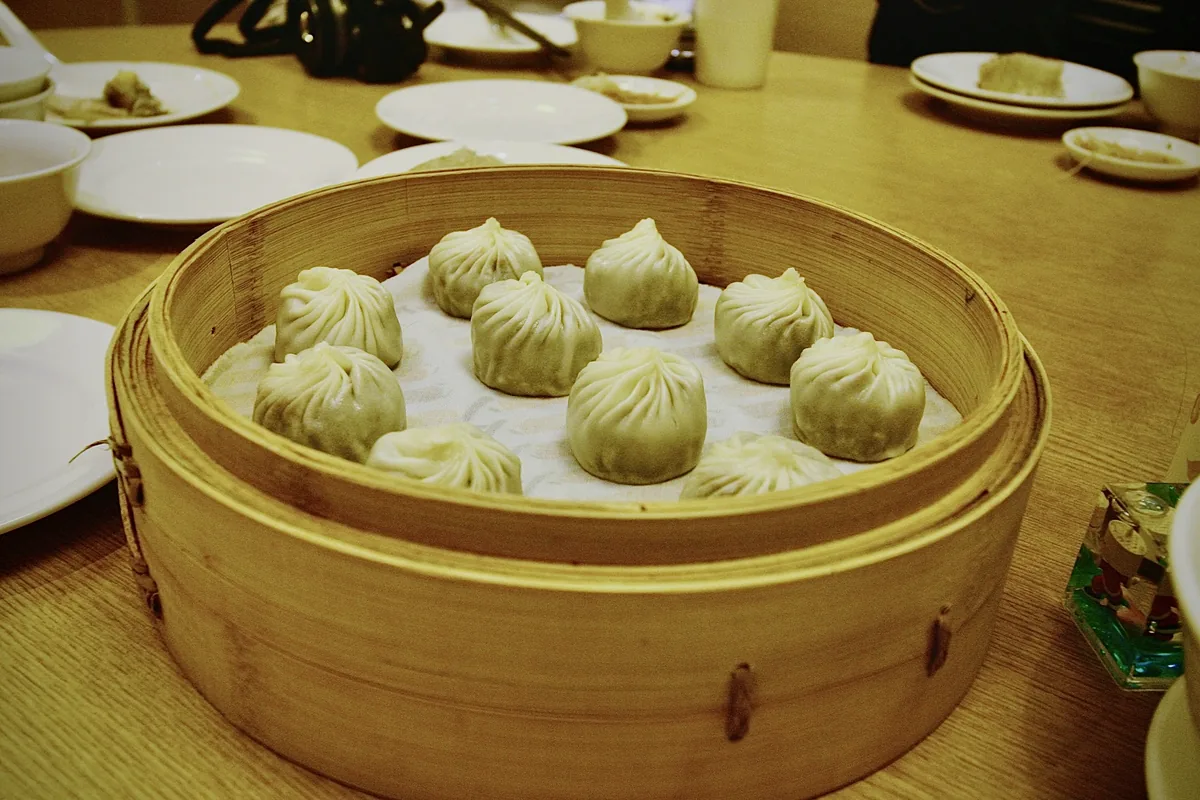
| Xiao long bao | China | Steamed, filled with soup |
Potsticker and gyoza describe the same thing from different directions — one names the cooking accident that gives it a crisp base, the other names the dumpling. Neither is more correct.
What is inside
The standard filling is ground pork with cabbage, garlic, ginger and green onion. The cabbage is doing real work: it is salted and squeezed first to remove water, then mixed in, and it keeps the filling juicy without making it wet.
Garlic is the ingredient that separates Japanese gyoza from most Chinese versions. It is used generously, and it is the reason gyoza smell the way they do from across a room.
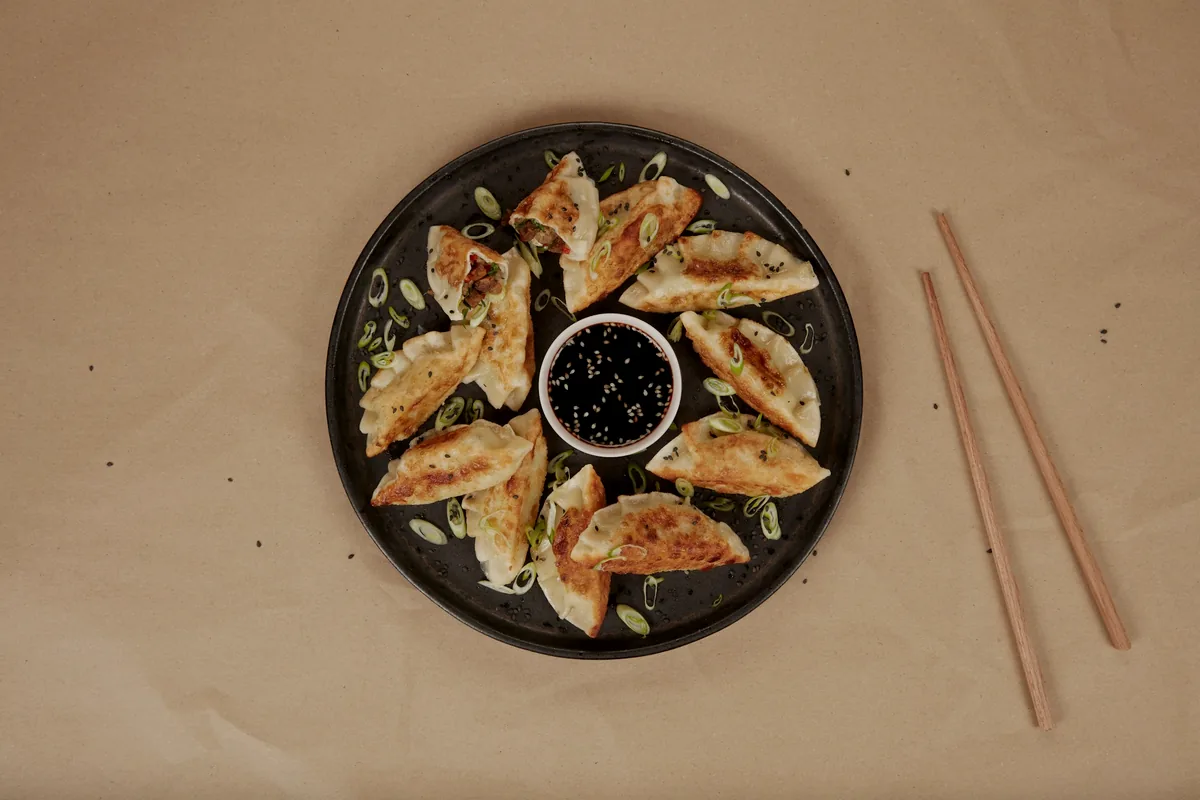
Ours are listed simply as fried pork potstickers, six to an order, and served with a dipping sauce.
Ordering tip
Six is the right number for two people as one item among several, and not enough for two people who intend to make a meal of them. If gyoza are the thing you actually came for, order two portions and skip an appetiser elsewhere — they are better hot and in quantity than spread thinly across a long meal.
The dipping sauce, and how to use it
The standard mix is soy sauce and rice vinegar, often with a little chilli oil. The vinegar is the important half — gyoza are rich and garlicky, and acidity is what keeps the sixth one as good as the first.
Dip the crisp base rather than submerging the whole dumpling. Soaking it defeats the texture you were served, which is the same argument that applies to soy sauce on sushi.
And eat them in the order they arrive. A gyoza that has sat for ten minutes has lost its crisp base to its own steam, which is unavoidable and is why they come out of the kitchen quickly.
Why they suit almost any order
- They are hot. On a table of cool sushi, something hot changes the meal.
- They are mild. Nothing about them is challenging, which makes them the safe order for a mixed table.
- They are finger food. Chopsticks work, fingers work, and nothing needs cutting.
- They travel reasonably. The base softens, but they hold up better than tempura does.
- They arrive fast. A pan of gyoza takes minutes, so they fill the gap before the sushi bar finishes.
That last point is the practical one. If a table is hungry and waiting, gyoza and edamame together are the two things that arrive soonest — more on the rest of the list in what to start with.
Frequently asked questions
Are gyoza and potstickers the same thing?
Effectively yes. Potsticker is an English name for a dumpling fried and then steamed in the same pan, which is exactly how gyoza are cooked.
Why is only one side crisp?
Because only one side touches the oil. Water is added after the base has browned and the lid traps steam, which cooks everything above the oil line.
What is the difference between gyoza and jiaozi?
Gyoza are a Japanese adaptation with a thinner wrapper, a finer filling and usually more garlic. Jiaozi are the Chinese original and tend to be sturdier.
Do gyoza contain wheat?
The wrapper is a wheat dough, and the dipping sauce is usually soy-based. If you are avoiding wheat, ask about the specific dish — the wider picture is in allergens on a Japanese menu.
Should I order gyoza for takeout?
They travel better than tempura and worse than a cut roll. The base softens on the way, but the dumpling is still good.
The short version
Fried on one side, steamed on the rest, in a single pan. The pleats exist so the dumpling has a flat base to brown. Dip the crisp side, eat them hot, and order two portions if they are the reason you came.
They are on the appetizer list, six to an order.