The short answer
Made fromsoybeans, wheat, salt, time
Used forthe fish, not the rice
It is a brewed, fermented product rather than a seasoning liquid, and the amount most people use at a sushi bar is several times what the food was built for.
The most-used and least-considered thing on a Japanese table. Worth ten minutes, because understanding what it is changes how much of it you pour.
01 — What it isA fermented food, not a flavouring
Traditional Japanese soy sauce — shoyu — is made from four things: soybeans, roasted wheat, salt and water, inoculated with a mould culture called koji and left to ferment in brine for months.
During that time, enzymes break the soy protein down into amino acids, including glutamates. That is where the savoury depth comes from. The saltiness is obvious; the umami underneath it is the part that took the months.
The wheat matters more than people expect. It is not a filler — it ferments into sugars and alcohols that give Japanese soy sauce its sweeter, more aromatic character. Chinese soy sauces generally use less wheat or none, which is why they taste saltier and less rounded.

Brewed versus made
There is a real quality distinction hiding on supermarket shelves.
Naturally brewed soy sauce goes through the fermentation described above and takes months. Chemically produced soy sauce — sometimes labelled hydrolysed vegetable protein — breaks soy protein down with acid in a matter of days and then adds colour, salt and flavourings.
Both are sold as soy sauce. The brewed version has an aroma and a length that the fast version does not, and the difference is obvious side by side. If a label says naturally brewed, that is worth something.

Five kinds, and which you have met
| Type | What it is | Where you meet it |
|---|---|---|
| Koikuchi | Standard dark shoyu, roughly equal soy and wheat | The default almost everywhere |
| Usukuchi | Lighter in colour, and saltier | Used where colour would spoil a dish |
| Tamari | Little or no wheat, thicker and darker | A by-product of miso making |
| Saishikomi | Brewed twice, using soy sauce in place of brine | Rare, intense, usually for dipping |
| Shiro | Mostly wheat, very pale | Specialist, seldom seen outside Japan |
Almost every bottle on a Western table is koikuchi. Usukuchi being saltier is the counterintuitive one — lighter colour does not mean lighter seasoning, and using it as a straight substitute over-salts a dish.
Please ask rather than assume
Tamari is often described as the wheat-free soy sauce, and many tamari products do contain little or no wheat — but not all, and formulations vary between producers. If you need to avoid wheat or gluten, treat that as a question for the restaurant and for the label rather than a rule. Our wider guide is in allergens on a Japanese menu.
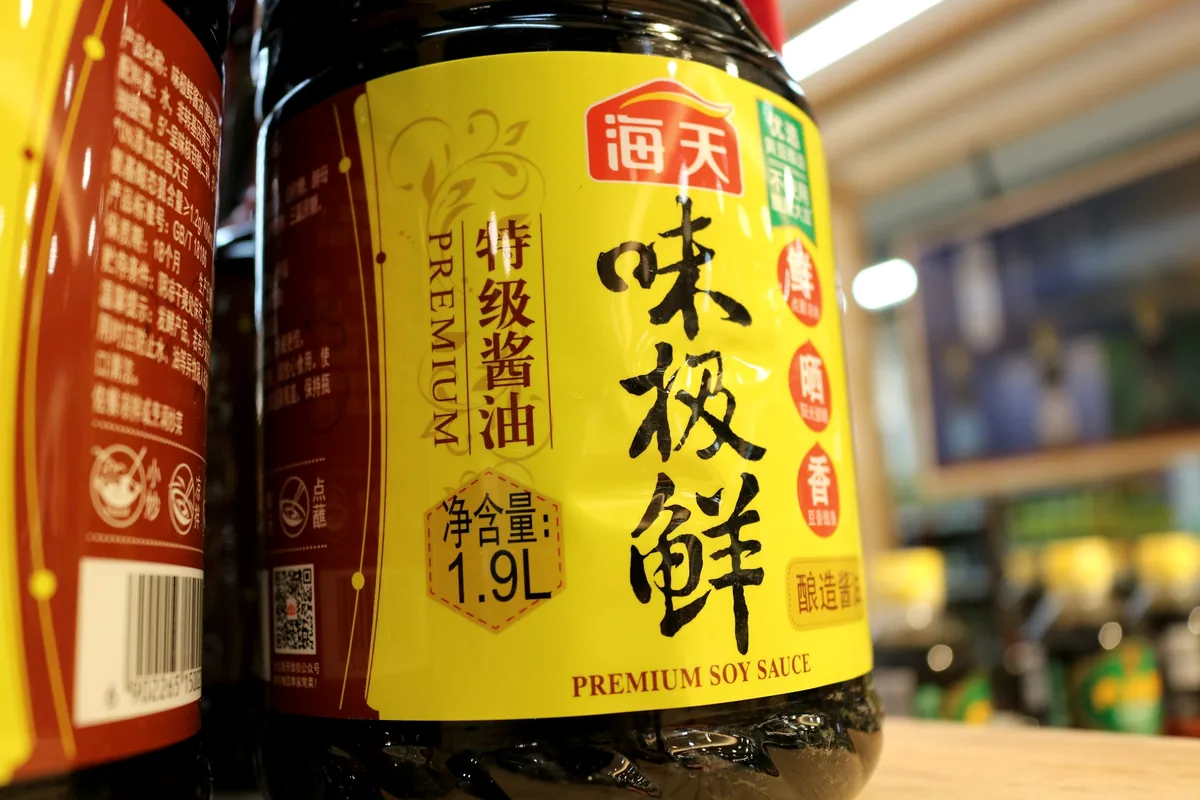
You are using several times too much
Sushi rice is already seasoned with vinegar, sugar and salt. Fish is already seasoned. A specialty roll arrives sauced. Soy sauce is an addition to food that has been balanced without it.
The intended dose is a touch, not a soak. Pour a small amount into the dish — less than covers the bottom — and top it up if you genuinely need to. A full dish of soy sauce is an invitation to use a full dish of soy sauce.
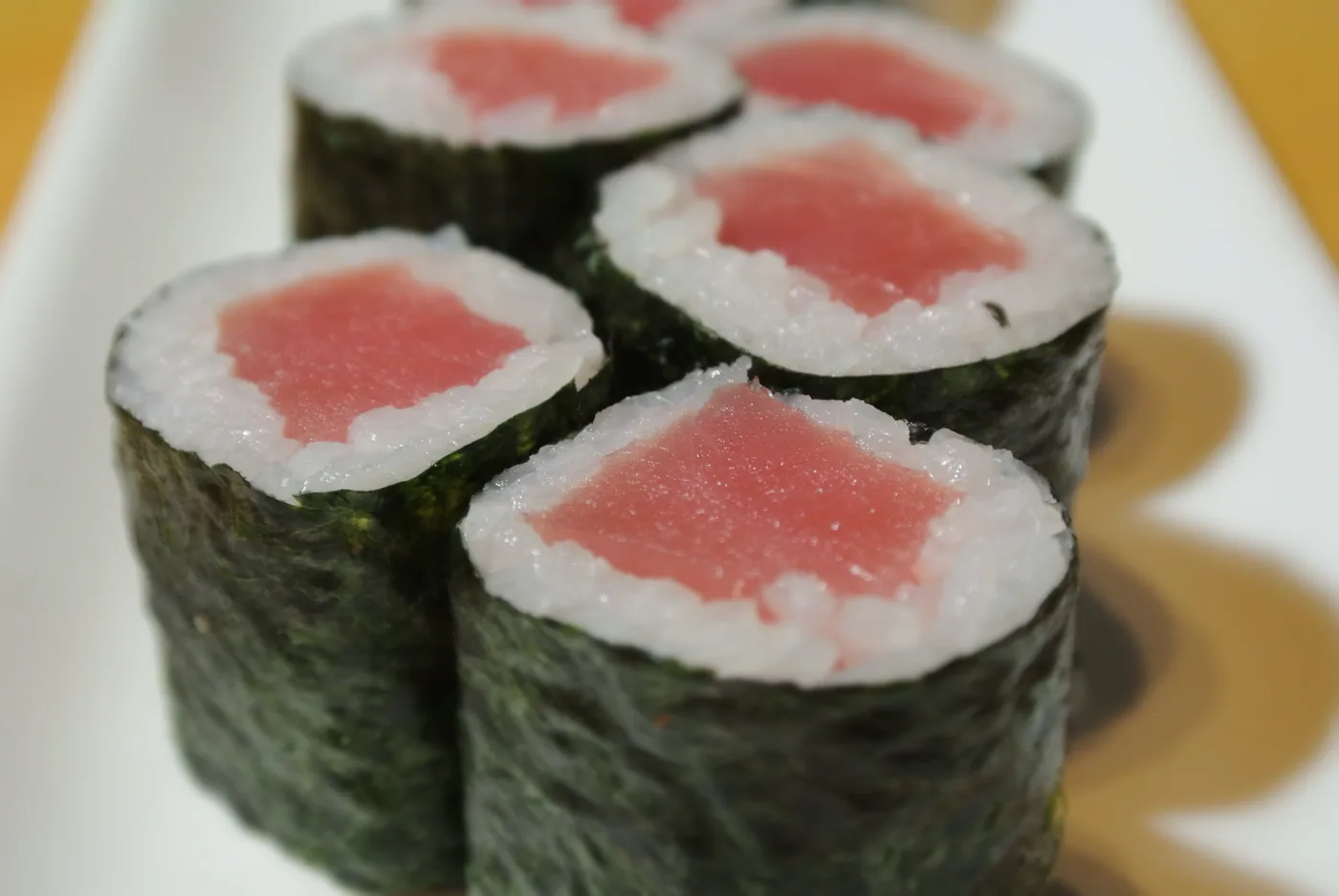
And it goes on the fish, not the rice. Turning a piece of nigiri over to touch the fish to the sauce keeps the piece intact and stops the rice acting as a sponge. That is covered alongside the other table habits in how to use chopsticks.

When not to use it at all
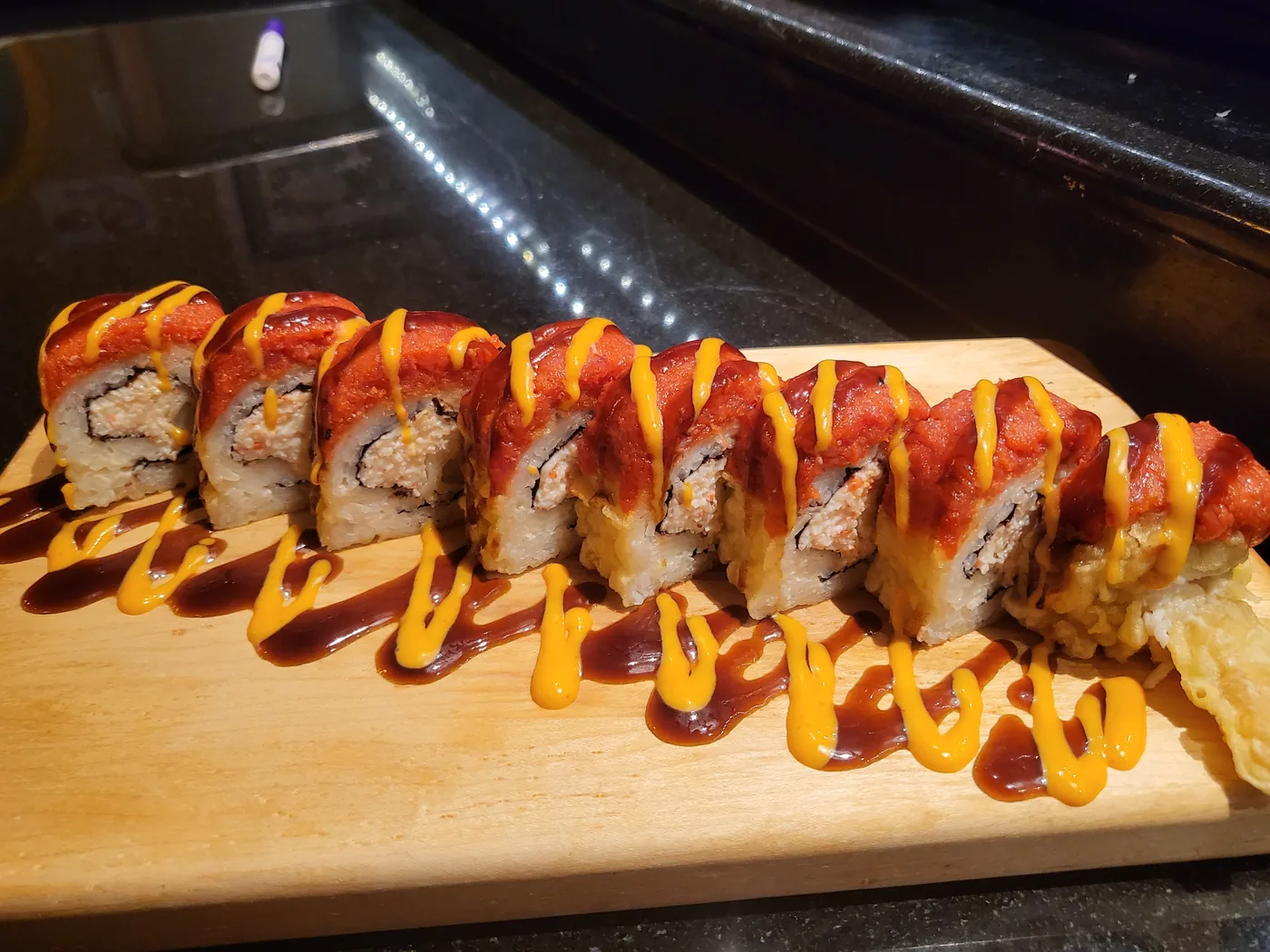
- On a sauced specialty roll. It already has eel sauce or spicy mayo on it. A third seasoning flattens the whole thing.
- On eel. The glaze is a reduced soy sauce already. Adding more is salt on salt.
- On anything the chef has brushed. If it arrives shining, it has been seasoned deliberately.
- On rice. Plain steamed rice with soy poured over it is a habit from elsewhere; in Japanese cooking the rice is the neutral element on purpose.
- In the wasabi. Mixing the two makes a slurry and wastes most of the wasabi’s aroma, as set out in the wasabi guide.
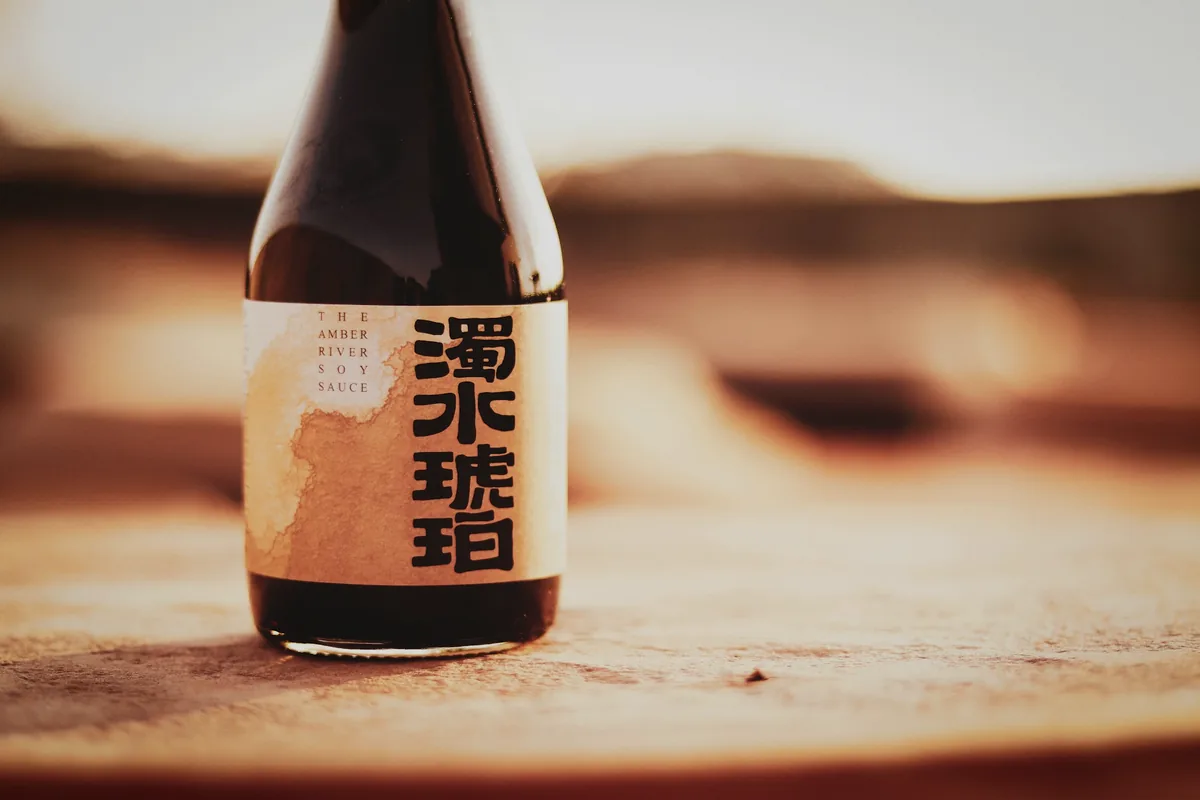
Low sodium, and what it actually changes
Reduced-sodium soy sauce is made the ordinary way and then has some of its salt removed afterwards, rather than being brewed with less. That matters, because salt is part of what preserves it and part of what balances the fermentation.
The result keeps most of the aroma and loses some of the backbone, which is why it can taste slightly hollow used straight from the bottle. It also does not keep as well once opened, for the same reason it is less salty.
Worth knowing: using less of the standard product achieves the same reduction with none of the trade-off. If sodium is a medical concern rather than a preference, that is a conversation for a doctor rather than a label — we do not publish nutrition figures and cannot advise on it.
Keeping it at home
Soy sauce does not spoil in the way perishable food does — the salt sees to that — but it does oxidise. An opened bottle left in a warm cupboard loses aroma over a few months and goes flatter and harsher.
Refrigerating an opened bottle slows that down considerably, which is why some Japanese brands say so on the label. If your soy sauce tastes only of salt, it may simply be old.
Buy a smaller bottle of something naturally brewed rather than a large bottle of something cheap. It is one of the few upgrades in a kitchen that costs very little and shows up immediately.
Frequently asked questions
What is soy sauce made of?
Traditionally soybeans, roasted wheat, salt and water, fermented with a koji culture over months. Some products are made much faster by chemical hydrolysis instead.
Is tamari the same as soy sauce?
It is a type of soy sauce, brewed with little or no wheat and originating as a by-product of miso making. It is thicker and less sharp than standard shoyu.
Why is light soy sauce saltier?
Usukuchi is brewed to stay pale so it does not colour delicate dishes, and more salt is part of how that is achieved. Colour and strength are not the same axis.
Should soy sauce be refrigerated?
It will not spoil at room temperature, but it oxidises and loses aroma. Refrigerating an opened bottle keeps it tasting fresher for longer.
How much should I use with sushi?
Far less than most people pour. A touch on the fish rather than a soak, and none at all on anything that arrives already sauced.
The short version
Soybeans, wheat, salt and months. Koikuchi is the one you know, tamari is the low-wheat one, and lighter colour means saltier rather than milder. Use a fraction of what you currently do, put it on the fish, and skip it entirely on anything glazed.
The rest of the table is in eel sauce, spicy mayo and ponzu.