The short answer
Squidika — calamari is the same animal
Octopustako — always cooked before serving
Both are famously chewy, and both have a cooking rule that decides whether they are tender or rubber.
Calamari and octopus are the two items people order the most cautiously and understand the least. They are also the pair where the cooking makes almost all of the difference.
01 — Two different animalsSquid is ika, octopus is tako
They get lumped together and they are not the same thing.
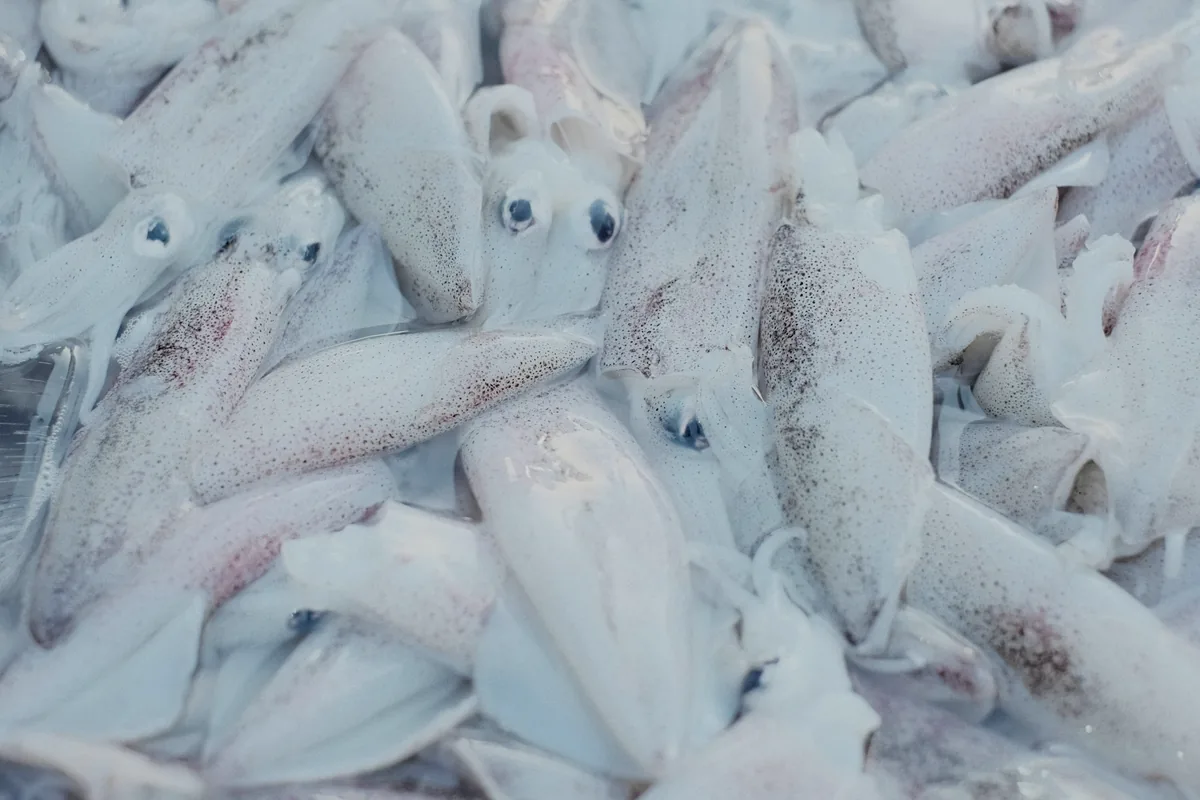
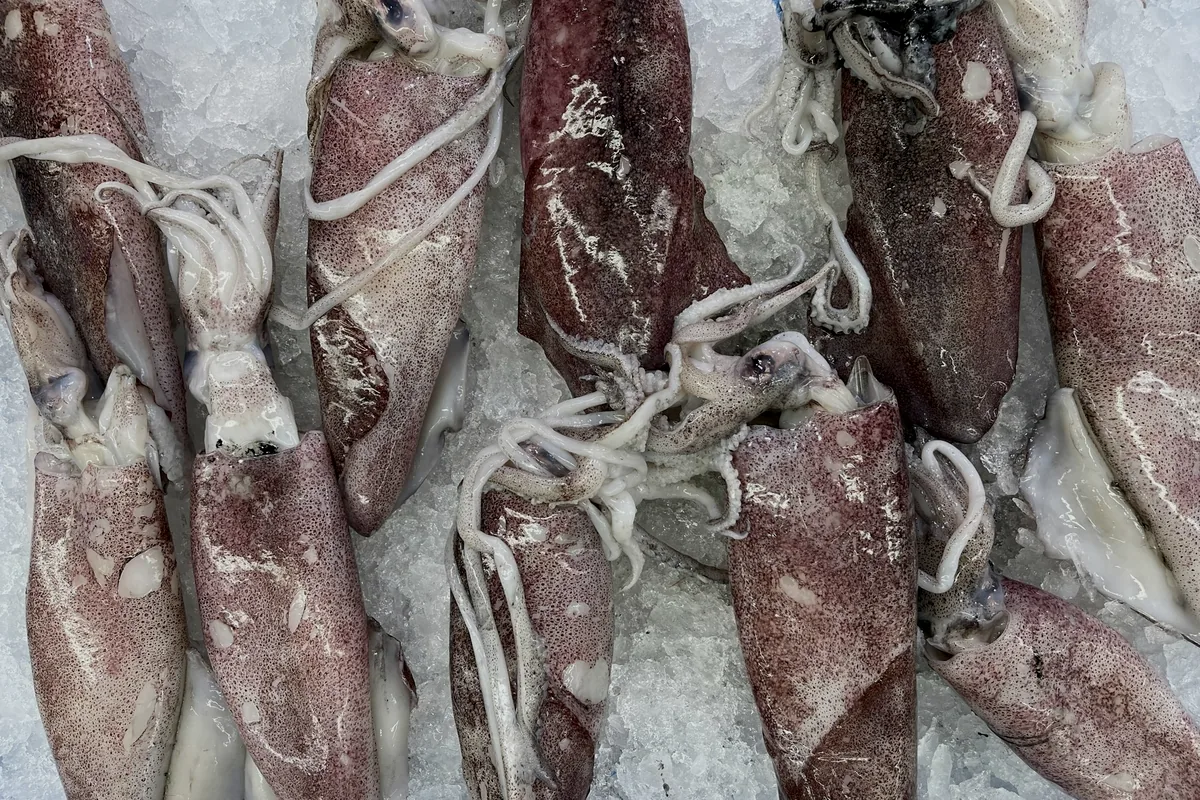
Squid has a long torpedo-shaped body, ten arms, and a firm, pale, almost neutral flesh. On a Japanese menu it is ika. On a Western menu, cut into rings and fried, it is calamari — the same animal under an Italian name.
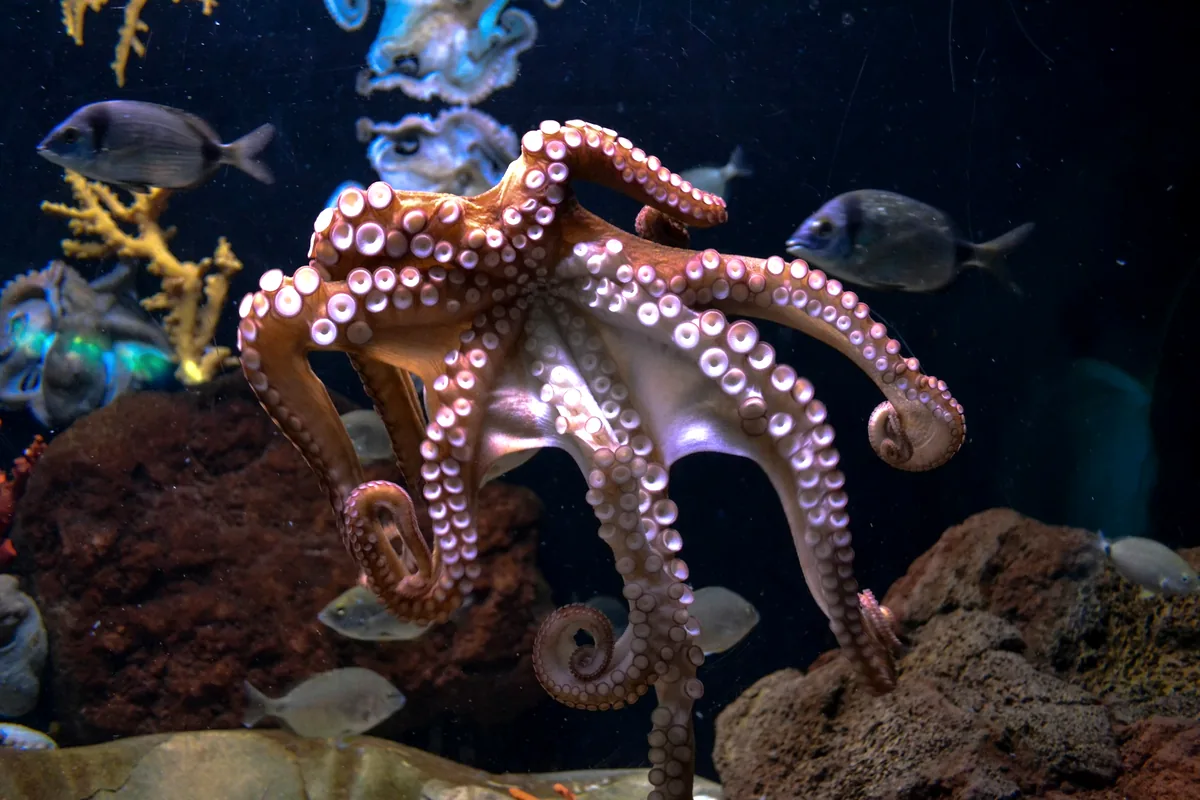
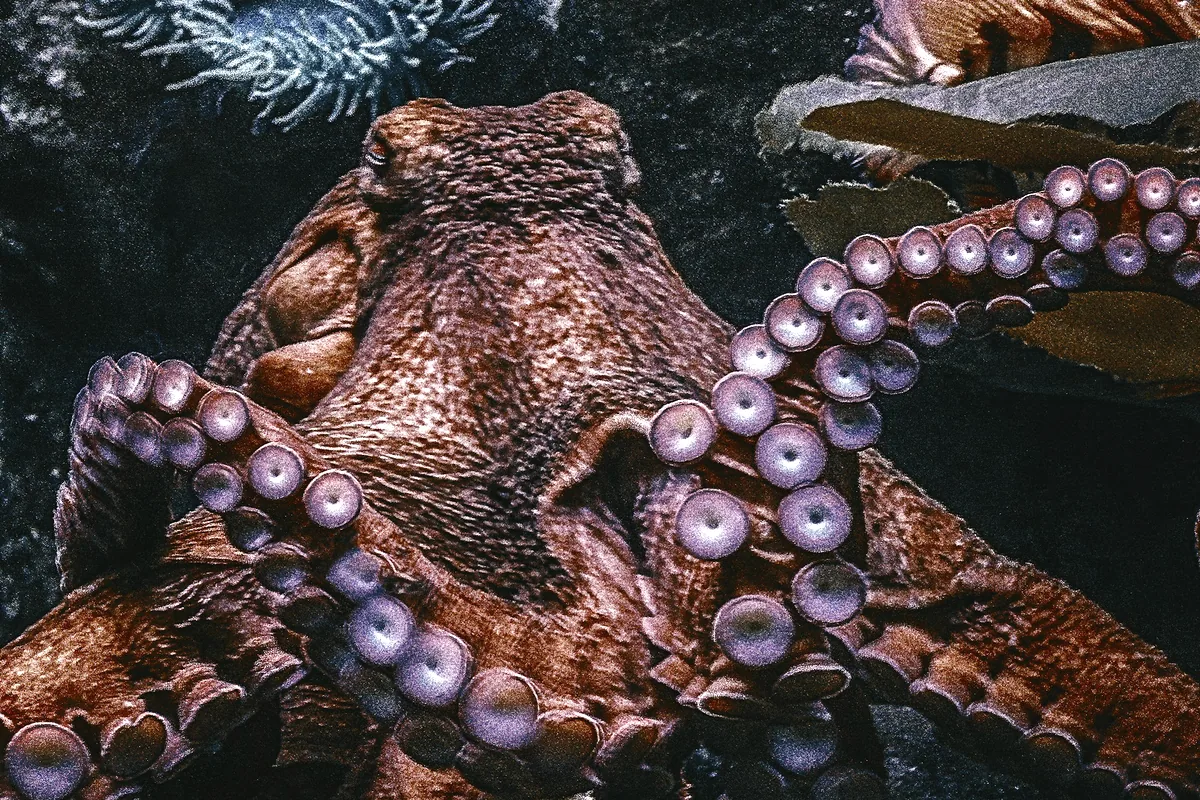
Octopus has a round head, eight arms and no internal shell at all. It is tako. The flesh is denser, faintly sweet, and a completely different texture — springy where squid is snappy.
If you have decided you dislike one of them, it is worth checking which one you actually tried.
| Squid (ika) | Octopus (tako) | |
|---|---|---|
| Body | Long, tapered, ten arms | Round head, eight arms |
| Flesh | Pale, firm, neutral | Denser, faintly sweet |
| Texture | Snappy | Springy |
| Usually | Fried, grilled, or raw | Cooked before it reaches you |
Two minutes or two hours, nothing in between
This is the single most useful thing to know about both animals, and it explains every bad calamari you have ever had.
Cephalopod muscle is packed with collagen. Heat makes that collagen contract, which squeezes water out and tightens the flesh — so a few minutes in is where it goes from tender to rubber. Keep going, and given long enough the collagen breaks down into gelatin and the flesh turns tender again.
So there are two windows that work:
- Very fast. Under a couple of minutes in hot oil or on a hot grill — out before the collagen fully seizes.
- Very slow. A long simmer, until the collagen has converted and the flesh is soft again.
Everything between those two is the rubbery zone. Fried calamari lives in the first window, which is why the oil has to be properly hot and the rings have to come out fast. It is the same logic as any other deep-fried item, only with far less margin for error.
Good to know
Because the fast window is so narrow, fried calamari is best eaten as soon as it lands. It is not a good candidate for a takeout order that has to travel — steam trapped in a container softens the coating and the rings keep cooking in their own heat. See what travels well if you are ordering to go.
Why octopus is never served raw
Walk along a sushi counter and the tako will be a piece of pale flesh with a distinctive purple-red rim, sliced in a gentle wave. That colour and that firmness both come from cooking.
Octopus is simmered before it is ever portioned. Raw octopus is dense to the point of being genuinely difficult to eat, and simmering is what converts it into something with a pleasant spring. So unlike tuna or salmon, tako on a sushi menu is a cooked item — it belongs with the shrimp and the eel rather than with the raw fish.
That matters if you are ordering for someone who is avoiding raw fish. There is a fuller list in sushi without raw fish.
How to find them on a menu
Both hide behind several different names, which is part of why people miss them.
- Calamari — squid, almost always battered and fried, usually in the appetiser section.
- Ika — squid at a sushi counter, often raw and scored with fine cuts to break up the texture.
- Tako — cooked octopus, sliced thin.
- Takoyaki — tako plus yaki, grilled. Batter balls with a piece of octopus in the centre; more on them in the takoyaki guide.
- Seafood in a dish name — often includes calamari alongside other shellfish. Check the description rather than assuming.
The last one catches people out most. A dish labelled simply “seafood” can contain any combination, so if there is something you are avoiding, read the line under the name.
What we serve
On our menu, squid shows up in three places and octopus in one.
- Calamari Tempura — six pieces, in the appetiser section. Squid in a tempura coating.
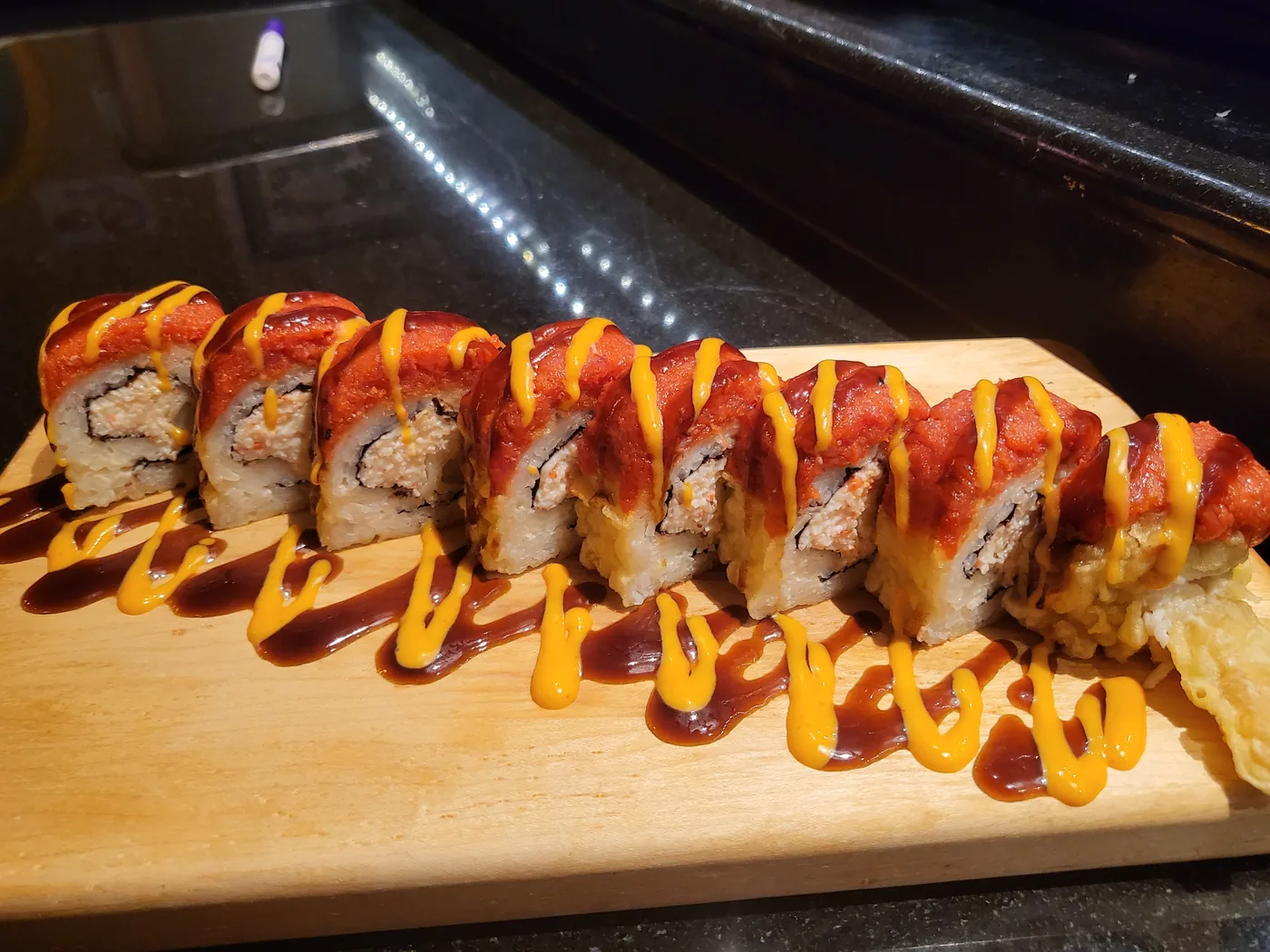
- Calamari Tempura roll — five pieces, described on the menu as squid tempura with crab and crunch. Contains egg.
- Seafood Yakisoba / Udon — the menu lists calamari, scallop, shrimp and mussels with cabbage, broccoli, carrots and bean sprouts, in a Worcestershire sauce, with your choice of yakisoba or udon noodles.
- Takoyaki — battered octopus over egg tartar, topped with mayo, okonomiyaki sauce and green onion.
Note that all four are cooked dishes. If you were hoping for raw ika at the counter, ask what is available that day rather than assuming.
Allergies
Squid and octopus are molluscs. A shellfish allergy may cover crustaceans (shrimp, crab), molluscs, or both, and the two groups are separate. The seafood noodle dishes also contain shrimp and mussels, and the tempura items involve a shared fryer. Please tell your server about any allergy before ordering so we can check the specific dish — do not rely on the dish name. More on allergens here.
If you have never liked calamari
The most common reason is that you have only had it badly cooked. Calamari that has sat under a lamp, or been fried in oil that was not hot enough, lands squarely in the rubber zone and there is no recovering it.
Two things help. Eat it immediately — it deteriorates faster than almost anything else fried. And try it as tempura rather than in a heavy breadcrumb batter; a lighter coating cooks through faster, which means less time for the squid inside to tighten.
If you have never liked octopus, that one is more genuinely a texture preference. It is springy by nature, and no amount of good cooking removes that — it just makes it pleasant instead of tough.
Frequently asked questions
Is calamari squid or octopus?
Squid. Calamari is simply the Italian word for it, and it stuck to the fried version.
Why is calamari sometimes rubbery?
It was cooked in the middle window. Squid needs either a very fast sear or a very long simmer; anything between the two tightens the flesh.
Is octopus raw at a sushi restaurant?
No. Octopus is simmered before it is sliced, which is where the firm texture and the purple rim come from.
Does a shellfish allergy include squid?
Squid and octopus are molluscs, which is a different group from crustaceans like shrimp and crab. Some people react to one group and not the other. Tell your server about the specific allergy rather than working from the dish name.
What does takoyaki have inside it?
A piece of octopus in a savoury batter ball. Our version is battered octopus over egg tartar with mayo, okonomiyaki sauce and green onion.
The short version
Squid is ika and calamari is the fried version of it. Octopus is tako, and it is always cooked before it reaches the plate. Both are collagen-heavy, so both want either seconds or hours of heat and nothing in between — which is the whole explanation for tender calamari versus rubbery calamari.
Eat the fried version the moment it arrives, and if you are avoiding raw fish, tako sits firmly on the cooked side of the menu.