The Journal
Sushi & Rolls
Sushi, sashimi, nigiri and specialty rolls explained.
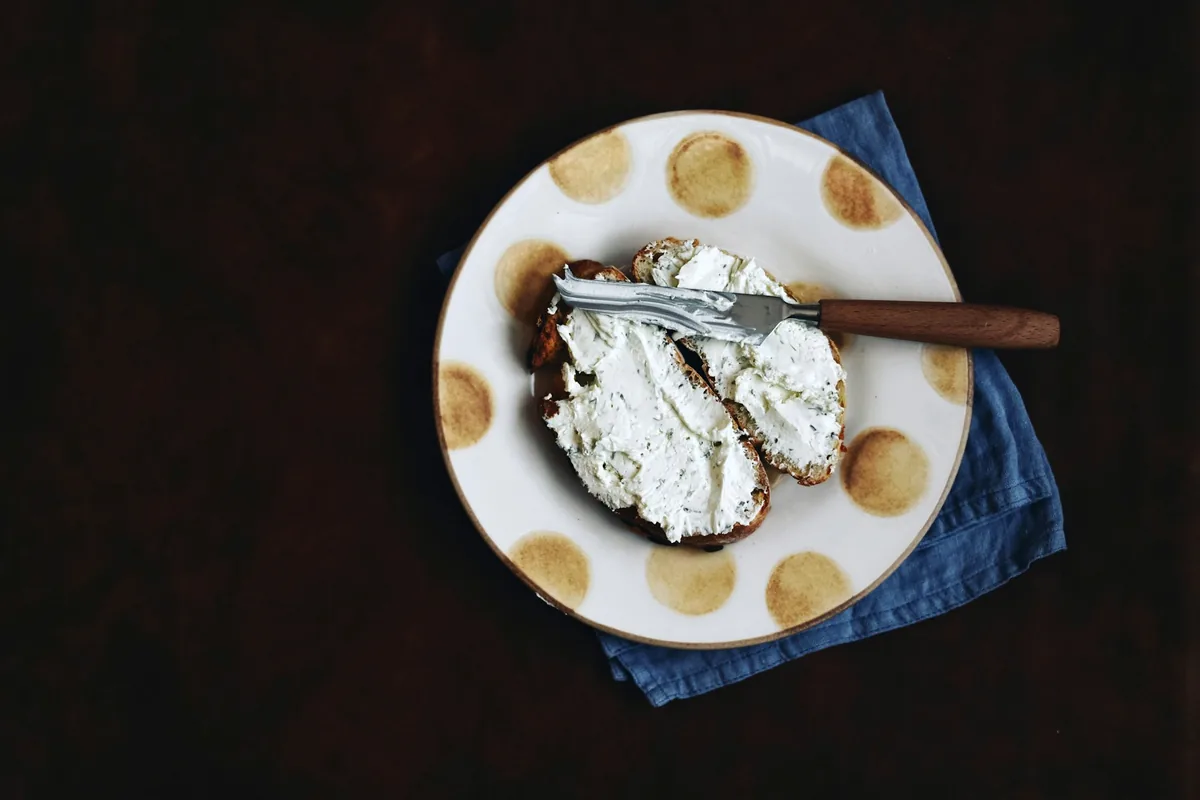
Cream Cheese in Sushi: Why It Is There
An outlier in a cuisine that uses almost no dairy. Where it came from, the three problems it solves, and whether the complaint is fair.
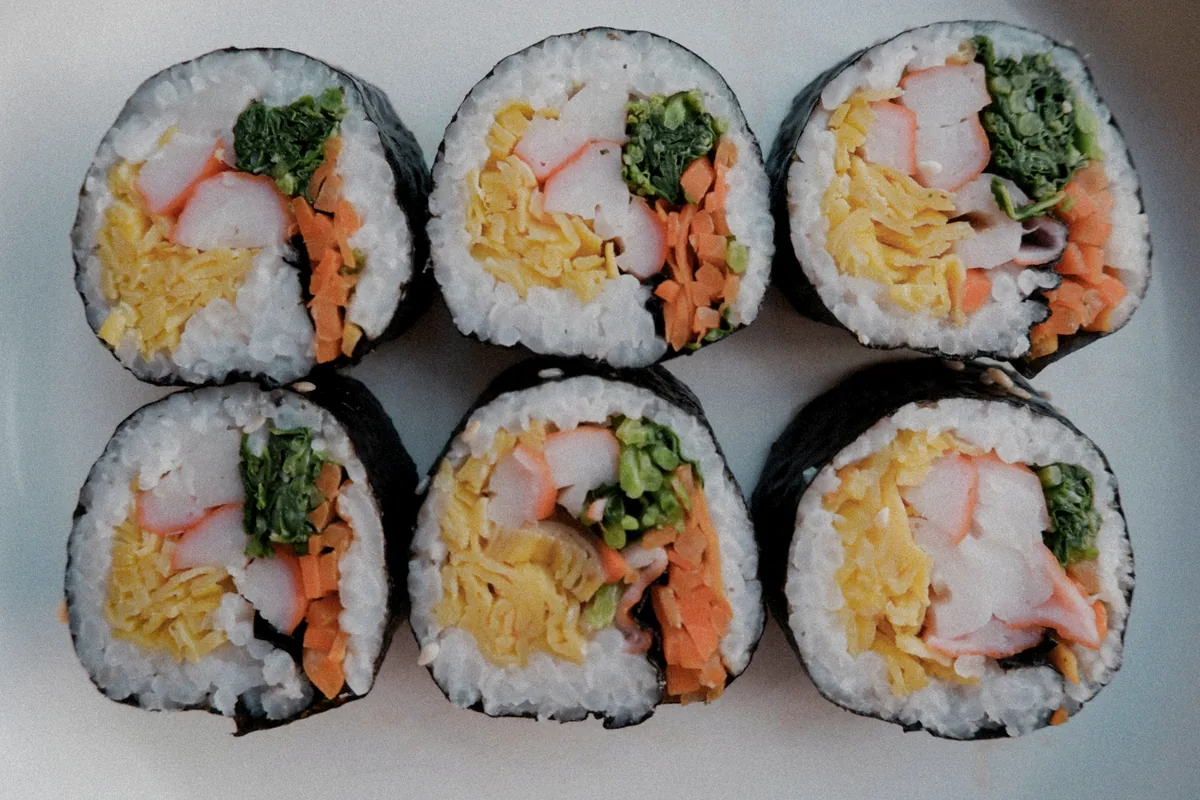
Why Sushi Comes in Six or Eight Pieces
Eight is a cylinder halved three times. Five means no rice. Two means nigiri. Piece counts are geometry, and they tell you what to expect.
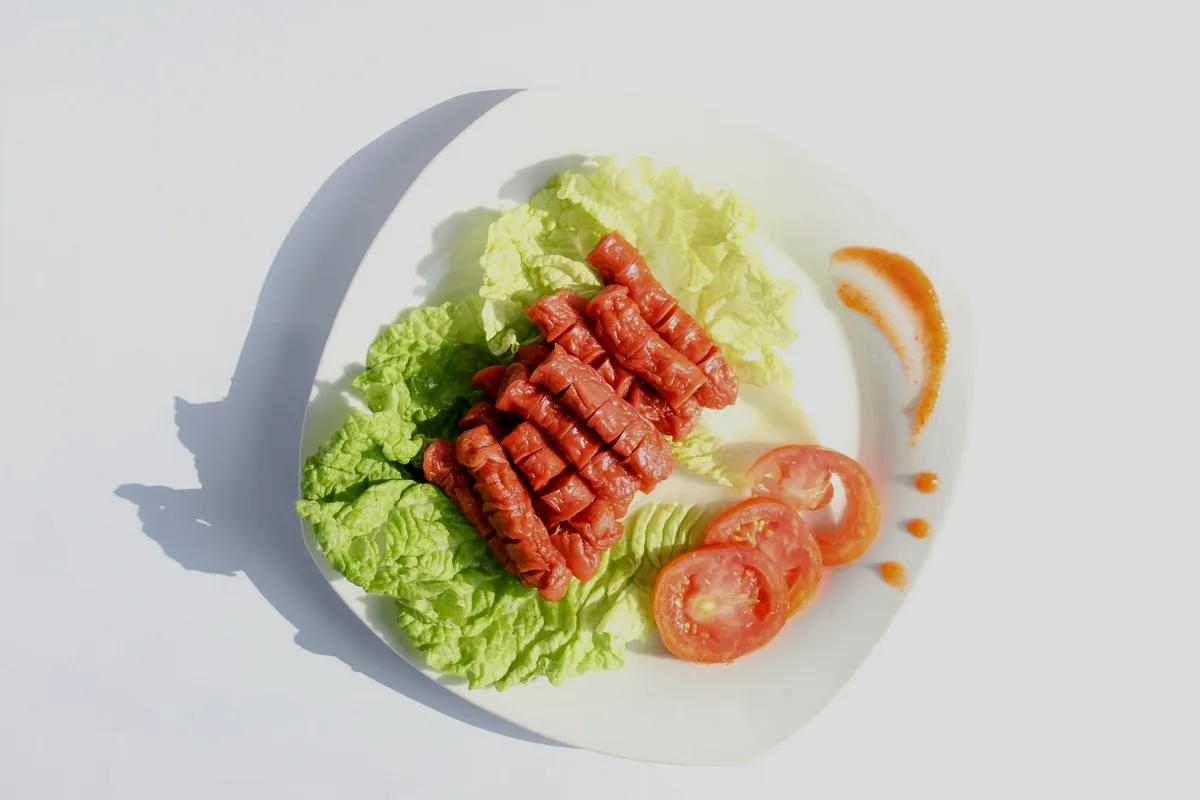
Imitation Crab: What Kanikama Actually Is
Cooked white fish, washed to a paste, bound and painted. Not crab, not vegetarian, and in more rolls than any ingredient but rice.
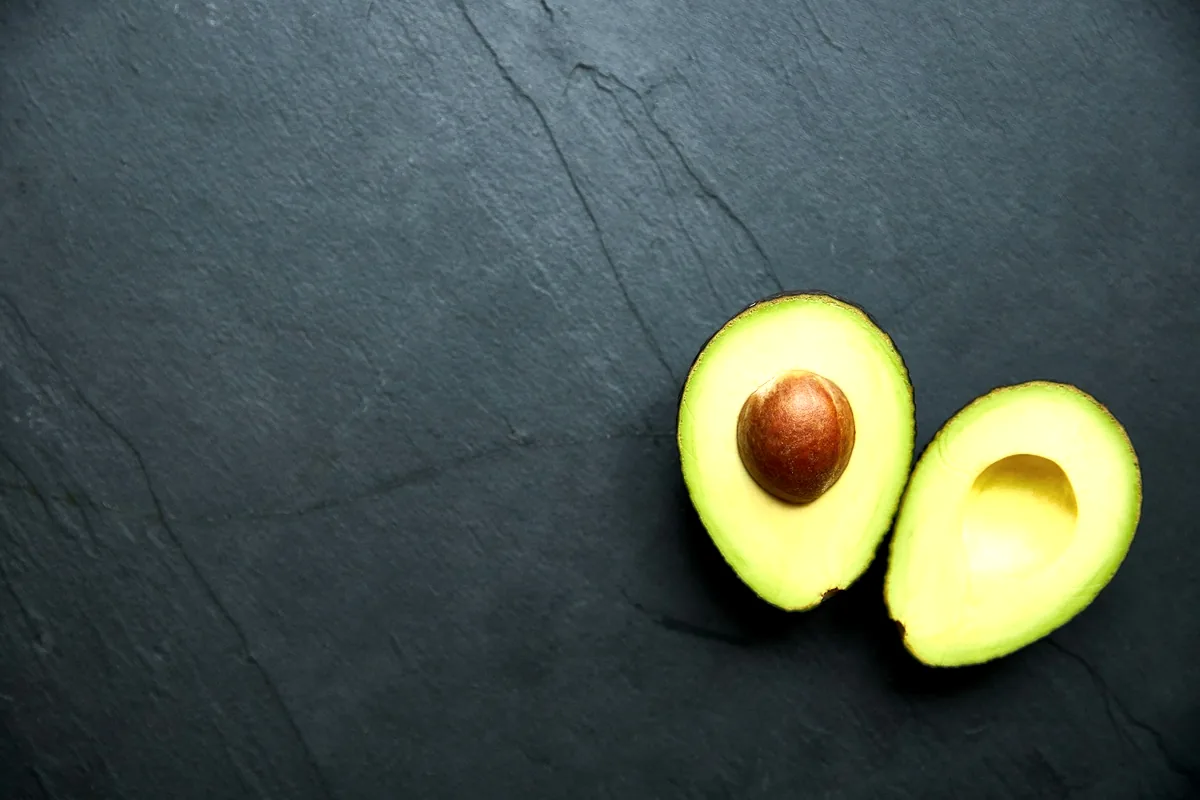
Avocado: The Ingredient That Is Not Japanese
On more rolls than any fish. Where it came from, why fat and vinegared rice work together, and why ripeness is the whole game.
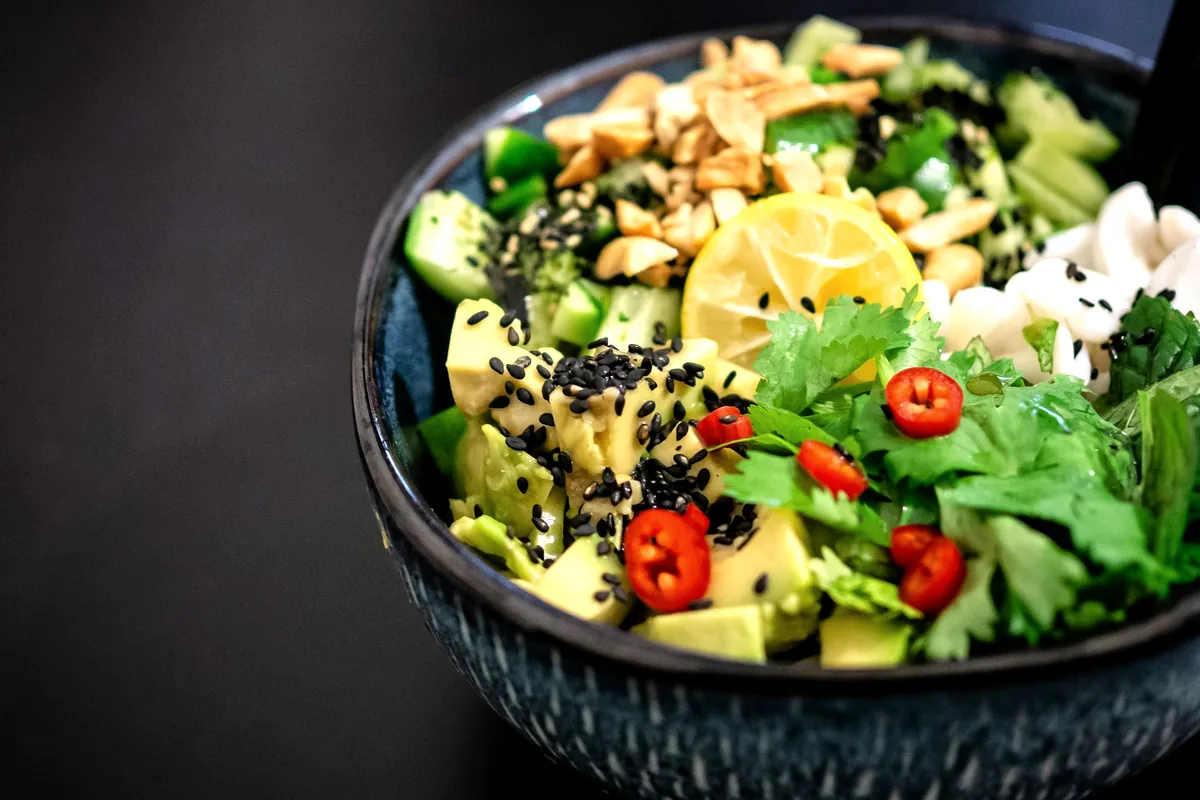
Masago, Sesame and the Small Things on Top
The orange beads, the seeds, the green flecks and the plastic leaf. What each garnish is and the job it is doing.
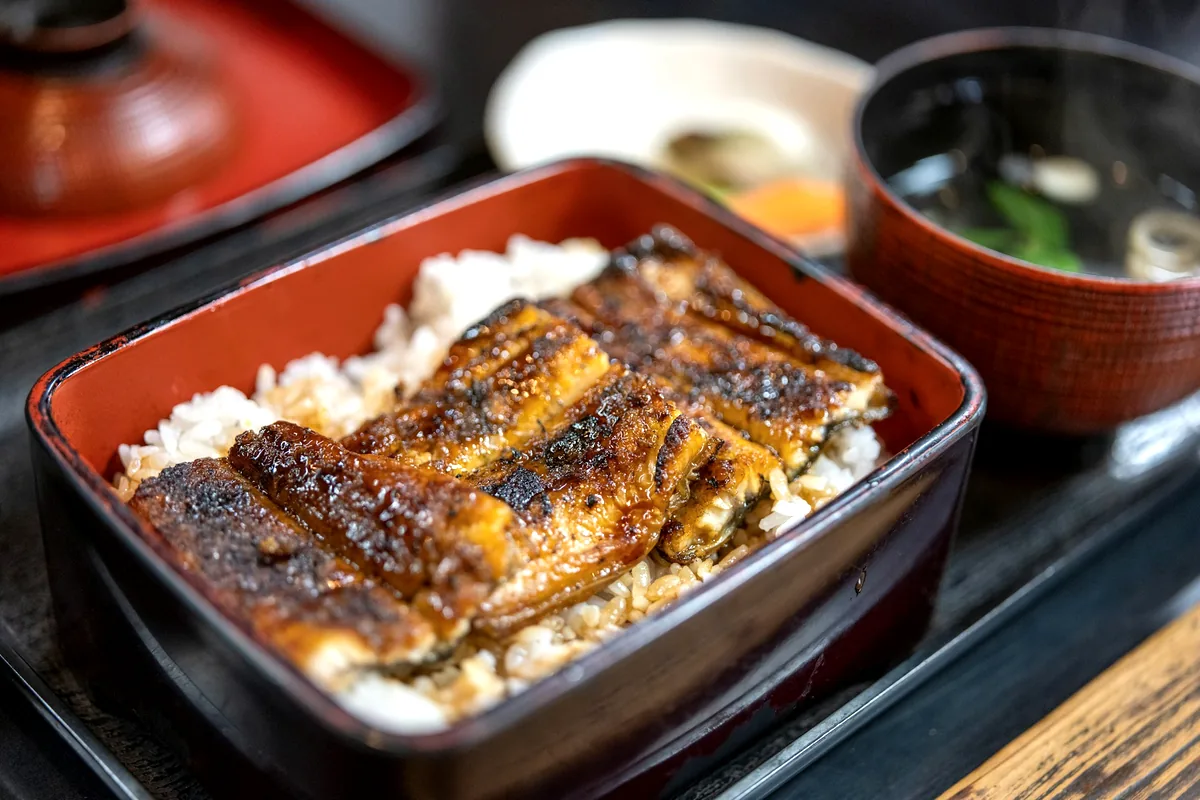
Eel: The One Fish That Is Never Raw
Grilled, glazed and always cooked – for a reason involving its blood. Where it appears, why it pairs with avocado, and the sauce named after it.
Wasabi: Real, Imitation and How to Use It
Most green paste is horseradish, for good practical reasons. Why the heat goes up rather than down, and how much to actually use.
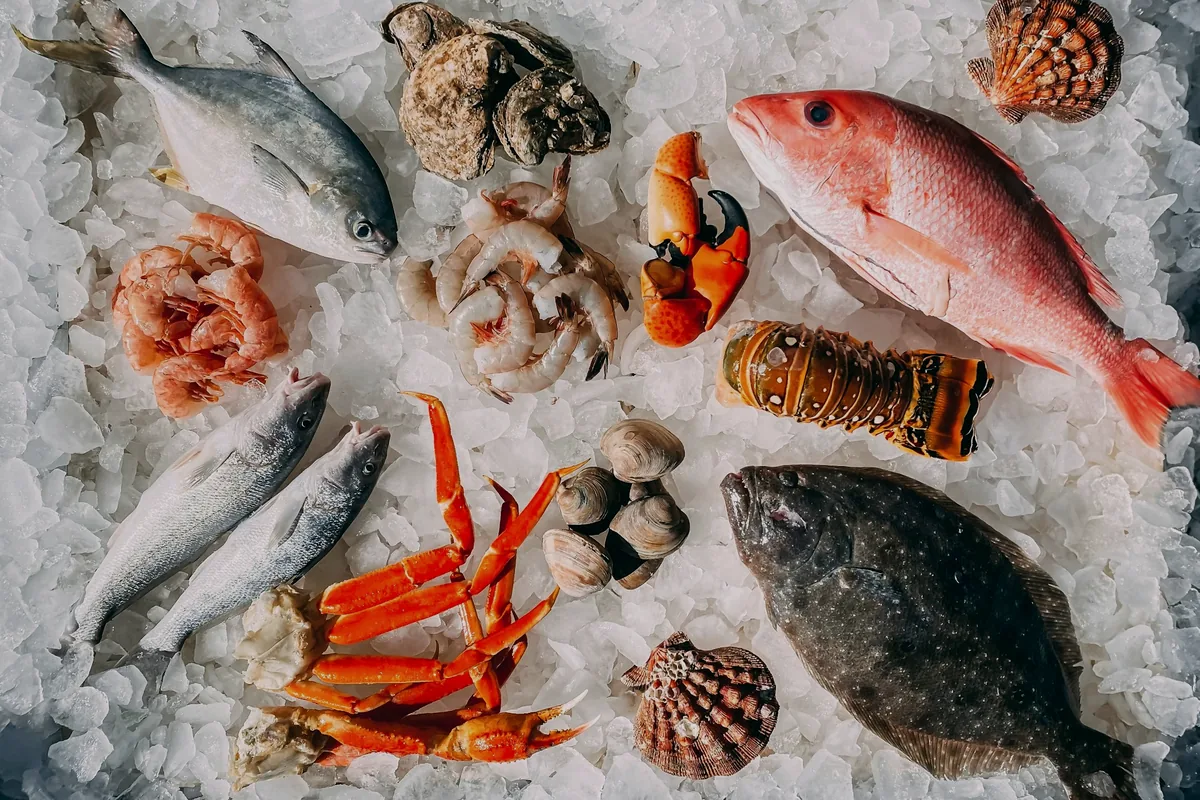
What “Sushi-Grade” Actually Means
There is no agency that grades fish this way. What the term really describes, why freezing is a good sign, and what to ask instead.
Sushi and Japanese Menu Terms: A Glossary
Nearly every unfamiliar word on a Japanese menu is either a shape or a technique. Forty of them, grouped by what they actually tell you.
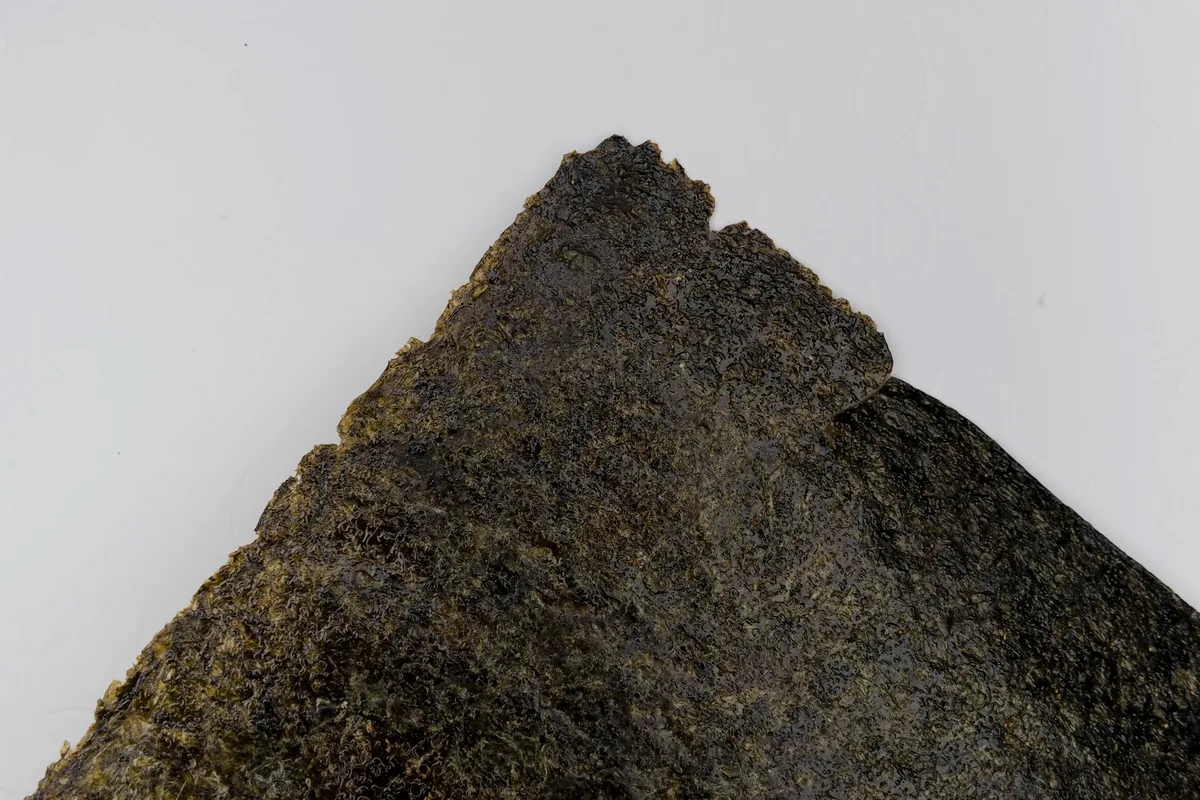
Nori, Soy Paper and What Wraps a Roll
Pressed seaweed or a pale soybean sheet. What nori is, why it goes soft, and the swap to ask for if seaweed is the problem.