The short answer
The choicerolls, or sushi and sashimi
Notbig platter vs small platter
The piece count tells you how much. The platter name tells you what kind of eating it is — and that is the decision people get wrong.
Ordering a platter looks like a quantity problem. It is really a format problem, and the two 64-piece options on our menu are about as different from each other as two orders of the same size can be.
01 — The real divisionRolls or pieces
Every sushi platter falls into one of two families, and the difference decides how your event actually goes.
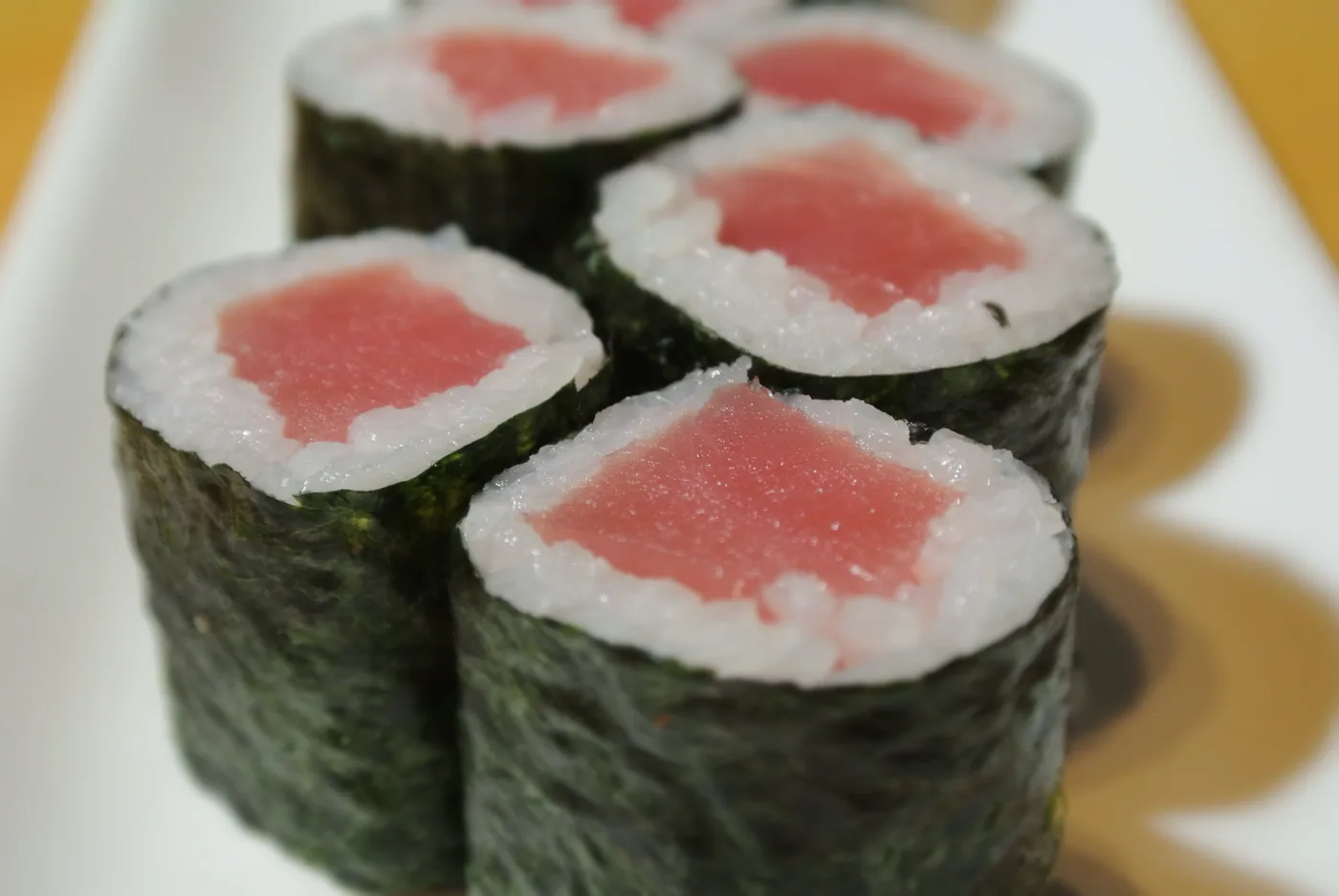
A roll platter is assembled from cut rolls. Everything on it is bite-sized, mostly cooked or mild, holds together when picked up, and survives sitting on a table. It is finger food that happens to be sushi.
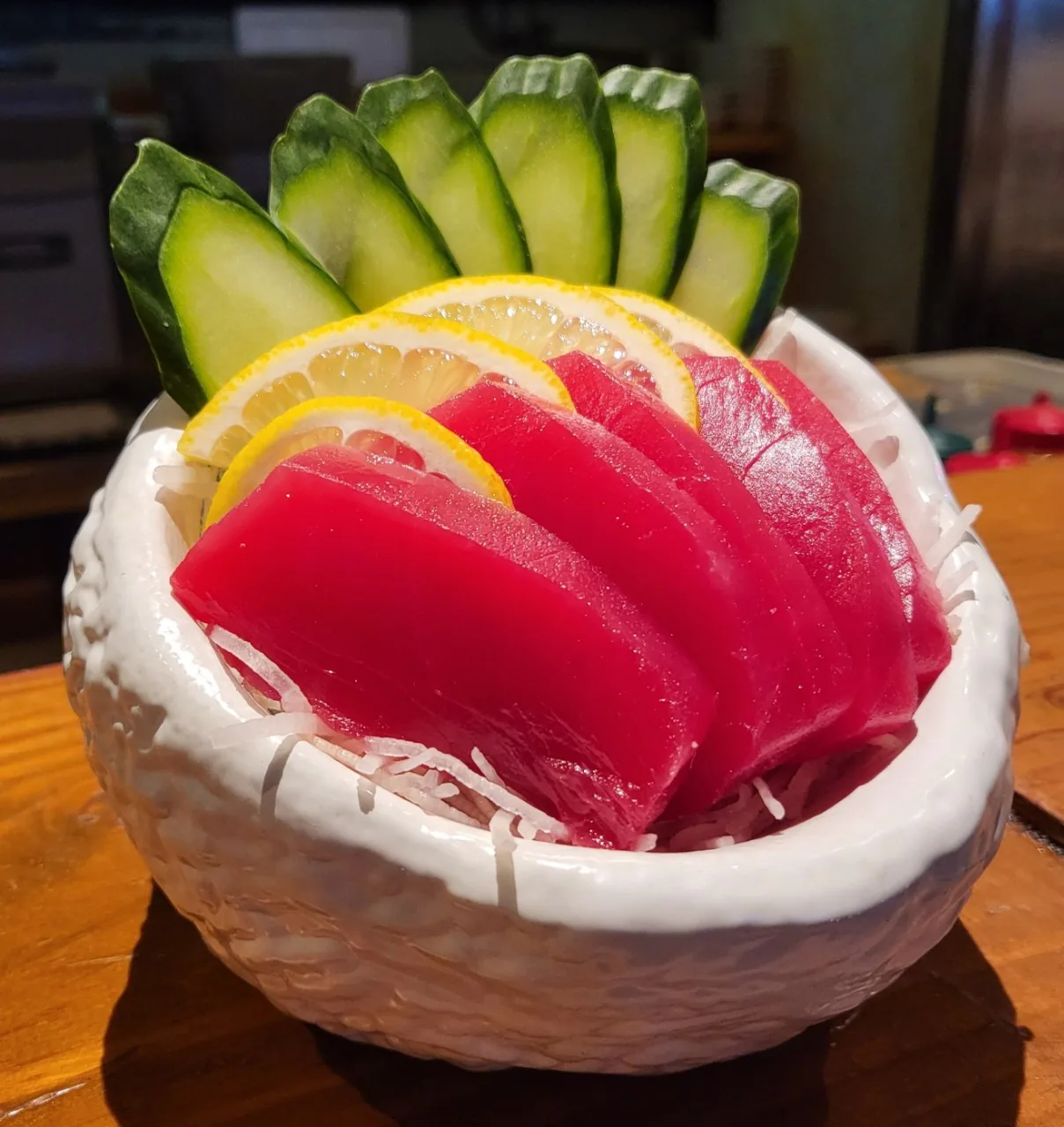
A sushi and sashimi platter is individual pieces — nigiri with fish over rice, and slices of fish with no rice at all. It is better eating and worse logistics: it wants plates, it wants soy sauce, and it does not want to sit out.
So the question is not how many people are coming. It is whether they will be standing up.
What is on each of ours
Our menu lists four platters, and two of them tell you exactly what is inside.
| Platter | Pieces | What the menu lists |
|---|---|---|
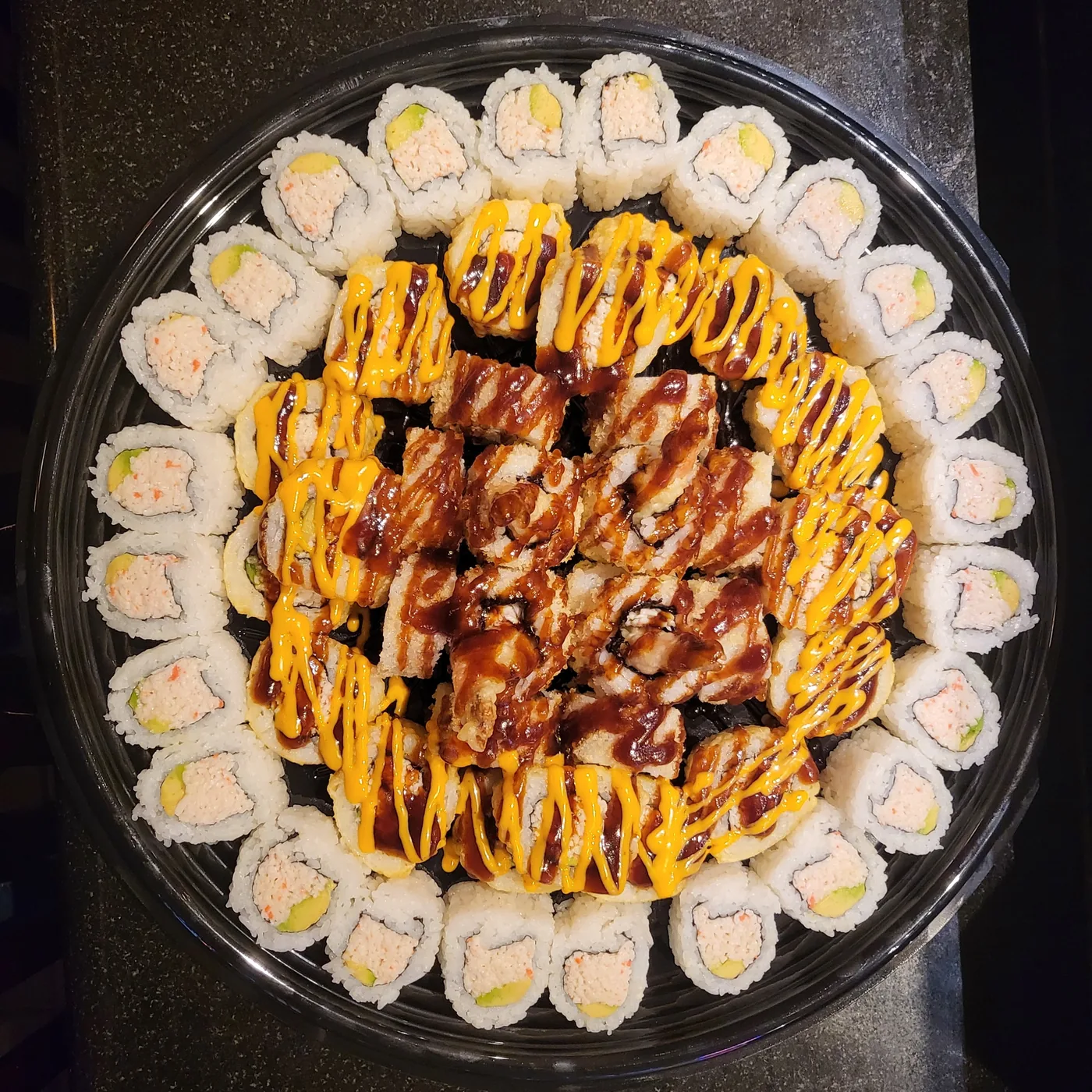
| Kid’s Land | 64 | California, Shrimp, Tempura and Golden California rolls |
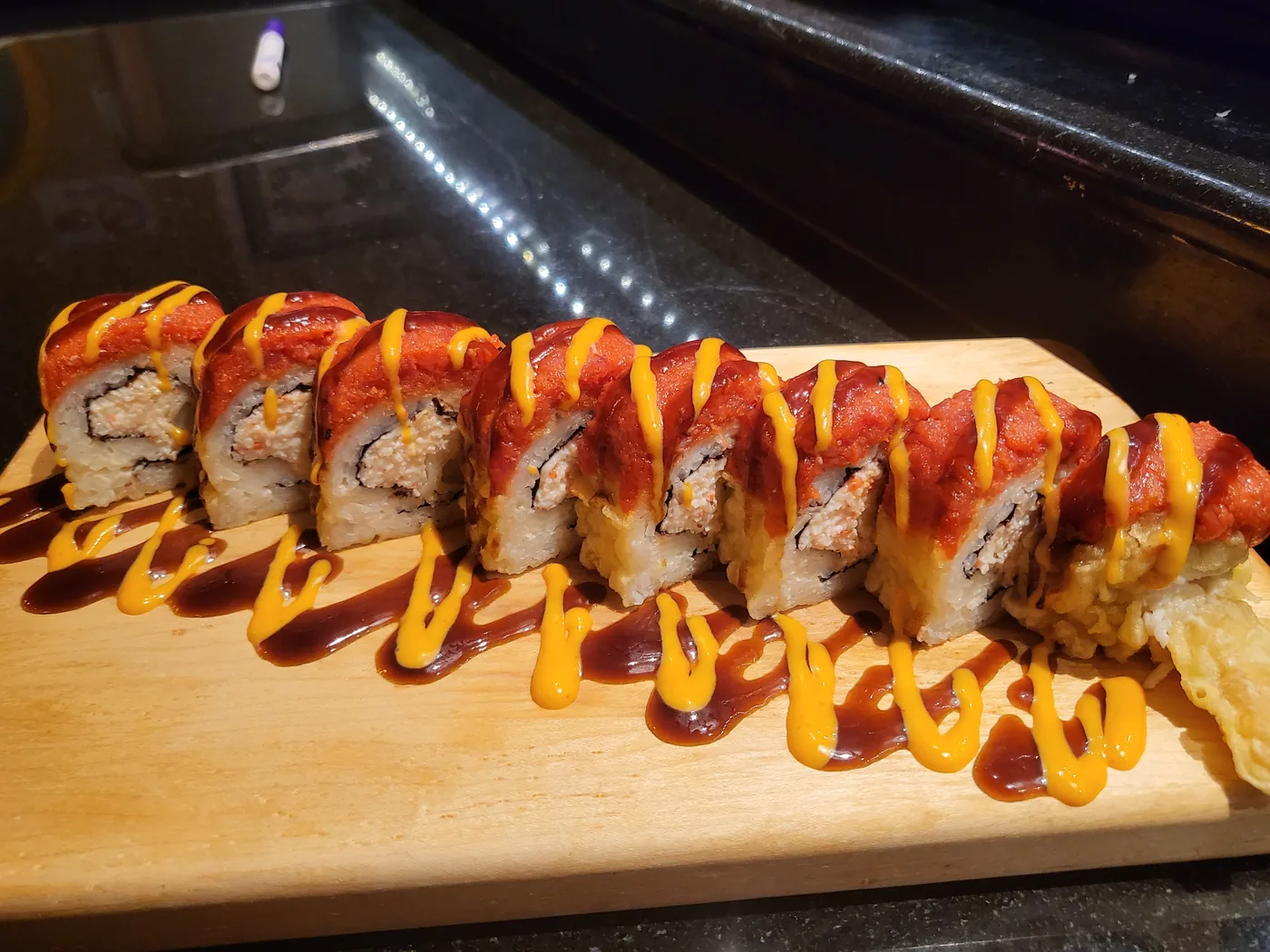
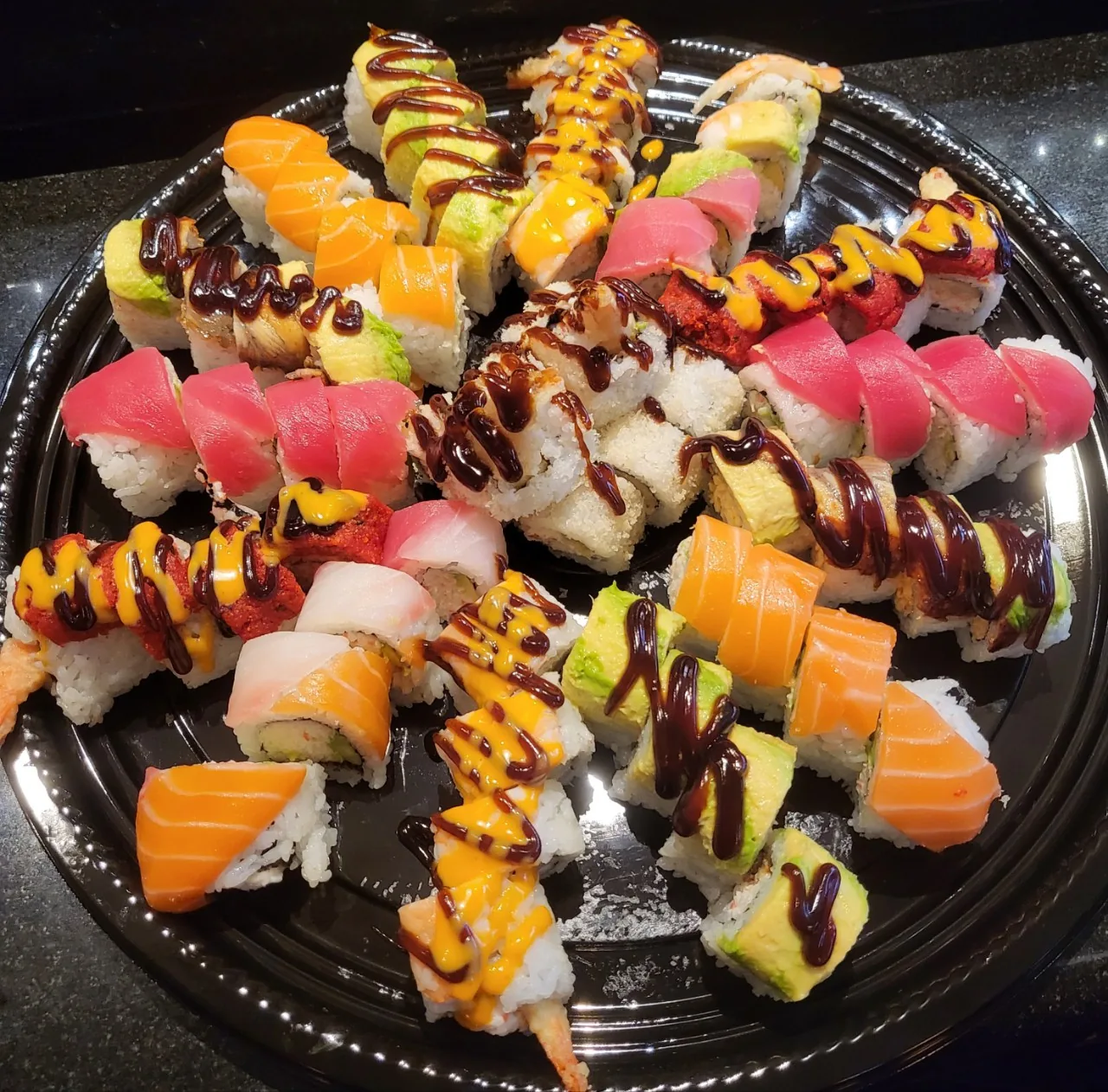
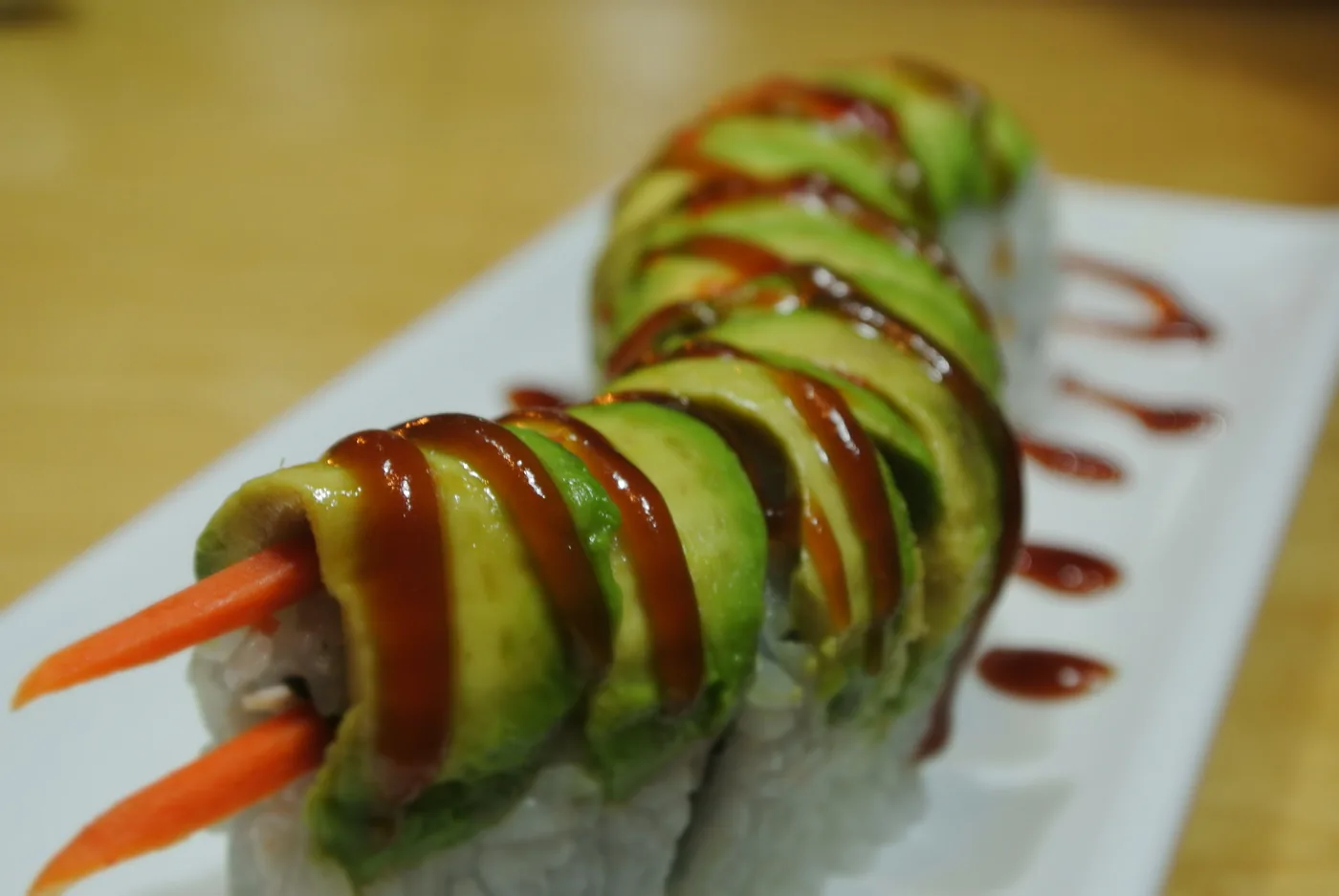
| Special Roll | 64 | Rainbow, Hawaiian, Alaskan, Eel Special, Double Dragon, Crunch, Hot Night and Caterpillar rolls |
| Sushi Lover | 42 | 42 pieces of assorted sushi |
| Sashimi & Sushi | 42 | Half sashimi, half sushi |
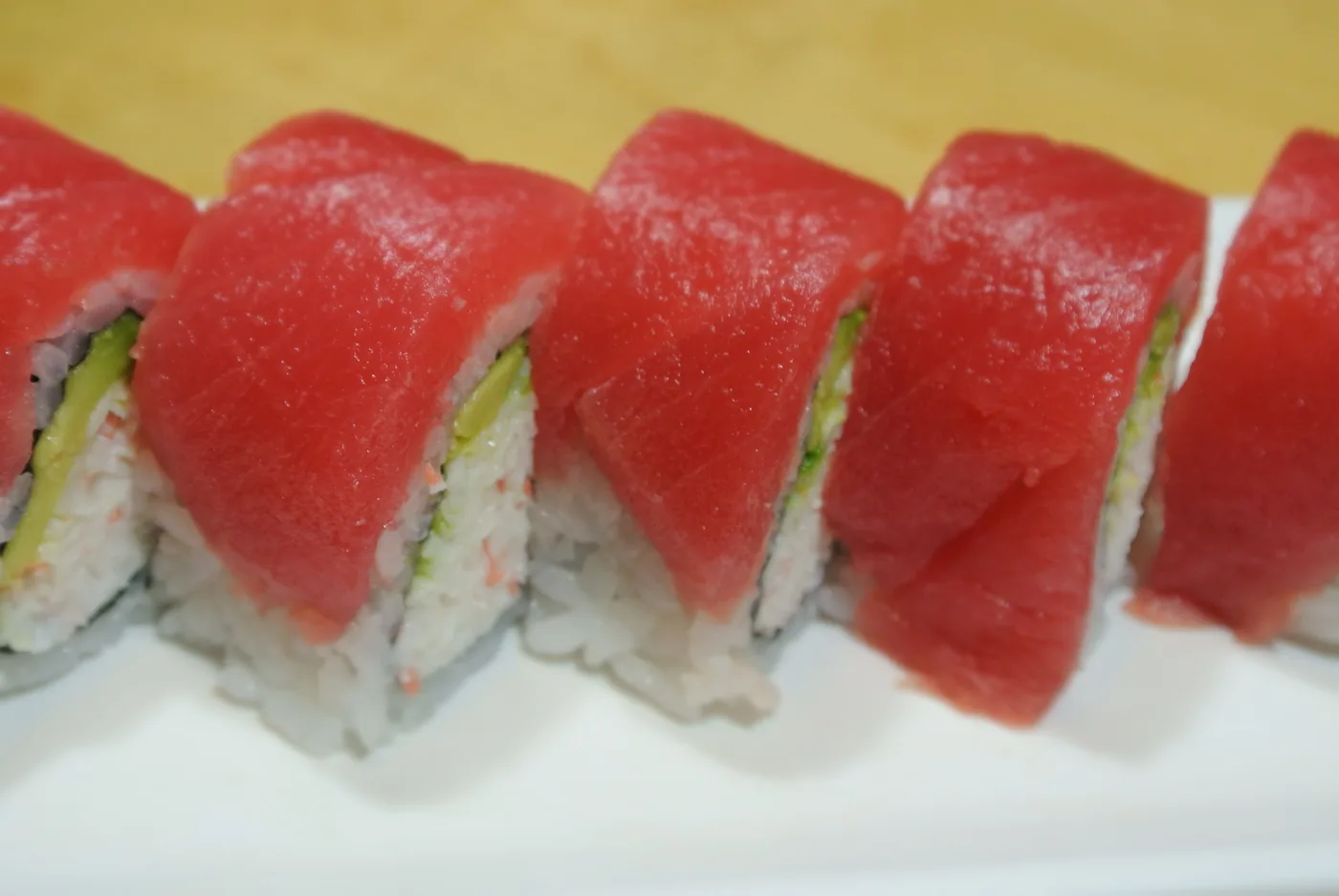
Read those two 64-piece lists side by side and the distinction is obvious. Kid’s Land is four roll types, all mild, two of them fried. Special Roll is eight named specialty rolls with sauces, toppings and raw fish among them.
Same count, completely different room.
02 — ChoosingMatch the platter to the situation
- People standing, plates optional. A roll platter. Nothing on it needs cutlery or a surface.
- Mixed group, some cautious. A roll platter with cooked and mild options — the Kid’s Land list is built for exactly this, whatever its name suggests.
- People who like sushi, sitting down. The sushi or sashimi platters. This is where you are paying for the fish rather than the assembly.
- You genuinely do not know the room. Two smaller platters, one of each, beats one large one of either.
That last point is the one worth taking seriously. A single 64-piece roll platter for a group that wanted sashimi is a worse outcome than two 42-piece platters that cover both, even though it looks like the simpler order.
How many pieces per person
The arithmetic is simpler than people expect, and the mistake is almost always in one direction.
As a rough planning figure, count on eight to ten pieces per person if sushi is the meal, and four to six if it is one item among several. A 64-piece platter therefore feeds roughly six to eight people properly, or a dozen if there is other food on the table.
Where people go wrong is treating pieces as interchangeable. A piece of a fried roll is considerably more filling than a piece of nigiri, so a roll platter goes further than its count suggests and a sashimi platter goes less far. There is fuller guidance in how much sushi to order for a party.
Ordering ahead
Platters are assembled to order, and a 64-piece tray is a substantial amount of knife work. Call ahead rather than ordering one on arrival, and give the kitchen a realistic pickup time. If anyone in your group has an allergy, raise it when you order rather than at collection — a mixed platter is the hardest format to adjust once it is built. See allergens on a Japanese menu.
What happens to a platter over two hours
This is the part nobody plans for, and it is the difference between a platter that gets finished and one that gets half eaten.
Rice firms up as it cools. Nori softens against damp rice. Anything crisp stops being crisp. Avocado darkens at the cut edges. None of it is a safety matter over a normal serving window, but all of it means the platter is at its best in the first half hour and merely fine after that.
Two things help. Put the platter out when people are actually ready to eat rather than when it arrives, and keep raw fish refrigerated until that moment. And if you are ordering for a long event, two smaller platters staggered an hour apart beats one large one sitting out the whole time.
What to put beside it
A platter on its own is a lot of the same thing, and the additions that help most are the cheap ones.
- Something cold and sharp. Seaweed salad next to sixty pieces of rice does more than another platter would — see the cold side of the menu.
- Edamame. Cheap, easy to eat standing, and it slows people down at the start.
- Miso soup, if people are seated. It changes the meal from snacks into dinner.
- Extra sauces. Spicy mayo, eel sauce, hot sauce and ponzu are listed separately, which matters when one tray is serving a dozen palates.
What does not help is a second roll platter. Past a certain point more rolls stop adding variety and start adding repetition.
If it is for an office
Office ordering has one constraint that changes the answer: people eat at their desks, at different times, with one hand.
That rules out sashimi almost entirely and pushes you firmly towards a roll platter. It also argues for the milder list rather than the specialty one — a tray that everyone can eat from beats a tray that half the office admires and avoids. More on that in ordering Japanese for an office lunch.
One practical detail: ask for the platter to be cut into a layout people can serve themselves from without dismantling it. A ring of rolls around a centre survives a queue far better than a tightly packed grid.
Frequently asked questions
How many people does a 64-piece platter feed?
Roughly six to eight if sushi is the meal, or around a dozen if there is other food. Roll pieces are more filling than nigiri, so a roll platter stretches further.
Should I order a roll platter or a sushi platter?
Rolls if people are standing or eating one-handed. Sushi and sashimi if they are seated with plates.
Do I need to order a platter in advance?
Yes, call ahead. A large platter is built to order and takes real time to assemble.
How long can a platter sit out?
Put it out when people are ready to eat rather than on arrival, and keep it refrigerated until then. Follow standard food-safety guidance for raw fish at room temperature.
Is the Kid’s Land platter only for children?
No. The menu lists it as California, Shrimp, Tempura and Golden California rolls, which is simply the mildest combination on offer — useful for any cautious group.
The short version
Pick the format before the size. Rolls for a standing room, sushi and sashimi for a seated one, and read the list of what is actually on each platter rather than the piece count.
Then add something cold and sharp beside it, call ahead, and put it out when people are ready rather than when it arrives.