The short answer
Umamithe savoury taste, alongside the other four
In Japanese fooddeliberately, and in combination
Sweet, salty, sour, bitter — and this. It is the reason a clear broth with almost nothing in it can taste like a lot.
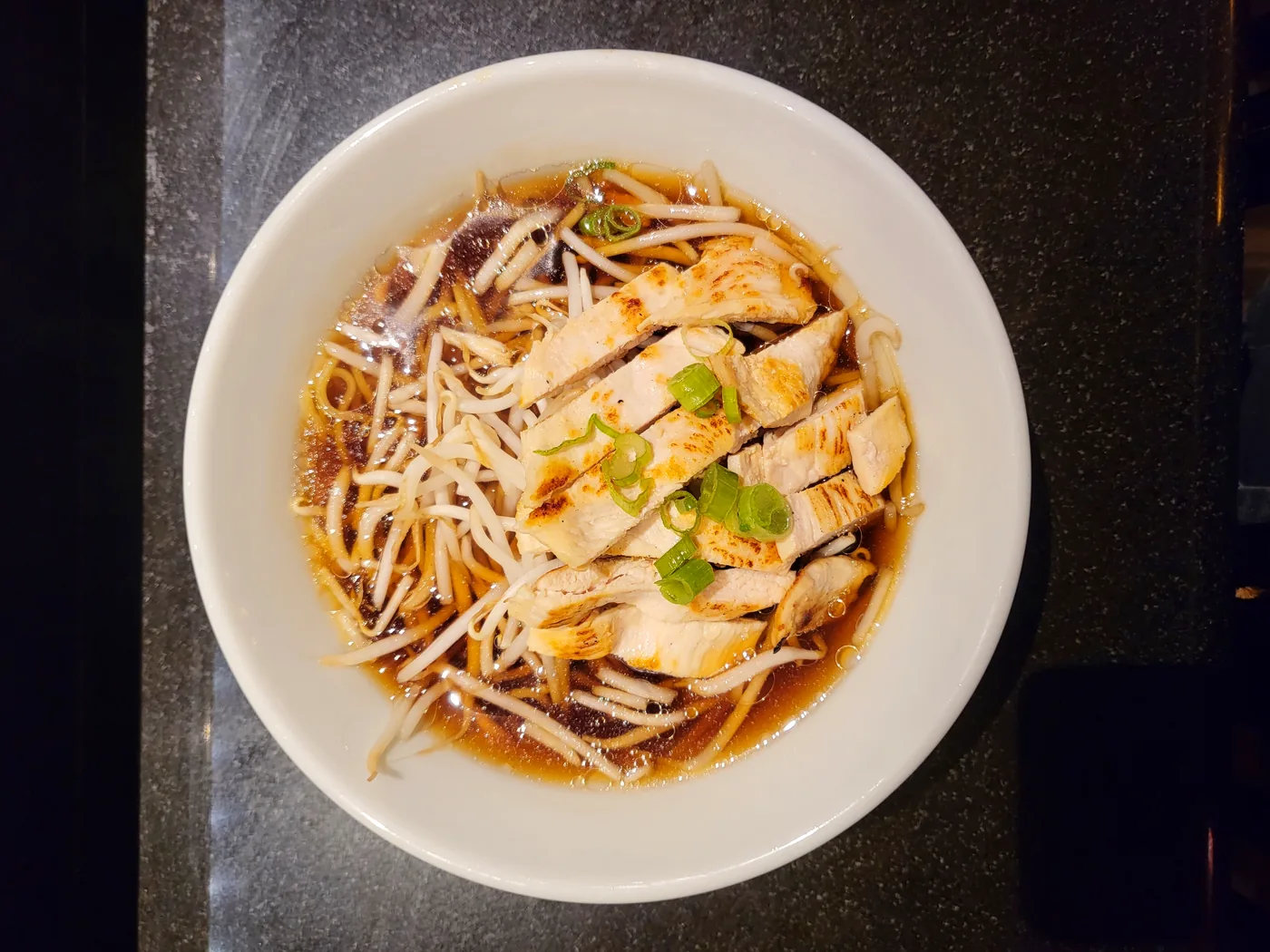
There is a question that comes up about Japanese food more than any other: how does something this plain-looking taste like that? A bowl of broth with three things floating in it should be thin. It is not.
01 — The fifth tasteNamed in Tokyo, in 1908
For a long time Western science recognised four basic tastes: sweet, salty, sour and bitter. Anything savoury was assumed to be some combination of them.
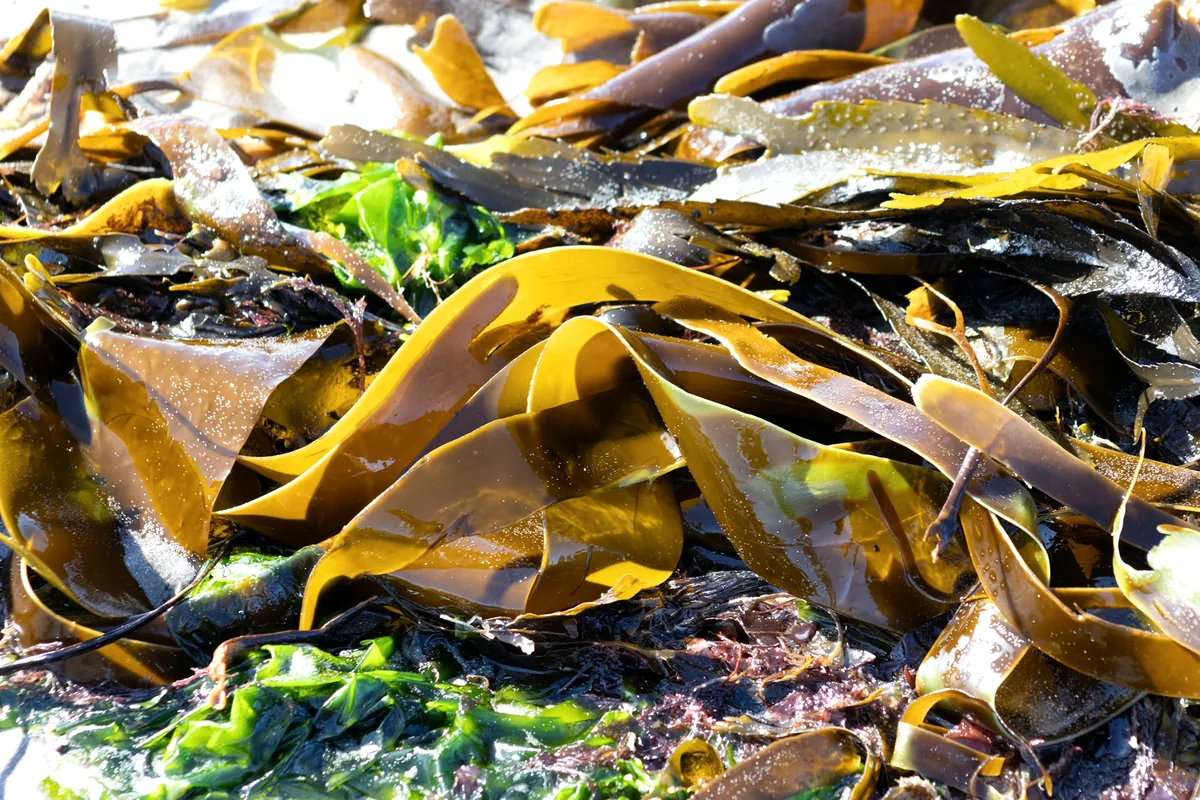
In 1908 a chemist at Tokyo Imperial University named Kikunae Ikeda decided that was wrong. He had noticed that a simple kelp broth had a distinct taste that none of the four described, and he set out to isolate what was causing it. What he found was glutamate — an amino acid present in kombu kelp in unusual quantity. He called the taste umami, roughly “savouriness” or “deliciousness”.
It took most of a century for the idea to be widely accepted elsewhere. Receptors on the tongue that respond specifically to glutamate were identified around the turn of the millennium, which settled it: umami is a basic taste, not a blend of the others.
What it actually tastes like
The hard part about umami is that it is difficult to point at. Sweet is obvious. Sour is obvious. Umami is more like a property the food has than a flavour sitting on top of it.
The usual descriptions are mouth-filling, brothy, lingering, moreish. It spreads across the whole tongue rather than hitting one spot, and it stays after you have swallowed. It also makes you salivate, which is part of why savoury food feels satisfying in a way that sweet food does not.
The easiest way to notice it is by subtraction. Taste a plain broth, then taste the same broth without the kelp step. The second one is not less salty and not less anything you can name — it is just thin.
02 — The three sourcesAnd why they are used together
Umami does not come from one compound. There are three that matter in a Japanese kitchen, and each has its own classic ingredient.
| Compound | Classic source | Also found in |
|---|---|---|
| Glutamate | Kombu kelp | Soy sauce, miso, tomatoes, aged cheese |
| Inosinate | Dried bonito | Meat, fish, cured pork |
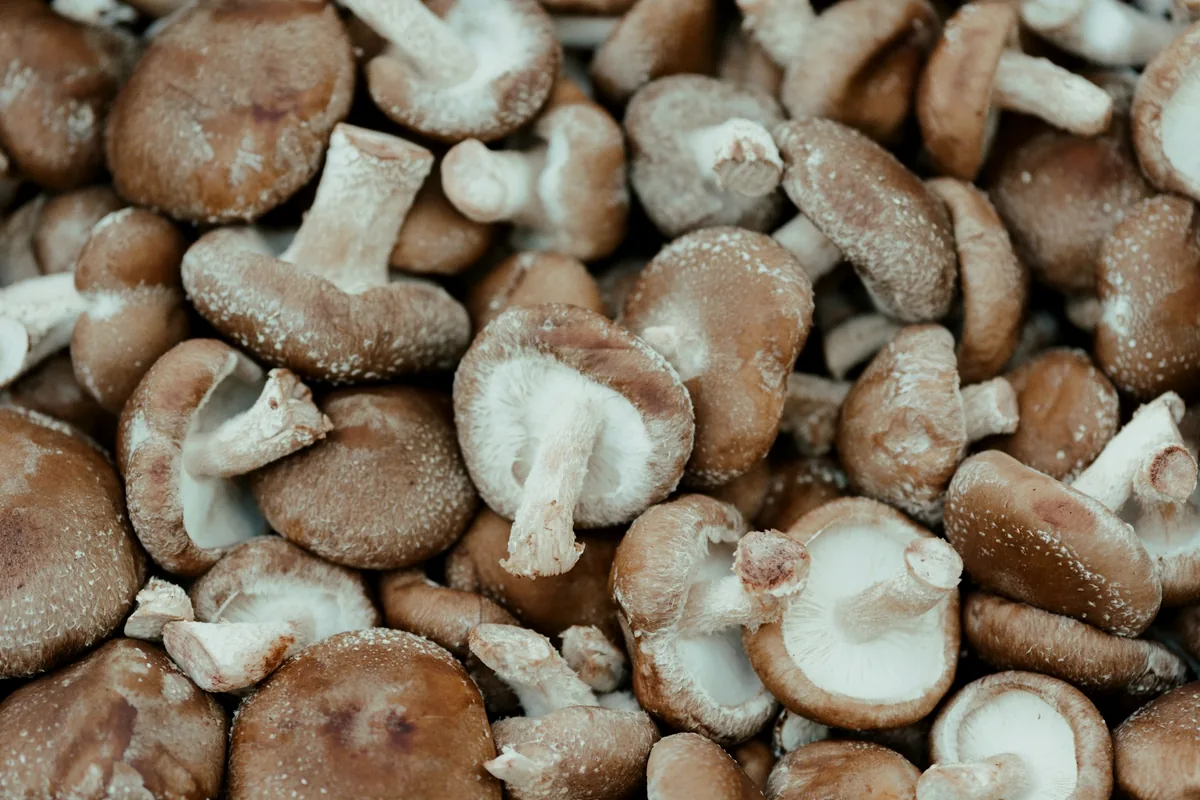
| Guanylate | Dried shiitake | Other dried mushrooms |
Here is the part that makes the whole cuisine make sense. These compounds do not simply add up — they multiply. Combine a glutamate source with an inosinate source and the perceived savouriness is far greater than either produces alone. The effect is large, not marginal.
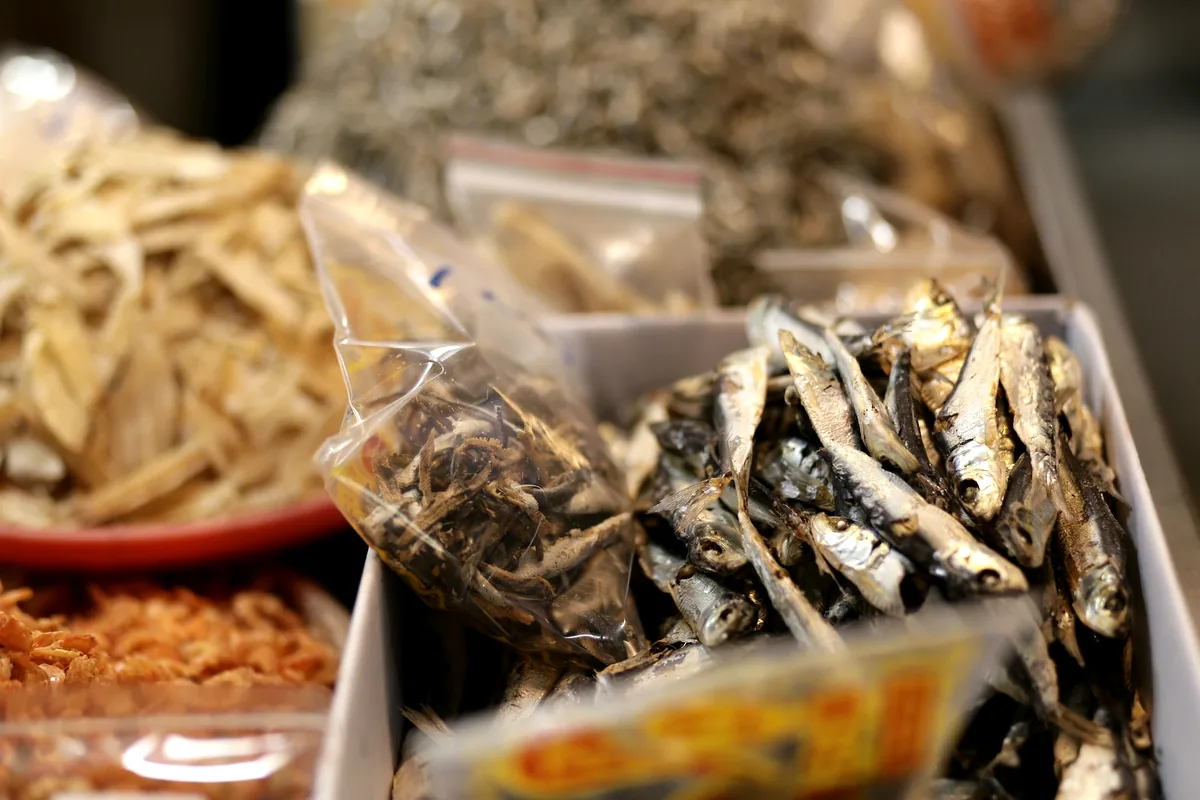
Which explains dashi, the stock underneath an enormous amount of Japanese cooking. Dashi is kelp and dried bonito. Glutamate and inosinate, deliberately together, and that pairing was worked out by cooks centuries before anyone could explain why it worked.
Why so much of it is dried or fermented
Look down a list of the most umami-rich Japanese ingredients and almost none of them are fresh. Kombu is dried. Bonito is dried, and often smoked and cultured as well. Shiitake are dried. Soy sauce and miso are fermented for months.
There is one mechanism behind all of it. Glutamate and its relatives are usually locked up inside larger proteins, where the tongue cannot detect them. Drying, ageing and fermenting all break those proteins down into smaller pieces and release the free amino acids. Time and enzymes do the work.
So a Japanese pantry is largely a collection of ingredients that have already been through that process. When a cook reaches for soy sauce or miso, they are not just adding salt — they are adding months of protein breakdown that happened in a barrel somewhere.
Where it turns up in a meal here
Once you know what to look for, it is most of the menu.
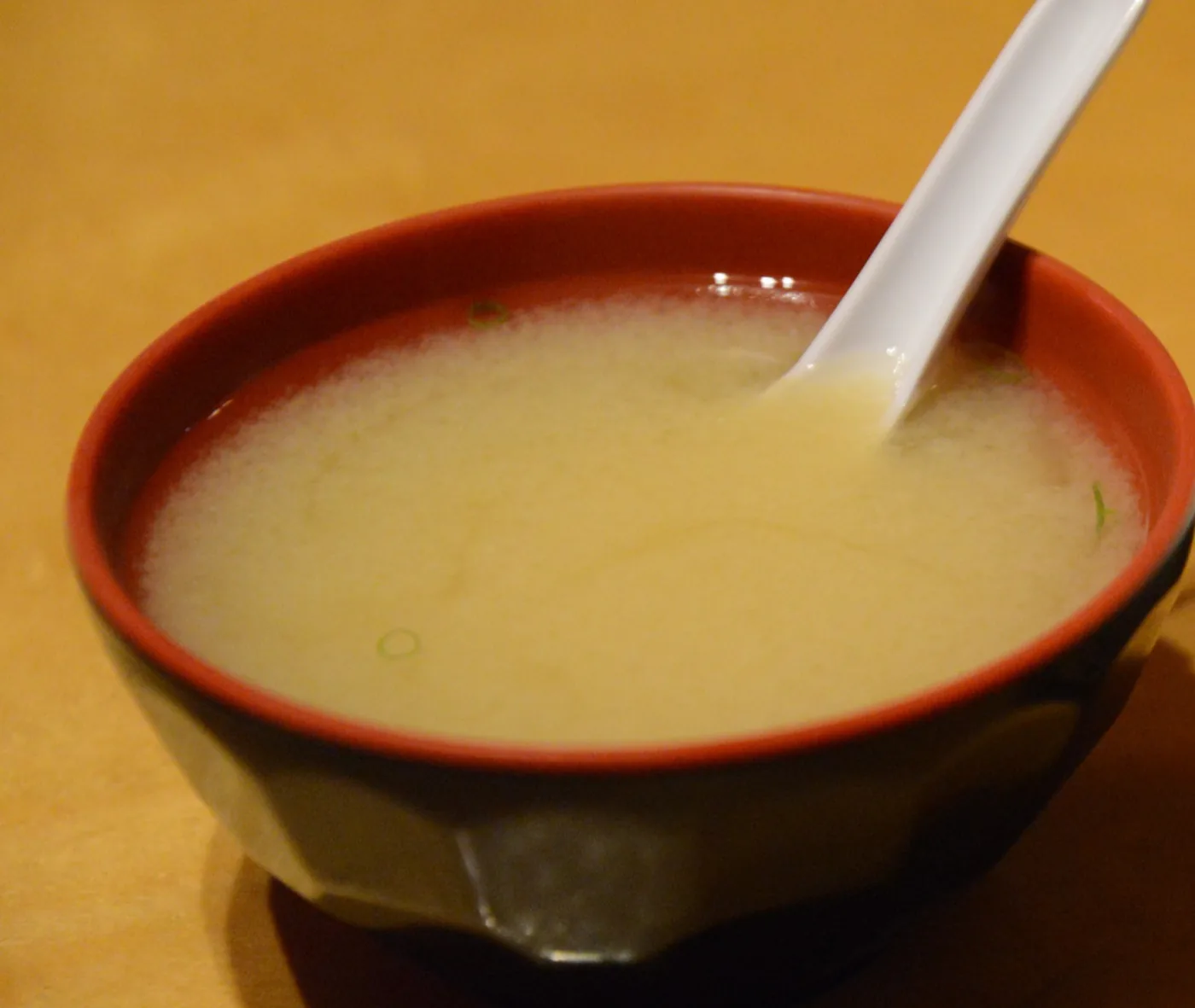
- Miso soup. Fermented soybean paste in a stock. Two umami systems in one bowl — more in what is actually in miso soup.
- Soy sauce. Months of fermentation in a bottle. This is why a few drops change a dish and a puddle ruins it.
- A teriyaki glaze. Soy and mirin reduced down, which concentrates all of it — see what teriyaki means.
- Ramen broth. Long cooking to extract exactly these compounds from bones, kelp and dried fish.
- Bonito flakes. Scattered on top of things specifically to add savouriness at the last second.
- Sushi rice. Seasoned with rice vinegar, and vinegar brewing produces its own savoury notes alongside the acidity.
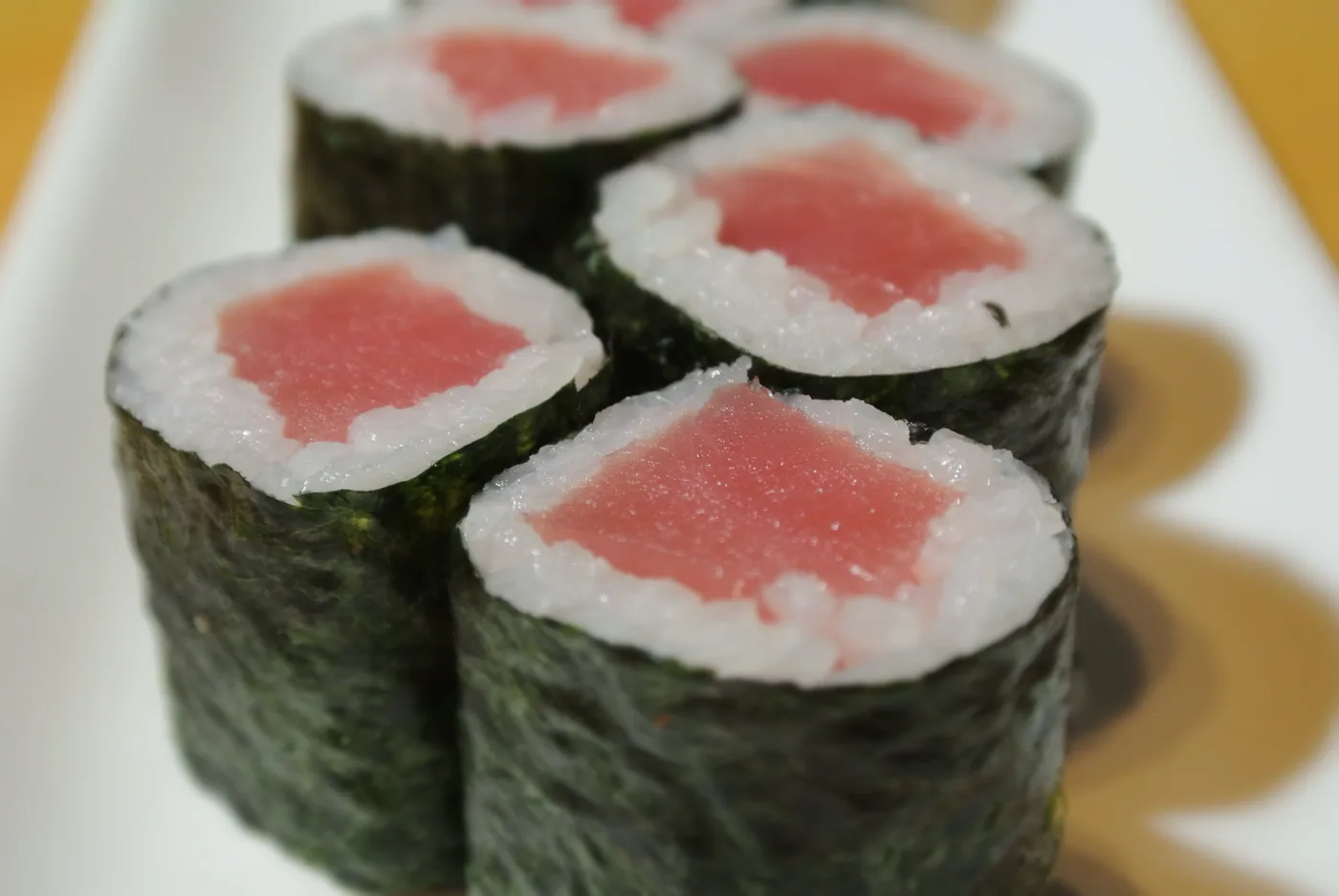
- Nori. The seaweed around a roll is a relative of kombu, and it is not there only to hold things together.
That last one is worth sitting with. Even the wrapper is contributing. There is very little on a Japanese table that is structural only — see nori, soy paper and what wraps a roll.
It is not a Japanese invention
Umami was named in Japan, but every cuisine has been chasing it. What differs is which ingredients each one settled on.
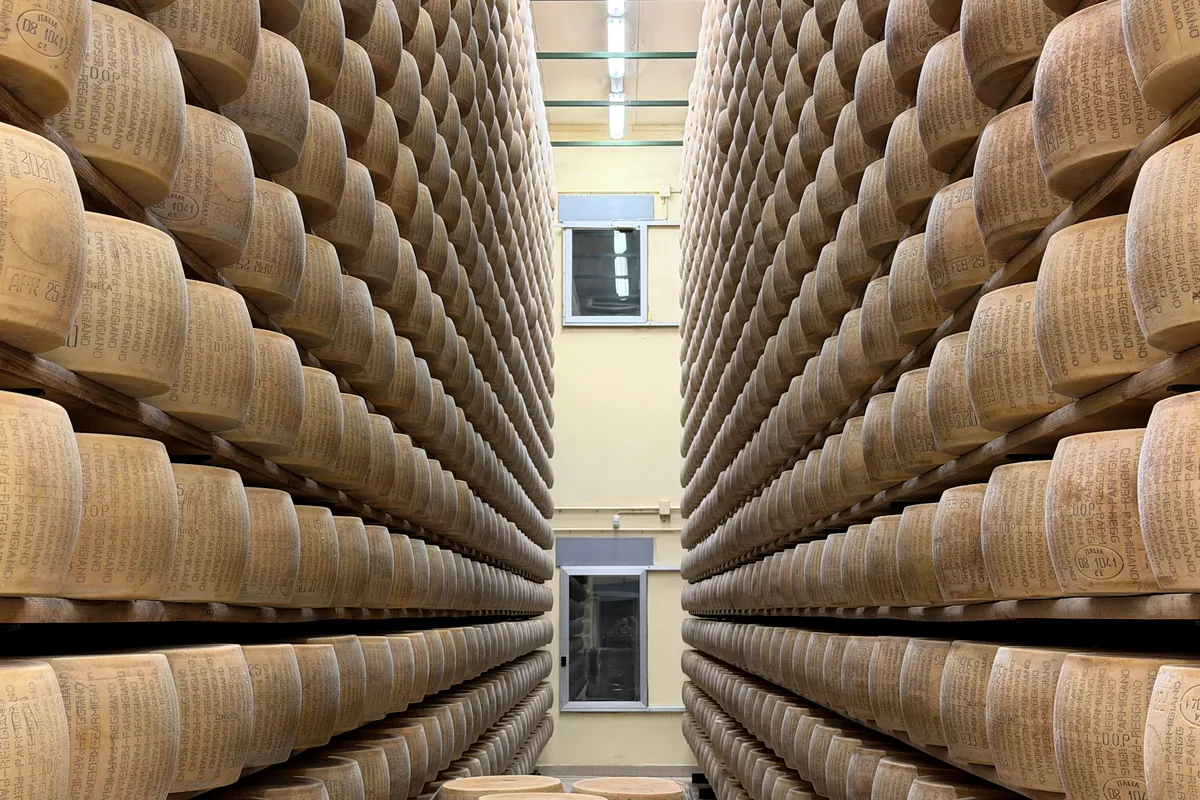
Parmesan is one of the most glutamate-dense foods there is, which is why a small amount transforms a plate of pasta. Anchovies do the same job in Italian and Southeast Asian cooking. Slow-roasted tomatoes, cured ham, mushroom stock, Worcestershire sauce, fish sauce, aged beef — all the same pursuit by different routes.
And the pairing trick is universal too. Parmesan on tomato sauce is glutamate on glutamate with the cheese’s own aged compounds alongside; bacon in a mushroom dish is inosinate meeting guanylate. Nobody was working from the chemistry. Everybody arrived at the same place.
Which reframes what Japanese cooking is doing. It is not using a taste other cuisines lack. It is being unusually direct about it — building the savoury base first, in a stock, before anything else goes in.
Good to know
The savoury backbone of Japanese cooking is also where hidden ingredients live. Dashi usually contains dried fish, soy sauce is normally brewed with wheat, and miso is a soy product. That means a dish can look entirely plant-based and not be. If you are vegetarian, vegan, or avoiding soy or gluten, ask about the stock rather than the visible ingredients — see vegetarian and vegan at a Japanese restaurant.
How to taste it deliberately
Try this on your next visit. Order miso soup and drink a few sips of it before anything else arrives, with nothing else in your mouth.
Pay attention to what happens after you swallow rather than while you are drinking. Salt fades quickly. What stays — that soft, mouth-coating savouriness that makes you want another sip — is the thing Ikeda was chasing.
Then notice that you have just described why the soup comes first.
Frequently asked questions
What is umami?
The savoury basic taste, alongside sweet, salty, sour and bitter. It comes mainly from glutamate and related compounds, and it reads as mouth-filling and lingering.
What does umami taste like?
Brothy and moreish rather than sharp. It spreads across the tongue and stays after you swallow, which is why savoury food feels satisfying.
Which foods have the most umami?
Dried, aged and fermented things: kombu, dried bonito, dried shiitake, soy sauce, miso — and outside Japan, aged cheese, anchovies and cured meat.
Why is dashi made with two ingredients?
Because kelp and dried bonito carry different umami compounds, and combining them produces far more savouriness than either does alone.
Is umami the same as saltiness?
No. They often travel together because savoury ingredients are frequently salty, but they are separate tastes. A stock can be deeply savoury and barely salted.
The short version
Umami is the savoury basic taste, identified in Tokyo in 1908 and traced to glutamate in kelp. Two other compounds — from dried fish and dried mushrooms — multiply the effect when combined with it, which is exactly what dashi does.
Nearly everything savoury on a Japanese menu is built on that principle, usually through something dried or fermented. Drink the soup first and you will taste the whole argument in one mouthful.