The Journal
From the Kitchen
Short reads on how the food is made, and on ordering well across a menu that runs from the sushi bar to the hot kitchen.
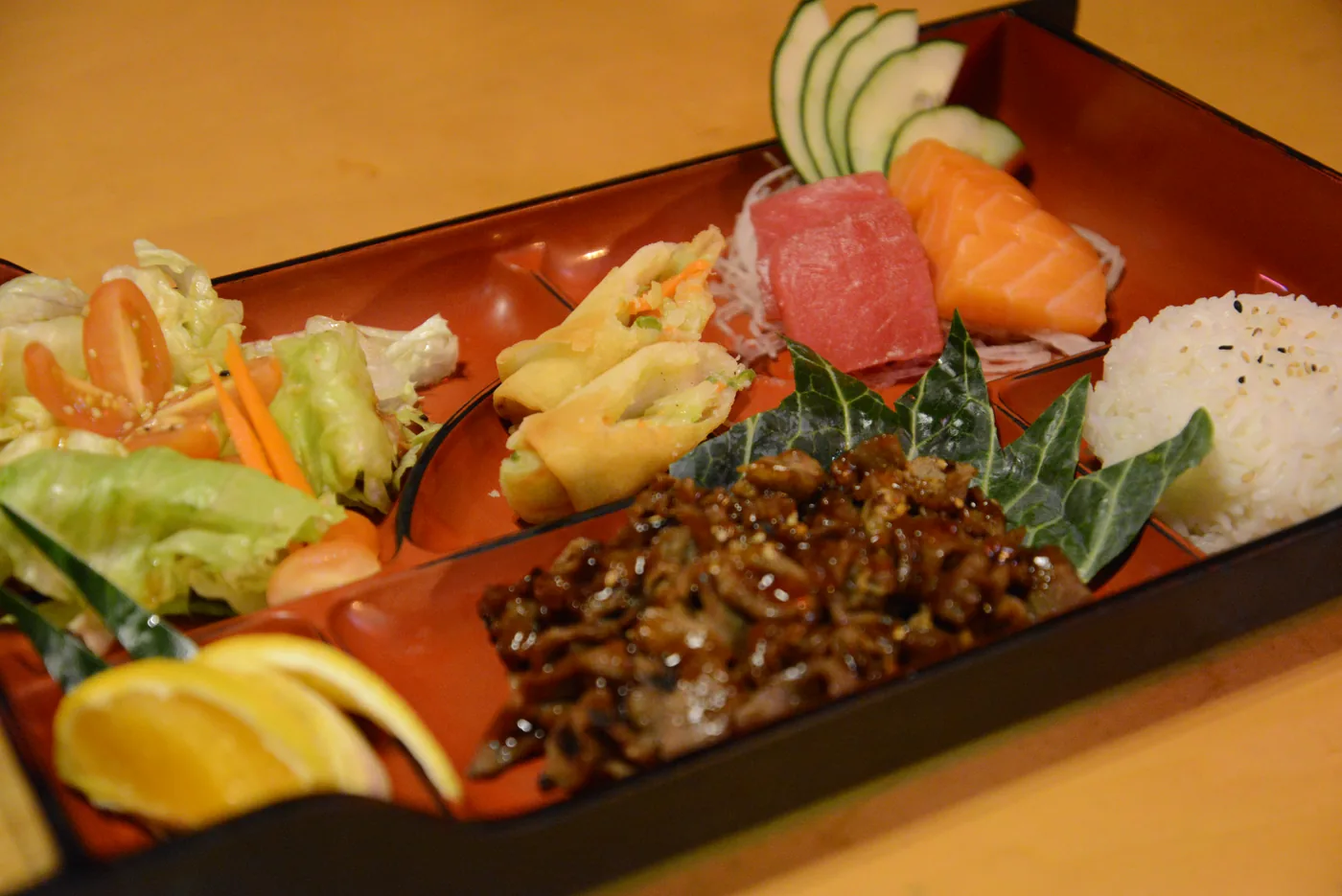
Combos and Plates: Ordering a Whole Meal
À la carte gives you control and hands you the quantity problem. A combo hands back a finished meal, with the sides already decided.
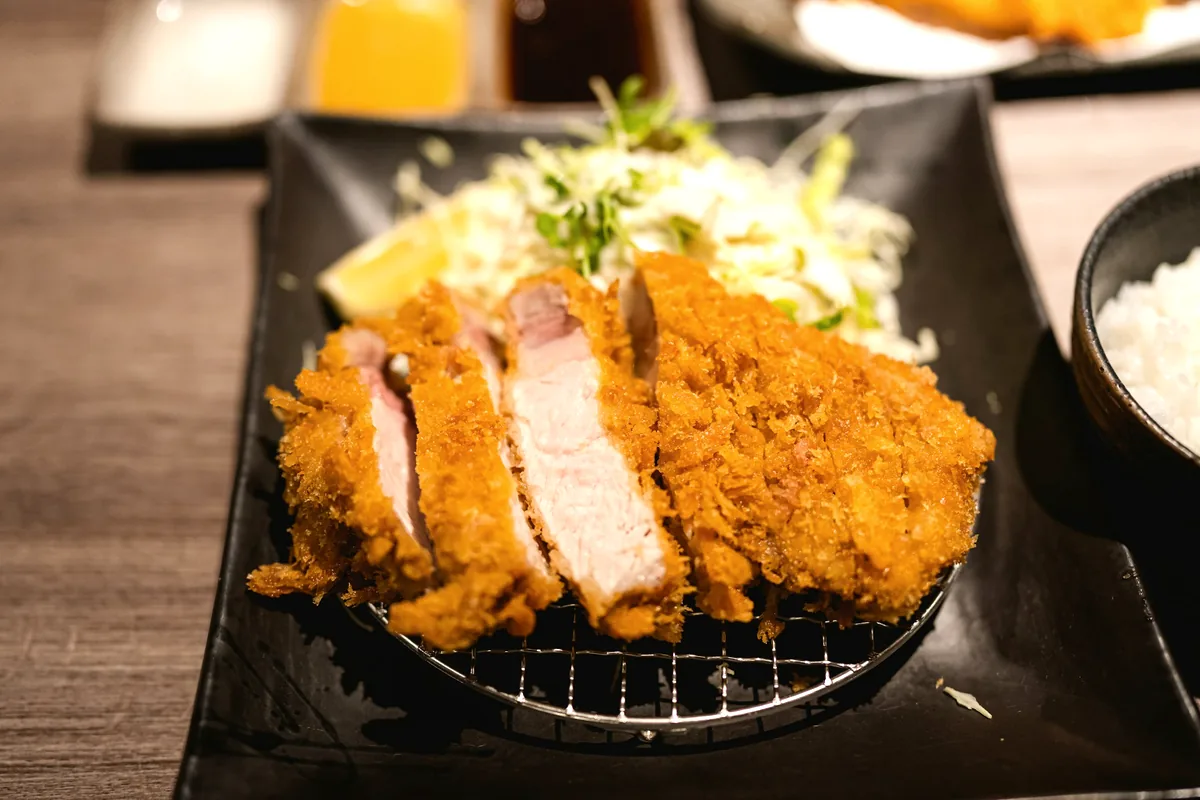
Chicken Katsu vs Chicken Teriyaki: What’s the Difference?
Katsu is a cooking method, teriyaki is a sauce. Breaded and fried with the sauce on the side, or grilled and glazed all the way through.
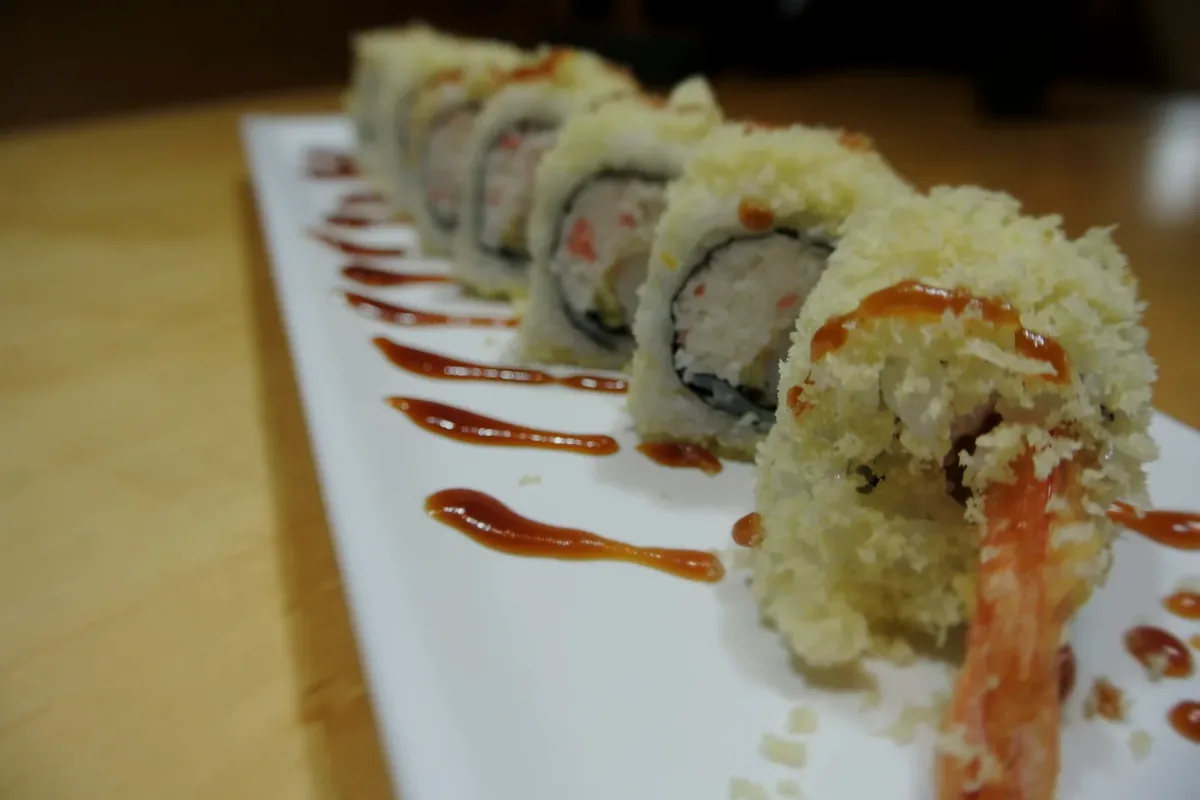
What to Order at a Sushi Restaurant If You Don’t Like Raw Fish
Sushi means the rice, not the fish. Tempura, baked, fried, eel and vegetable rolls – what to order and how to read the menu for them.
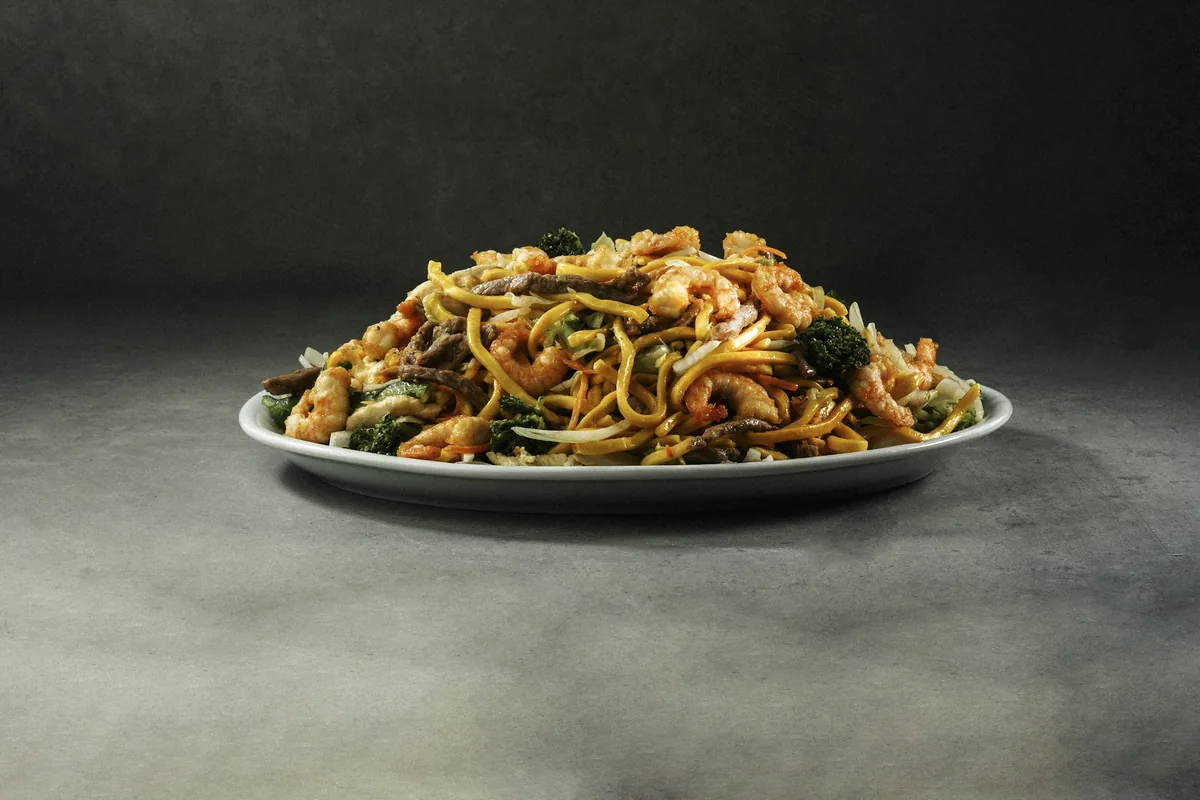
Yaki Udon vs Yakisoba: What’s the Difference?
Same pan, same vegetables, same sauce – two different noodles. Thin and springy or thick and chewy, and which one to pick.
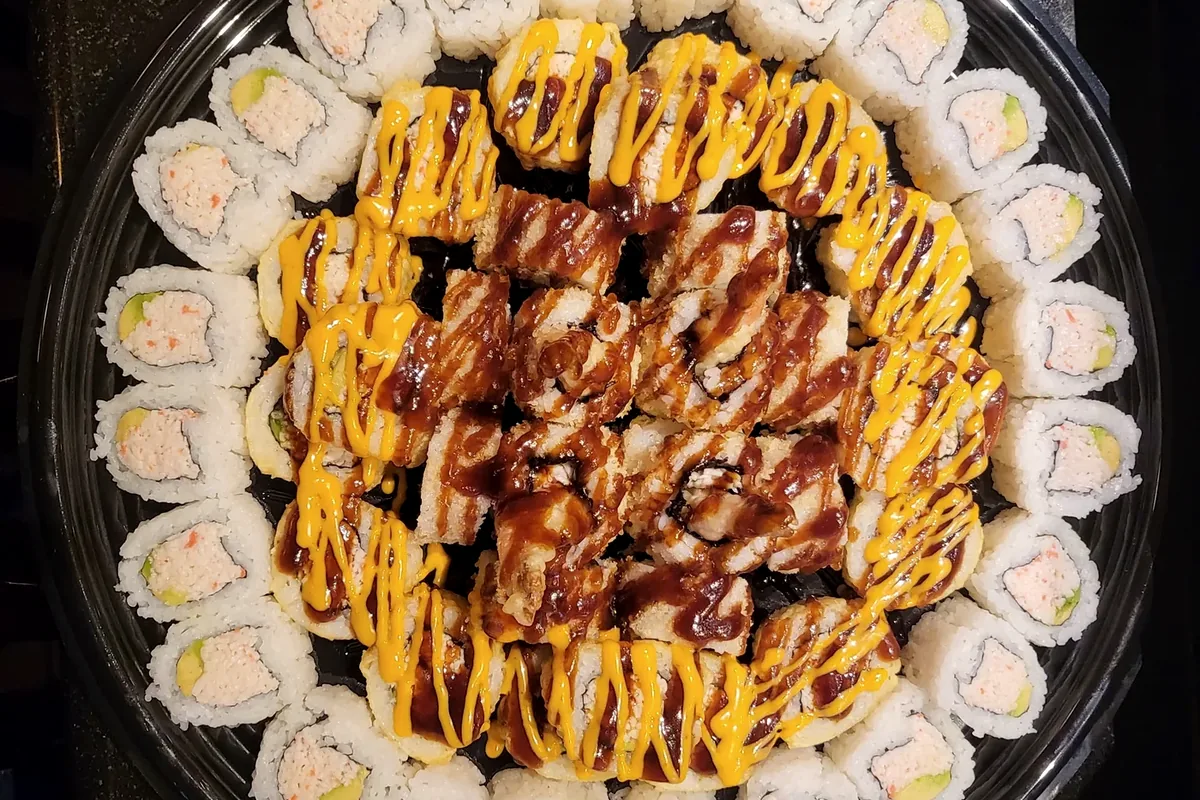
How Much Sushi Should You Order for a Party?
Ten to twelve pieces per person if sushi is the meal, four to six if it is not. Platter sizes, variety, timing and what else to put on the table.
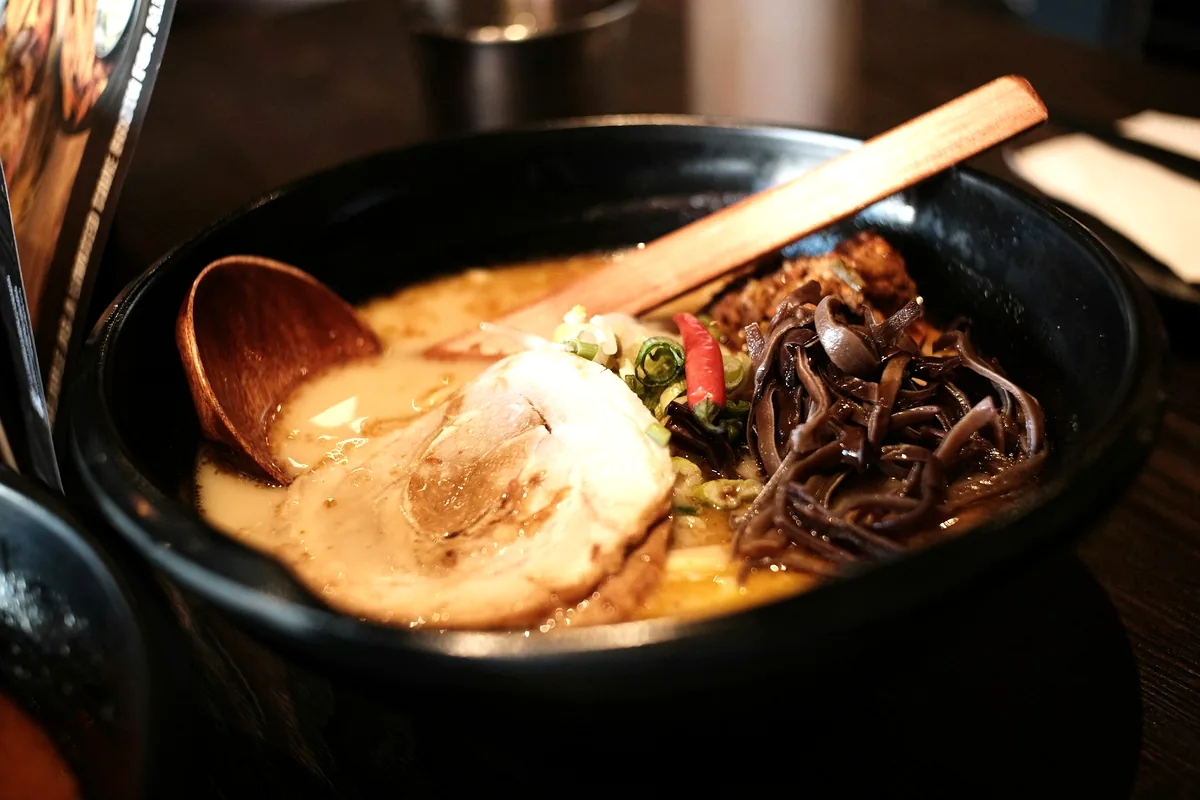
Ramen vs Udon: What’s the Difference?
Thin springy noodles in a rich broth, or thick chewy noodles in a light one. What separates ramen from udon, and which bowl to order.
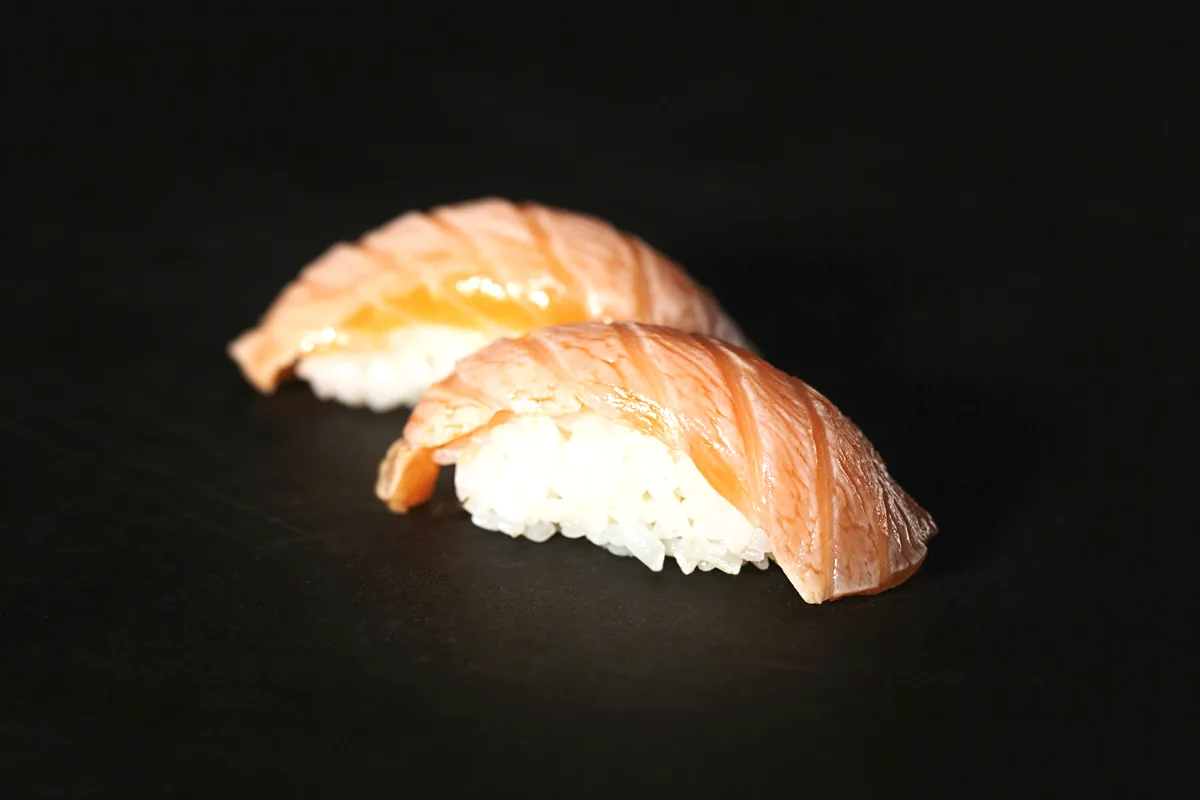
Nigiri vs Sashimi: What’s the Difference?
Nigiri is fish on seasoned rice; sashimi is fish on its own. What that changes about ordering, portions and how each one is eaten.
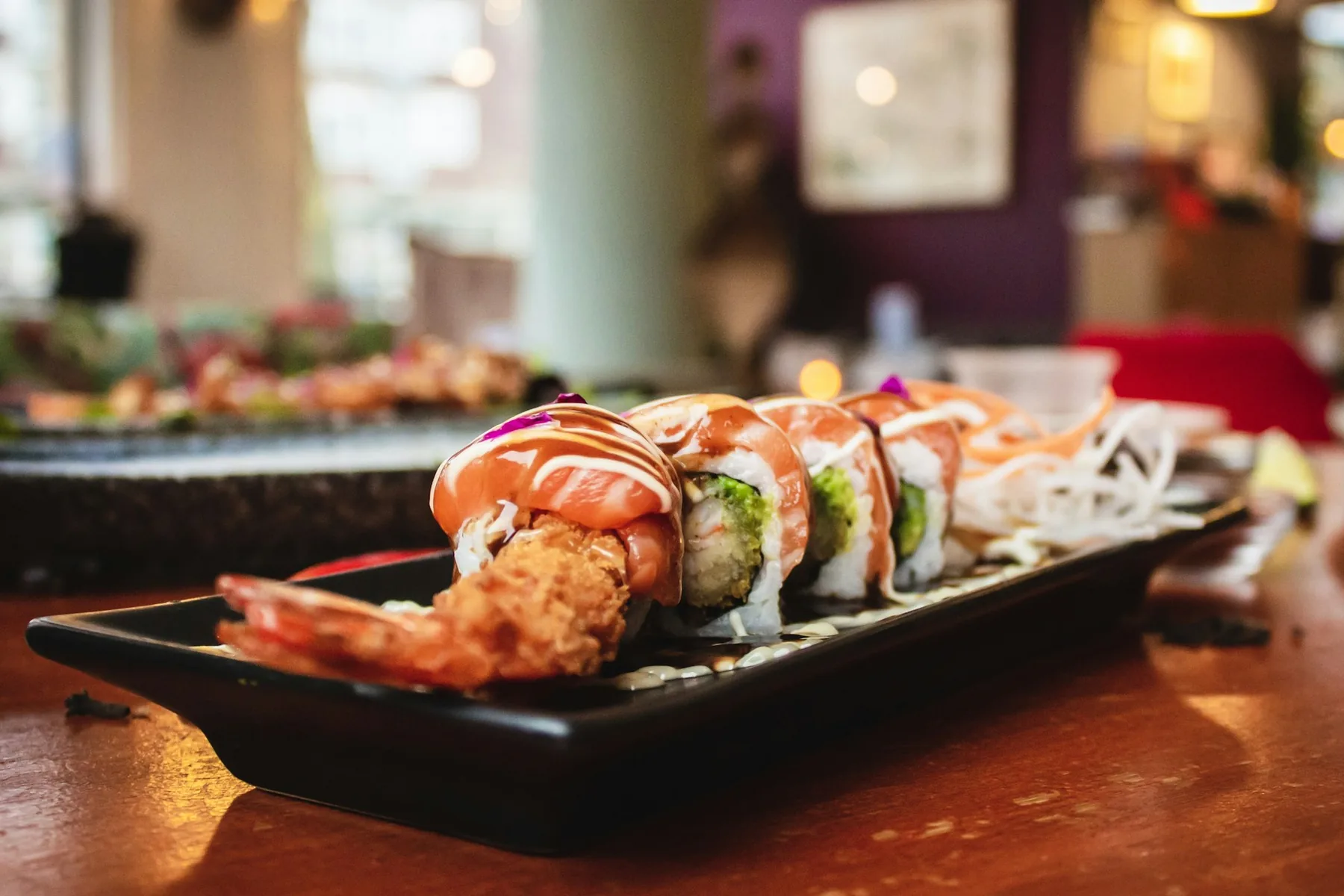
The Art of the Roll
What separates a baked roll from a fried one, and why the order of assembly matters more than the ingredient list.
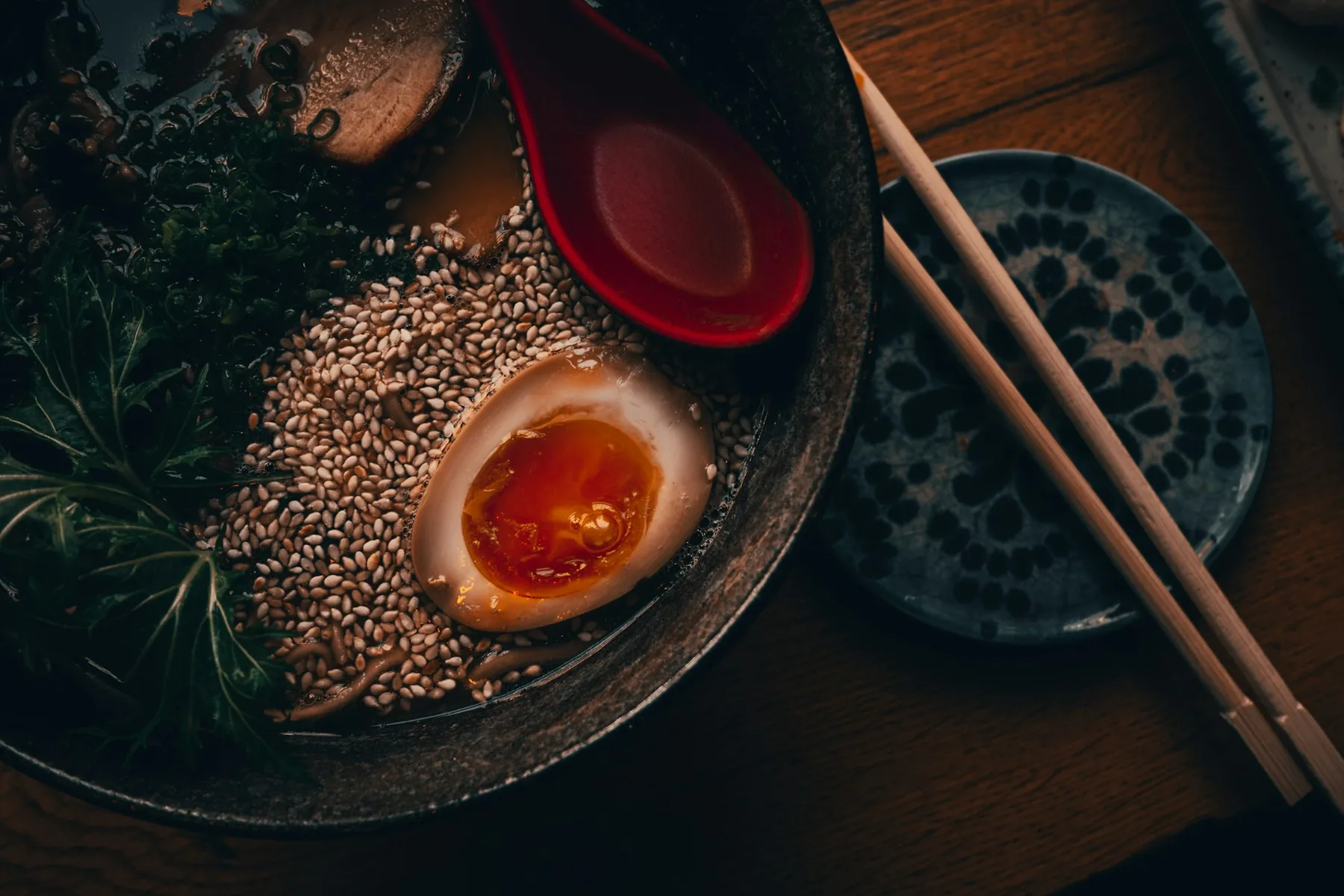
A Bowl Made for Comfort
Five ramen bowls, five different broths – and why the broth, not the topping, is what you are really ordering.
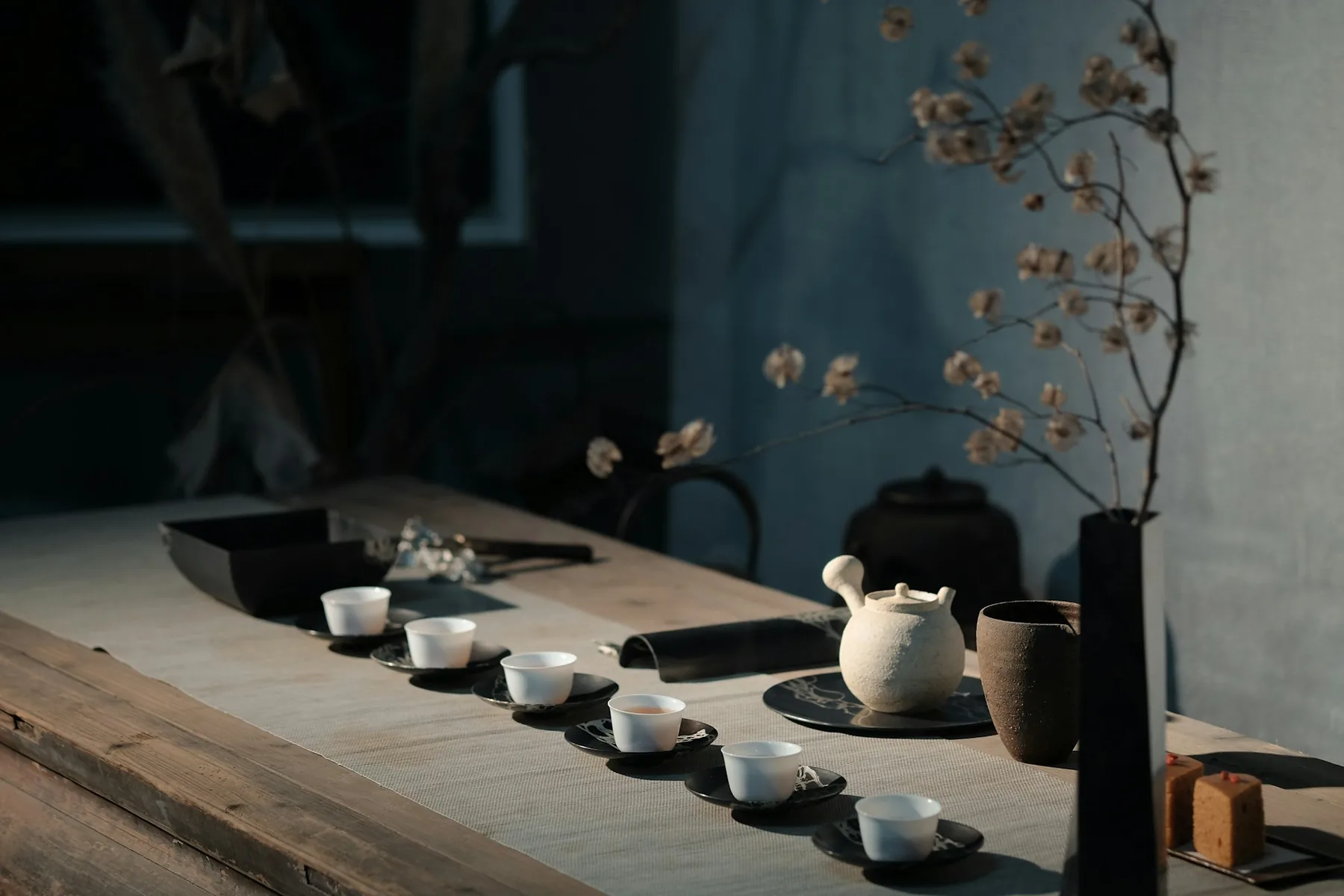
Japanese Dining Essentials
A short guide to ordering across a menu that spans a sushi bar and a hot kitchen – what to start with, and what to share.