The Journal
From the Kitchen
Short reads on how the food is made, and on ordering well across a menu that runs from the sushi bar to the hot kitchen.
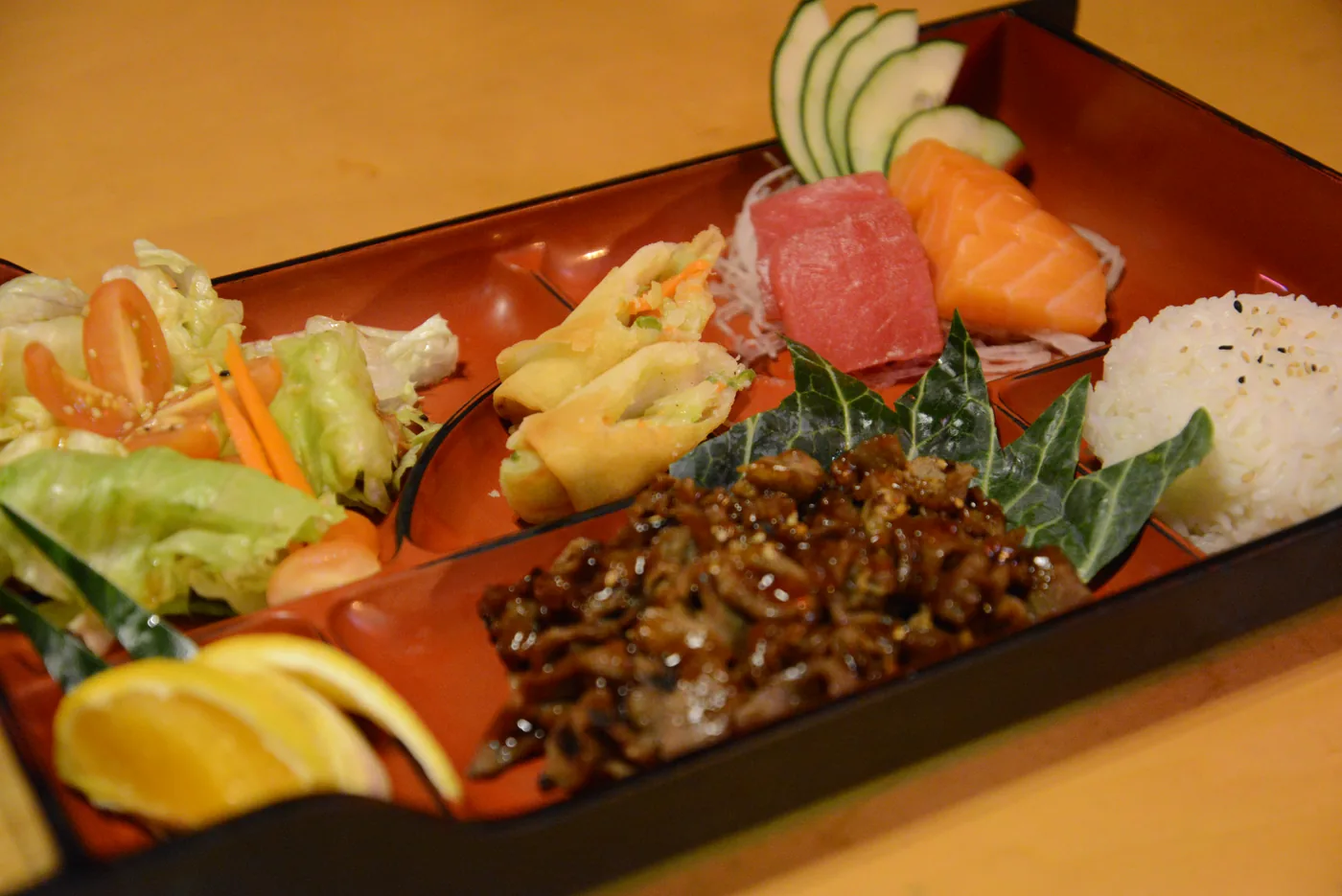
Combos and Plates: Ordering a Whole Meal
À la carte gives you control and hands you the quantity problem. A combo hands back a finished meal, with the sides already decided.
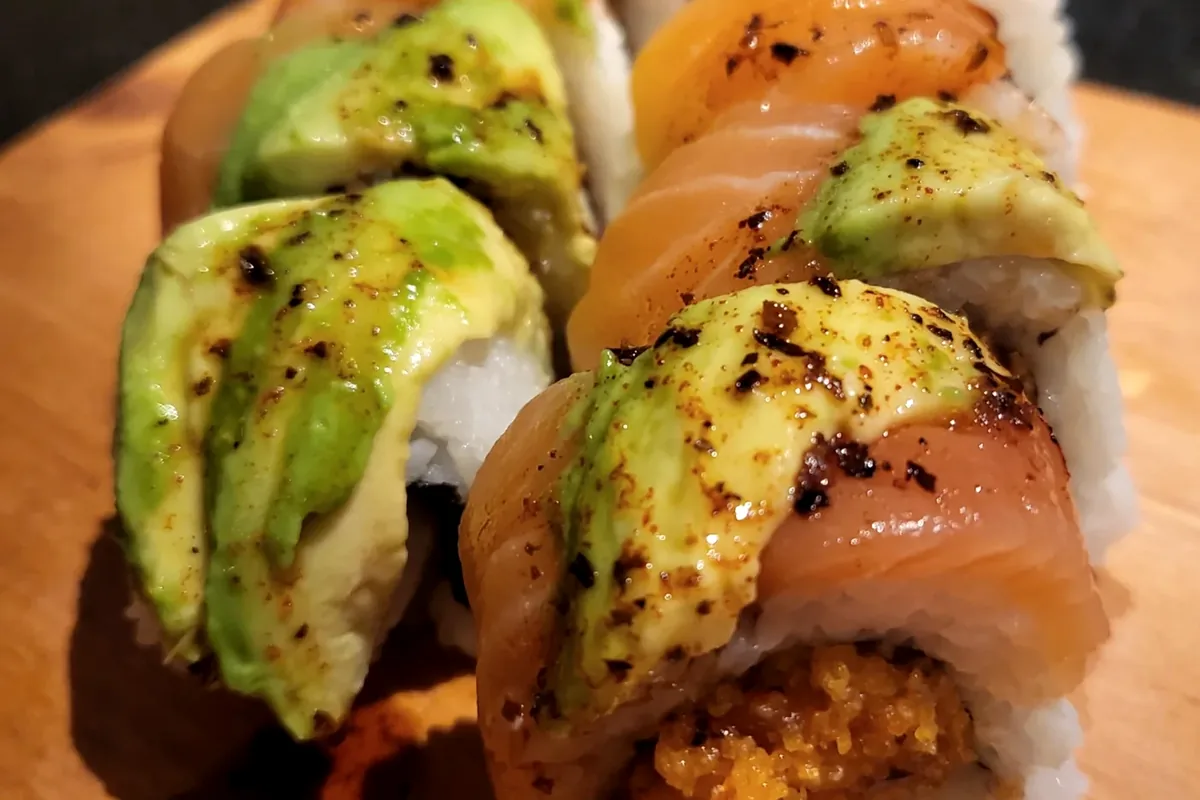
Eel Sauce, Spicy Mayo and Ponzu: The Sauces Explained
Dark and sweet, orange and creamy, thin and sharp. What each sauce on a Japanese table is for, and the one thing everyone gets wrong with soy.
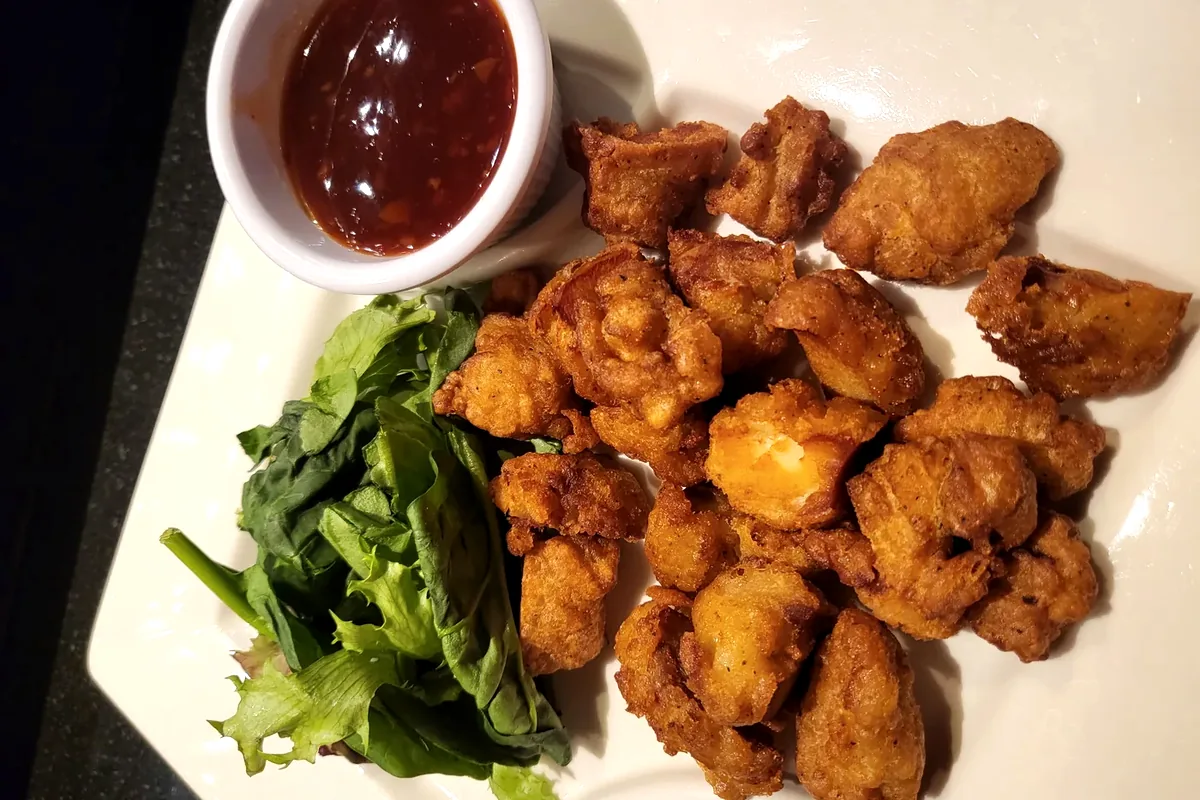
Japanese Appetizers: What to Start With
Order one light and one fried, and expect them to arrive with everything else. What is on a Japanese appetiser list and how to pick.
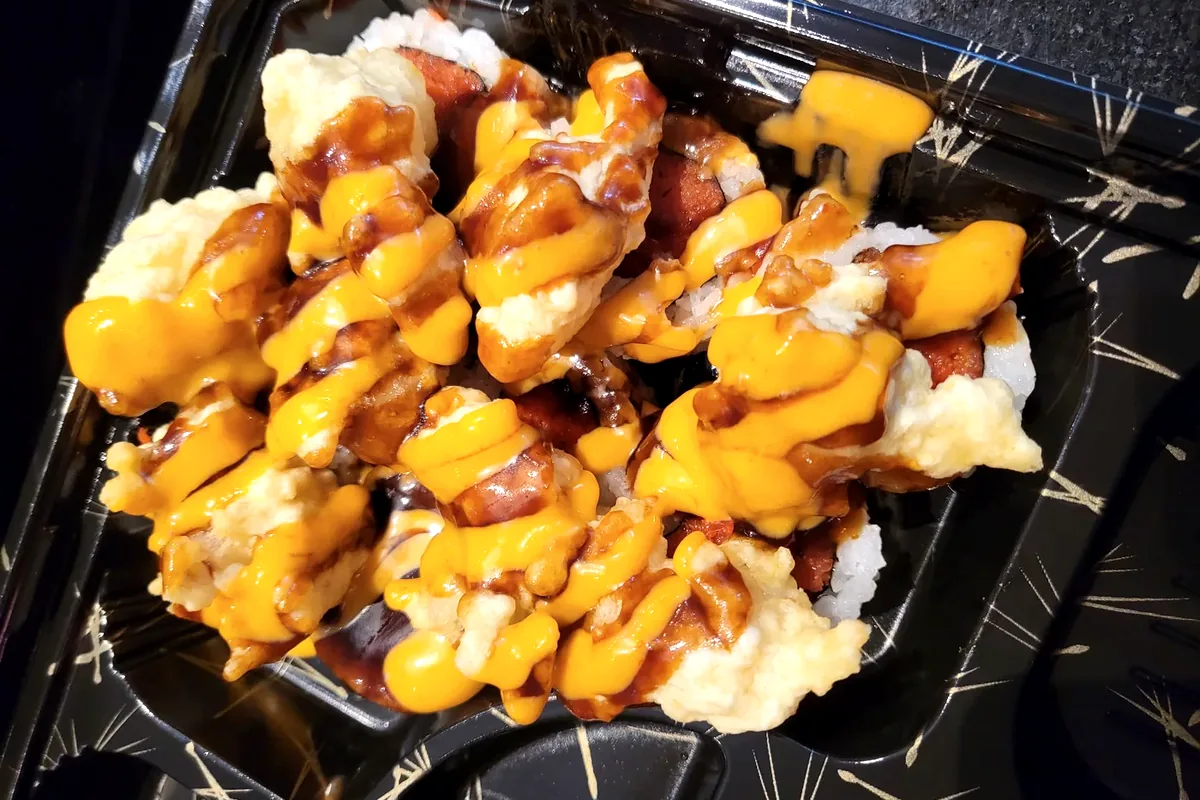
Scallop, Shrimp and Crab: The Cooked Half of a Sushi Menu
The shellfish section is where most of the cooking happens. What is raw, what is not, and why scallop is the one that goes both ways.
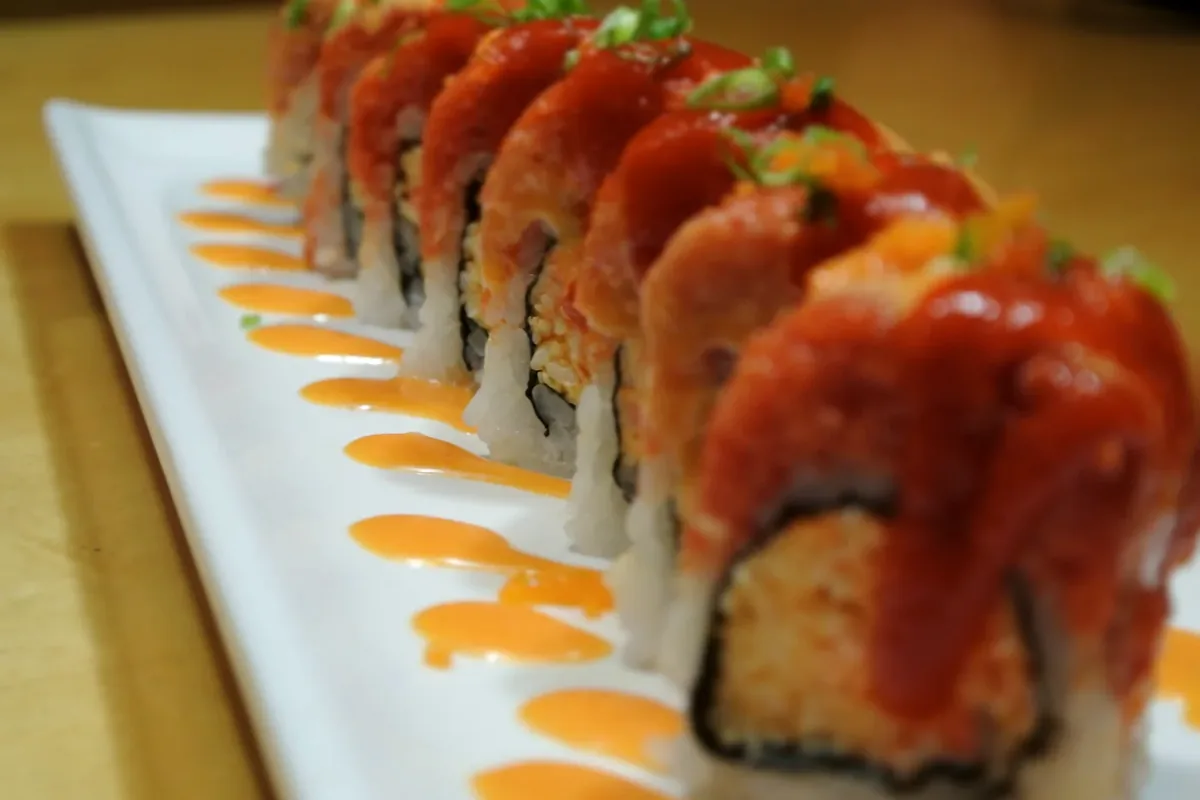
Tuna, Albacore and Yellowtail: Telling the Three Apart
Red and firm, pink and soft, white and buttery. Two of the three are tuna, one is not, and they taste nothing alike.
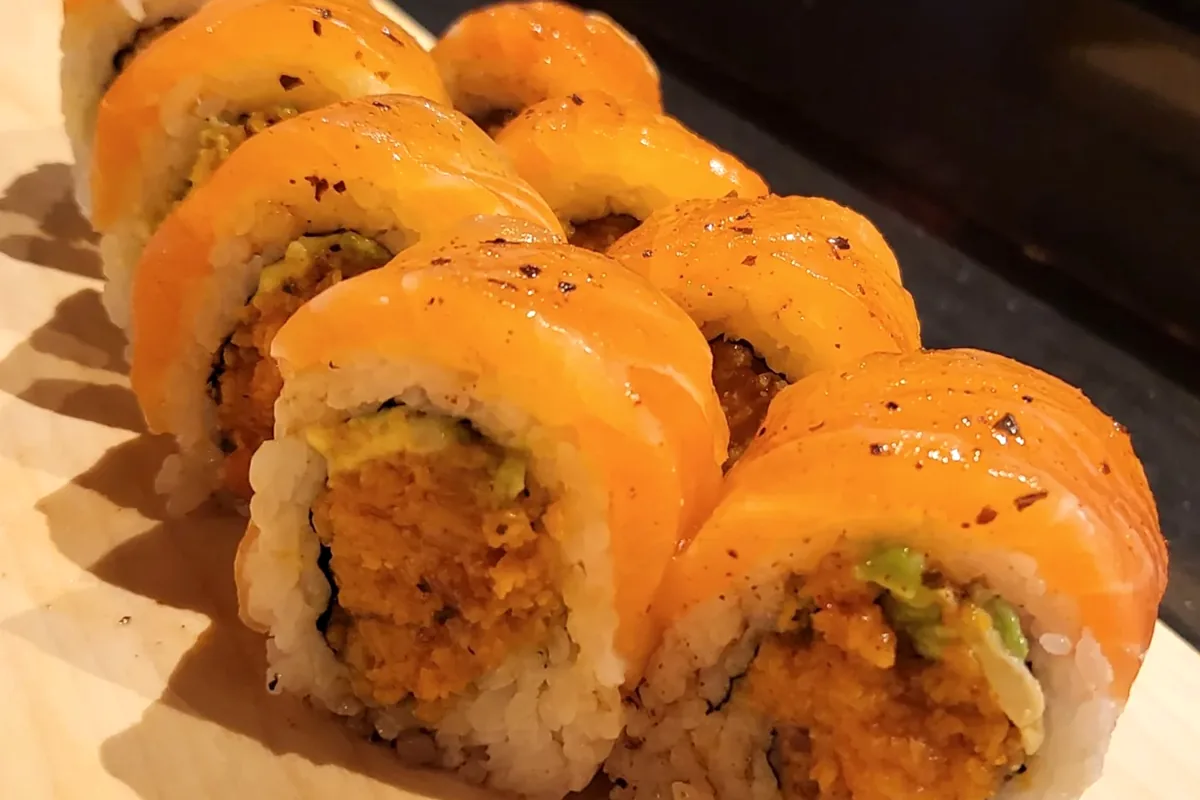
Salmon on a Japanese Menu: Eight Ways to Order It
Raw, baked, deep fried, grilled, on the bone and as crisped skin – one fish that tastes like several, depending where you find it.
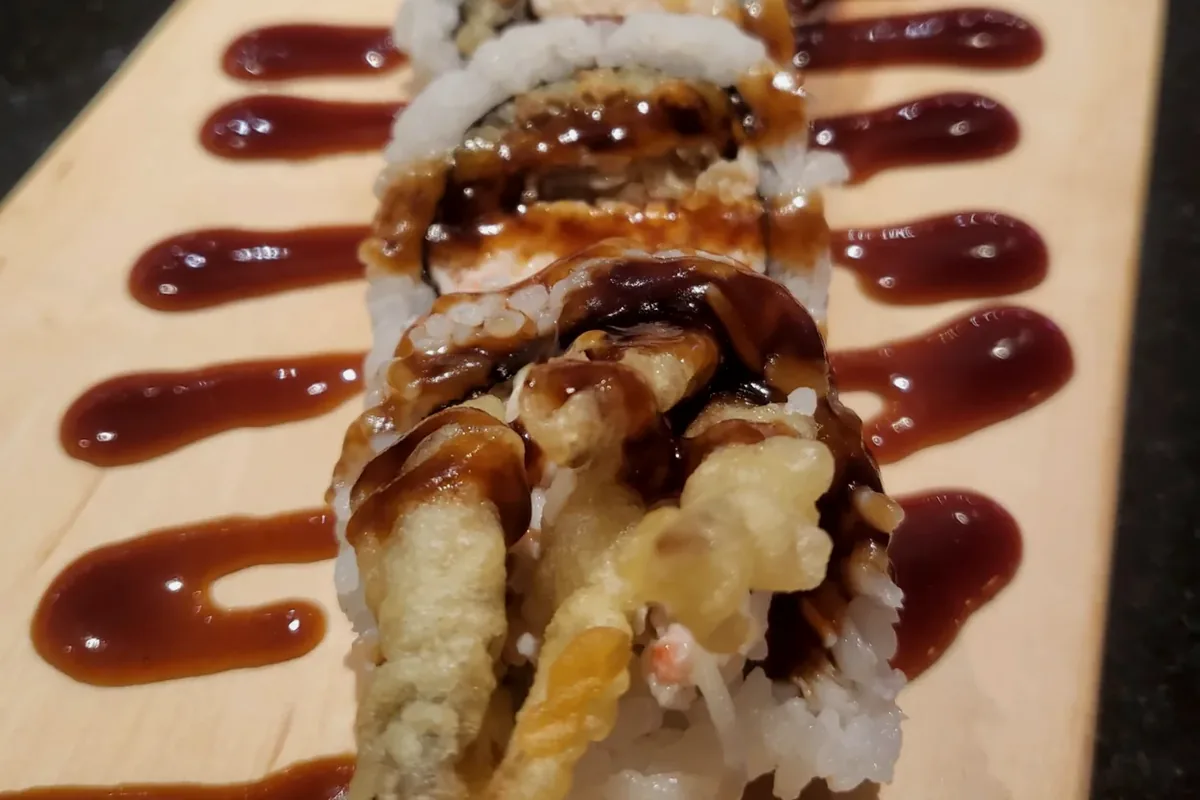
Tempura, Panko and Deep Fried: The Three Kinds of Fried
A thin wet batter, a coarse dry crumb, or the whole roll in the fryer. Four fried techniques on one menu, and what each one actually does.
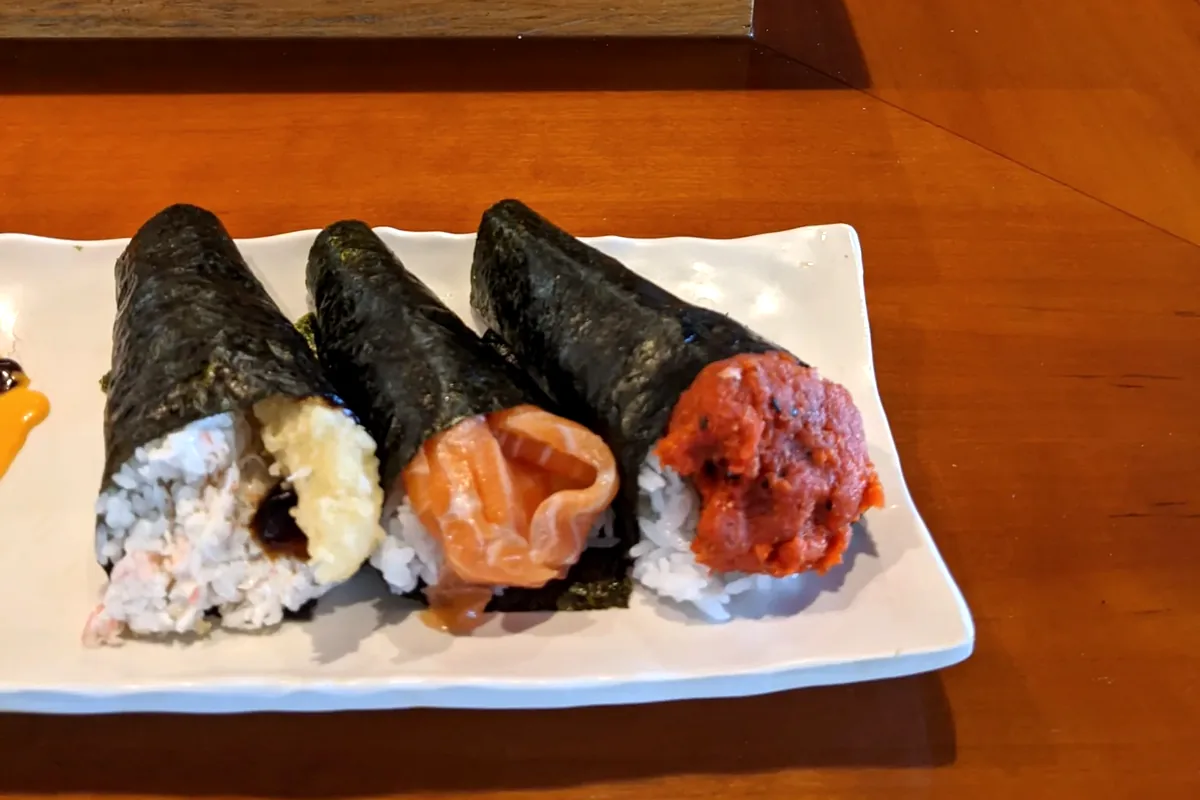
Hand Roll vs Cut Roll: What’s the Difference?
Same fillings, different geometry. A cone you eat immediately, or a cylinder cut into pieces – and why the shape decides everything.
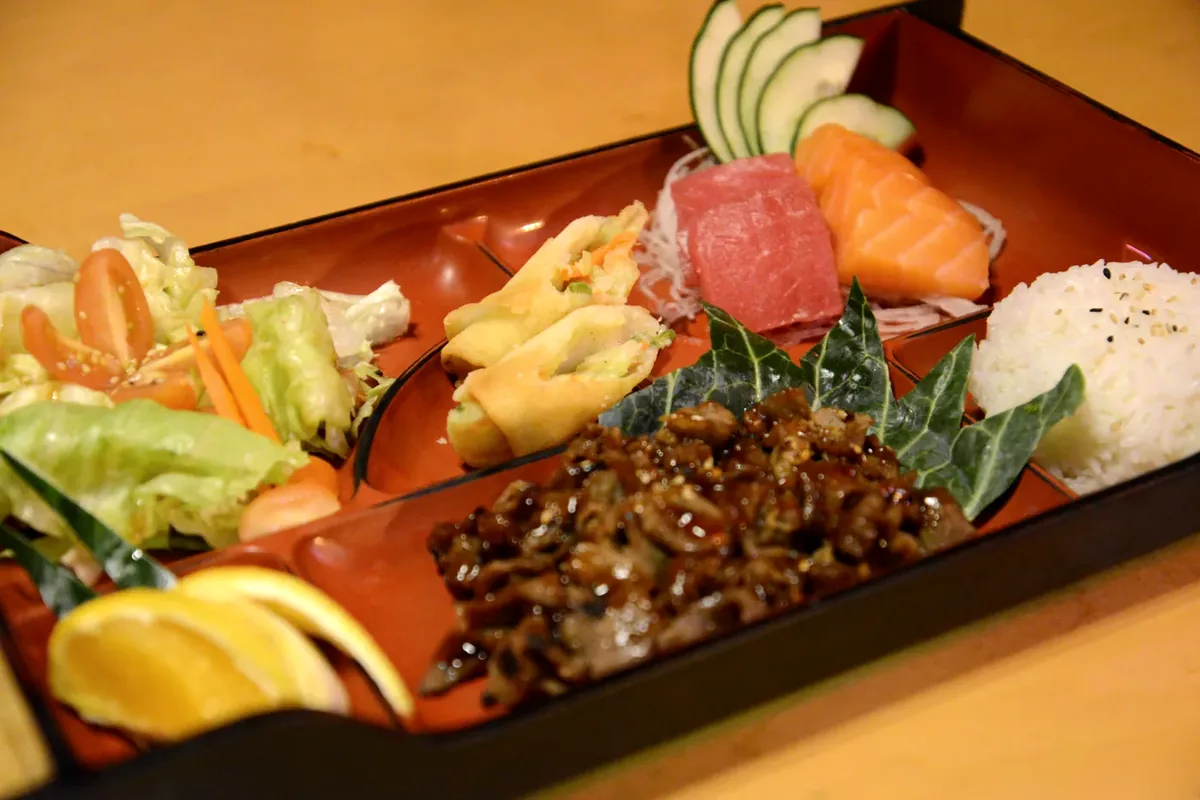
What Is a Bento Box?
A full meal in a divided tray, and the divisions are the point. What goes in one, how to choose your items, and why it travels so well.
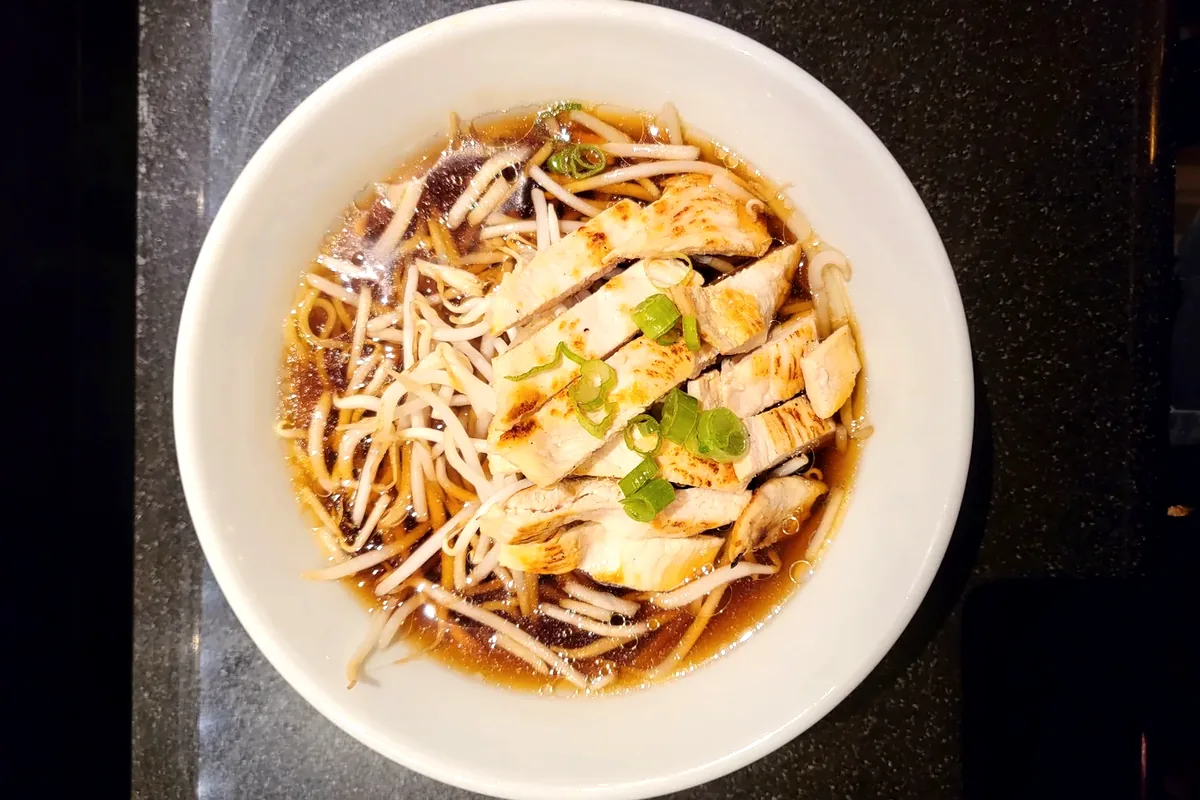
What’s in a Bowl of Ramen? Toppings Explained
Chashu, ajitama, bean sprouts, black garlic oil – what each topping is and the job it does, so you can read a bowl before it arrives.
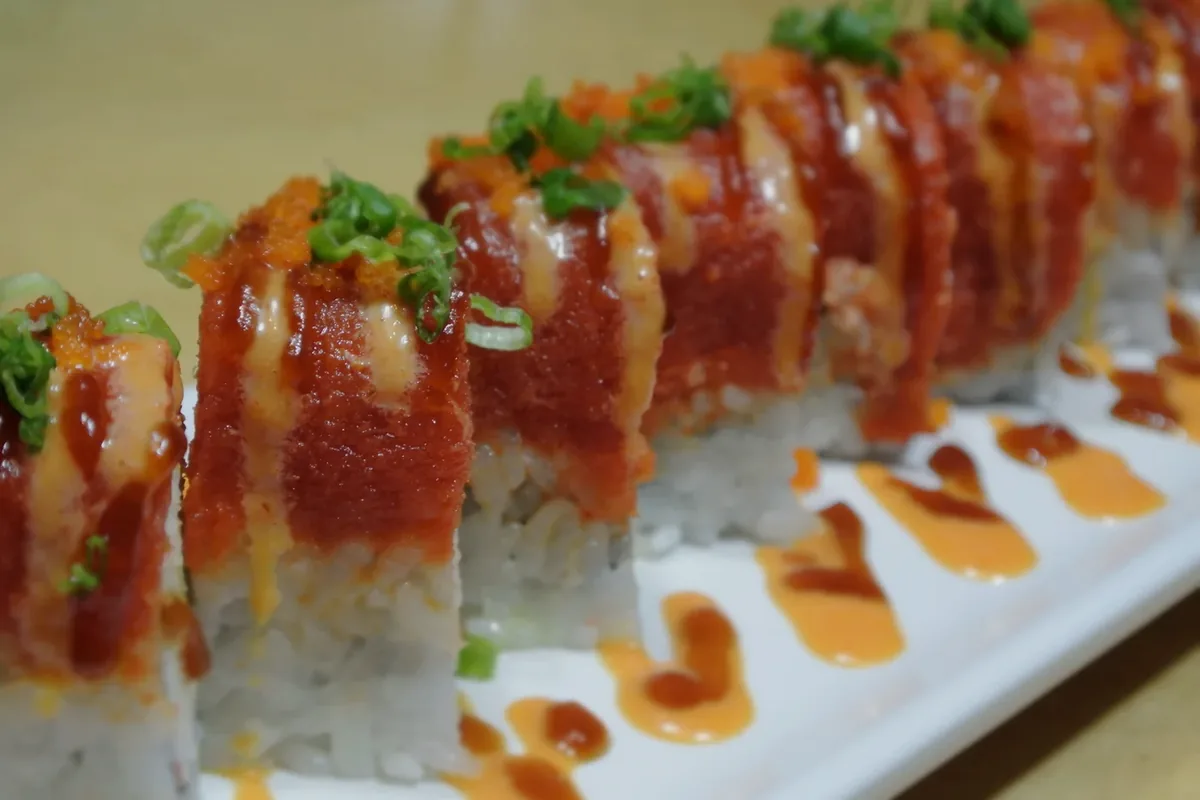
Specialty Sushi Roll Names, Decoded
Hot Night, Red Bull, Golden Tiger. The names tell you nothing – but the description underneath follows rules, and they are easy to learn.