The Journal
Dining Guides
Ordering advice, portions and planning a Japanese meal.
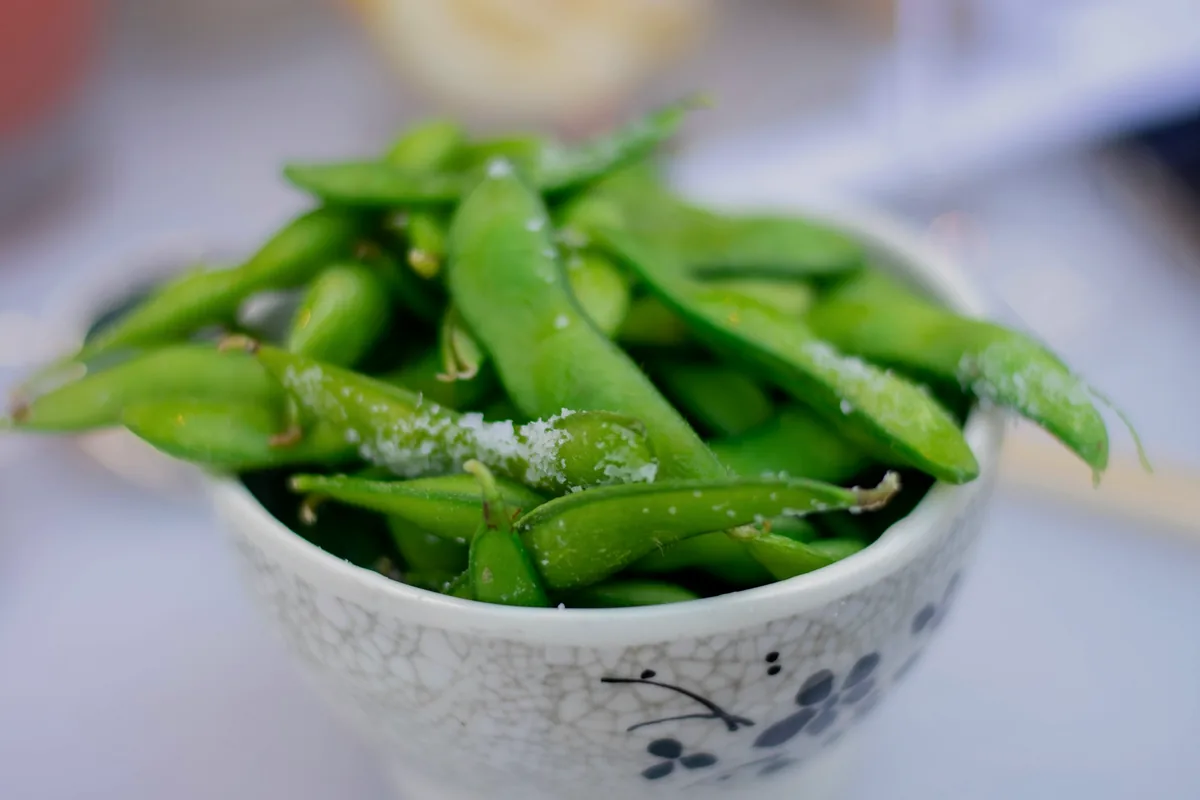
Edamame: Why It Is Always the First Thing You Order
The same bean that becomes tofu and soy sauce, picked months early. Why it comes in a pod you are not meant to eat, and plain versus garlic.
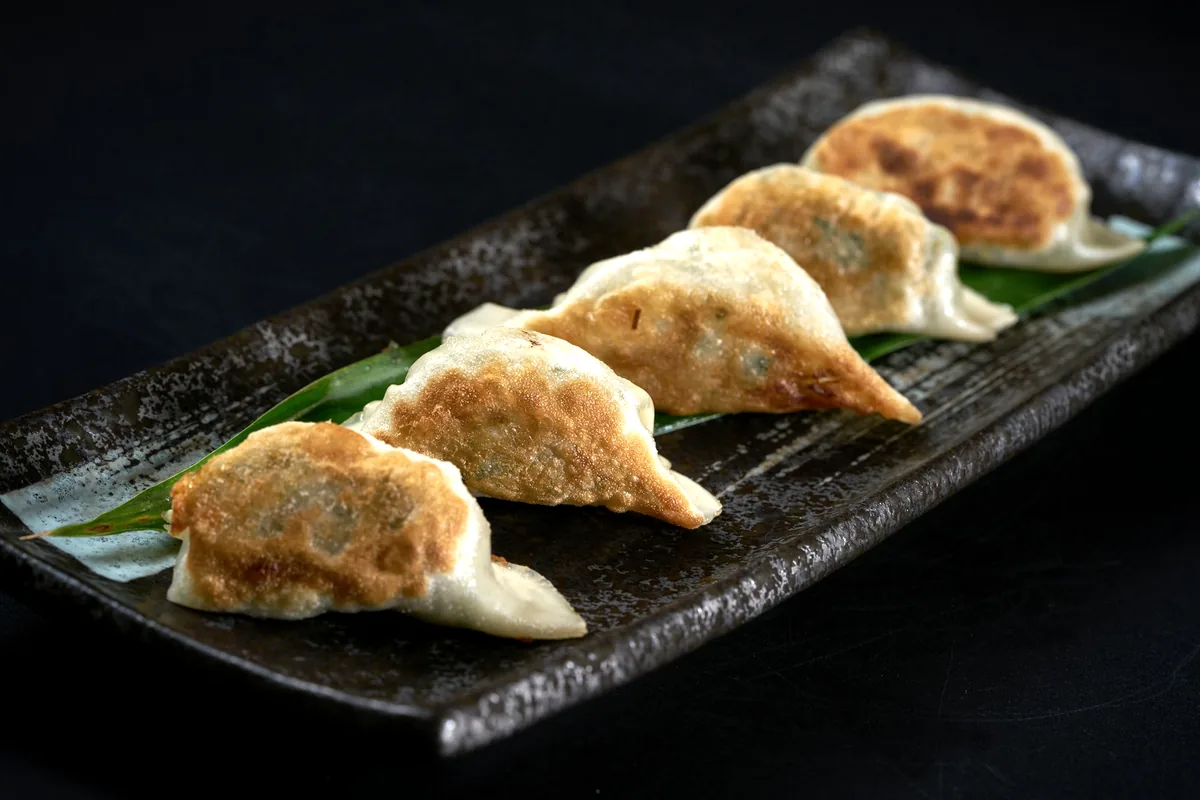
Gyoza: Fried and Steamed in the Same Pan
Crisp underneath, soft on top, and both from one pan. Why the pleats exist, how gyoza differ from every other dumpling, and how to dip them.

Ordering Japanese for an Office Lunch
Food that has to travel, wait, and suit people who did not choose it. Platters or boxes, how much, and the timing that trips people up.
Soy Sauce: What It Is and How Much to Use
Soybeans, wheat, salt and months of fermentation. The five types, the brewed-versus-chemical distinction, and why you are pouring too much.
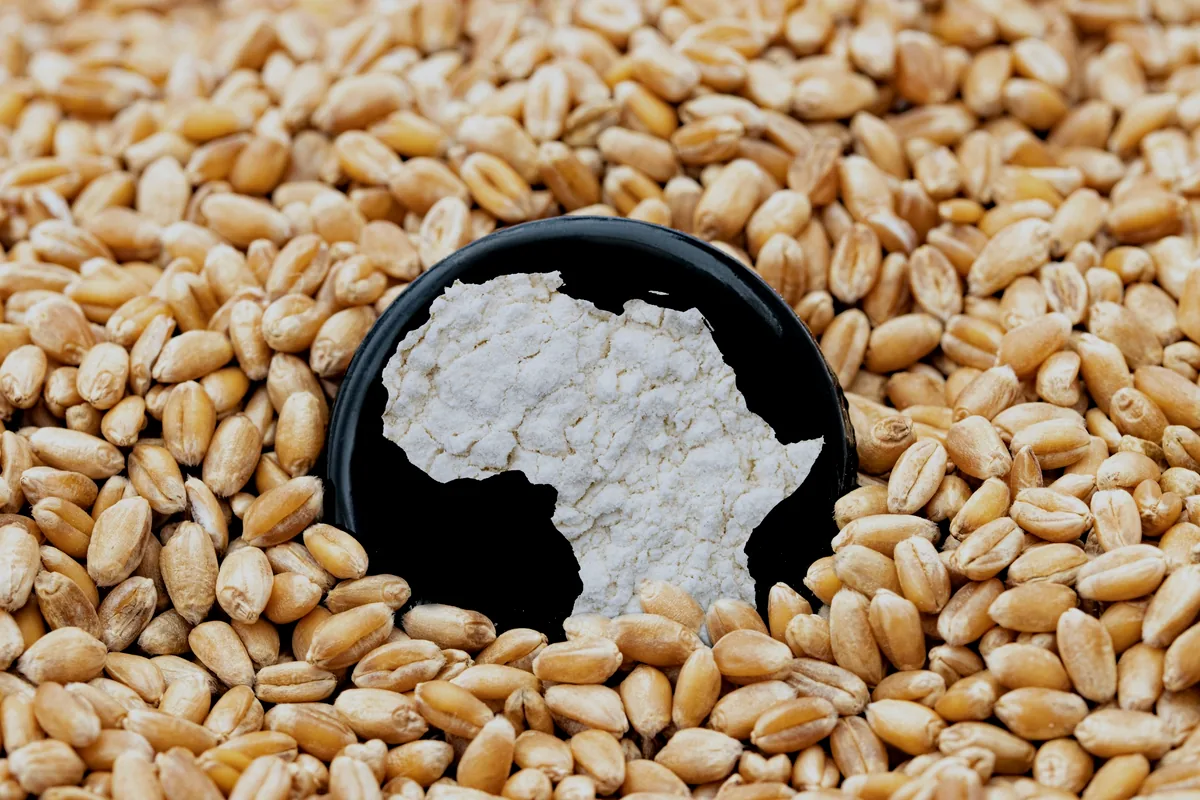
Allergens on a Japanese Menu
Soy, wheat, fish and sesame are structural rather than occasional, and they arrive through sauces and stocks a dish name never mentions.

Eating Alone at a Sushi Bar
A counter is one of the few restaurant formats built for one. Take the stool, order in stages, and eat the hand roll at its best.
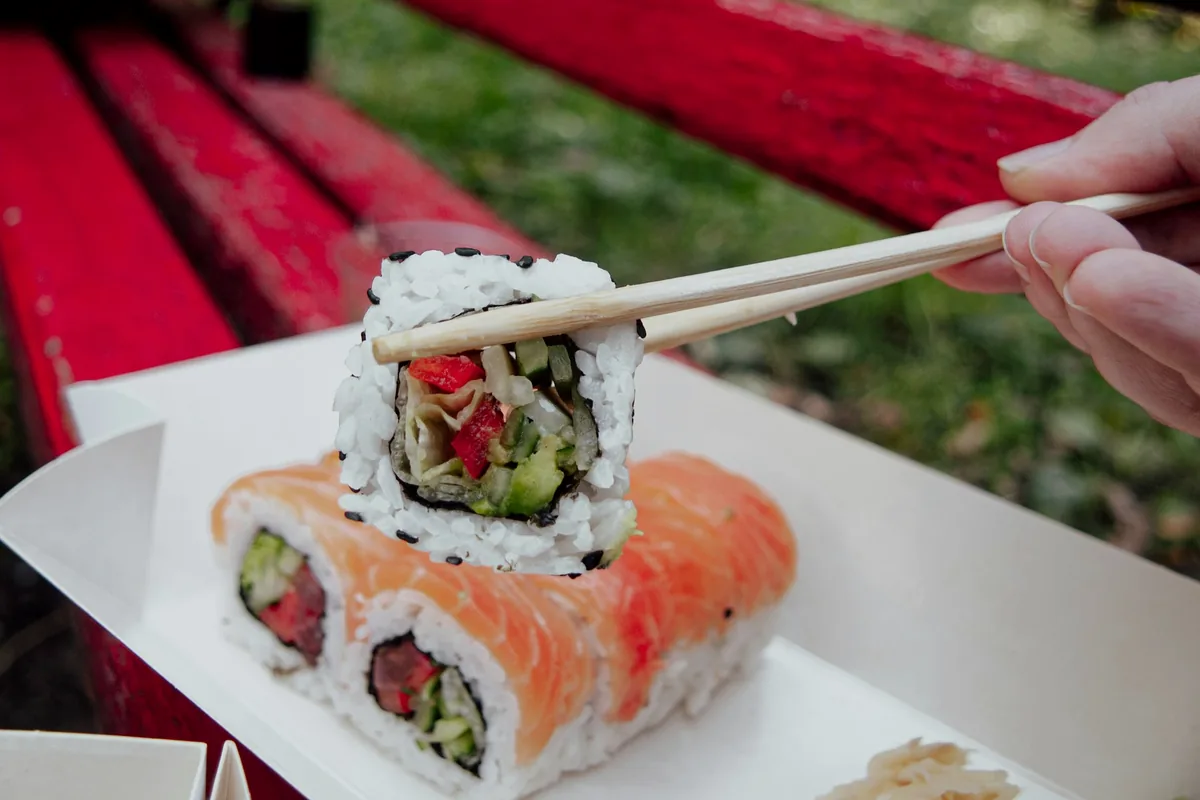
Chopsticks: How to Hold Them and What Not to Do
The bottom stick never moves. Two rules that genuinely matter, a longer list that does not, and permission to use your hands.
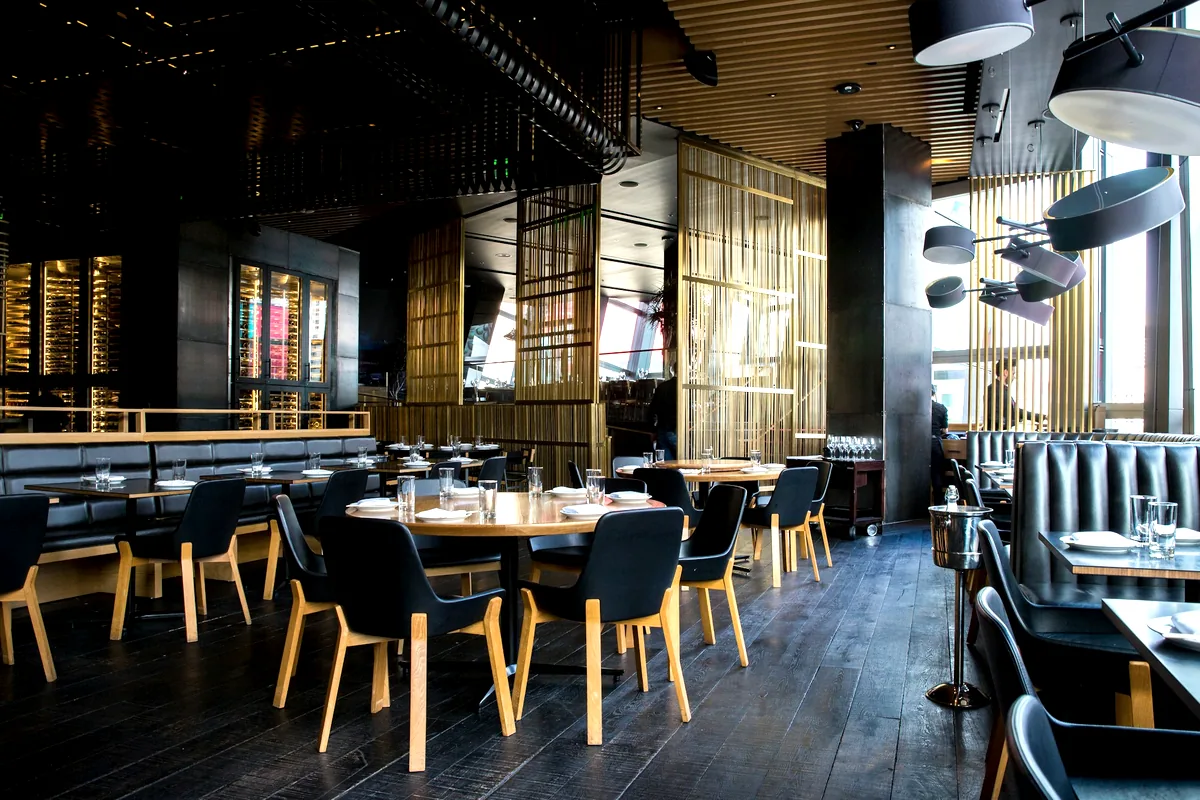
How to Read a Sushi Restaurant in Five Minutes
Taste the rice, look at the case, notice the hour. The signals worth reading are dull, visible and free – and menu length is not one of them.
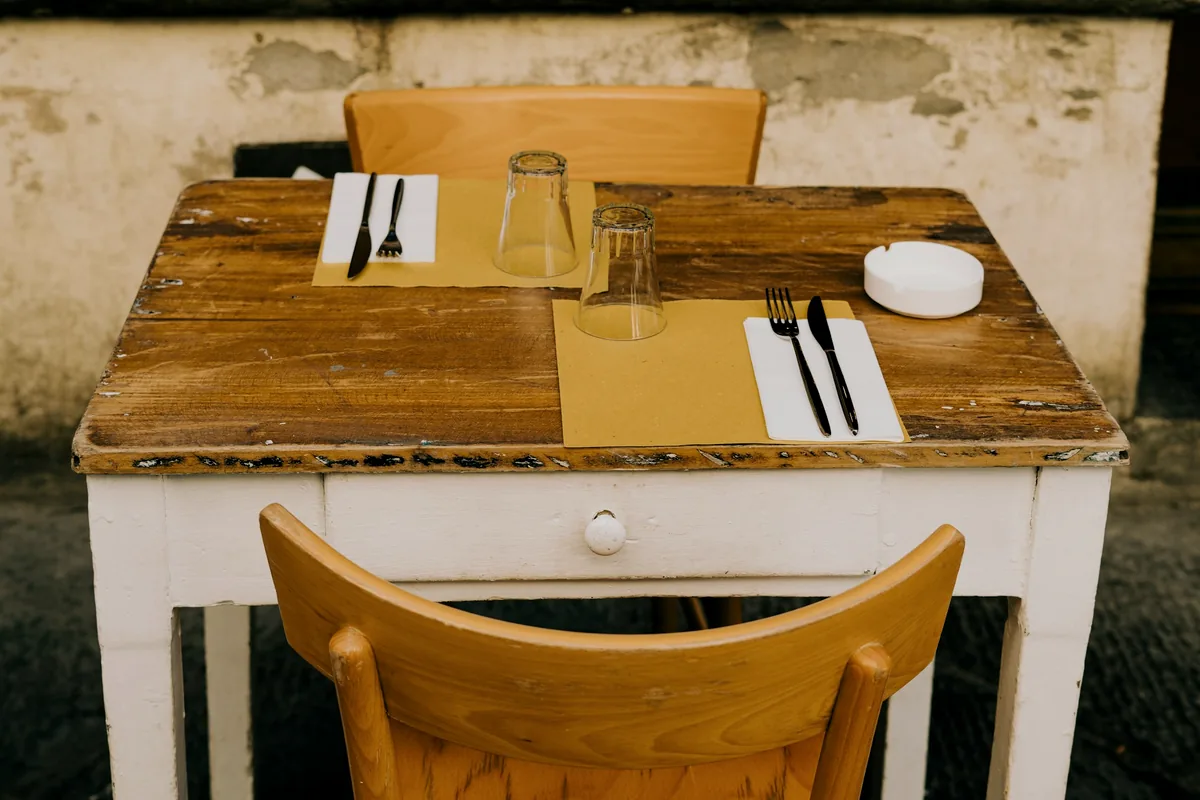
Dinner for Two at a Japanese Restaurant
Order two-thirds of what you want, use both kitchens, then order again. Two is the size a Japanese menu suits best.
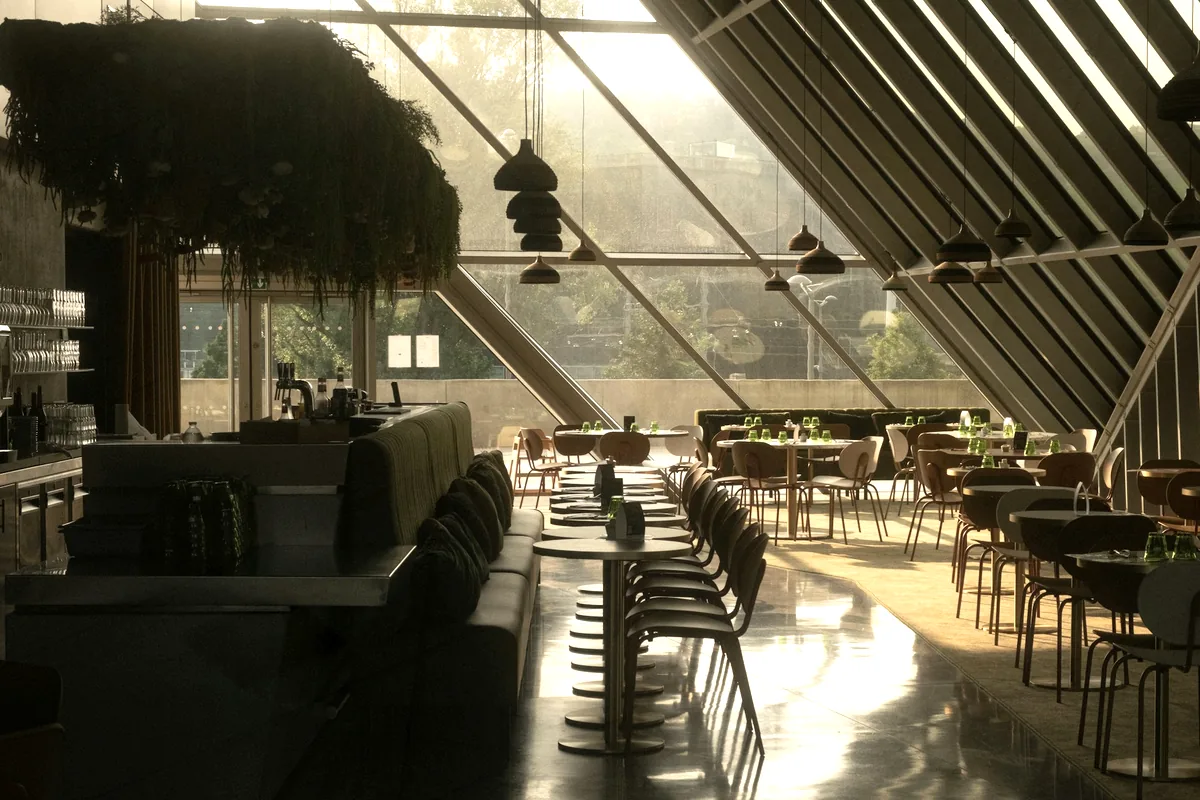
Lunch or Dinner: When to Come and What Changes
Two services, a two-hour gap and a closing day. What differs between midday and evening, and which suits the visit you have in mind.