The short answer
Format wordsmaki, nigiri, temaki, sashimi
Method wordstempura, katsu, teriyaki, yaki
Almost every unfamiliar word on a Japanese menu is one of those two things: the shape it comes in, or what was done to it. Learn twenty and you can read any of them.
A Japanese menu uses maybe forty words that are not English, and most of them repeat. This is the list, grouped by what each word is actually telling you.
01 — FormatsWords that describe the shape
These tell you what arrives on the plate, and they are the words worth learning first.
| Word | What it is |
|---|---|
| Sushi | Vinegared rice. Anything built on it is sushi — raw fish is not required |
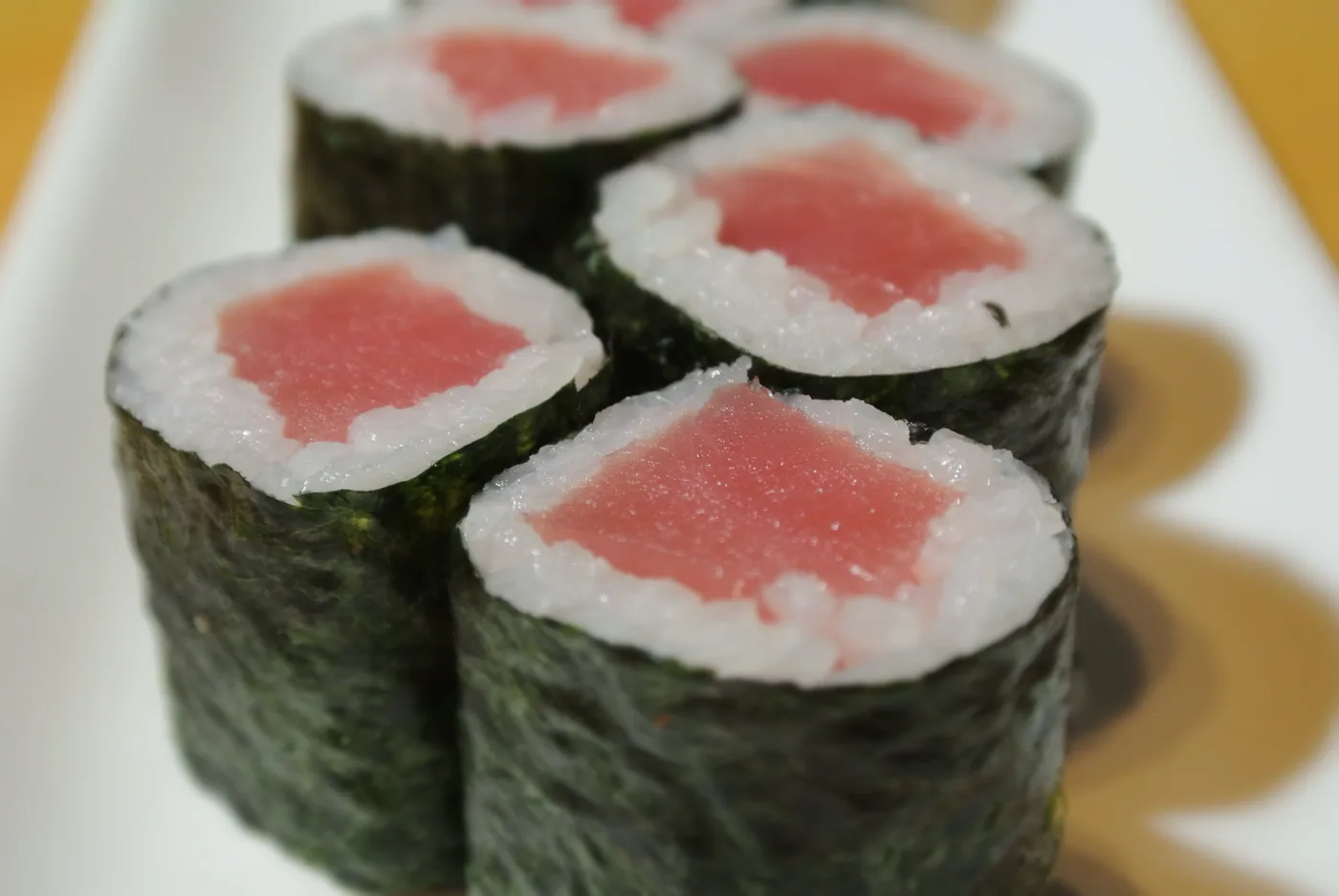
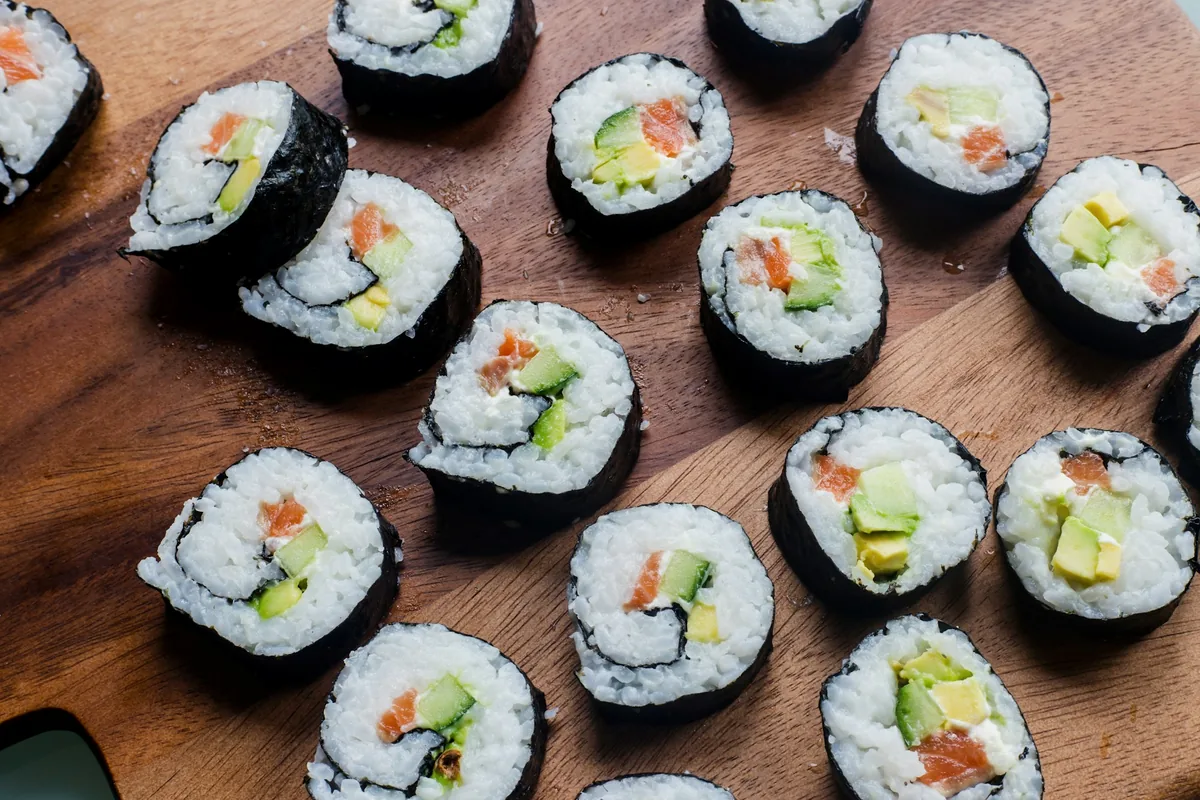
| Maki | A rolled cylinder, cut into pieces |
| Nigiri | A hand-pressed block of rice with a topping laid over it |
| Temaki | A hand roll — a cone of nori, not cut |
| Sashimi | Sliced fish served without rice, so not technically sushi |
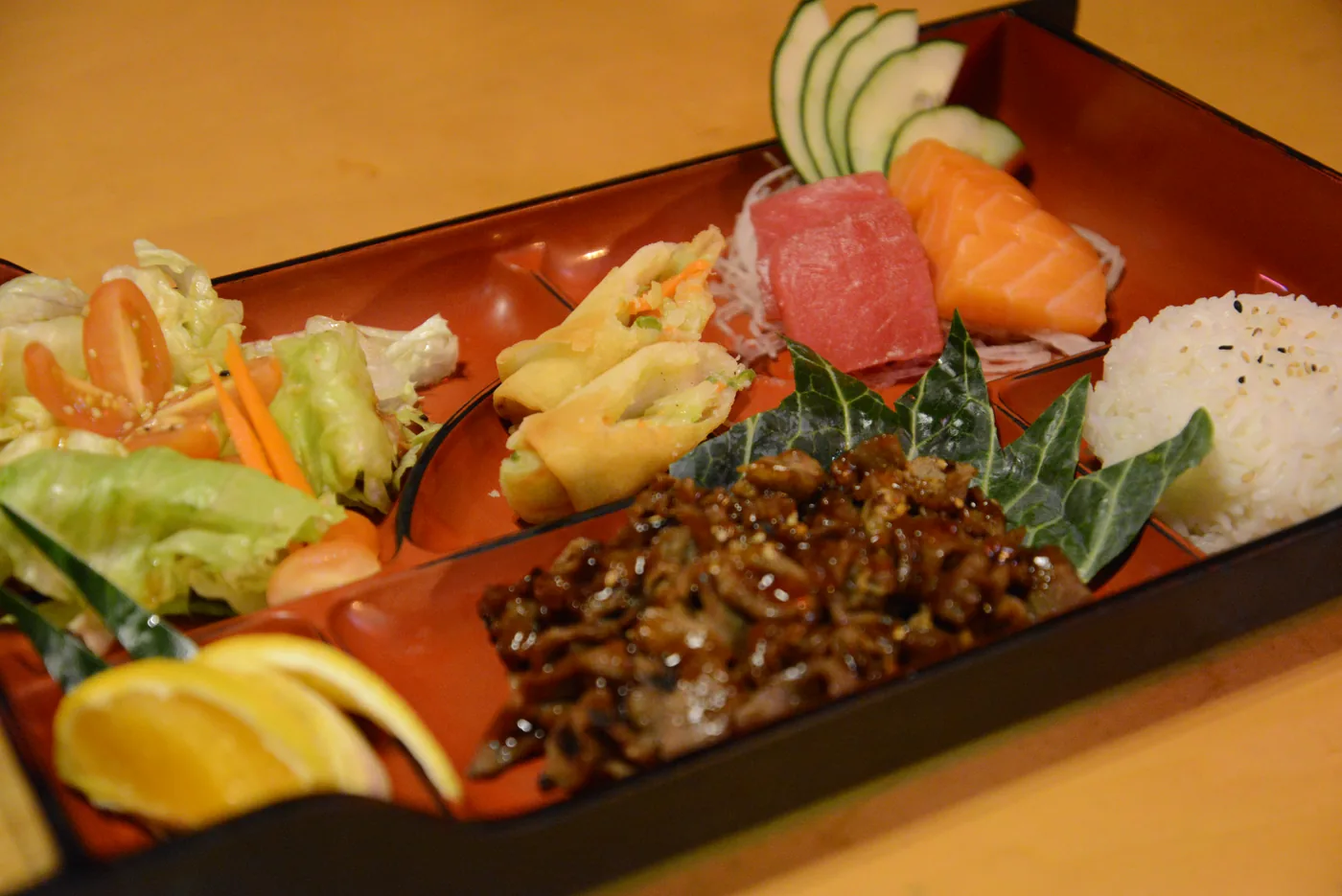
| Bento | A divided box or tray holding a full meal |
| Donburi | A rice bowl with something served over the top |
Two of these cause most of the confusion. Sushi does not mean raw fish — it means the rice, which is why the rice is the part that matters. And sashimi is not a kind of sushi, for exactly that reason.
Words that describe what was done to it
| Word | What it is |
|---|---|
| Tempura | Battered in a thin, cold batter and fried |
| Panko | Coarse Japanese breadcrumb — crunchier than a fine crumb |
| Katsu | A cutlet, breaded in panko, fried and sliced |
| Tonkatsu | Katsu made with pork. Ton means pork |
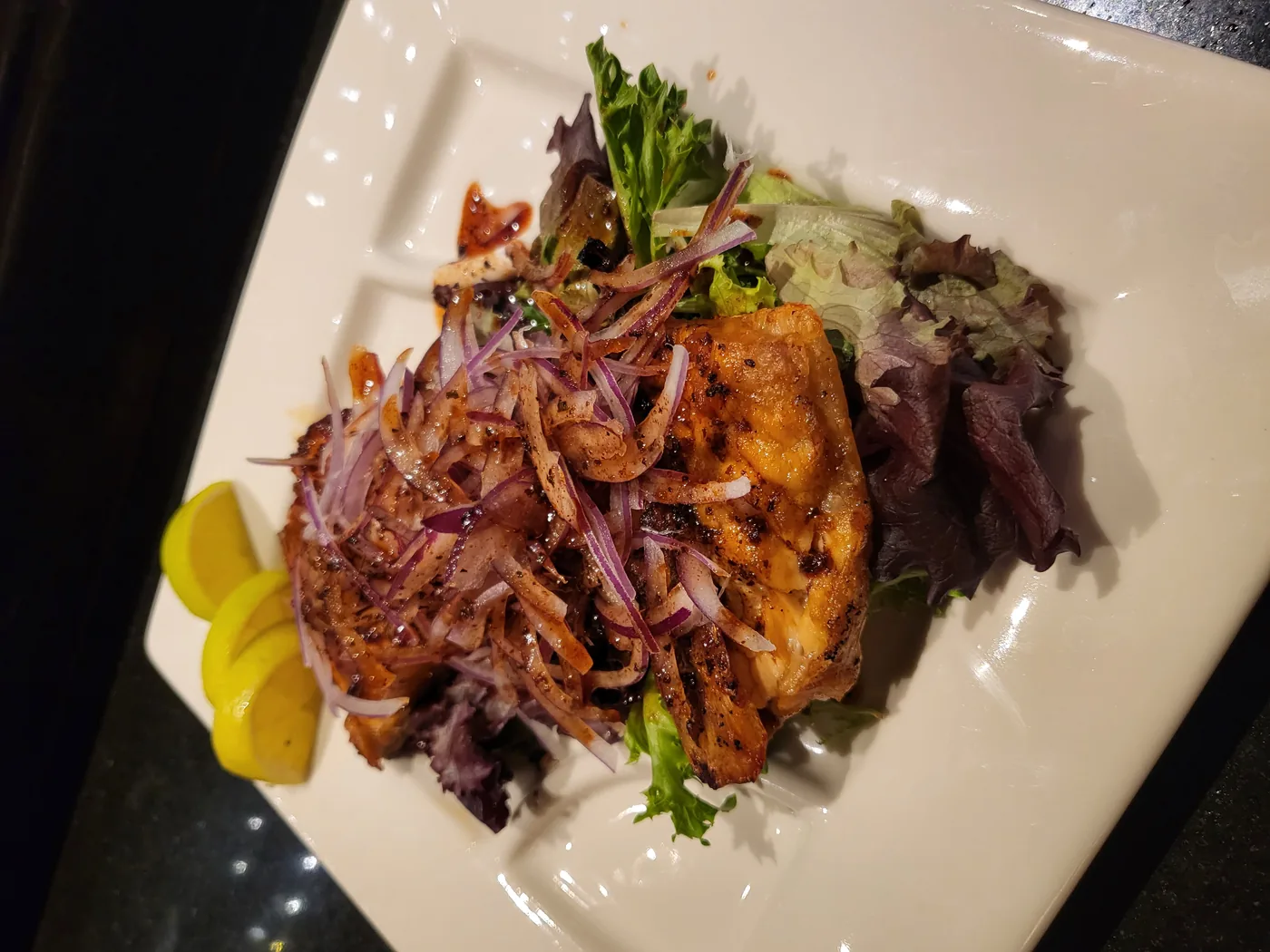
| Teriyaki | Grilled and glazed. Teri is the shine, yaki is grilled |
| Yaki | Grilled or pan-fried — as in yakisoba, yaki udon, yakitori |
| Karaage | Marinated, coated in starch and fried, usually chicken |
| Agedashi | Lightly coated, fried, then served in a warm broth |
| Seared | Cooked on the surface only. Not the same as cooked |
Yaki is the most useful of these because it is a building block. Attach it to a noodle and you get the dish name: yakisoba is pan-fried thin noodles, yaki udon is pan-fried udon. The three fried techniques — tempura, panko and a whole-roll fry — are compared in the three kinds of fried.
Fish and seafood
| Word | What it is |
|---|---|
| Maguro | Tuna — deep red, lean, firm |
| Sake (as a fish) | Salmon. Spelled the same as the drink, said differently |
| Hamachi | Yellowtail — an amberjack, not a tuna |
| Unagi | Freshwater eel, always served cooked and glazed |
| Ebi | Shrimp, usually cooked |
| Kanikama | Imitation crab — a cooked fish paste product |
| Tako | Octopus |
| Masago | Small orange roe, often on the outside of a roll |
Good to know
Menus mix Japanese and English freely, and often within one line. A description reading “spicy tuna w/ shrimp tempura roll” is three languages of food vocabulary in seven words. Read for the technique words first and the rest usually resolves itself.
Ingredients, sauces and everything else
| Word | What it is |
|---|---|
| Nori | Pressed, toasted seaweed sheets |
| Wakame | The soft green seaweed in miso soup and seaweed salad |
| Kombu | Thick kelp, used to make stock |
| Dashi | The basic Japanese stock, made from kombu and dried fish |
| Miso | Fermented soybean paste |
| Shoyu | Soy sauce |
| Ponzu | A thin citrus and soy dressing |
| Mirin | Sweet rice wine used in cooking, not for drinking |
| Kansui | Alkaline water that makes a ramen noodle a ramen noodle |
| Chashu | Braised pork belly, the standard ramen topping |
| Ajitama | A soft boiled egg marinated in soy |
| Gobo | Burdock root — earthy, crunchy, often in vegetable rolls |
| Gari | Pickled ginger, eaten between fish rather than on them |
| Edamame | Young soybeans, boiled and salted in the pod |
| Gyoza | Pan-fried dumplings |
| Takoyaki | Battered octopus balls, sauced and topped |
| Ramune | A soda bottled with a glass marble in the neck |
The words that trip people up
A handful of terms cause more confusion than the rest of the list combined, usually because they sound like something they are not.
Soba. Strictly it means buckwheat noodles. Loosely it means any thin noodle, which is how yakisoba ends up containing no buckwheat at all. If you are avoiding buckwheat, yakisoba is not the dish to worry about.
Sake. Two different words that arrive in English spelled identically. On a sushi list it is salmon; on a drinks list it is the brewed rice wine.
Eel sauce. Contains no eel. It is named after the dish it is brushed onto, not its ingredients — it is a reduction of soy sauce, mirin and sugar.
Crab. Frequently kanikama, a cooked fish paste product rather than crab. It is not a lesser ingredient, but it is not crab, and the distinction matters if you are avoiding shellfish or fish.
Seared. Cooked on the outside, raw in the middle. Reading it as cooked is the mistake most likely to matter to somebody.
The menu words that are not Japanese at all
A specialty roll list carries its own vocabulary, invented in-house and used consistently within one restaurant but not between them.
- Golden — deep fried whole.
- Crunch — fried tempura crumb scattered on top, not a fried roll.
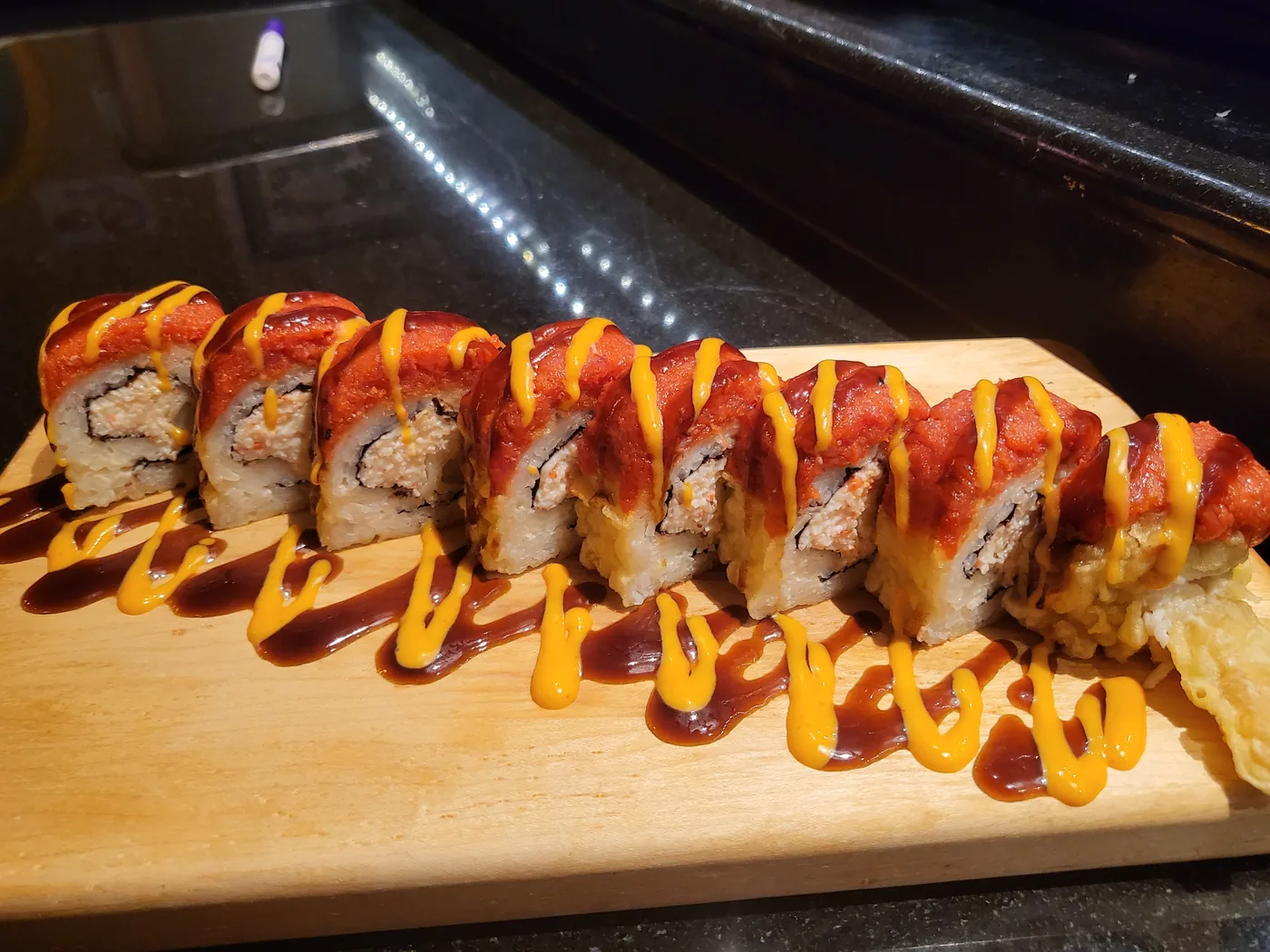
- Spicy — mixed with a spicy mayonnaise. Rarely hot.
- Baked — topped with seafood and sauce, then finished under heat.
- No rice — wrapped in fish or cucumber instead of rice and nori.
- On top — marks the topping. Everything before it is inside.
Those six do more work than any Japanese term on a specialty list. The full method for reading one is in how to decode a roll description.
Frequently asked questions
Does sushi mean raw fish?
No. It means vinegared rice. A cucumber roll is sushi; a plate of raw fish with no rice is sashimi.
What is the difference between maki and nigiri?
Maki is rolled and cut into pieces. Nigiri is a hand-pressed block of rice with a topping laid across it.
Is sake the fish or the drink?
Both, spelled the same in English. On a sushi list it means salmon; on a drinks list it means the rice wine.
What does “spicy” mean on a sushi menu?
That the filling has been mixed with a spicy mayonnaise. It reads as creamy more than hot.
Is it rude to ask what something is?
No, and it is the fastest way to order well. Descriptions on a specialty list are short by necessity and leave real gaps.
The short version
Format or method: nearly every word is one or the other. Maki, nigiri, temaki and sashimi tell you the shape; tempura, katsu, teriyaki and yaki tell you the technique. Everything else is an ingredient.
Take it with you to the menu, or start with how to order across one.