The Journal
From the Kitchen
Short reads on how the food is made, and on ordering well across a menu that runs from the sushi bar to the hot kitchen.
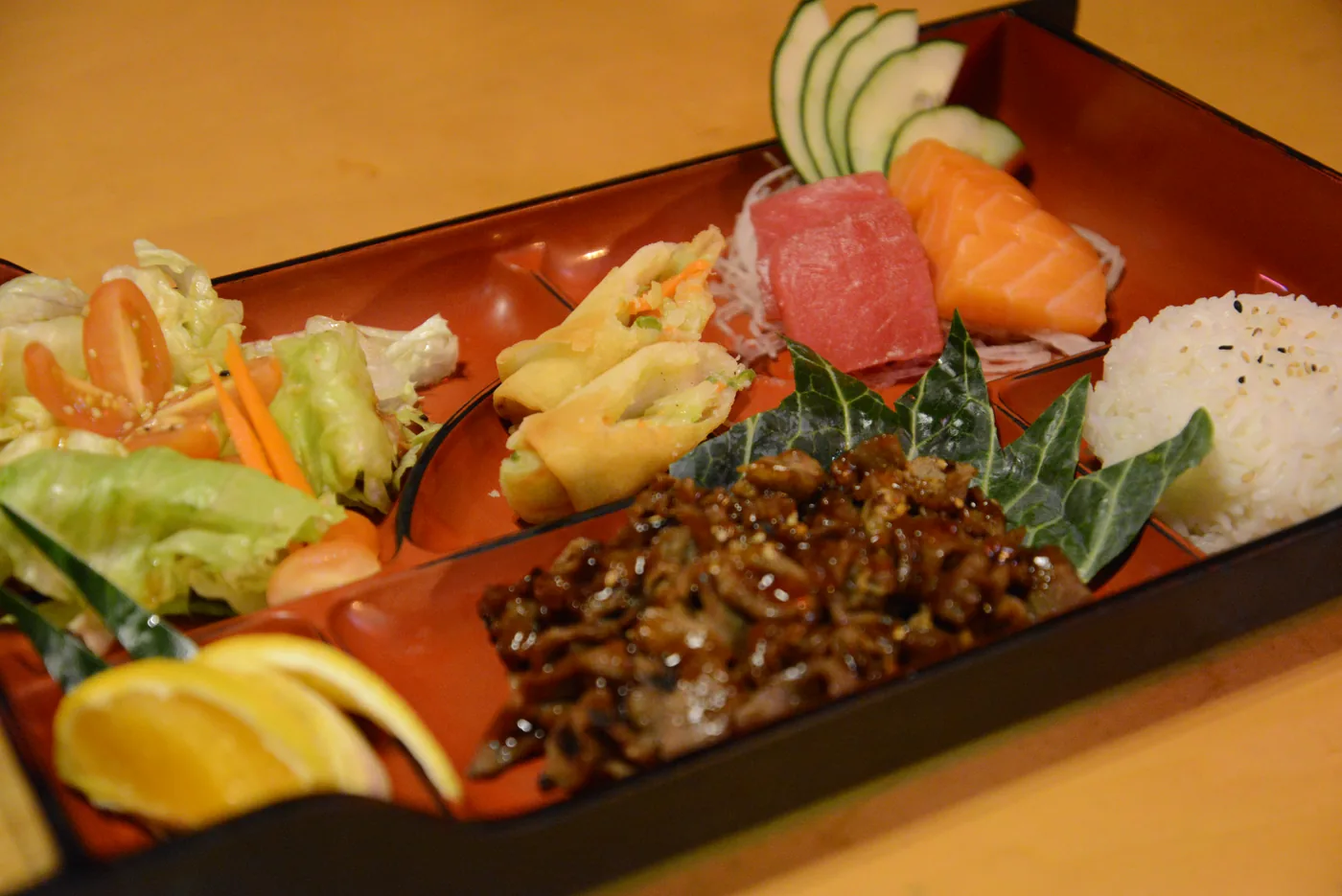
Combos and Plates: Ordering a Whole Meal
À la carte gives you control and hands you the quantity problem. A combo hands back a finished meal, with the sides already decided.
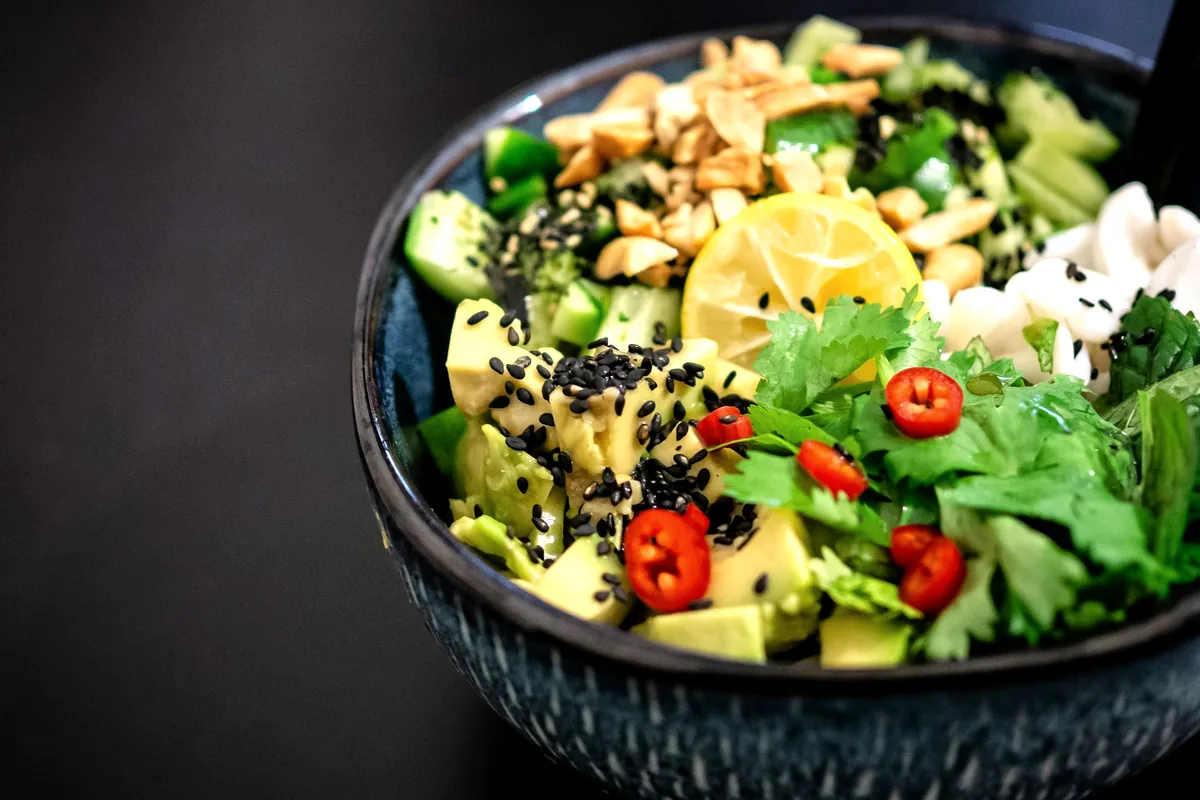
Masago, Sesame and the Small Things on Top
The orange beads, the seeds, the green flecks and the plastic leaf. What each garnish is and the job it is doing.
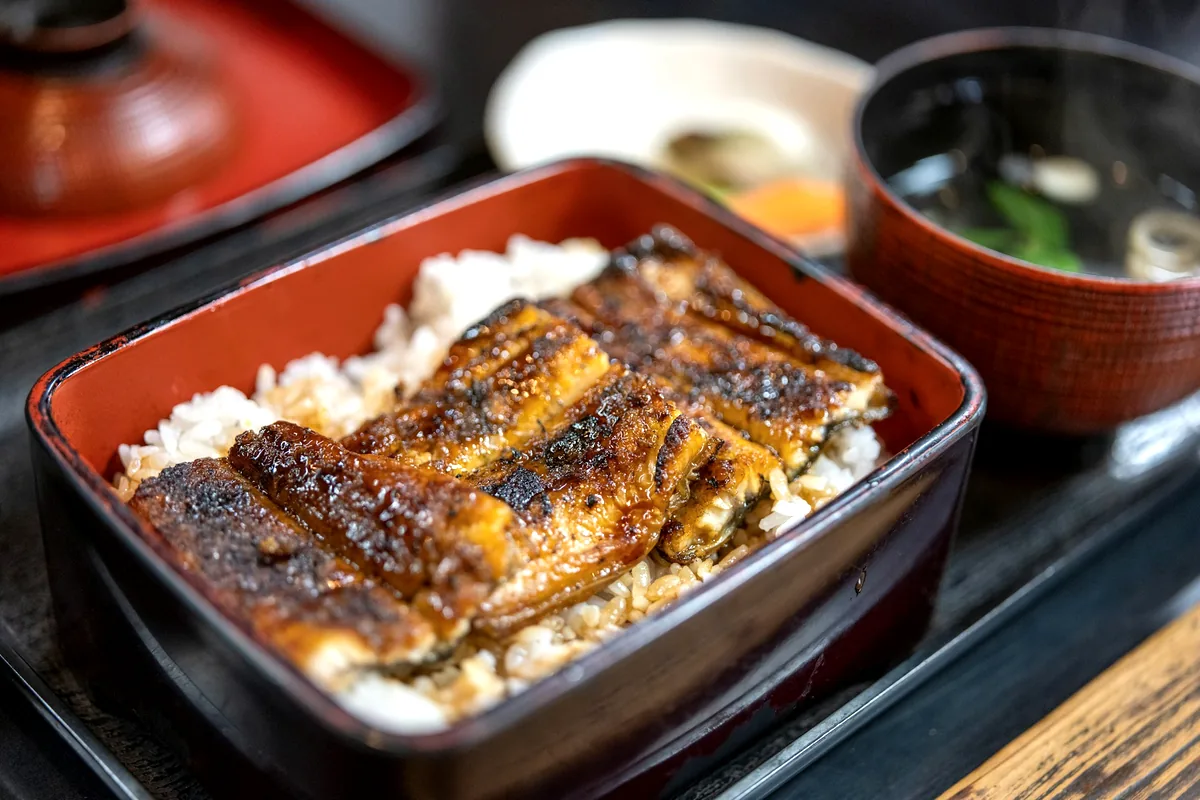
Eel: The One Fish That Is Never Raw
Grilled, glazed and always cooked – for a reason involving its blood. Where it appears, why it pairs with avocado, and the sauce named after it.

Eating Alone at a Sushi Bar
A counter is one of the few restaurant formats built for one. Take the stool, order in stages, and eat the hand roll at its best.
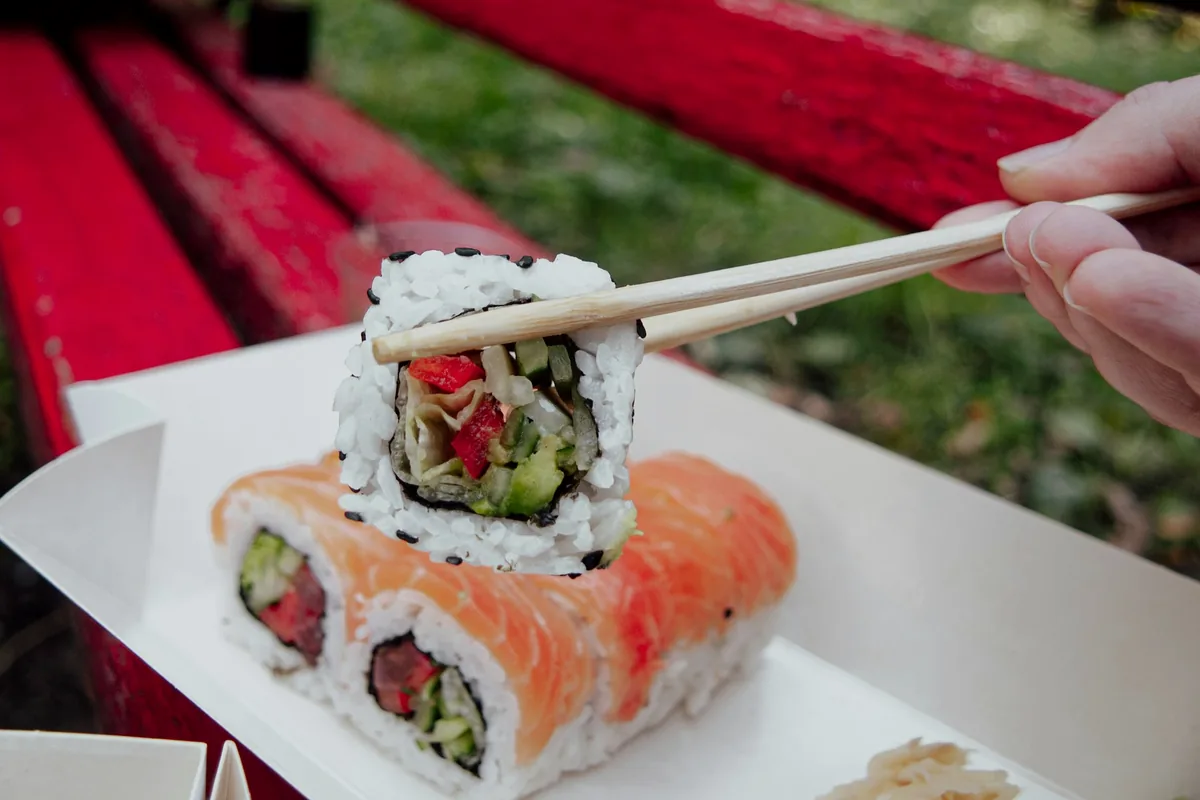
Chopsticks: How to Hold Them and What Not to Do
The bottom stick never moves. Two rules that genuinely matter, a longer list that does not, and permission to use your hands.
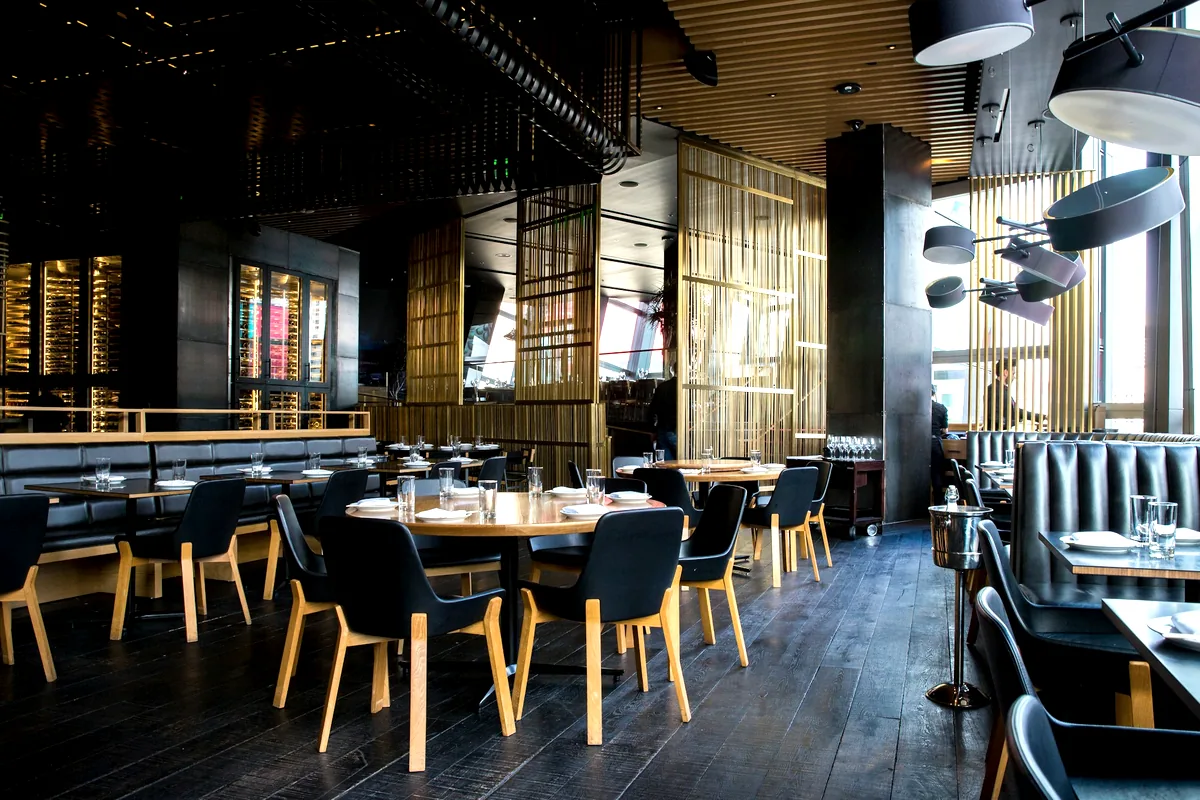
How to Read a Sushi Restaurant in Five Minutes
Taste the rice, look at the case, notice the hour. The signals worth reading are dull, visible and free – and menu length is not one of them.
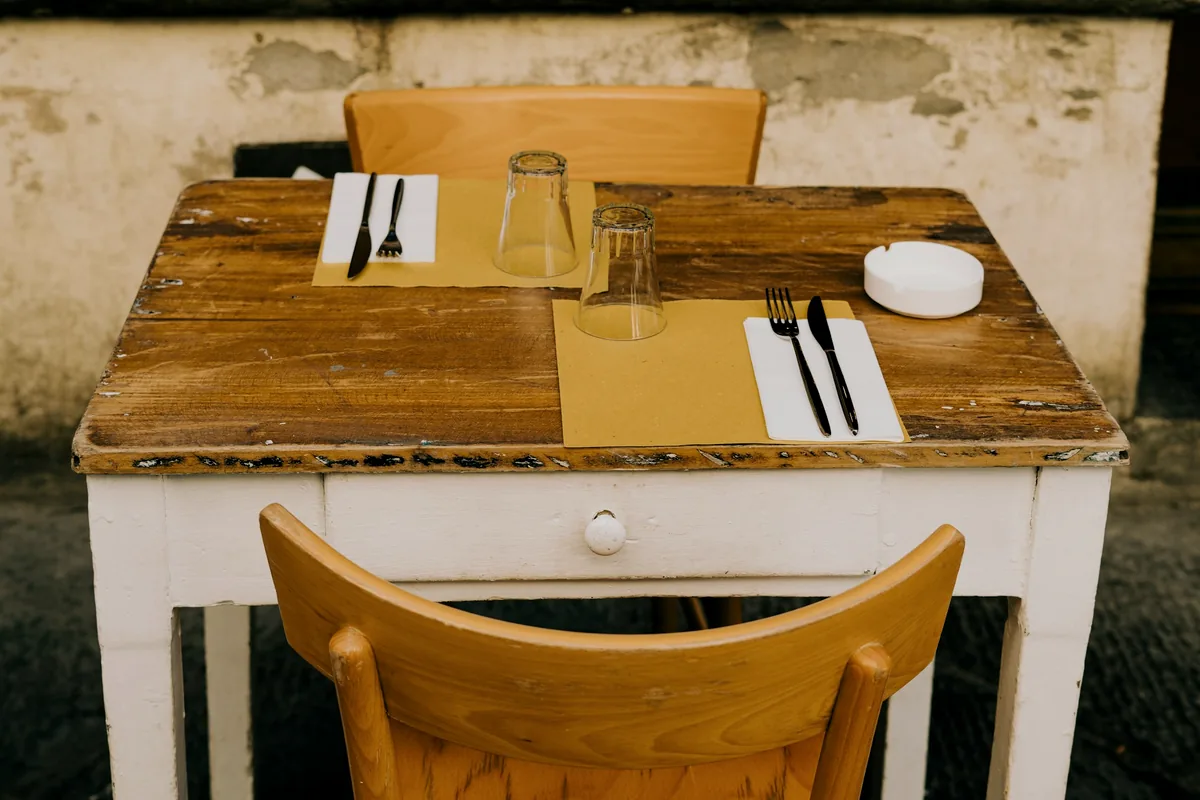
Dinner for Two at a Japanese Restaurant
Order two-thirds of what you want, use both kitchens, then order again. Two is the size a Japanese menu suits best.
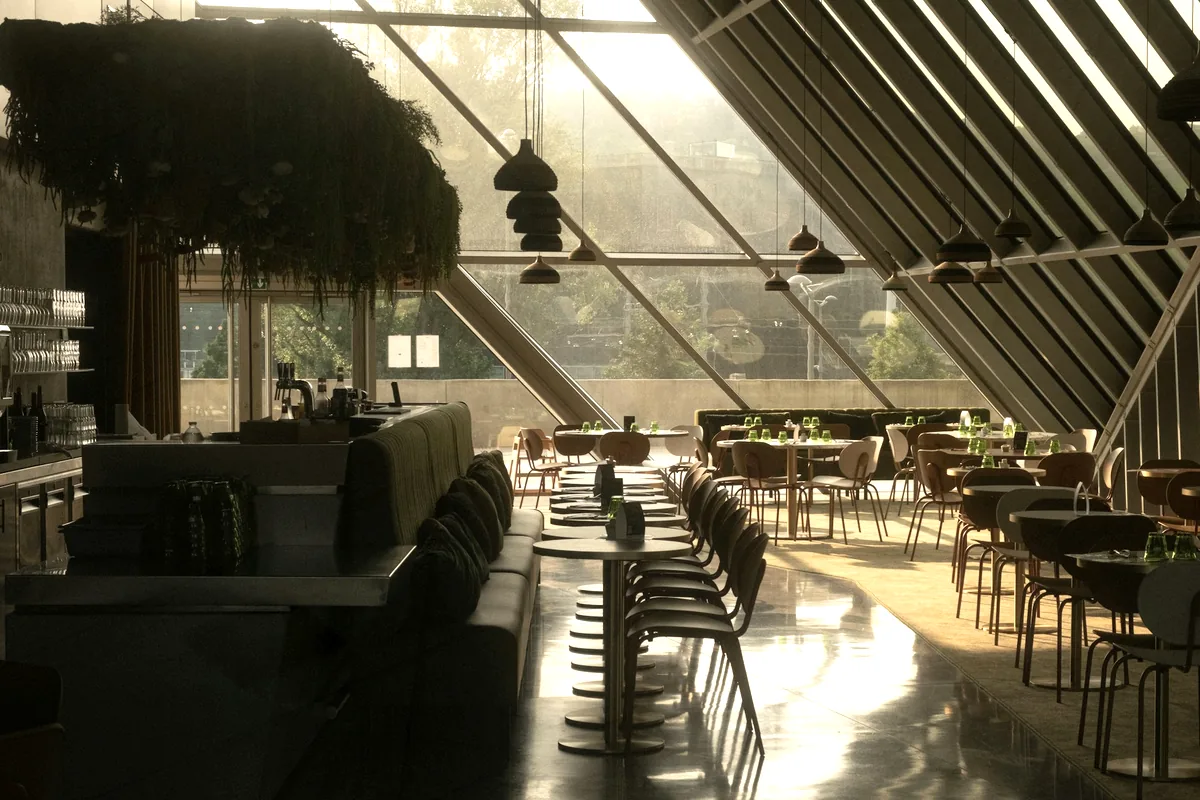
Lunch or Dinner: When to Come and What Changes
Two services, a two-hour gap and a closing day. What differs between midday and evening, and which suits the visit you have in mind.
Wasabi: Real, Imitation and How to Use It
Most green paste is horseradish, for good practical reasons. Why the heat goes up rather than down, and how much to actually use.
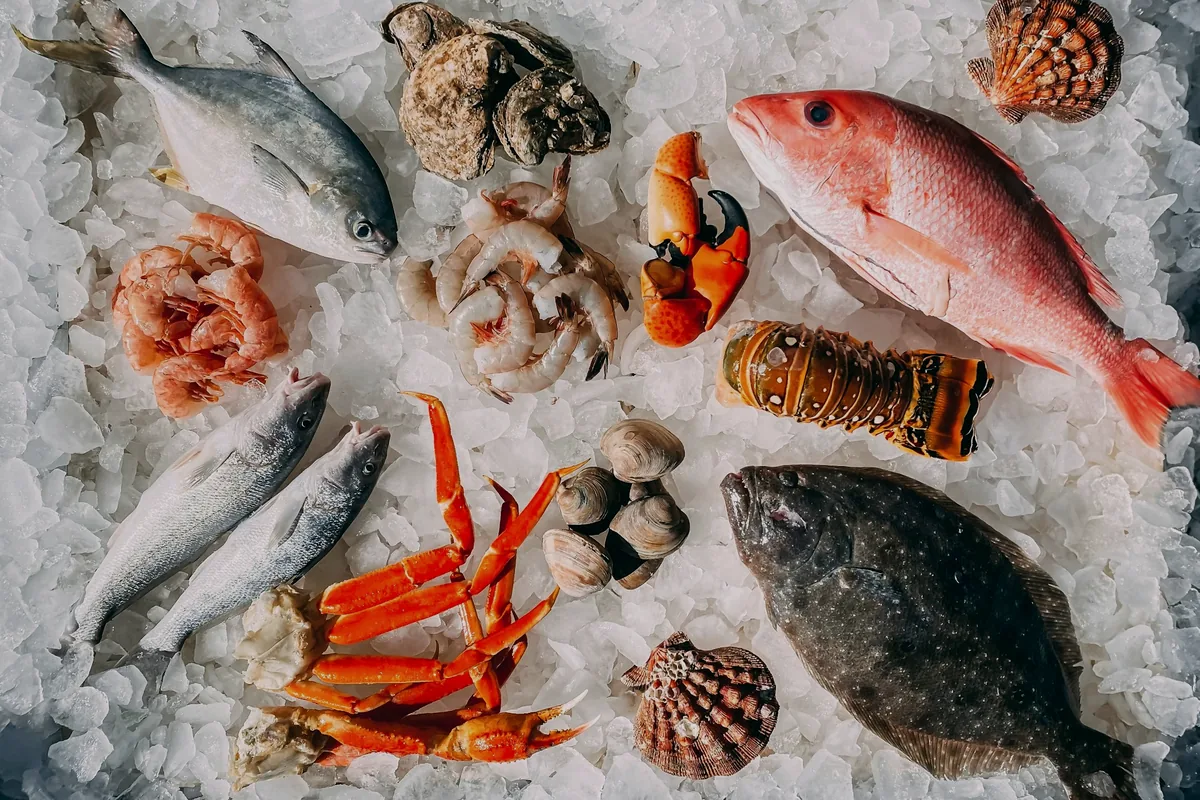
What “Sushi-Grade” Actually Means
There is no agency that grades fish this way. What the term really describes, why freezing is a good sign, and what to ask instead.
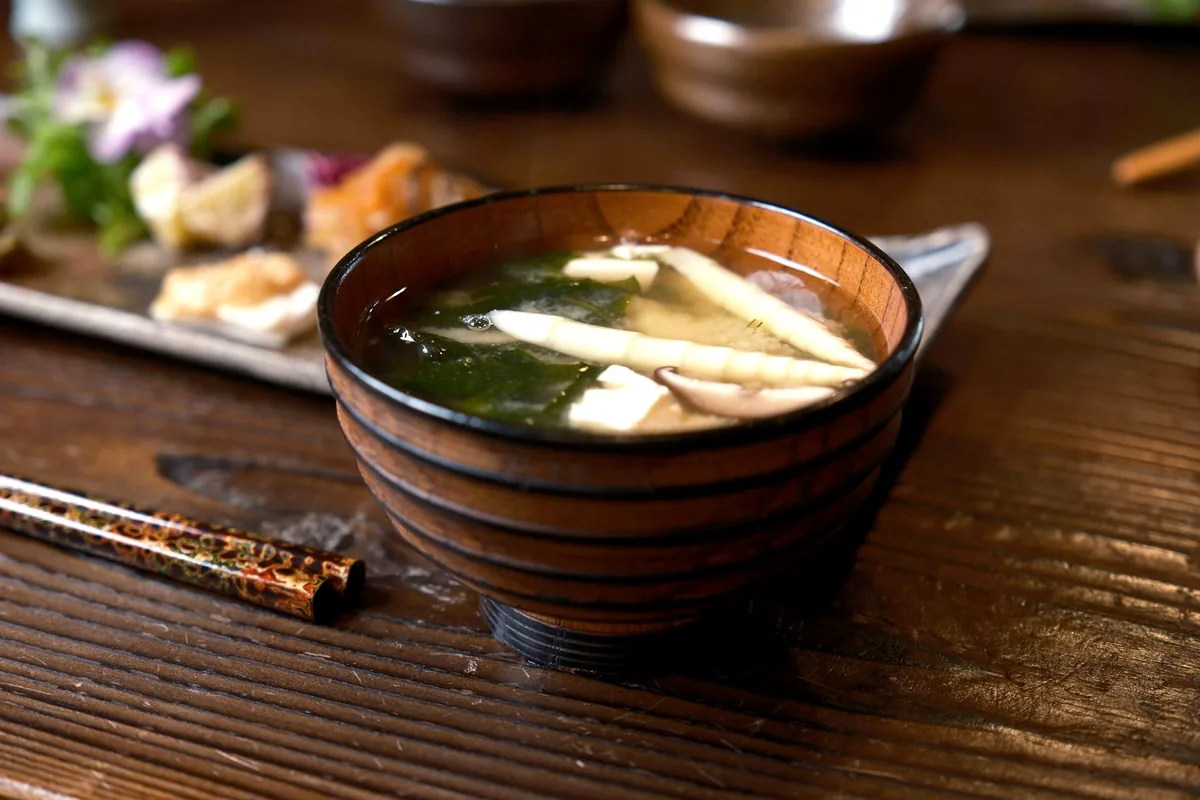
Miso Soup: What Is Actually In It
Kelp and dried fish make the stock, fermented soybean paste goes in at the end, and the bowl is meant to be lifted rather than spooned.