The Journal
From the Kitchen
Short reads on how the food is made, and on ordering well across a menu that runs from the sushi bar to the hot kitchen.
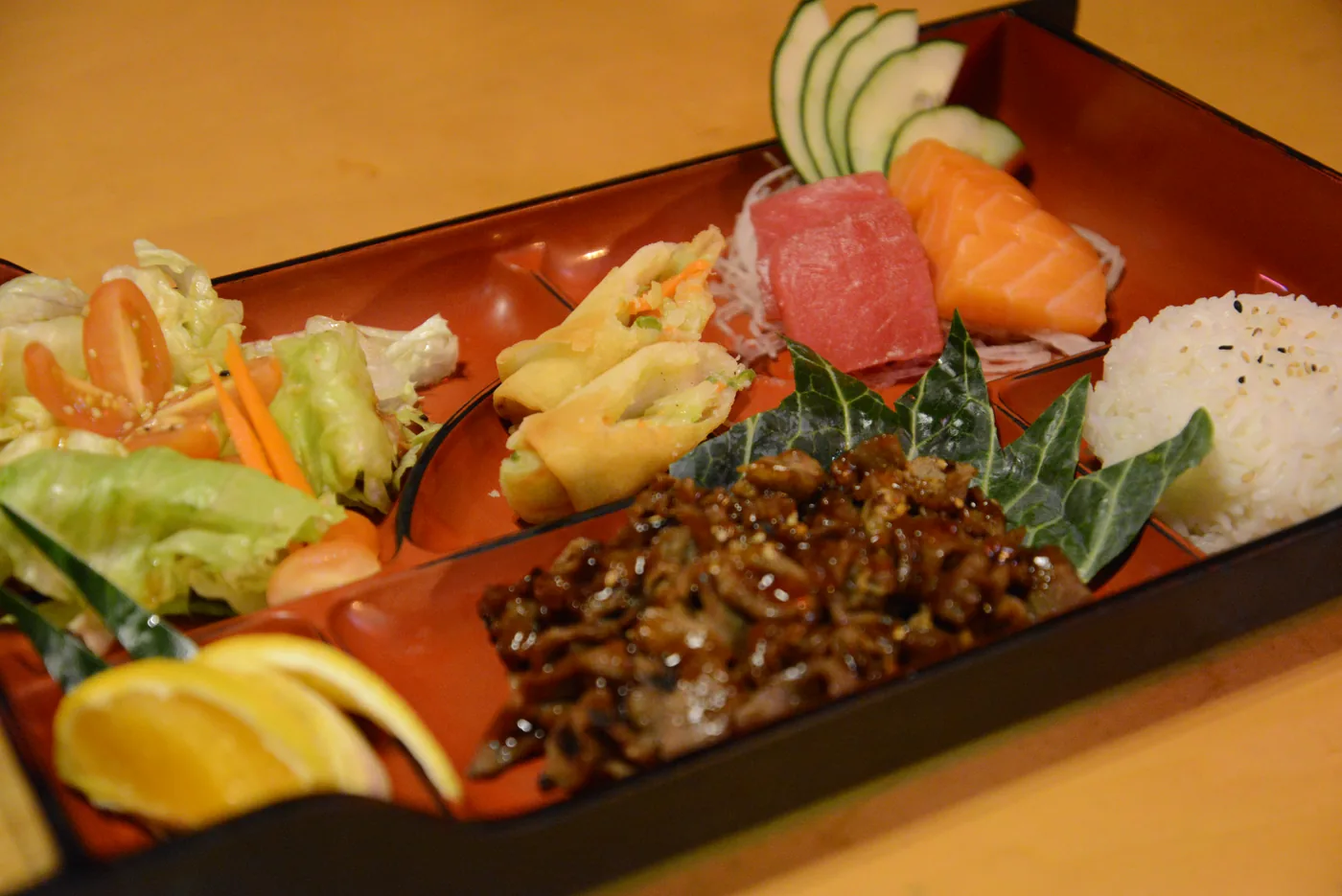
Combos and Plates: Ordering a Whole Meal
À la carte gives you control and hands you the quantity problem. A combo hands back a finished meal, with the sides already decided.
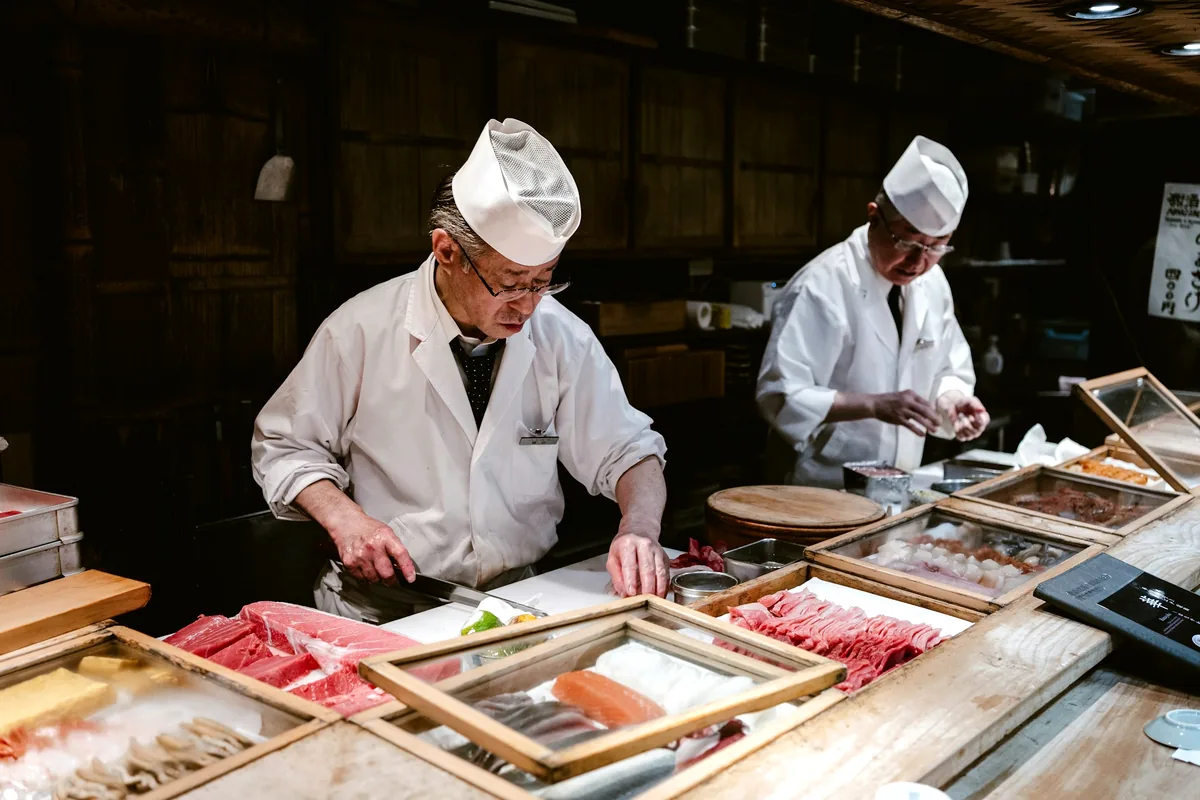
The Sushi Bar and the Hot Kitchen
A Japanese restaurant is two kitchens sharing a dining room. Once you see the split, the menu reads like a floor plan.
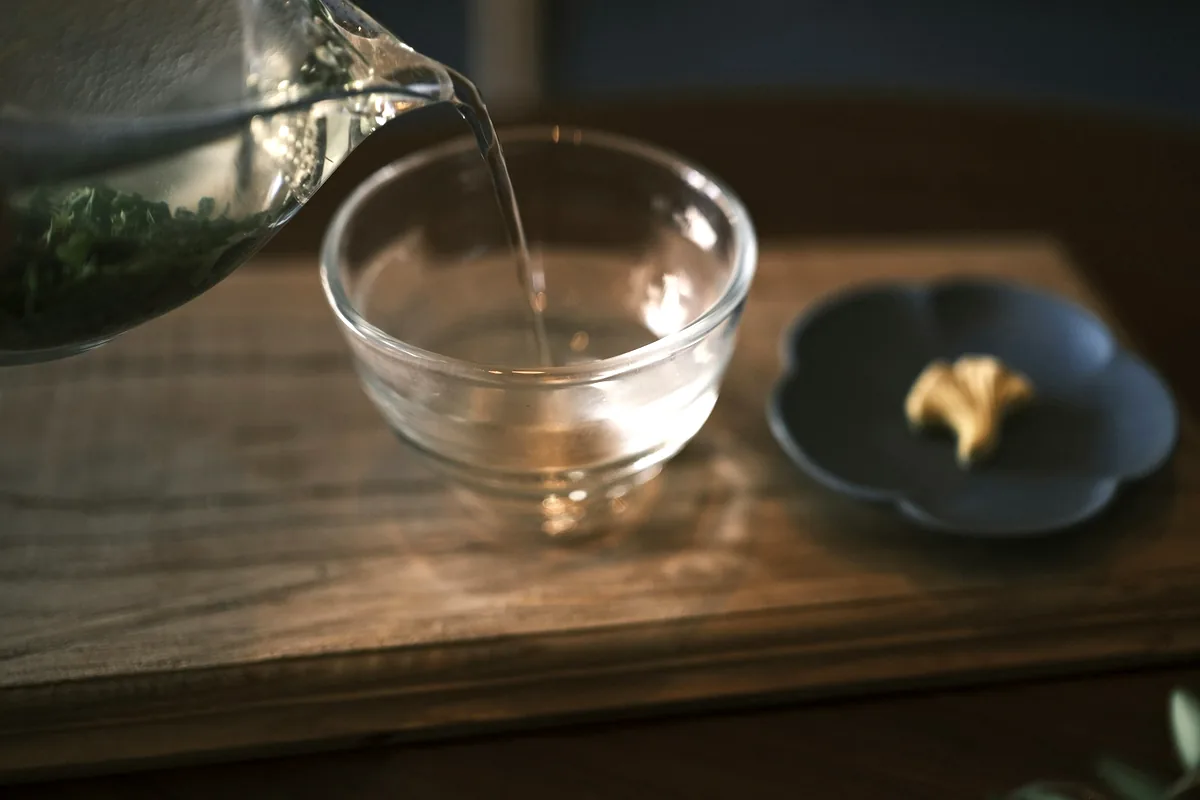
What to Drink With Japanese Food
Dry, cold or astringent. Why green tea is the default, what carbonation does for fried food, and the two things everyone gets wrong about sake.
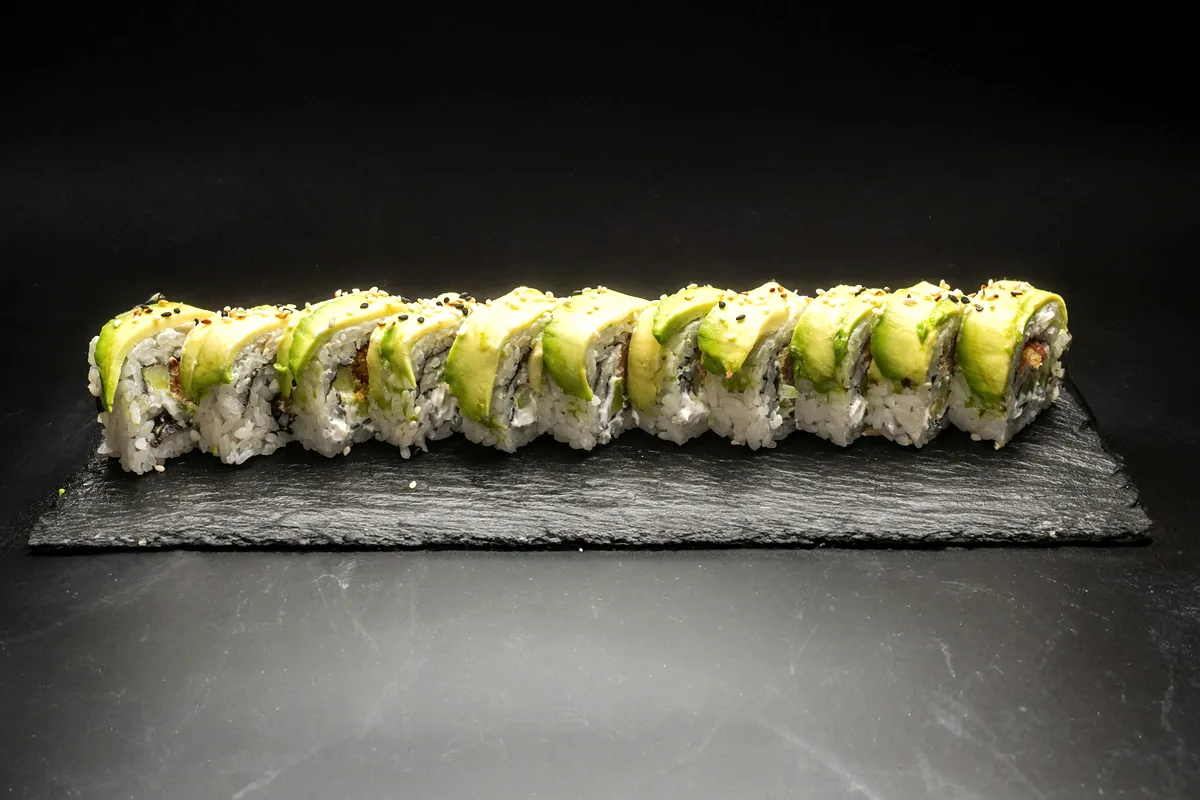
Vegetarian and Vegan at a Japanese Restaurant
The vegetables are easy; the stock is not. Where the menu opens up, the four things that catch people out, and how to ask.
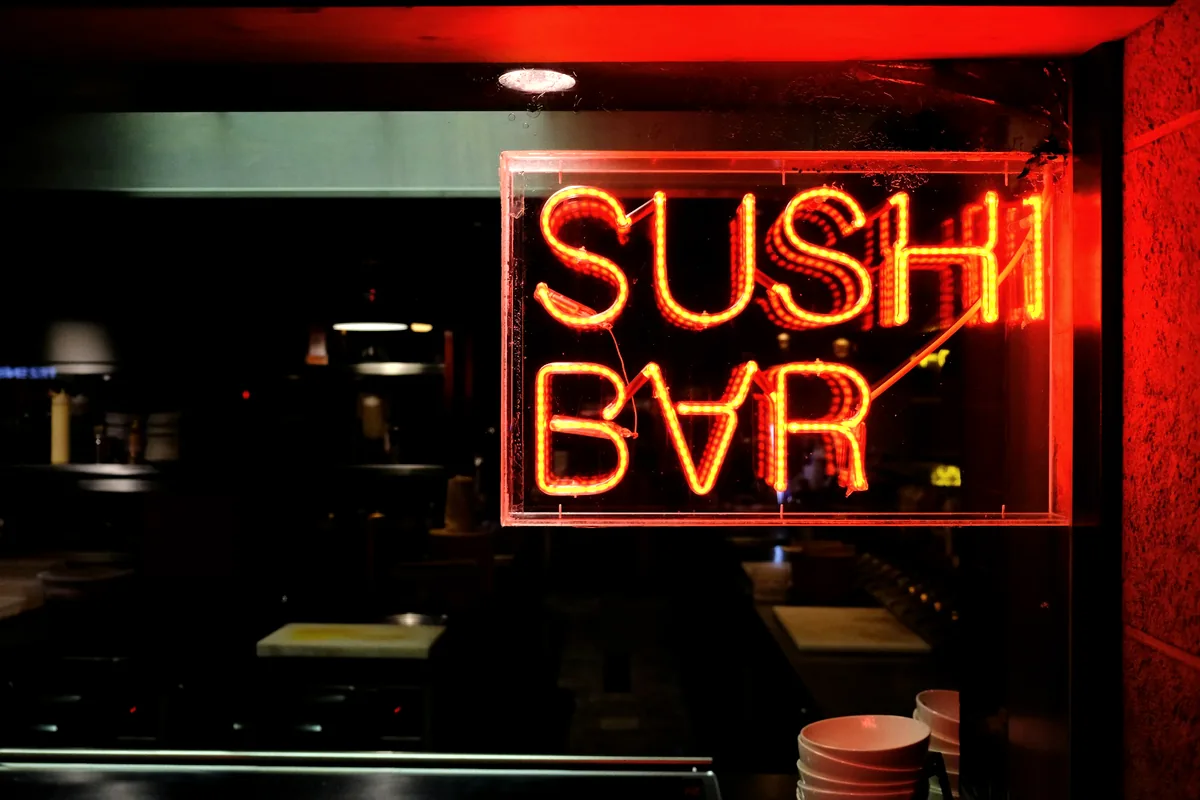
Sushi and Japanese Menu Terms: A Glossary
Nearly every unfamiliar word on a Japanese menu is either a shape or a technique. Forty of them, grouped by what they actually tell you.
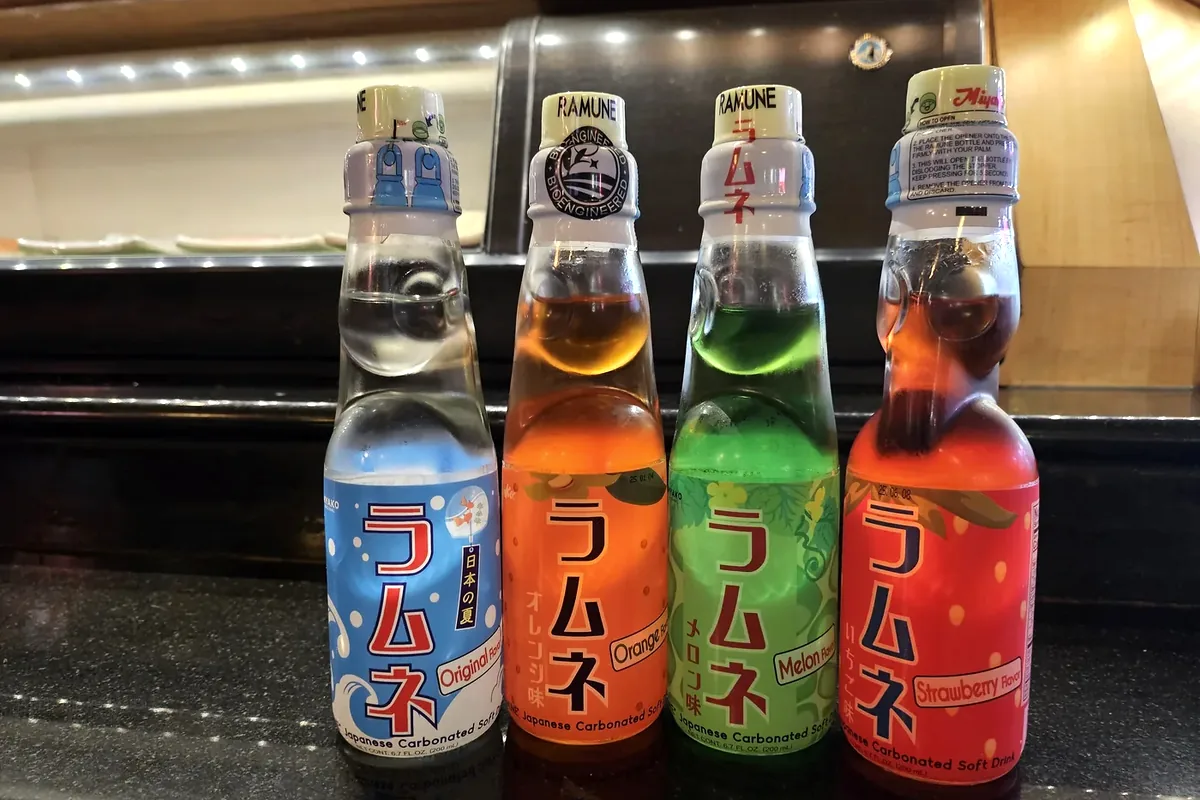
Eating Japanese Food With Children
Order the edamame before you read the menu. Why the format suits children, what to order first, and how to widen the list.
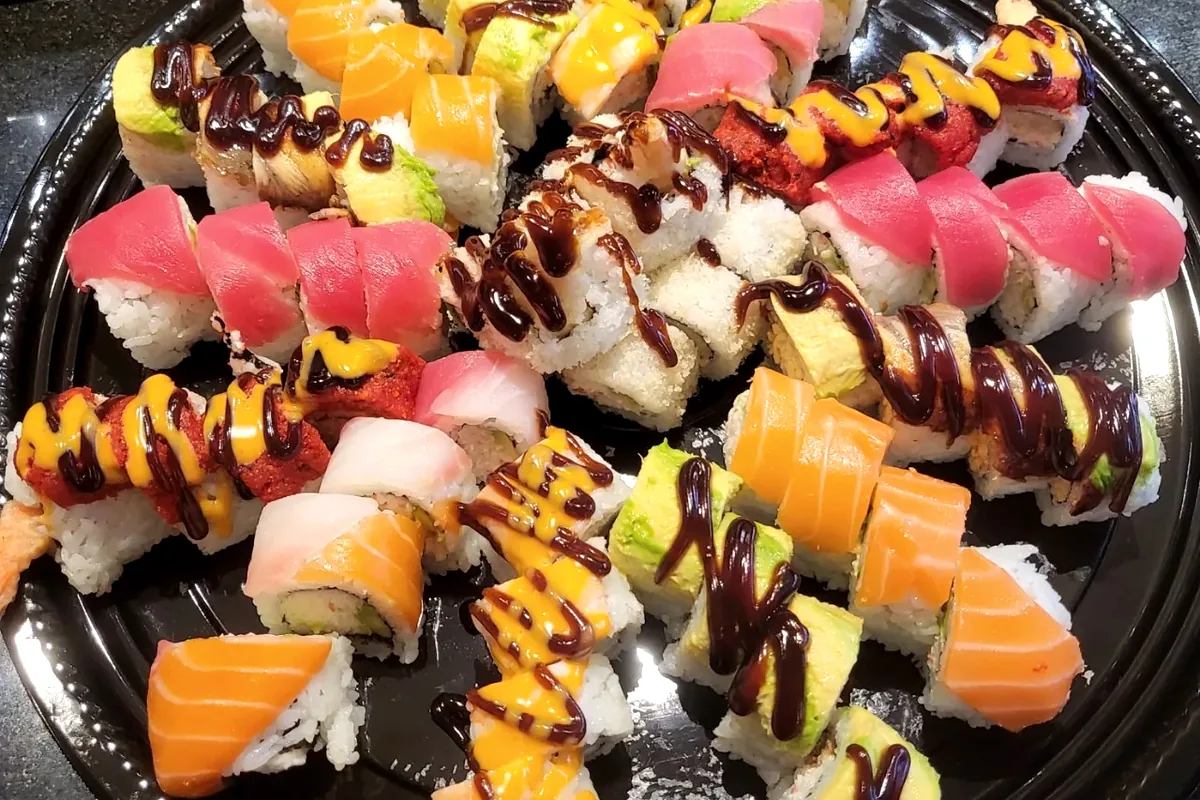
Japanese Takeout That Actually Travels
Crisp things and soup are the problem; everything else is fine. What to order to take home, what to eat in the restaurant, and why.
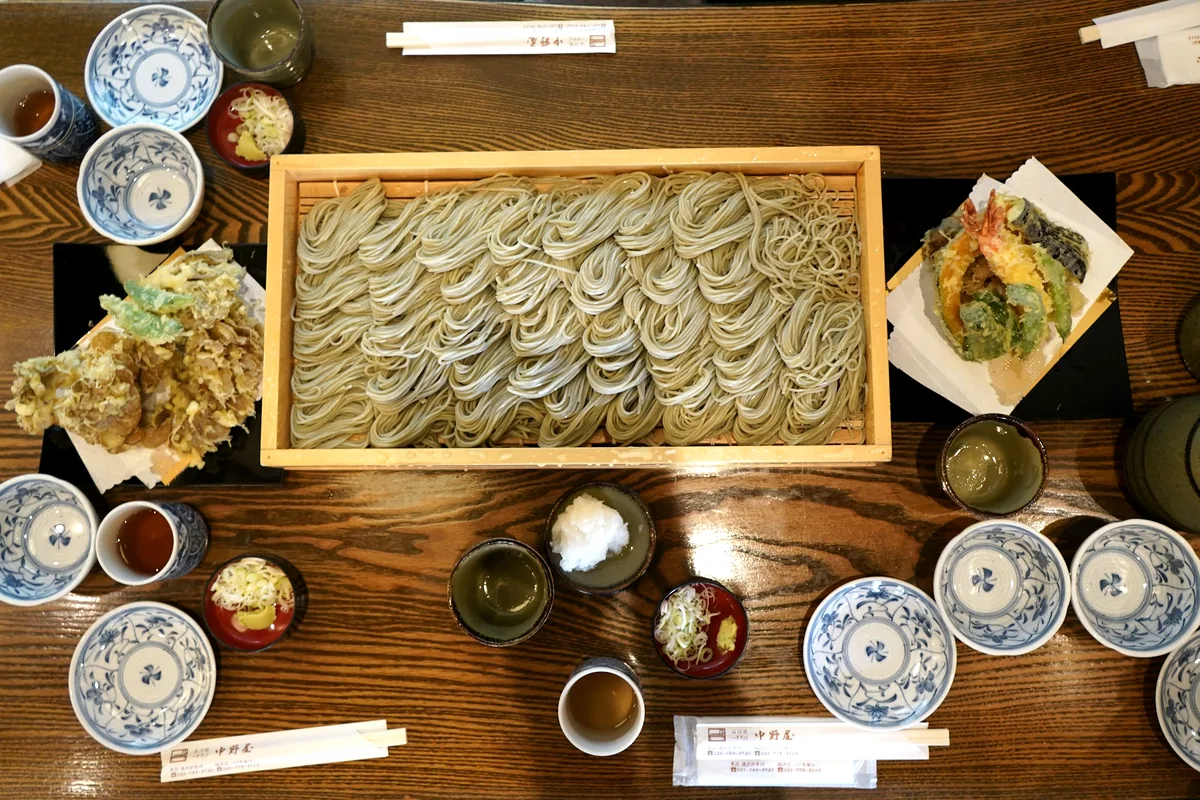
Ramen, Udon, Soba and Somen: The Four Japanese Noodles
Four noodles, two grains, and one name that misleads everybody. Where each one comes from and which of them we actually serve.
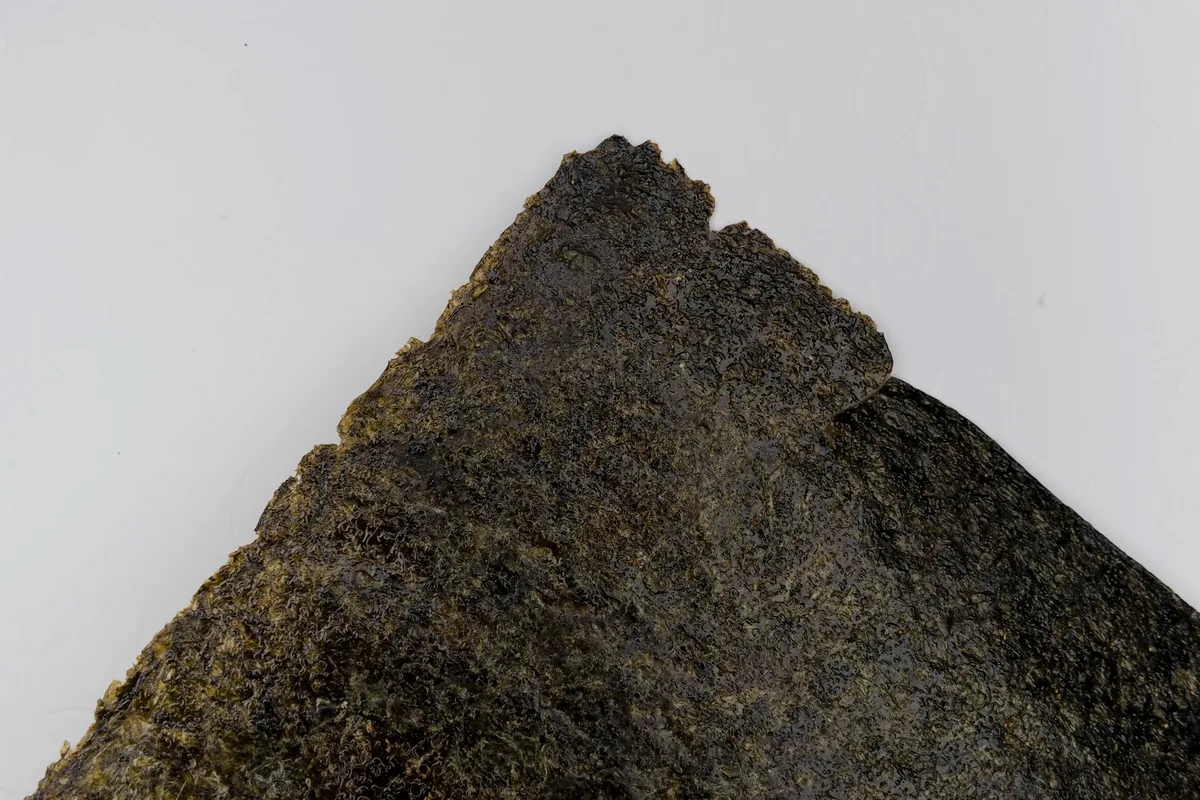
Nori, Soy Paper and What Wraps a Roll
Pressed seaweed or a pale soybean sheet. What nori is, why it goes soft, and the swap to ask for if seaweed is the problem.
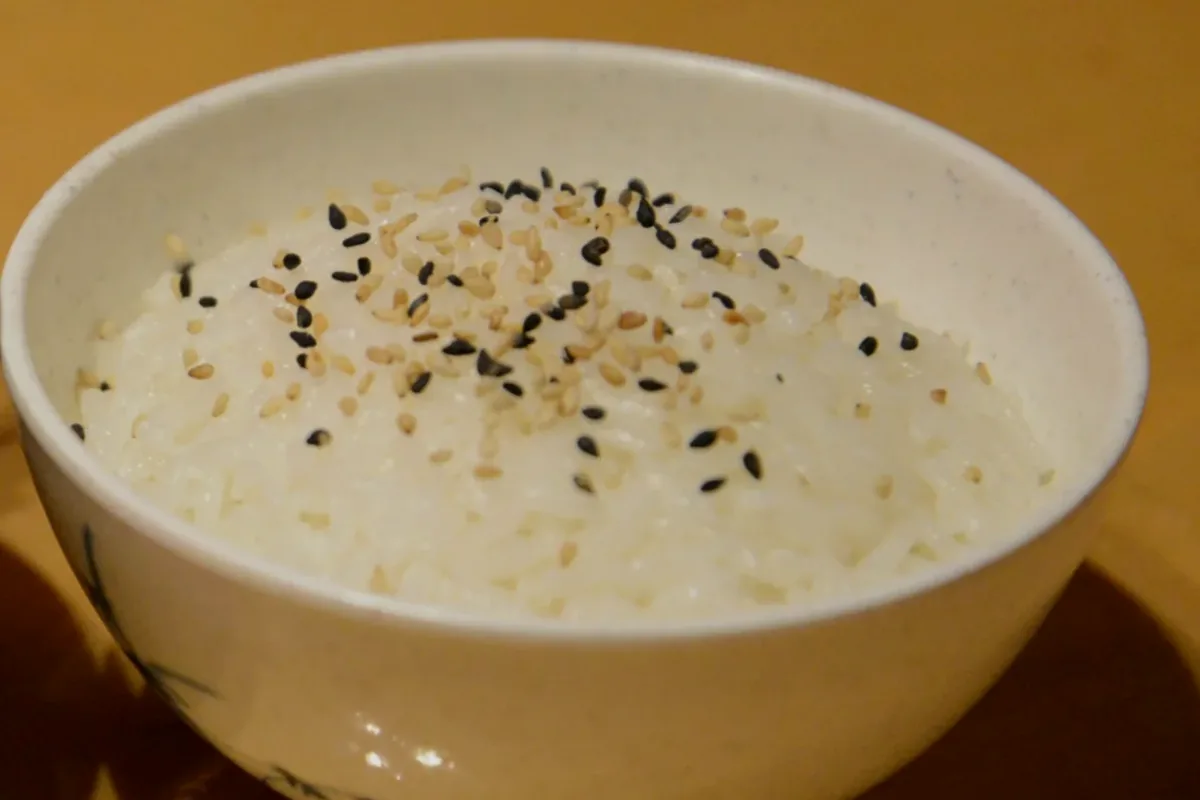
The Rice: The Part That Makes It Sushi
Sushi means the seasoned rice, not the fish. What is in it, why the temperature matters, and what the definition explains about a menu.
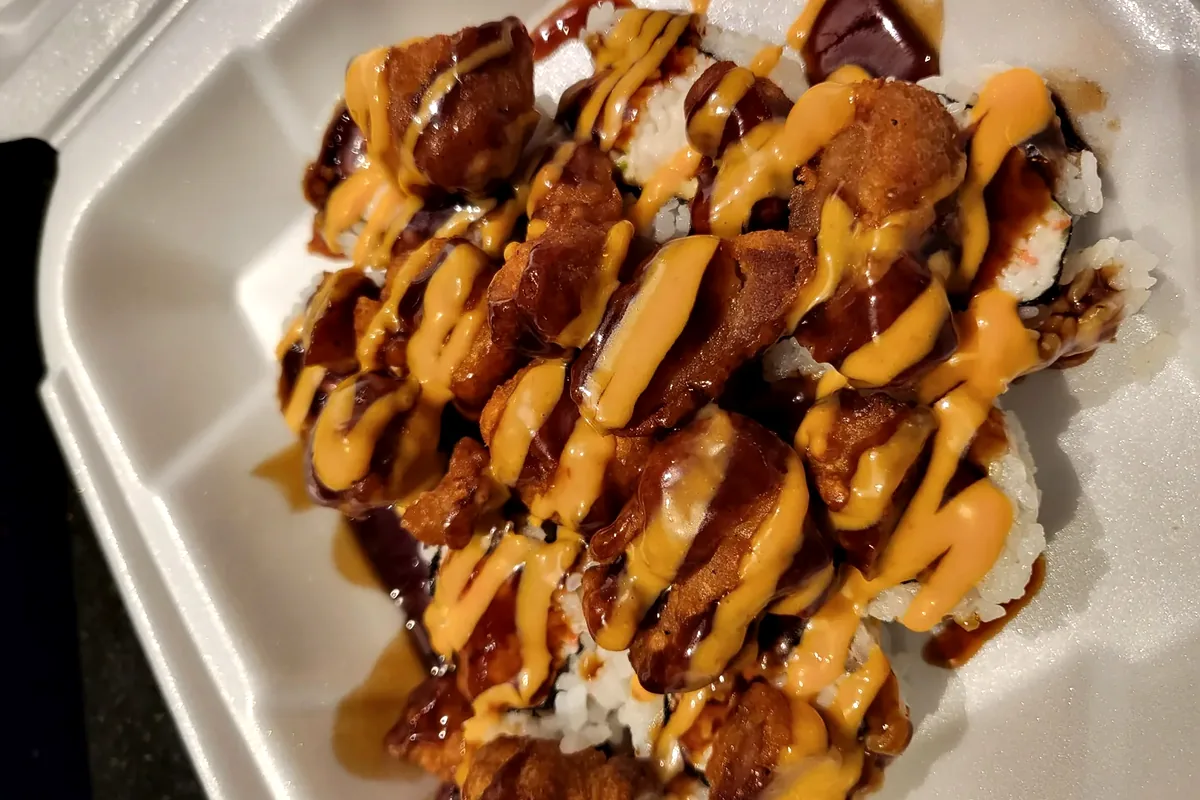
Cream Cheese, Jalapeno and the Deep Fryer
Hide the nori, use the rice as a surface, add fat to balance the vinegar. How the American specialty roll came to look like it does.